Resource Efficiency, Recycling, and Product Lifecycle Innovation Are Helping Manufacturers Build More Sustainable and Resilient Industrial Operations
Manufacturers worldwide are embracing circular manufacturing as they seek to reduce waste, improve resource efficiency, and strengthen long-term sustainability. Unlike the traditional linear production model of "take, make, and dispose," circular manufacturing focuses on extending product lifecycles, recovering valuable materials, minimizing waste, and keeping resources in productive use for as long as possible.
Growing environmental awareness, evolving regulatory expectations, resource constraints, and changing customer preferences are encouraging organizations to rethink how products are designed, manufactured, used, and recovered. By integrating circular economy principles into production strategies, manufacturers are reducing operational costs while supporting environmental stewardship and improving supply chain resilience.
Advancements in artificial intelligence, Industrial Internet of Things (IIoT), digital product tracking, advanced recycling technologies, and data analytics are making circular manufacturing more practical and scalable across industries. Companies in automotive, electronics, aerospace, consumer goods, industrial equipment, textiles, and packaging are increasingly adopting circular business models to improve competitiveness and create long-term value.
Industry experts believe circular manufacturing will play a central role in the future of industrial production as organizations balance economic growth with responsible resource management.
Manufacturing Shifts Toward Circular Economy Principles
Traditional manufacturing has historically relied on extracting raw materials, producing goods, and disposing of products after use. Circular manufacturing introduces a different approach by emphasizing continuous resource utilization throughout the product lifecycle.
Core principles include:
- Resource efficiency
- Product longevity
- Material recovery
- Recycling
- Remanufacturing
- Waste reduction
This approach helps manufacturers reduce environmental impact while maximizing the value of existing resources. Circular thinking is reshaping industrial production strategies.
Product Design Supports Sustainability
The foundation of circular manufacturing begins during product development.
Manufacturers increasingly design products that are easier to:
- Repair
- Upgrade
- Reuse
- Disassemble
- Recycle
Thoughtful design enables components and materials to remain in productive use for longer periods. Improved product lifecycle planning supports both sustainability and operational efficiency. Design innovation has become an important competitive advantage.
Recycling Strengthens Resource Efficiency
Recovering valuable materials from used products helps manufacturers reduce dependence on newly extracted resources.
Modern recycling initiatives support recovery of:
- Metals
- Plastics
- Glass
- Electronic components
- Industrial materials
Advanced recycling technologies improve material quality while expanding opportunities for reuse in future production. Efficient material recovery strengthens long-term supply security.
Remanufacturing Extends Product Lifecycles
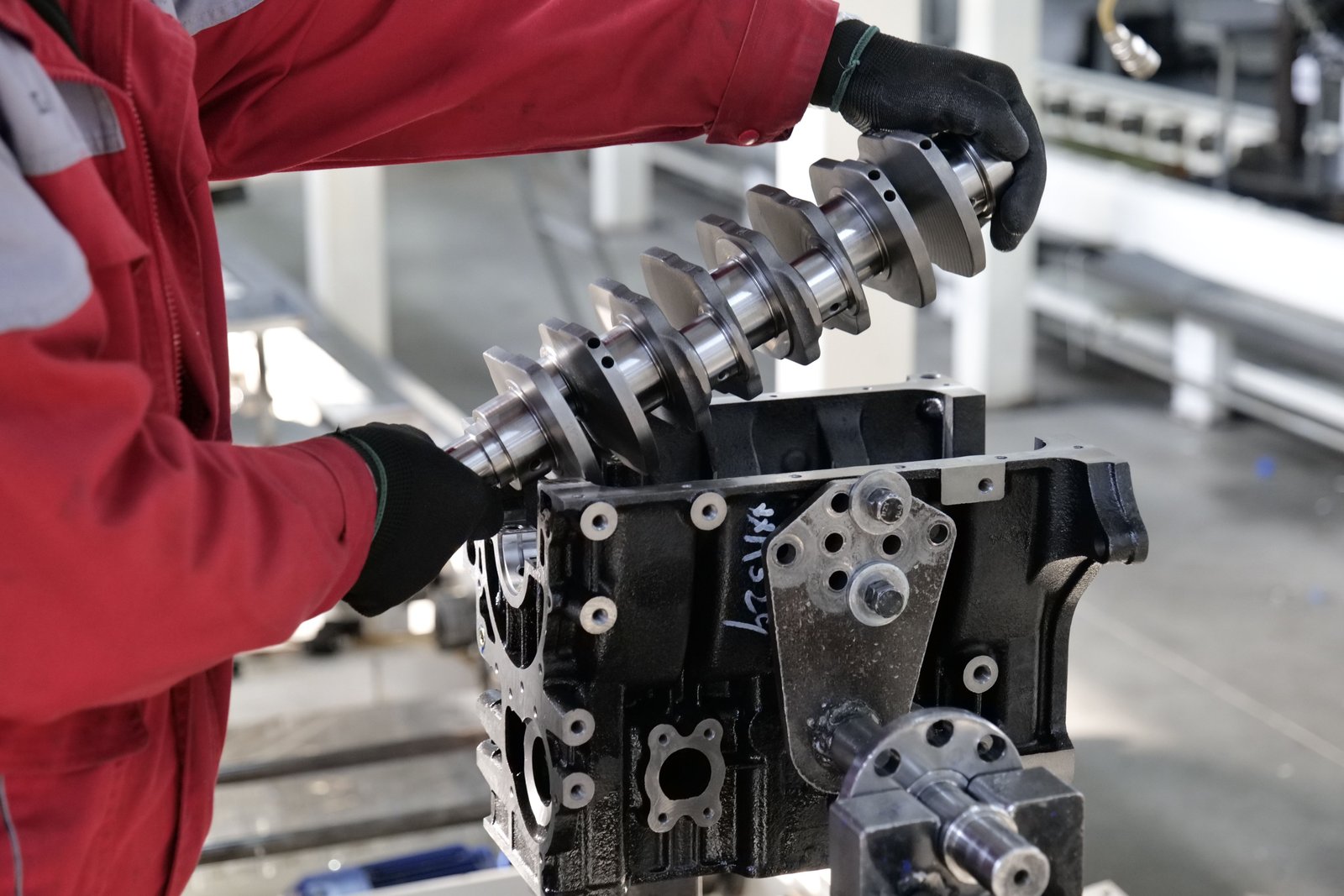
Rather than replacing entire products, manufacturers increasingly restore and remanufacture equipment for continued use.
Remanufacturing includes:
- Component replacement
- Equipment refurbishment
- Functional testing
- Performance upgrades
- Quality certification
Restoring products reduces waste while lowering material consumption and production costs. Remanufacturing creates additional economic value from existing assets.
Digital Technologies Improve Material Tracking
Modern digital technologies are improving transparency across product lifecycles.
Manufacturers utilize:
- Artificial intelligence
- Industrial IoT
- Cloud platforms
- Digital product records
- Data analytics
Connected systems provide greater visibility into material usage, product performance, and recovery opportunities. Digital information strengthens circular manufacturing strategies.
Artificial Intelligence Optimizes Resource Utilization
Artificial intelligence helps manufacturers improve material efficiency by analyzing production data and identifying optimization opportunities.
AI supports:
- Waste reduction
- Material planning
- Production optimization
- Demand forecasting
- Resource allocation
Intelligent systems enable organizations to minimize unnecessary consumption while maintaining production quality. Technology continues improving sustainability performance.
Supply Chains Become More Resilient
Circular manufacturing contributes to stronger and more flexible supply chains.
Organizations improve resilience by:
- Recovering reusable materials
- Reducing dependence on virgin resources
- Diversifying material sources
- Improving inventory efficiency
- Supporting local recycling networks
Greater resource availability reduces supply chain vulnerability during market disruptions. Sustainable sourcing strengthens long-term operational stability.
Customer Expectations Continue to Evolve
Consumers and business customers increasingly value products that demonstrate responsible environmental practices.
Manufacturers respond by offering products that emphasize:
- Durability
- Repairability
- Sustainable materials
- Responsible production
- Resource efficiency
Sustainability initiatives strengthen brand reputation while supporting customer loyalty. Environmental responsibility has become a significant competitive differentiator.
Collaboration Drives Circular Innovation
Successful circular manufacturing requires collaboration across the entire industrial ecosystem.
Organizations work with:
- Suppliers
- Recycling companies
- Technology providers
- Research institutions
- Government agencies
Partnerships enable more efficient material recovery, product redesign, and innovation throughout manufacturing value chains. Collaborative ecosystems accelerate circular economy adoption.
Governance and Compliance Remain Important
Manufacturers continue strengthening governance frameworks that support responsible resource management.
Key priorities include:
- Environmental reporting
- Regulatory compliance
- Product traceability
- Sustainable sourcing
- Waste management
Strong governance improves transparency while supporting long-term sustainability objectives. Responsible manufacturing builds stakeholder confidence.
Challenges to Wider Adoption
Despite significant progress, circular manufacturing continues facing several implementation challenges.
These include:
- Infrastructure investment
- Product redesign requirements
- Material recovery complexity
- Supply chain coordination
- Industry standardization
Organizations continue investing in innovation and collaboration to overcome these barriers. Long-term commitment remains essential for success.
Conclusion
Circular manufacturing is transforming industrial production by promoting resource efficiency, recycling, remanufacturing, sustainable product design, and responsible lifecycle management. Supported by artificial intelligence, Industrial IoT, digital tracking systems, and collaborative supply chains, manufacturers are creating production models that reduce waste while improving operational resilience and long-term competitiveness.
As industries continue embracing sustainability and digital transformation, circular manufacturing will become an increasingly important strategy for balancing economic performance with environmental responsibility. The continued evolution of circular manufacturing reflects a broader shift toward intelligent, resource-efficient industrial ecosystems where innovation, collaboration, and sustainability work together to shape the future of global manufacturing.