Port Electrification, Smart Port Automation, and Renewable Energy Integration Are Transforming Global Shipping
The global maritime logistics industry is undergoing a major transformation as ports invest in sustainable infrastructure to reduce emissions, improve operational efficiency, and support cleaner international trade. Green ports are integrating electrified equipment, renewable energy systems, artificial intelligence (AI), smart automation, digital vessel management, and environmentally responsible operations to create more efficient and low-carbon maritime logistics ecosystems.
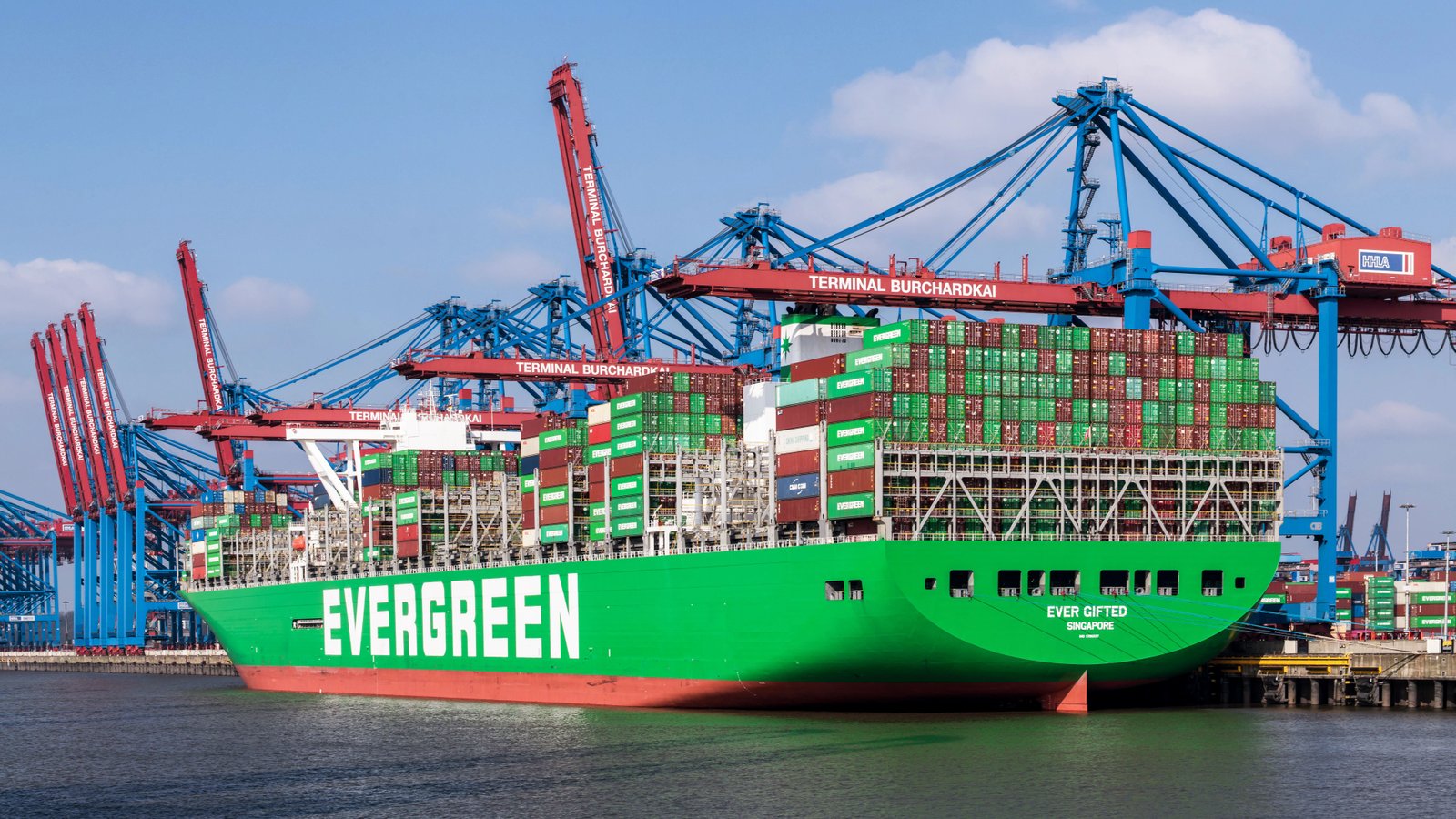
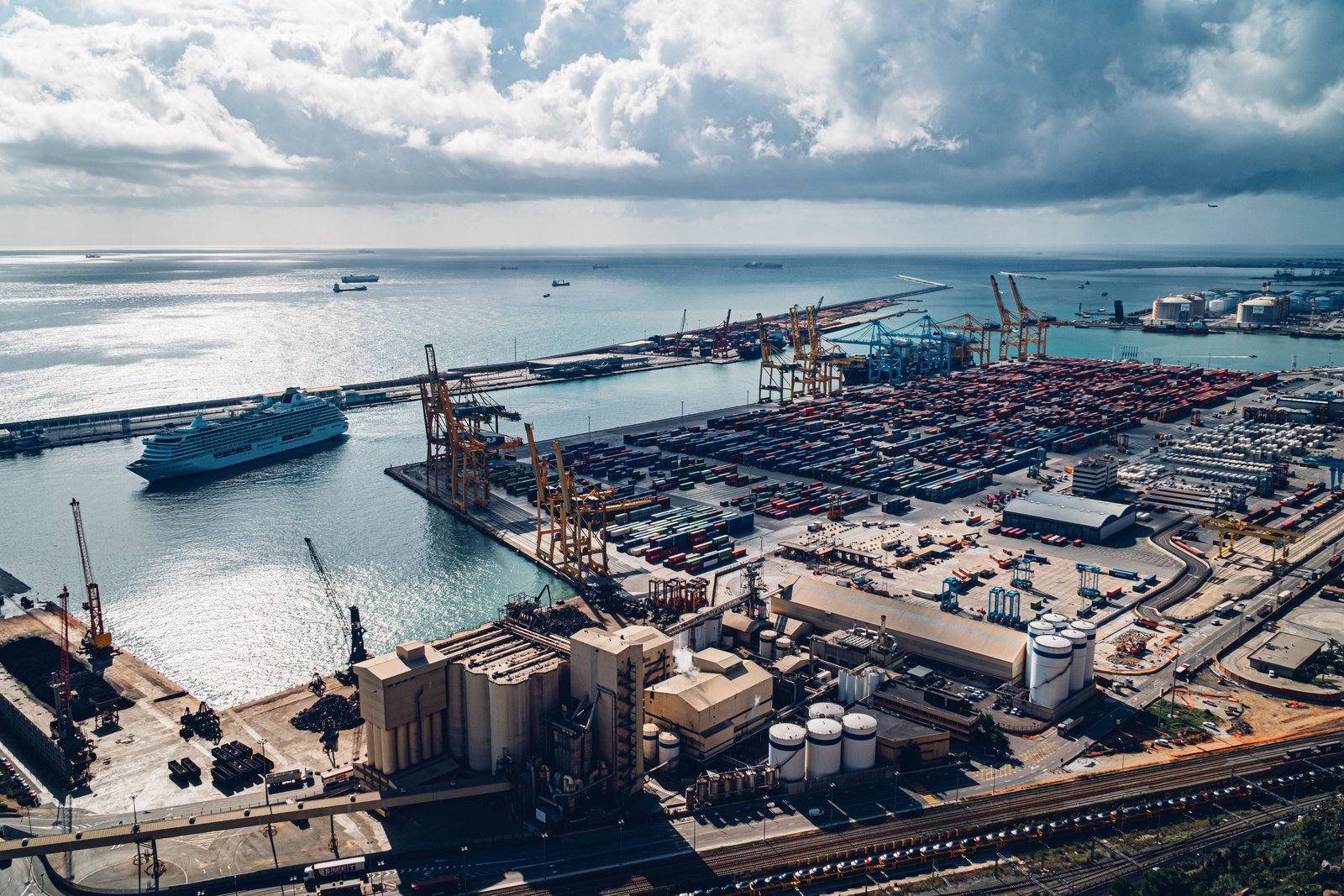
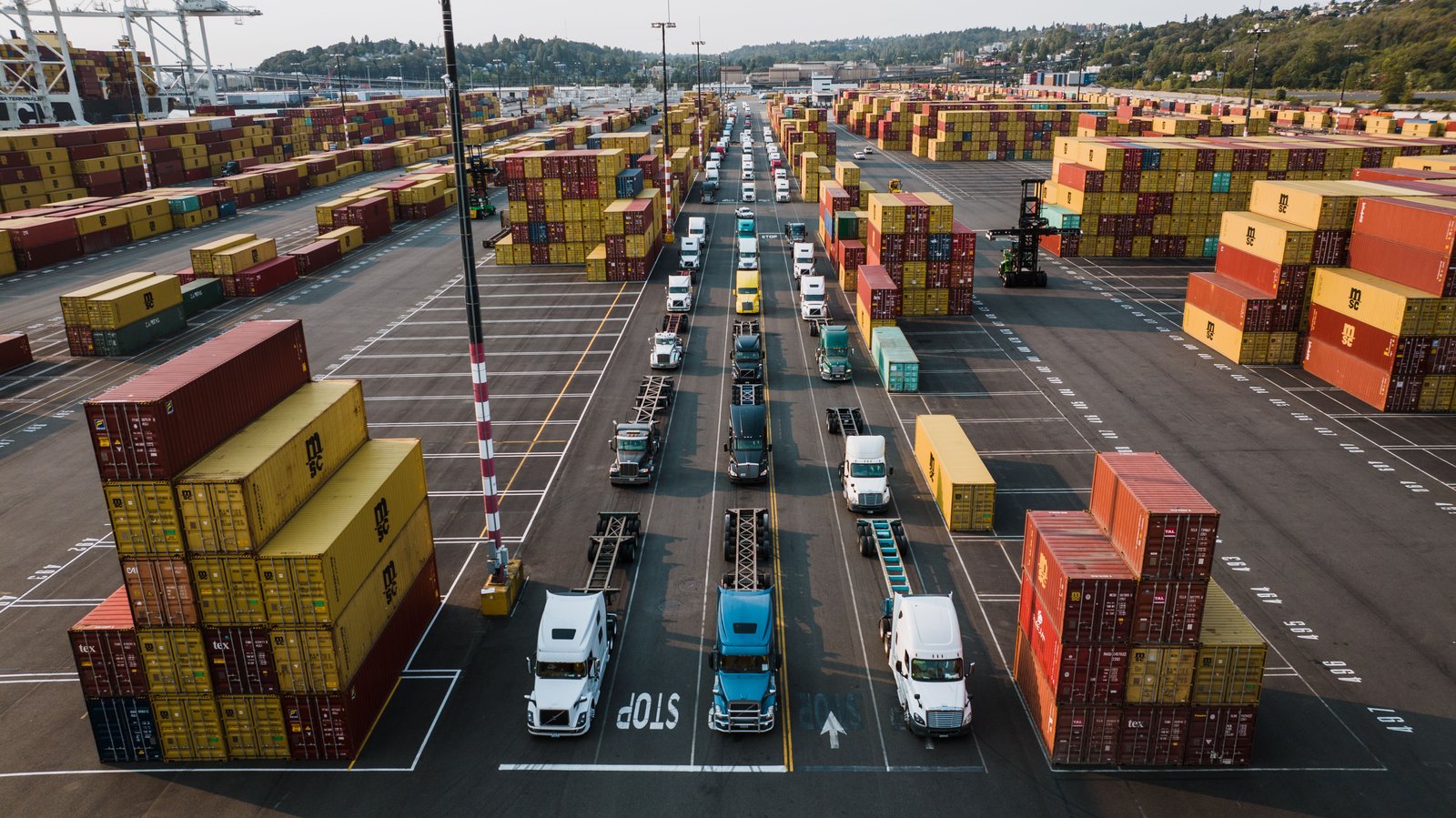
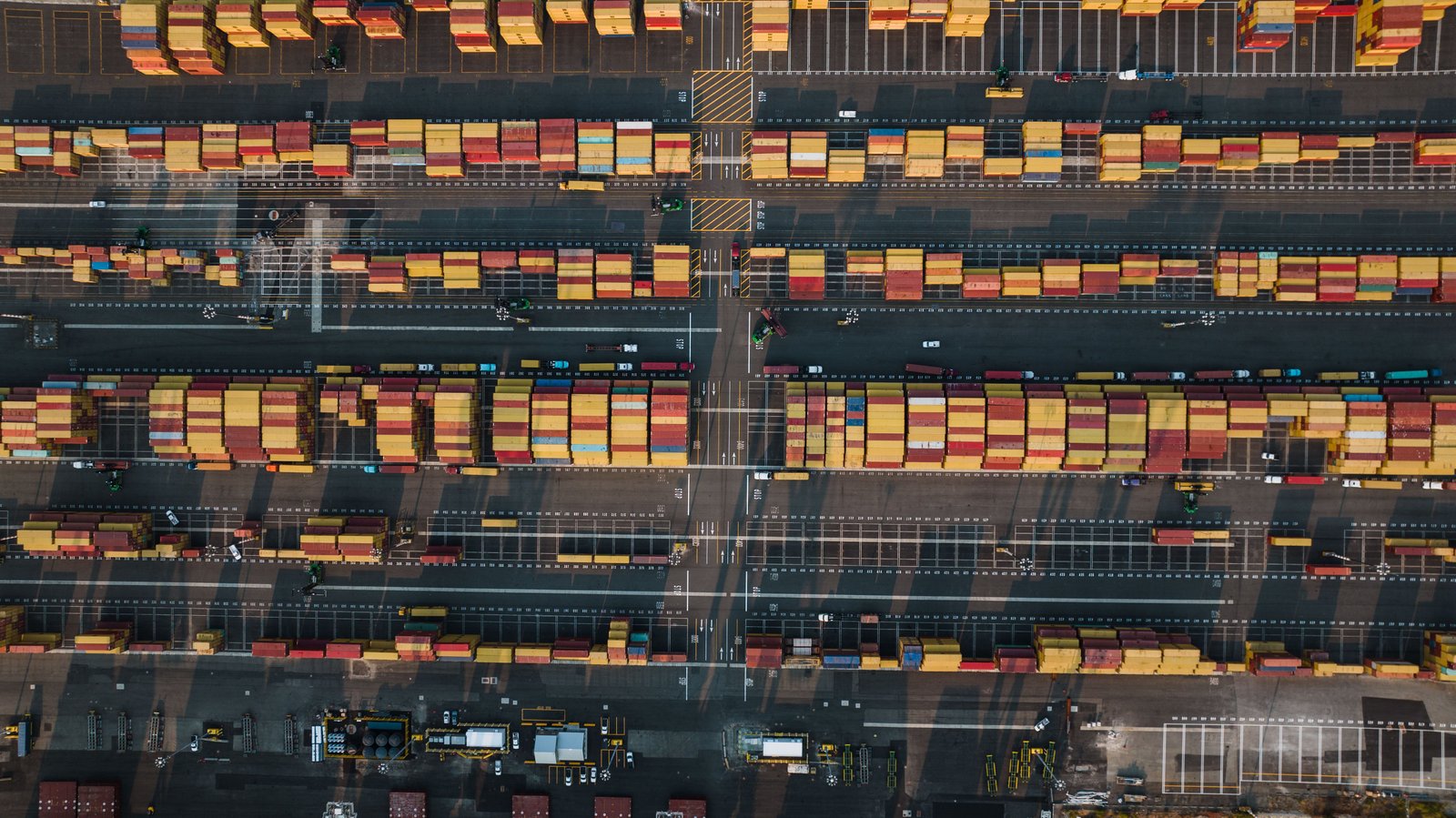
Seaports serve as critical gateways for global commerce, handling billions of tons of cargo every year. Traditionally, port operations relied heavily on diesel-powered cranes, trucks, ships, and cargo handling equipment, contributing to greenhouse gas emissions and air pollution. Today, governments, port authorities, shipping companies, and logistics operators are modernizing port infrastructure to support cleaner cargo movement while improving productivity and environmental performance.
Port authorities, shipping companies, logistics providers, terminal operators, energy companies, technology firms, and governments are investing in smart port initiatives that align with global sustainability and decarbonization goals. Industry experts believe green ports will play a central role in building more resilient, efficient, and environmentally responsible global supply chains.
Port Electrification Reduces Carbon Emissions
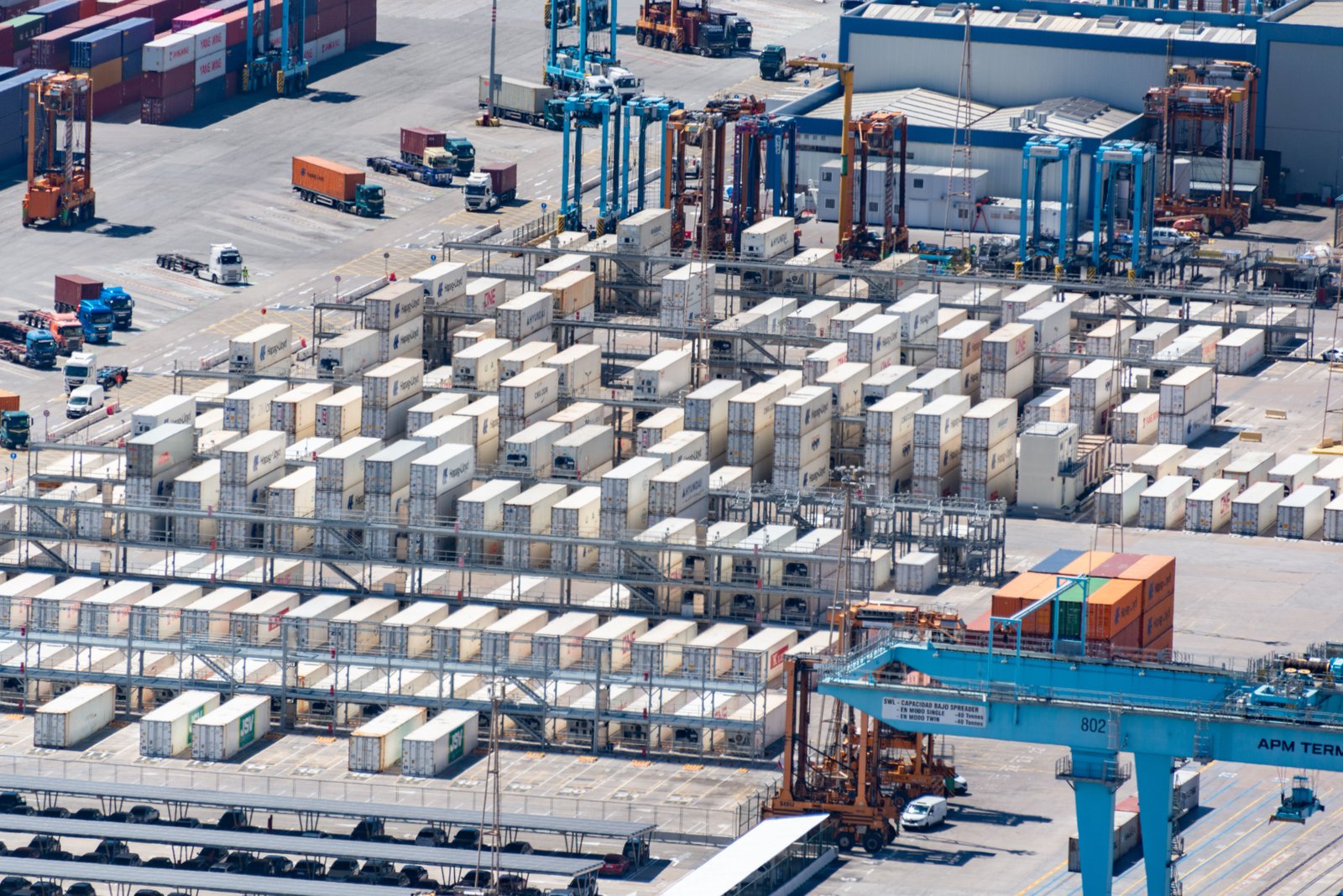
Modern ports are replacing conventional diesel-powered equipment with electric alternatives
Electrification initiatives include:
- Electric container cranes
- Battery-powered cargo handling equipment
- Electric terminal trucks
- Automated guided vehicles (AGVs)
- Charging infrastructure
Electrified operations reduce fuel consumption while improving air quality around port facilities. Clean energy supports sustainable logistics.
Shore Power Systems Support Cleaner Shipping
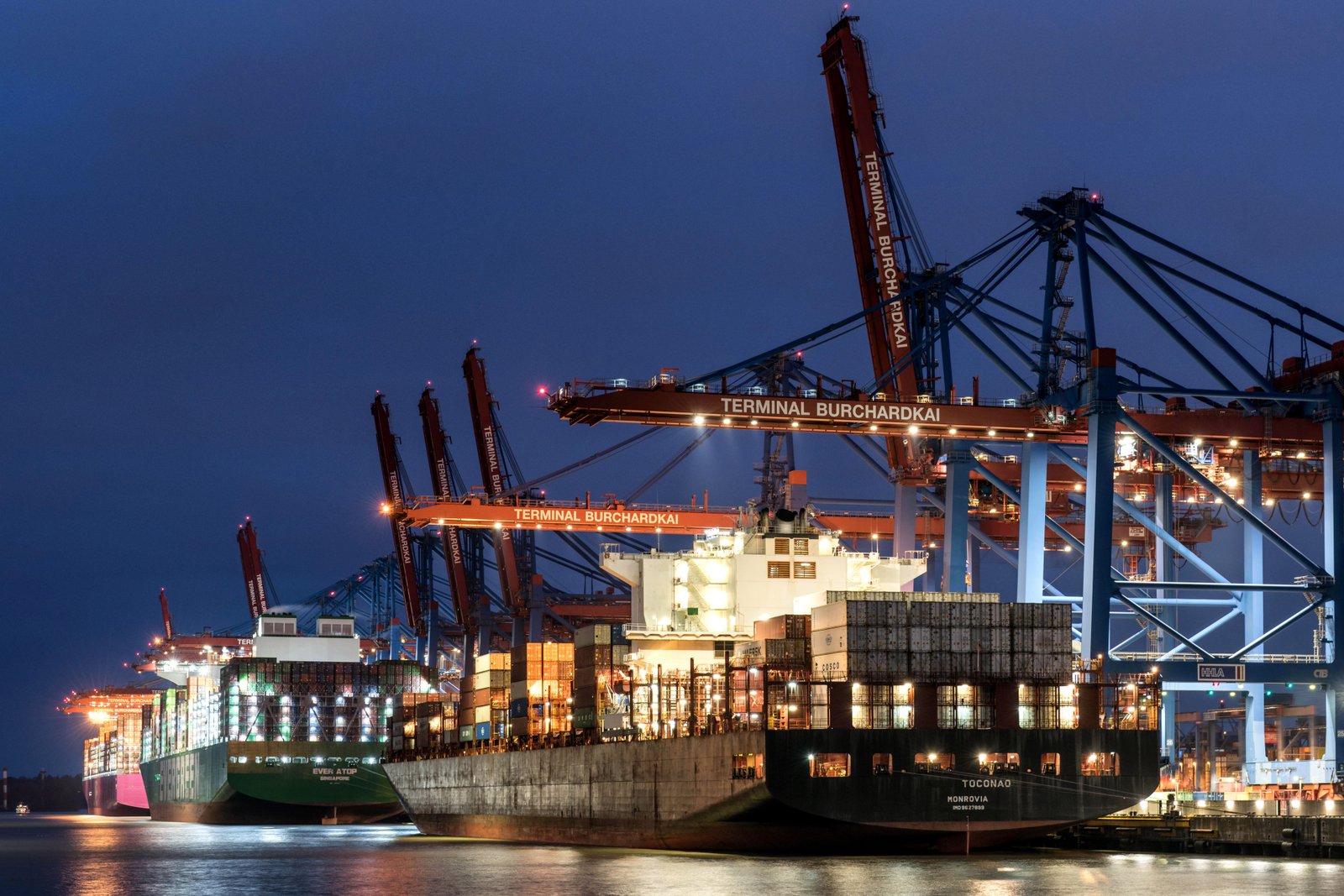
Shore power enables docked vessels to connect to the local electricity grid instead of running onboard diesel generators.
Shore power benefits include:
- Lower fuel consumption
- Reduced greenhouse gas emissions
- Improved air quality
- Reduced engine noise
- Lower operational costs
Providing clean electricity while ships are berthed significantly reduces environmental impacts in port cities. Shore power strengthens maritime sustainability.
Artificial Intelligence Optimizes Port Operations
Artificial intelligence improves cargo handling, vessel scheduling, and resource management.
AI applications include:
- Berth allocation
- Cargo flow optimization
- Equipment scheduling
- Predictive maintenance
- Traffic forecasting
Machine learning enables ports to increase operational efficiency while reducing vessel waiting times. AI improves port productivity.
Smart Port Automation Increases Efficiency
Automation technologies streamline cargo handling and terminal operations.
Smart port systems include:
- Automated container handling
- Robotics
- Digital gate management
- Autonomous yard vehicles
- Intelligent warehouse systems
Automated operations improve throughput while minimizing operational delays. Digital automation modernizes port logistics.
Renewable Energy Powers Port Infrastructure
Many ports are integrating renewable energy into daily operations.
Renewable energy solutions include:
- Solar power installations
- Wind energy systems
- Battery storage
- Energy management platforms
- Microgrids
Renewable electricity reduces operational emissions while strengthening energy resilience. Green energy supports future-ready ports.
Digital Vessel Management Enhances Coordination
Advanced digital platforms improve communication between ports, shipping companies, and logistics operators.
Digital management supports:
- Vessel scheduling
- Arrival coordination
- Cargo documentation
- Port traffic monitoring
- Operational analytics
Improved coordination reduces congestion while accelerating cargo movement. Connected systems strengthen supply chain efficiency.
Environmental Monitoring Protects Coastal Ecosystems
Ports are deploying intelligent environmental monitoring technologies to minimize ecological impacts.
Monitoring systems track:
- Air quality
- Water quality
- Noise levels
- Energy consumption
- Carbon emissions
Continuous environmental monitoring supports regulatory compliance while protecting surrounding communities and marine habitats. Digital intelligence promotes responsible operations.
Hydrogen and Alternative Fuels Support Decarbonization
Ports are expanding infrastructure for cleaner marine fuels.
Alternative fuel initiatives include:
- Green hydrogen
- Ammonia bunkering
- Biofuels
- Sustainable marine fuels
- Electric vessel charging
Supporting cleaner fuels helps accelerate the maritime industry's transition toward lower-emission shipping. Alternative energy expands sustainable transportation.
Cybersecurity Protects Smart Port Infrastructure
As ports become increasingly digital, safeguarding operational systems remains a strategic priority.
Cybersecurity measures include:
- Secure communication networks
- Digital access controls
- Threat monitoring
- Data encryption
- Incident response planning
Strong cybersecurity protects critical infrastructure while maintaining uninterrupted logistics operations. Secure technology strengthens operational resilience.
Challenges Continue
Despite rapid modernization, green ports continue facing several implementation challenges.
These include:
- High infrastructure investment requirements
- Expanding renewable energy capacity
- Modernizing aging port facilities
- Standardizing international sustainability regulations
- Managing increasing digital cybersecurity risks
Continued investment in artificial intelligence, smart automation, renewable energy, shore power infrastructure, environmental monitoring, cybersecurity, and workforce development will remain essential for maximizing the benefits of green port transformation.
Looking Forward
Green ports are transforming maritime logistics by combining port electrification, artificial intelligence, renewable energy, smart automation, digital vessel management, environmental monitoring, and sustainable fuel infrastructure into highly efficient maritime ecosystems.
As global trade continues expanding and sustainability becomes a strategic priority, green ports will play an increasingly important role in reducing emissions, improving cargo efficiency, strengthening energy resilience, supporting international commerce, and modernizing global shipping networks. The continued advancement of green port infrastructure reflects a broader transformation across the logistics industry, where intelligent automation, clean energy, connected technologies, environmental stewardship, and digital innovation are creating cleaner, smarter, and future-ready maritime supply chains.