Instant Payment Networks, Digital Infrastructure, and Financial Connectivity Are Accelerating International Money Movement
The financial industry is rapidly modernizing cross-border payment systems through real-time payment technologies that enable faster, more secure, and more transparent international transactions. Advances in digital payment infrastructure, cloud computing, blockchain technology, ISO 20022 messaging standards, application programming interfaces (APIs), and artificial intelligence (AI) are helping financial institutions reduce settlement times while improving the efficiency of global money transfers.
Traditionally, cross-border payments often required multiple intermediary banks, resulting in processing delays, higher transaction costs, and limited visibility throughout the payment journey. Today, financial institutions are investing in modern payment networks that support near real-time processing, enhanced interoperability, and improved transparency for businesses and consumers engaged in international transactions.
Banks, payment service providers, fintech companies, central banks, multinational corporations, technology firms, and financial infrastructure providers are collaborating to build faster and more connected global payment ecosystems. Industry experts believe real-time cross-border payments will become a cornerstone of international commerce as businesses increasingly demand instant financial transactions and seamless global connectivity.
Instant Payment Networks Improve Transaction Speed
Modern payment infrastructure enables financial institutions to process international payments much faster than traditional systems.
Real-time payment capabilities support:
- Business-to-business payments
- Consumer remittances
- Supplier settlements
- International payroll
- Digital commerce transactions
Faster payment processing improves cash flow while reducing delays in global business operations. Instant settlements enhance financial efficiency.
ISO 20022 Improves Global Payment Standardization
Financial institutions are adopting ISO 20022 to improve the quality and consistency of payment information.
The standard enables:
- Richer payment data
- Better transaction tracking
- Improved interoperability
- Enhanced compliance reporting
- More efficient reconciliation
Standardized messaging strengthens communication between financial institutions while supporting smoother international transactions. Modern standards improve payment reliability.
Blockchain Supports Faster Settlement
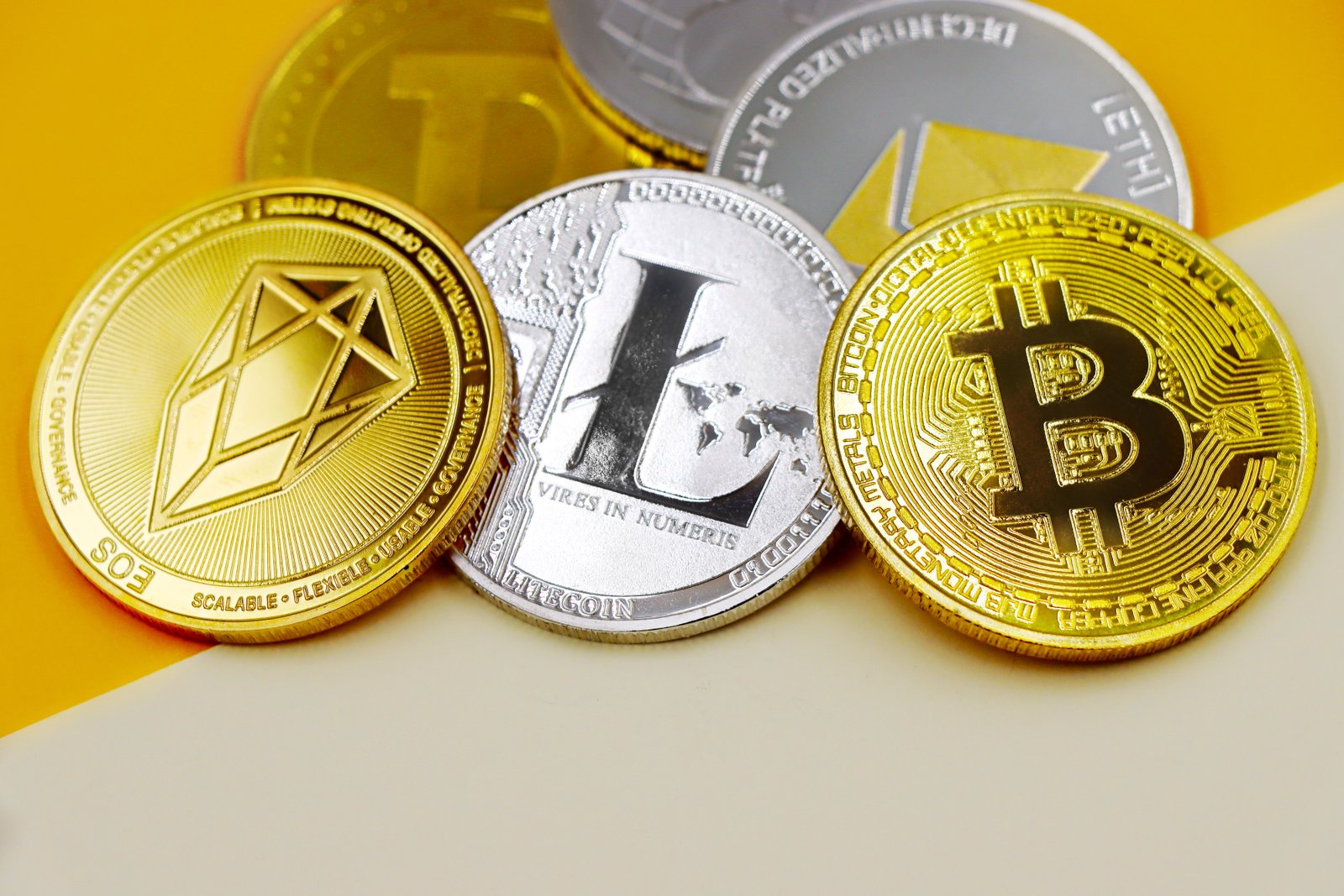
Blockchain technology is being explored to simplify international payment processing and reduce operational complexity.
Blockchain applications include:
- Cross-border settlements
- Transaction verification
- Payment transparency
- Digital asset transfers
- Financial infrastructure modernization
Distributed ledger technology helps streamline payment workflows while improving visibility across international transactions. Blockchain supports payment innovation.
Artificial Intelligence Strengthens Payment Operations
AI enables financial institutions to optimize payment processing and improve operational performance.
Artificial intelligence supports:
- Fraud detection
- Transaction monitoring
- Payment routing
- Risk assessment
- Operational forecasting
Machine learning continuously analyzes payment activity to improve efficiency while reducing financial risks. Intelligent automation enhances payment systems.
Fintech Partnerships Expand Global Connectivity
Banks and fintech companies are collaborating to develop more efficient international payment solutions.
Partnerships focus on:
- Digital payment platforms
- API integration
- Mobile payment services
- Financial innovation
- Customer experience improvement
Collaborative ecosystems accelerate innovation while expanding access to modern payment services. Strategic partnerships strengthen financial connectivity.
Businesses Benefit from Improved Cash Flow
Real-time international payments enable organizations to manage working capital more effectively.
Business benefits include:
- Faster supplier payments
- Improved liquidity
- Better treasury management
- Reduced settlement uncertainty
- Greater operational flexibility
Efficient payment systems help businesses optimize financial operations while supporting global expansion. Faster transactions strengthen business performance.
Transparency Improves Customer Experience
Modern payment platforms provide greater visibility throughout the payment lifecycle.
Enhanced transparency includes:
- Real-time payment tracking
- Transaction status updates
- Fee visibility
- Settlement confirmation
- Digital payment records
Improved visibility increases customer confidence while simplifying financial management. Transparent services enhance trust.
Cybersecurity Protects Global Payment Networks
As digital payment volumes continue increasing, protecting payment infrastructure remains a strategic priority.
Financial institutions strengthen security through:
- Data encryption
- Multi-factor authentication
- Identity verification
- Continuous fraud monitoring
- Secure network infrastructure
Comprehensive cybersecurity safeguards financial transactions while maintaining confidence in digital payment ecosystems. Secure systems support resilient financial services.
Cloud Computing Supports Payment Scalability
Cloud infrastructure enables financial institutions to process growing transaction volumes efficiently.
Cloud platforms provide:
- Scalable processing capacity
- High system availability
- Real-time analytics
- Secure data management
- Continuous service delivery
Flexible infrastructure supports global payment networks while enabling rapid innovation. Cloud technology improves operational resilience.
Challenges Continue
Despite significant technological progress, financial institutions continue facing several implementation challenges.
These include:
- Harmonizing international regulatory requirements
- Integrating legacy payment infrastructure
- Managing cybersecurity risks
- Expanding interoperability between payment networks
- Supporting multiple currencies and jurisdictions
Continued investment in digital payment infrastructure, blockchain research, cloud computing, artificial intelligence, cybersecurity, API connectivity, and international collaboration will remain essential for maximizing the benefits of real-time cross-border payments.
Looking Forward
Real-time cross-border payments are transforming global financial transactions by combining instant payment networks, digital infrastructure, ISO 20022 standards, artificial intelligence, blockchain innovation, and cloud computing into highly connected financial ecosystems.
As international trade and digital commerce continue expanding, real-time payment technologies will play an increasingly important role in improving transaction speed, strengthening financial transparency, enhancing customer experiences, supporting business growth, and modernizing global payment infrastructure. The continued advancement of real-time cross-border payments reflects a broader transformation across the financial industry, where intelligent automation, secure connectivity, standardized messaging, digital innovation, and collaborative financial ecosystems are creating faster, more efficient, and future-ready global payment services.