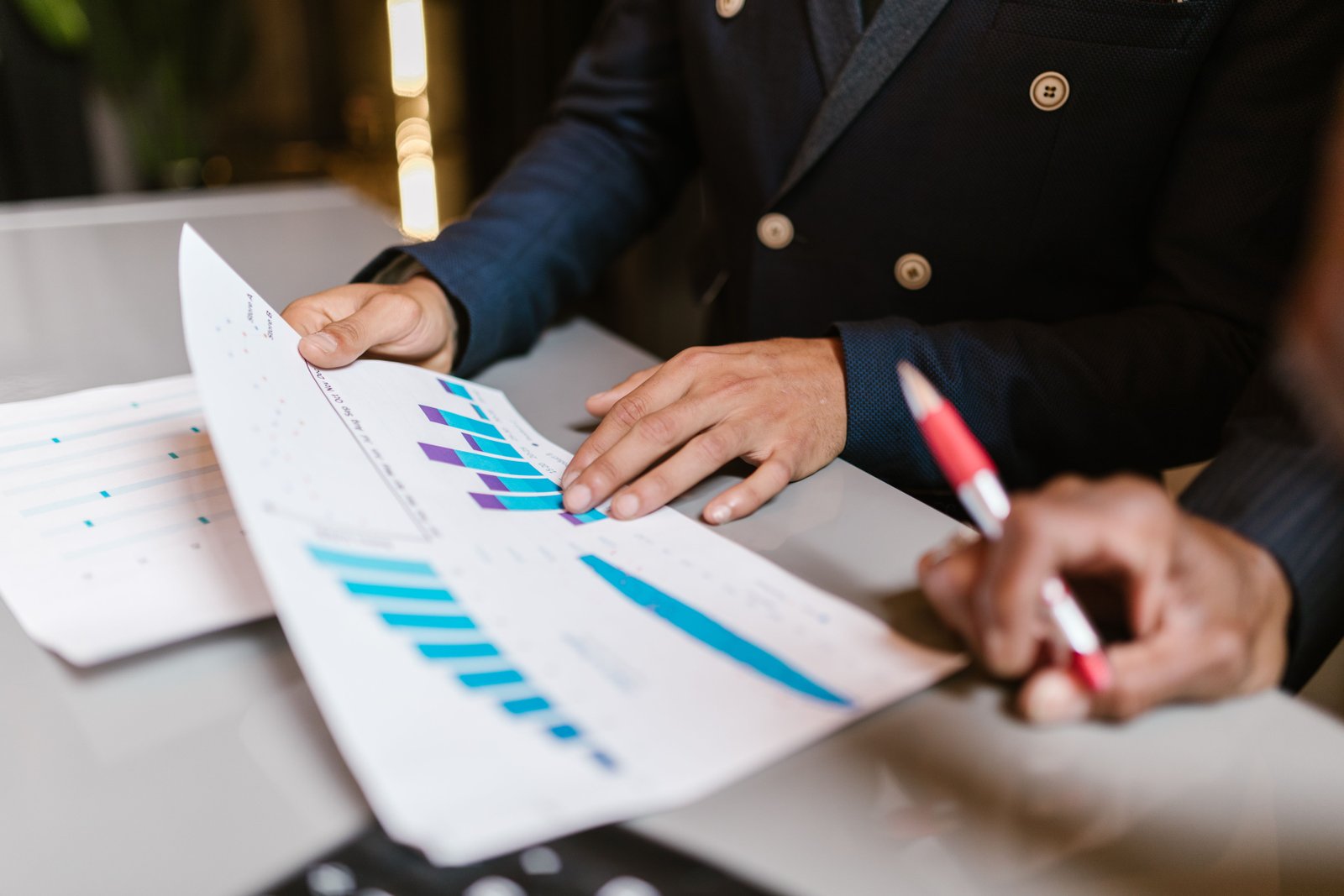
Artificial Intelligence, Predictive Insights, and Real-Time Business Intelligence Are Transforming Retail Strategy
The retail industry is increasingly leveraging data analytics to make faster, smarter, and more informed business decisions. As customer expectations evolve and competition intensifies across physical and digital commerce, retailers are investing in advanced analytics platforms, artificial intelligence (AI), cloud computing, machine learning, and real-time reporting tools to gain deeper insights into customer behavior, sales performance, inventory movement, and operational efficiency.
Traditional retail decision-making often relied on historical reports and periodic performance reviews, limiting the ability to respond quickly to changing market conditions. Today, modern analytics platforms collect and analyze data from multiple sources—including point-of-sale systems, e-commerce websites, mobile applications, loyalty programs, social media, and supply chain operations—to provide real-time visibility into business performance.
Retail chains, supermarkets, fashion brands, department stores, e-commerce companies, technology providers, and analytics firms are collaborating to build data-driven retail ecosystems that improve decision-making while strengthening customer engagement and operational excellence. Industry experts believe data analytics will remain a critical competitive advantage as retailers continue embracing digital transformation and intelligent business management.
Customer Analytics Improve Shopping Experiences
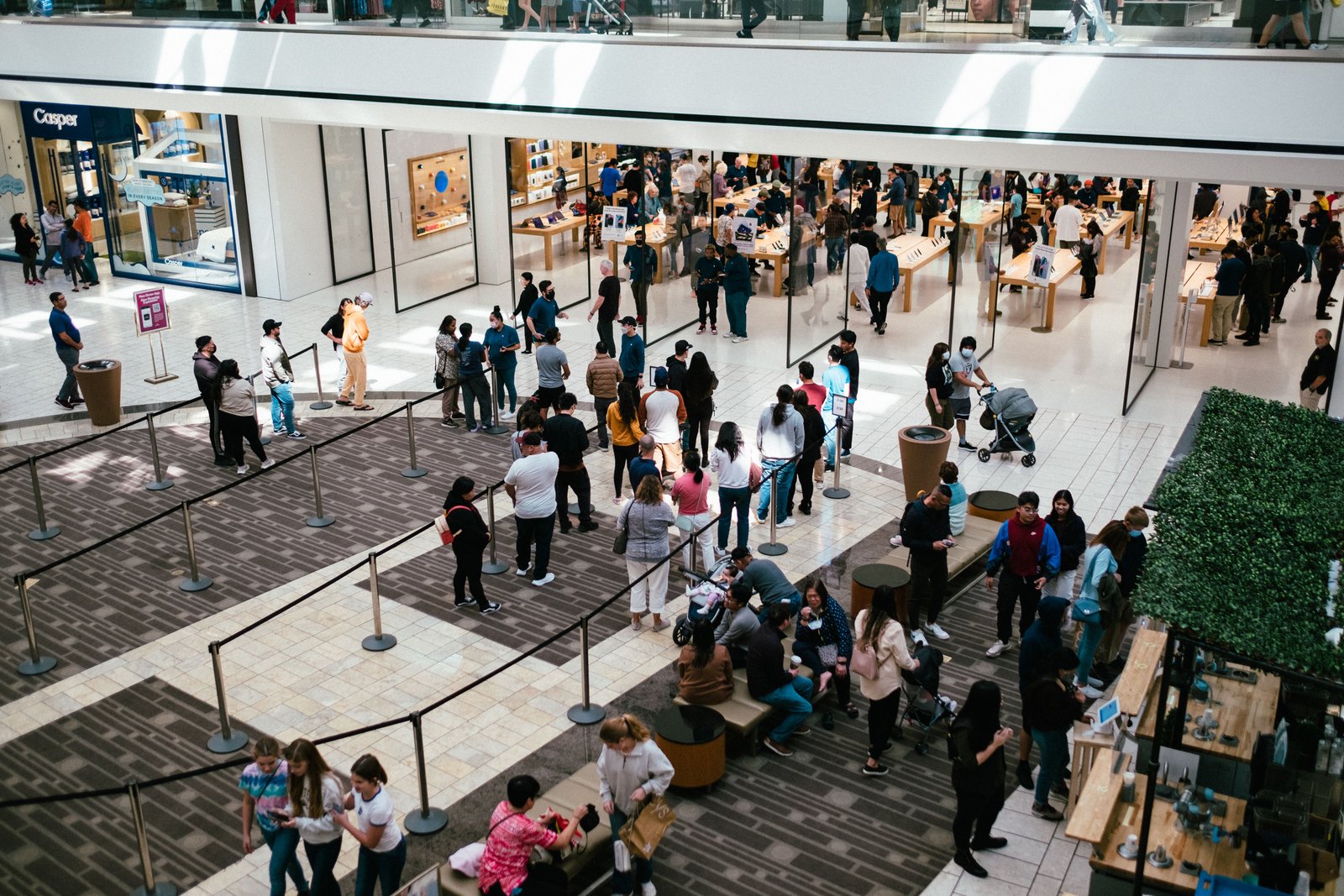
Retailers use customer analytics to better understand purchasing behavior and preferences.
Analytics help organizations evaluate:
- Purchase history
- Shopping frequency
- Product preferences
- Customer demographics
- Seasonal buying trends
- Loyalty program participation
These insights enable retailers to personalize shopping experiences while improving customer satisfaction and retention. Customer intelligence strengthens long-term relationships.
Sales Analytics Support Business Growth
Retail organizations continuously monitor sales performance to identify growth opportunities.
Sales analytics provide visibility into:
- Product performance
- Revenue trends
- Store comparisons
- Category performance
- Promotional effectiveness
Performance analysis helps retailers optimize merchandising strategies while improving overall profitability. Sales insights support strategic planning.
Predictive Analytics Enhances Demand Forecasting
Artificial intelligence and machine learning enable retailers to anticipate future demand with greater accuracy.
Predictive analytics supports:
- Seasonal forecasting
- Inventory planning
- Product replenishment
- Promotional scheduling
- Market trend analysis
Accurate forecasting reduces inventory shortages while minimizing excess stock and operational costs. Predictive intelligence improves business efficiency.
Inventory Analytics Improve Operational Control
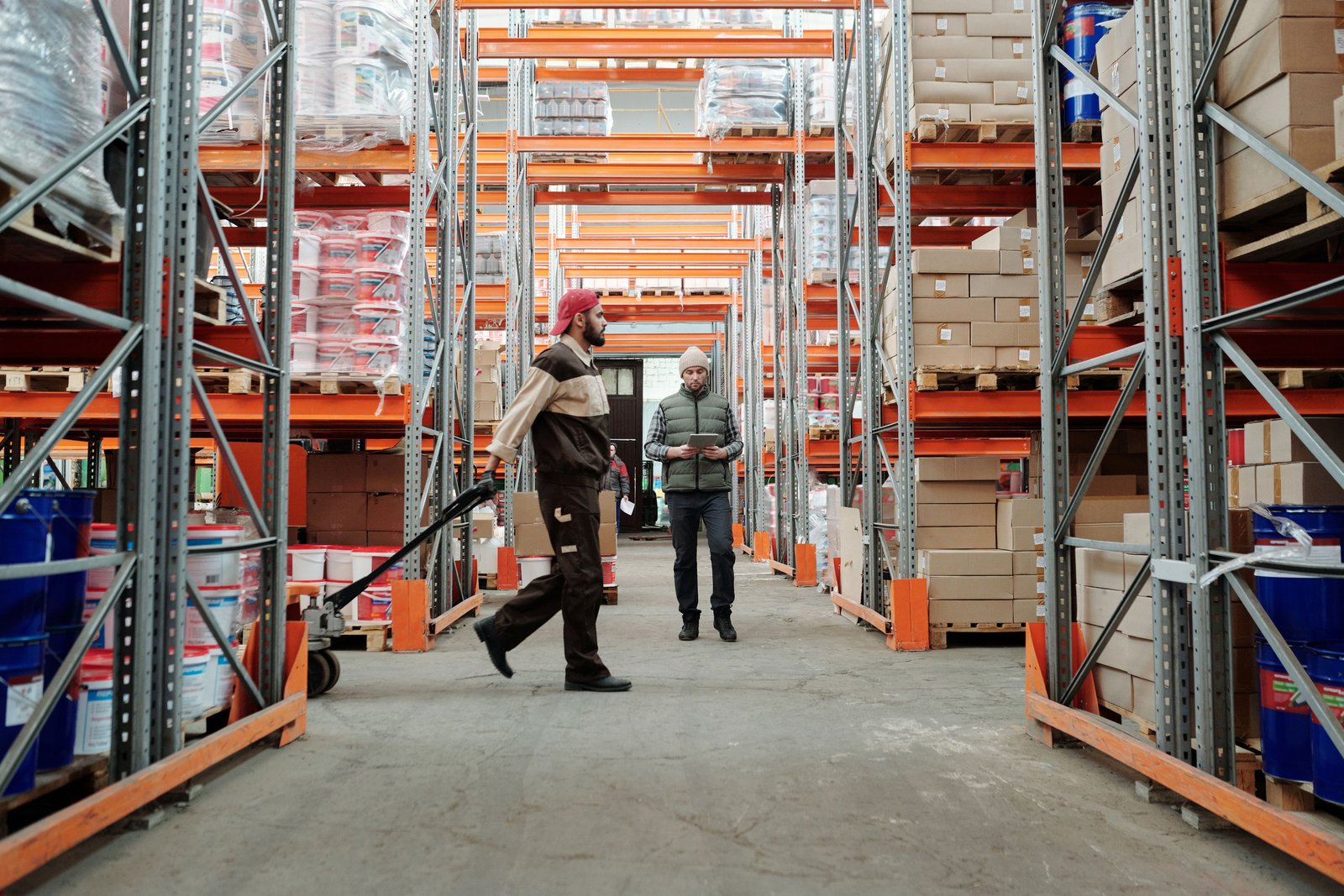
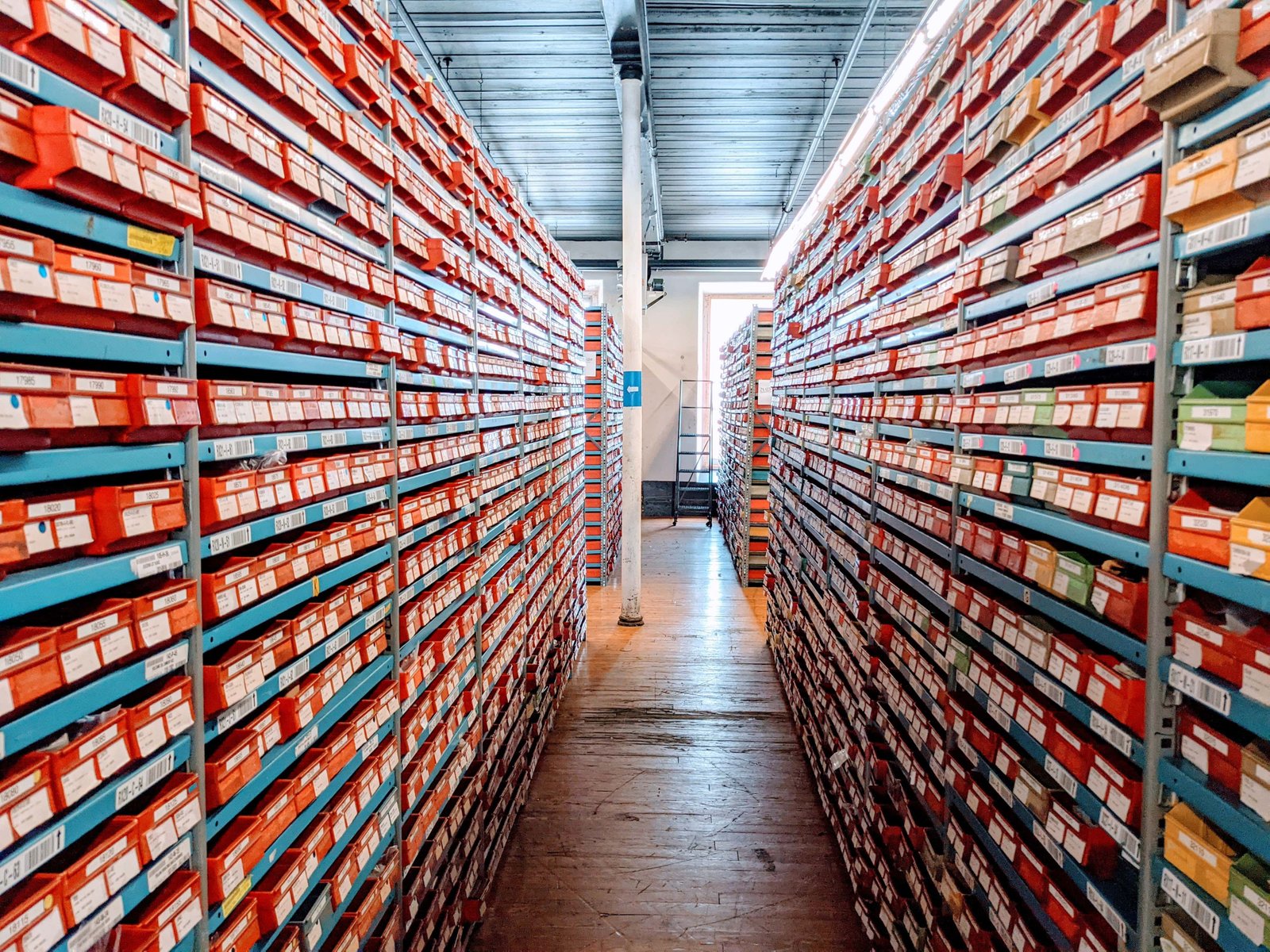
Real-time inventory data enables retailers to maintain optimal stock levels across multiple locations.
Inventory monitoring includes:
- Stock availability
- Warehouse inventory
- Product turnover
- Replenishment status
- Slow-moving inventory
Continuous inventory analysis improves product availability while reducing waste and unnecessary storage costs. Inventory visibility strengthens operational performance.
Real-Time Dashboards Accelerate Decision-Making
Modern analytics platforms provide executives and store managers with live operational insights.
Business dashboards display:
- Sales performance
- Customer activity
- Inventory status
- Store productivity
- Marketing performance
Instant access to operational information enables faster decision-making while improving organizational responsiveness. Real-time intelligence enhances business agility.
Artificial Intelligence Optimizes Retail Operations
AI strengthens retail analytics by identifying patterns that may not be immediately visible through traditional reporting.
AI applications include:
- Customer segmentation
- Dynamic pricing analysis
- Product recommendation optimization
- Demand forecasting
- Operational efficiency monitoring
Machine learning continuously improves analytical accuracy while supporting more informed business strategies. Intelligent automation enhances retail performance.
Marketing Analytics Improve Campaign Performance
Retailers use analytics to measure the effectiveness of marketing activities across multiple channels.
Marketing analytics evaluate:
- Customer engagement
- Campaign performance
- Digital advertising
- Conversion rates
- Customer acquisition
Performance measurement enables organizations to allocate marketing resources more effectively while improving return on investment. Data-driven marketing supports stronger customer engagement.
Cloud-Based Analytics Improve Collaboration
Cloud technology enables retail organizations to access business insights across multiple locations.
Cloud platforms support:
- Centralized reporting
- Multi-store analytics
- Secure data sharing
- Remote access
- Cross-functional collaboration
Data Governance Protects Business Information
Organizations strengthen governance through:
- Secure data storage
- Access controls
- Data encryption
- Privacy compliance
- Cybersecurity monitoring
Responsible data management supports regulatory compliance while maintaining customer trust. Strong governance improves business resilience.
Challenges Continue
Despite significant technological progress, retailers continue facing several implementation challenges.
These include:
- Integrating data from multiple systems
- Maintaining data quality
- Protecting customer privacy
- Workforce analytics training
- Managing increasing volumes of business information
Continued investment in artificial intelligence, cloud analytics, machine learning, cybersecurity, employee development, and digital reporting platforms will remain essential for maximizing the value of retail data analytics.
Looking Forward
Retail data analytics is transforming business decision-making by combining artificial intelligence, predictive insights, real-time dashboards, cloud computing, and advanced reporting into intelligent retail management systems. As competition continues increasing across physical and digital commerce, data-driven decision-making will play an increasingly important role in improving customer engagement, optimizing inventory, strengthening marketing performance, enhancing operational efficiency, and supporting sustainable business growth.
The continued advancement of retail data analytics reflects a broader transformation across the retail industry, where artificial intelligence, digital innovation, business intelligence, and customer-centric strategies are creating smarter, more agile, and future-ready retail organizations.