Connected Technologies, Intelligent Automation, and Seamless Customer Experiences Are Redefining Physical Retail
Retail stores are undergoing a significant transformation as businesses adopt smart technologies to create faster, more convenient, and highly interactive shopping experiences. Driven by changing consumer expectations and rapid advances in digital innovation, retailers are integrating artificial intelligence (AI), Internet of Things (IoT) devices, computer vision, smart shelves, cashier-less checkout systems, and interactive digital displays to modernize traditional brick-and-mortar stores.
Unlike conventional retail environments that relied heavily on manual operations, smart retail stores combine connected technologies that automate inventory management, improve customer service, optimize store operations, and provide real-time business insights. These intelligent retail environments enable businesses to deliver seamless shopping experiences while improving operational efficiency and reducing administrative workloads.
Retail chains, supermarkets, convenience stores, fashion retailers, electronics outlets, technology providers, and payment solution companies are investing in smart retail technologies to strengthen customer engagement and remain competitive in an increasingly digital marketplace. Industry experts believe smart retail stores will become the foundation of future physical retail as organizations continue blending digital innovation with in-store shopping experiences.
Cashier-Less Checkout Improves Shopping Convenience
Retailers are introducing automated checkout technologies that reduce waiting times and simplify the payment process.
Cashier-less systems support:
- Automatic product recognition
- Digital payment processing
- Contactless checkout
- Faster transaction completion
- Reduced checkout queues
Automated payment experiences improve customer convenience while increasing store efficiency. Faster checkout enhances customer satisfaction.
Smart Shelves Improve Inventory Visibility
Connected shelving systems continuously monitor product availability throughout the store.
Smart shelf technologies provide:
- Real-time inventory tracking
- Automatic stock alerts
- Shelf availability monitoring
- Product location management
- Inventory accuracy
Continuous inventory visibility helps retailers replenish products more efficiently while reducing stock shortages. Digital monitoring strengthens inventory management.
Computer Vision Enhances Store Operations
Computer vision technologies enable retailers to analyze store activity with greater accuracy.
Applications include:
- Product recognition
- Shelf monitoring
- Customer traffic analysis
- Store layout optimization
- Inventory verification
Visual intelligence helps retailers improve operational efficiency while supporting better merchandising decisions. Advanced imaging strengthens retail performance.
Interactive Digital Displays Improve Customer Engagement
Retailers are using digital technologies to create more engaging shopping environments.
Interactive solutions include:
- Smart kiosks
- Digital product catalogs
- Touchscreen displays
- Promotional screens
- Self-service information stations
Digital experiences help customers access product information quickly while improving in-store engagement. Technology enriches the shopping journey.
Artificial Intelligence Supports Smarter Retail Decisions
AI enables retailers to optimize store operations using real-time business insights.
Artificial intelligence assists with:
- Demand forecasting
- Product recommendations
- Pricing optimization
- Inventory planning
- Customer behavior analysis
Machine learning continuously evaluates store performance to support informed operational decisions. Intelligent analytics improve retail efficiency.
IoT Connectivity Creates Intelligent Retail Environments
Connected devices enable retailers to monitor multiple aspects of store performance.
IoT systems track:
- Equipment performance
- Energy usage
- Refrigeration systems
- Customer movement
- Store conditions
Real-time monitoring helps organizations improve operational reliability while reducing maintenance costs. Connected infrastructure supports smarter retail management.
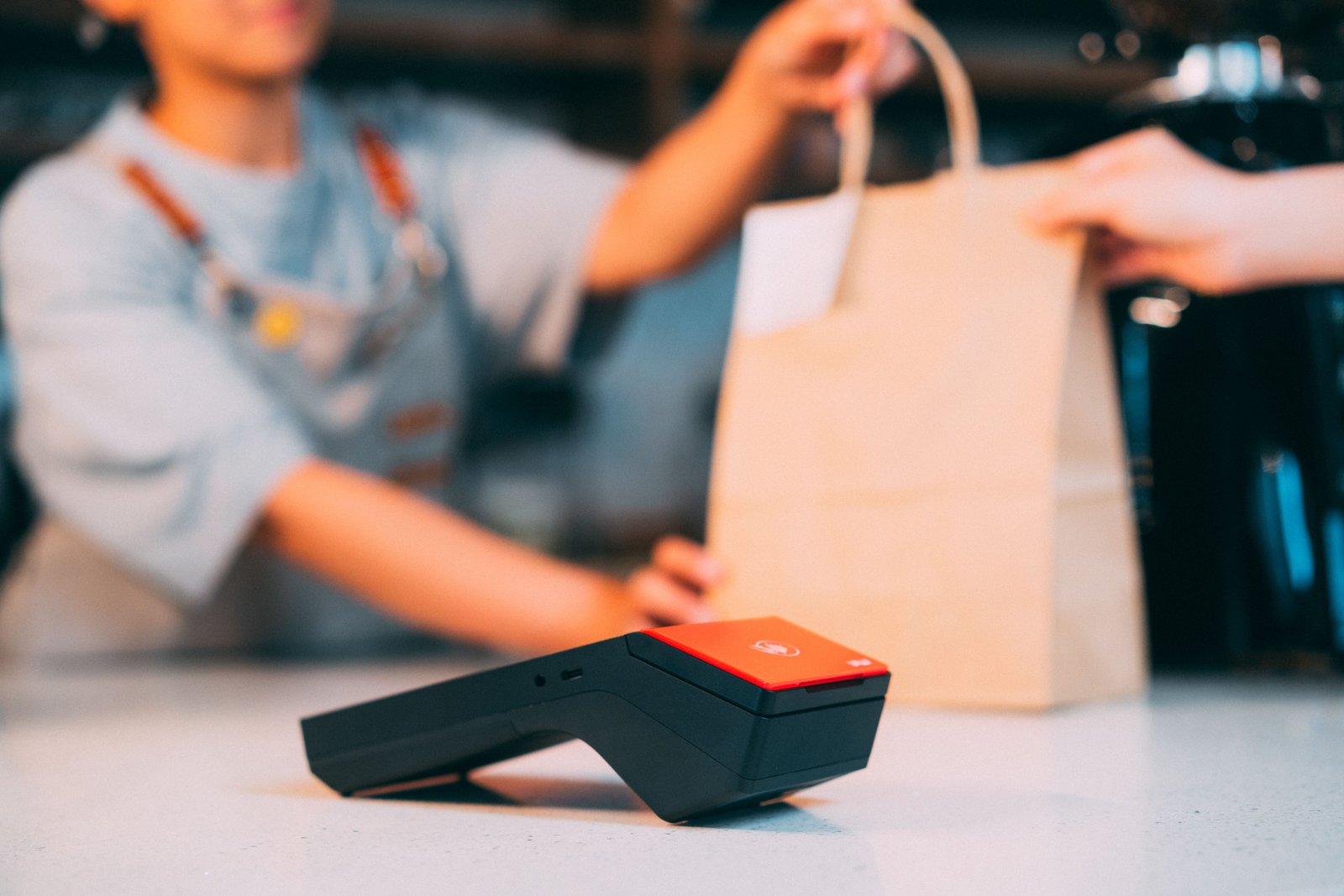
Digital Payments Simplify Transactions
Modern retail stores are expanding secure digital payment options.
Payment technologies include:
- Contactless cards
- Mobile wallets
- QR code payments
- Digital payment terminals
- Secure authentication systems
Flexible payment options improve customer convenience while supporting faster transaction processing. Digital payments strengthen operational efficiency.
Sustainability Becomes Part of Smart Store Design
Retailers are integrating environmentally responsible technologies into store operations.
Sustainability initiatives include:
- Energy-efficient lighting
- Smart climate control
- Digital receipts
- Waste reduction programs
- Energy monitoring systems
Responsible store management reduces environmental impact while lowering operating expenses. Sustainable operations support long-term business value.
Workforce Technology Improves Customer Service
Digital tools help store employees provide faster and more informed assistance.
Employees use technology for:
- Inventory lookup
- Product information
- Mobile checkout
- Customer support
- Order fulfillment
Technology empowers retail teams while improving overall service quality. Digital tools strengthen workforce productivity.
Challenges Continue
Despite rapid innovation, retailers continue facing several implementation challenges.
These include:
- High technology investment
- Integration with existing store infrastructure
- Cybersecurity management
- Employee technology training
- Maintaining customer privacy
Continued investment in artificial intelligence, IoT connectivity, computer vision, digital payment technologies, and workforce development will remain essential for maximizing the value of smart retail stores.
Looking Forward
Smart retail stores are transforming physical shopping by integrating intelligent automation, connected technologies, digital payments, computer vision, and real-time analytics into seamless retail environments.
As customer expectations continue evolving and retailers pursue greater operational efficiency, smart store technologies will play an increasingly important role in improving shopping convenience, optimizing inventory management, strengthening customer engagement, supporting sustainability, and enhancing overall retail performance.
The continued advancement of smart retail stores reflects a broader transformation across the retail industry, where artificial intelligence, digital innovation, intelligent infrastructure, and customer-focused technologies are creating more efficient, engaging, and future-ready shopping destinations.