Intelligent Warehousing, Robotics, and Real-Time Inventory Technologies Are Transforming Retail Operations
The retail industry is accelerating the adoption of supply chain automation as businesses seek to improve inventory accuracy, strengthen fulfillment capabilities, and respond more effectively to changing consumer demand. With product assortments expanding across physical stores and digital marketplaces, retailers are investing in advanced automation technologies that streamline inventory management while increasing operational efficiency throughout the supply chain.
Traditional inventory management often depended on manual stock counts, scheduled replenishment, and disconnected systems, making it difficult to maintain accurate inventory across multiple locations. Today, retailers are integrating robotics, artificial intelligence (AI), radio-frequency identification (RFID), warehouse automation, Internet of Things (IoT) sensors, cloud-based inventory platforms, and predictive analytics to create intelligent supply chains capable of delivering real-time visibility and faster decision-making.
Retail chains, supermarkets, department stores, e-commerce companies, logistics providers, technology firms, and warehouse operators are collaborating to modernize inventory operations through automation while improving customer service and long-term business resilience. Industry experts believe supply chain automation will continue becoming a strategic investment as retailers pursue greater efficiency, flexibility, and operational transparency.
Warehouse Automation Accelerates Inventory Operations
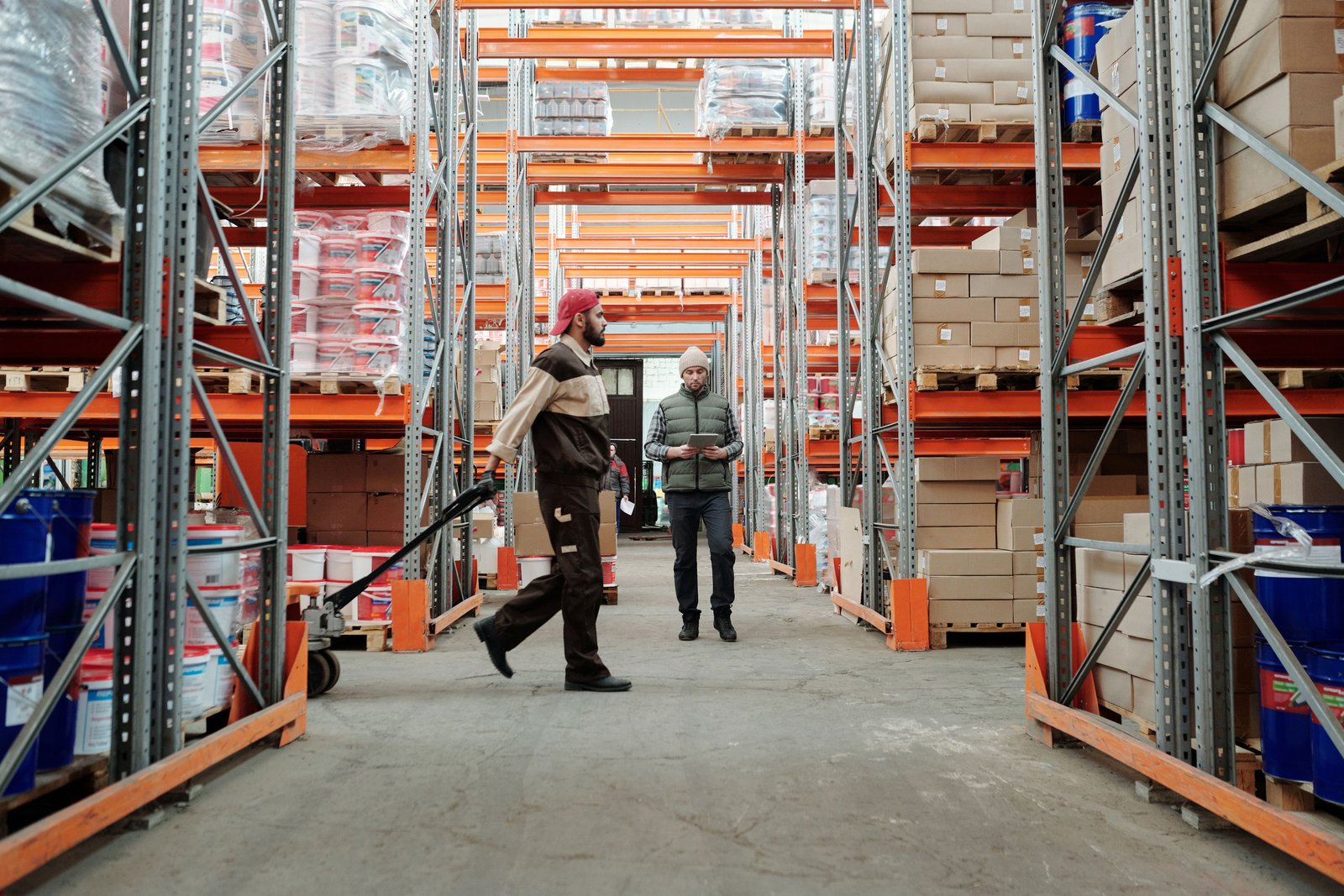
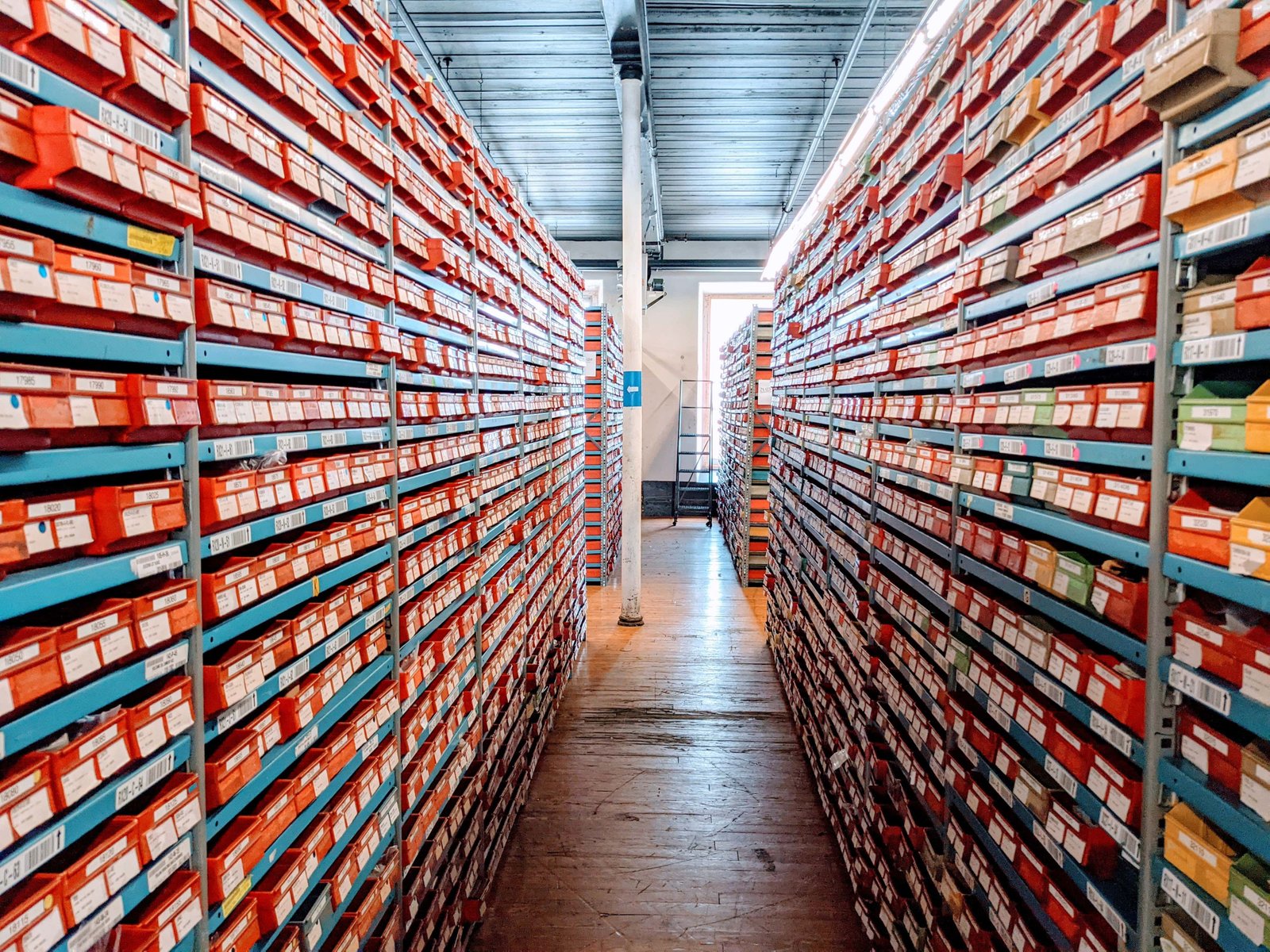
Automated warehouse technologies are improving inventory handling throughout retail distribution centers.
Automation supports:
- Product receiving
- Inventory storage
- Order picking
- Package sorting
- Shipment preparation
- Pallet movement
Automated workflows reduce manual effort while increasing processing speed and operational accuracy. Efficient warehouses strengthen retail fulfillment.
Artificial Intelligence Optimizes Inventory Planning
Artificial intelligence enables retailers to forecast demand more accurately and optimize stock levels.
AI applications include:
- Demand forecasting
- Inventory replenishment
- Product allocation
- Sales trend analysis
- Seasonal planning
Machine learning continuously analyzes purchasing patterns to improve inventory decisions while reducing stock shortages and excess inventory. Intelligent forecasting improves business performance.
RFID Technology Enhances Inventory Accuracy
Retailers are increasingly adopting RFID technology to improve inventory visibility.
RFID systems enable:
- Real-time product tracking
- Automated stock counting
- Inventory verification
- Warehouse monitoring
- Product identification
Digital tracking improves inventory accuracy while reducing time spent on manual stock audits. Automated visibility strengthens operational control.
Cloud Platforms Connect Retail Operations
Cloud-based inventory management systems centralize information across retail locations.
Connected platforms provide:
- Multi-store inventory visibility
- Warehouse coordination
- Supplier communication
- Order management
- Mobile operational access
Centralized information enables retailers to make faster decisions while improving collaboration across supply chain partners. Cloud connectivity supports efficient inventory management.
Robotics Improve Warehouse Productivity
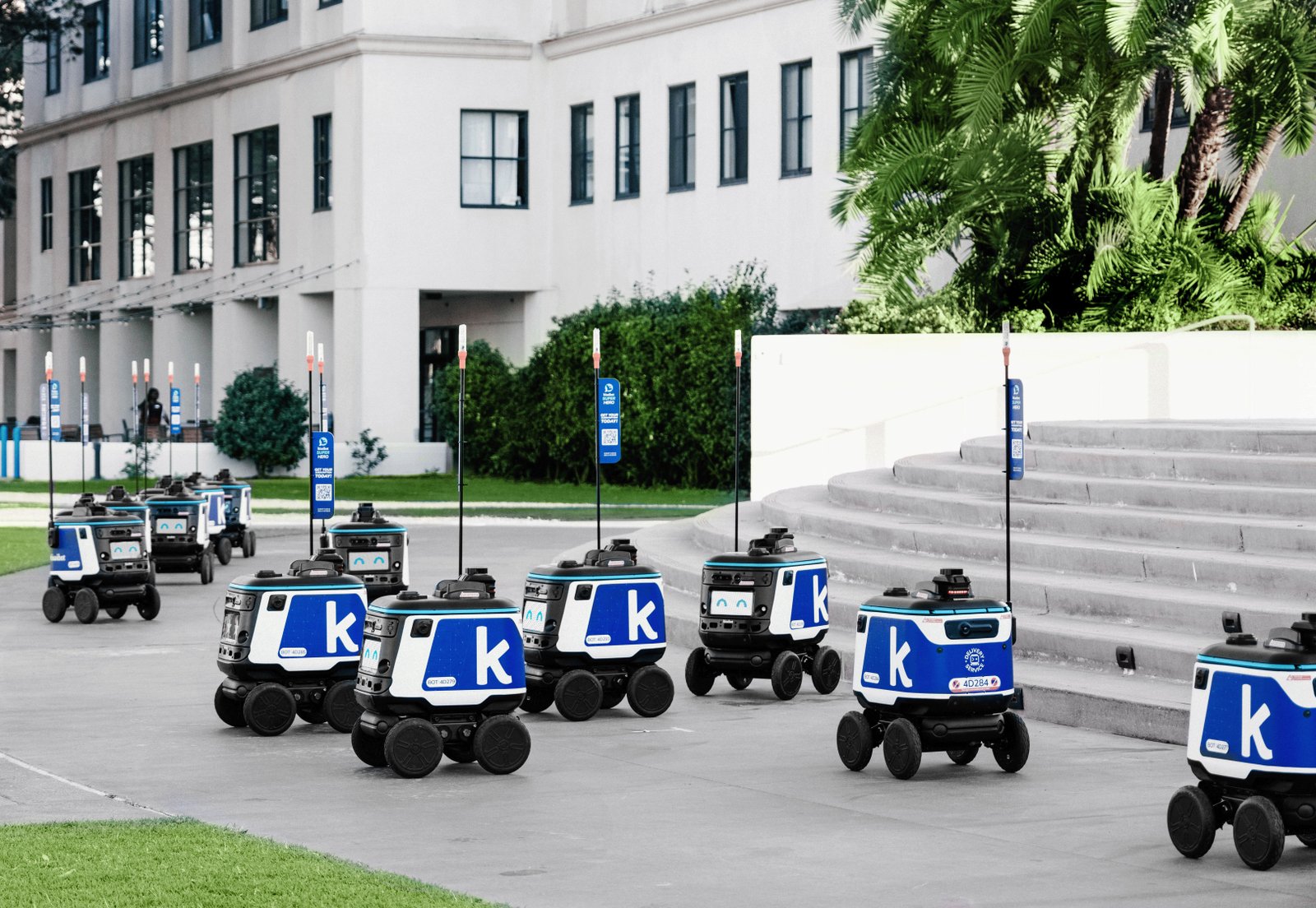
Collaborative robots are becoming an essential part of modern retail fulfillment centers.
Robotic systems assist with:
- Goods transportation
- Shelf replenishment
- Order picking
- Product sorting
- Inventory movement
Robotics improve operational consistency while allowing employees to focus on higher-value activities. Automation enhances warehouse efficiency.
Real-Time Analytics Strengthen Decision-Making
Retail organizations increasingly rely on operational data to optimize inventory performance.
Analytics monitor:
- Inventory turnover
- Stock availability
- Order fulfillment
- Warehouse productivity
- Customer demand
Continuous analysis helps retailers respond quickly to market changes while improving resource planning. Data-driven insights strengthen retail operations.
Automated Replenishment Reduces Stock Shortages
Intelligent inventory systems automatically trigger replenishment based on demand and stock levels.
Automated replenishment supports:
- Timely restocking
- Balanced inventory
- Reduced stockouts
- Improved supplier coordination
- Faster product availability
Automated planning helps retailers maintain product availability while reducing unnecessary inventory carrying costs. Smart replenishment improves customer satisfaction.
Supply Chain Integration Improves Fulfillment
Automation connects every stage of the retail supply chain into one coordinated system.
Integrated operations include:
- Distribution centers
- Warehouses
- Transportation providers
- Retail stores
- E-commerce fulfillment
Connected supply chains improve coordination while enabling faster and more reliable order fulfillment. Integrated logistics strengthen operational resilience.
Sustainability Supports Efficient Supply Chains
Retailers are incorporating environmentally responsible practices into automated supply chain operations.
Sustainability initiatives include:
- Energy-efficient warehouses
- Route optimization
- Waste reduction
- Recyclable packaging
- Efficient resource utilization
Smart automation supports sustainability while improving operational efficiency and reducing environmental impact. Responsible operations create long-term value.
Challenges Continue
Despite rapid technological progress, retailers continue facing several implementation challenges.
These include:
- High automation investment
- Legacy system integration
- Workforce technology training
- Cybersecurity management
- Maintaining accurate data across multiple channels
Continued investment in warehouse automation, artificial intelligence, RFID technology, cloud platforms, analytics, and employee development will remain essential for maximizing the benefits of retail supply chain automation.
Looking Forward
Retail supply chain automation is transforming inventory management by combining intelligent warehousing, robotics, real-time visibility, predictive analytics, and connected digital platforms into highly efficient retail operations. As retail businesses continue expanding across physical and digital channels, automation technologies will play an increasingly important role in improving inventory accuracy, strengthening fulfillment capabilities, reducing operational costs, enhancing customer satisfaction, and supporting sustainable growth.
The continued advancement of retail supply chain automation reflects a broader transformation across the retail industry, where intelligent technologies, digital connectivity, automation, and data-driven decision-making are creating faster, smarter, and more resilient retail supply chains.