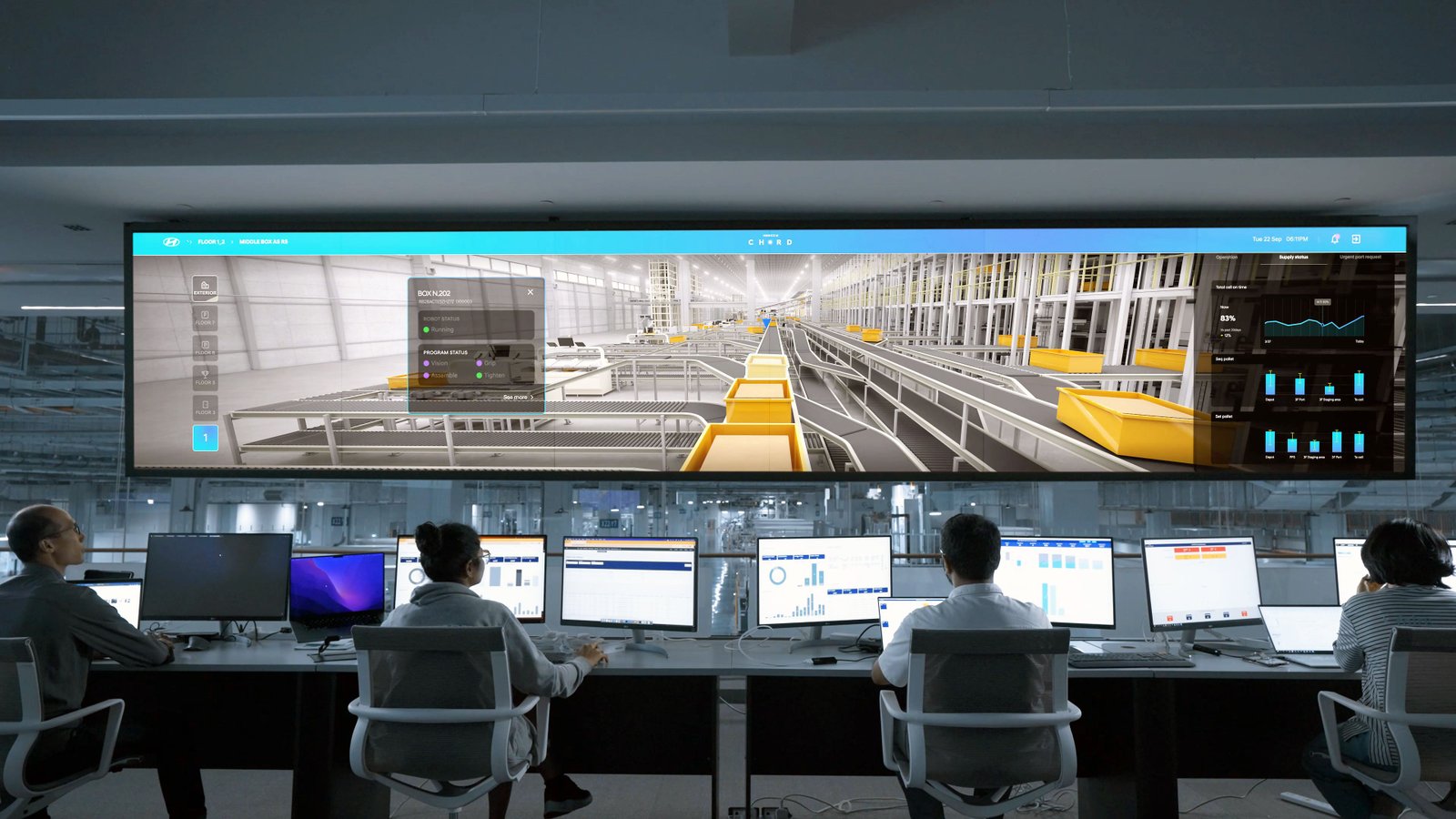
Artificial Intelligence, Edge Computing, and Intelligent IoT Devices Are Enabling Faster Enterprise Decision-Making
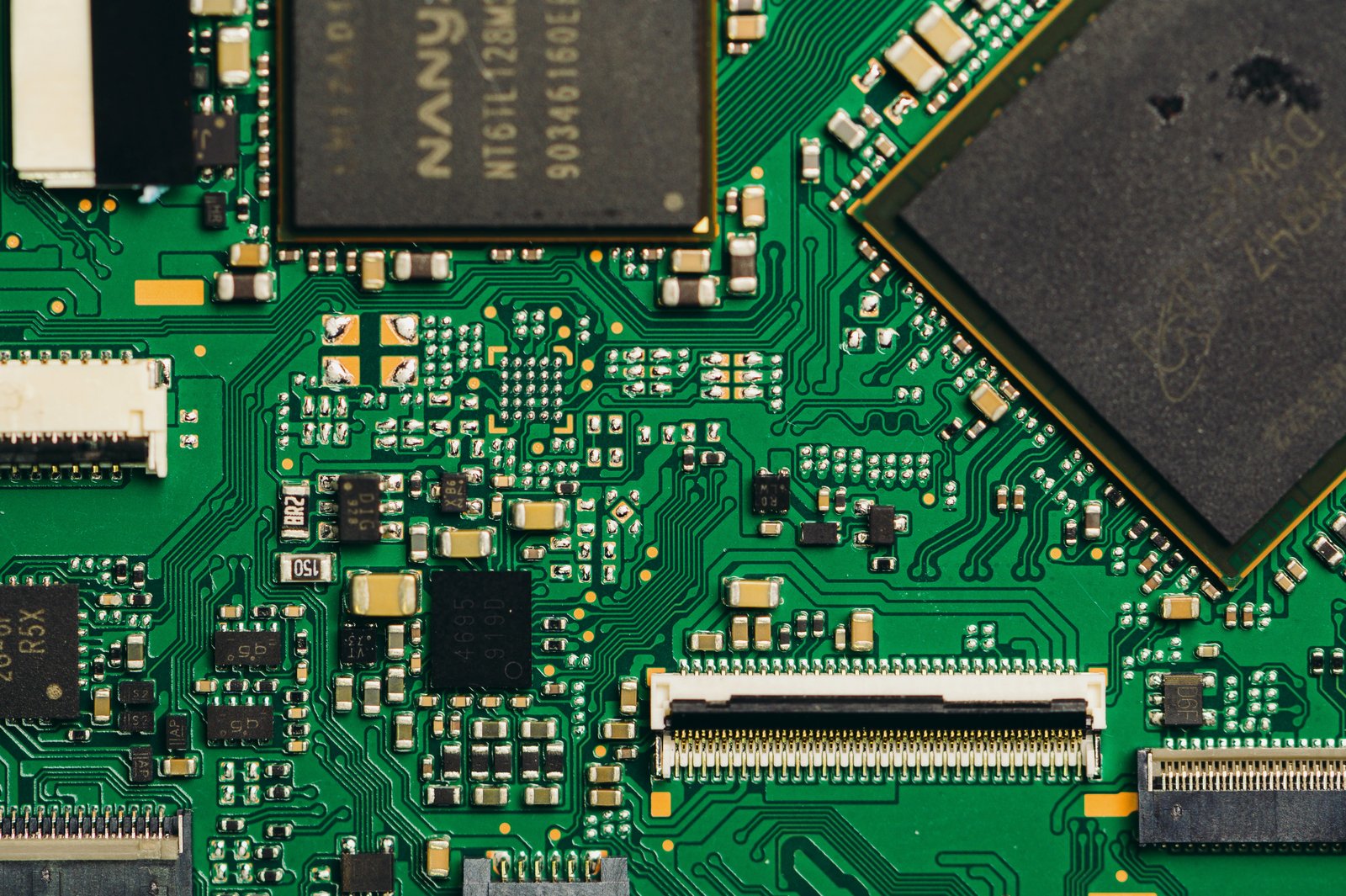
Organizations across multiple industries are increasingly adopting Edge AI to process data closer to where it is generated, enabling faster decision-making, lower latency, and greater operational efficiency. By combining artificial intelligence, edge computing, Internet of Things (IoT) devices, machine learning, and high-performance processors, Edge AI allows businesses to analyze information in real time without relying entirely on centralized cloud infrastructure.
Traditionally, IoT devices transmitted large volumes of data to cloud servers for processing before insights could be generated. While cloud computing remains essential for large-scale analytics and long-term data storage, the growing demand for real-time intelligence has accelerated the deployment of AI directly on industrial equipment, manufacturing systems, autonomous machines, and connected devices. This decentralized approach enables organizations to respond immediately to changing operational conditions while reducing network congestion and improving system reliability.
Manufacturers, logistics providers, telecommunications companies, healthcare organizations, automotive companies, energy providers, and technology firms are investing in Edge AI solutions to improve automation, operational resilience, and digital transformation. Industry experts believe Edge AI will continue becoming a foundational technology as enterprises seek faster, more intelligent, and highly responsive digital operations.
Real-Time Data Processing Reduces Decision Delays
Edge AI processes information directly on local devices rather than sending every data point to distant cloud servers.
Real-time processing supports:
- Instant equipment monitoring
- Automated quality inspections
- Machine performance analysis
- Environmental monitoring
- Operational alerts
Local intelligence enables organizations to respond immediately to changing conditions while improving operational continuity. Faster processing improves business responsiveness.
Intelligent IoT Devices Expand Automation
Connected IoT devices equipped with AI capabilities are transforming industrial operations.
Smart devices support:
- Sensor data analysis
- Equipment monitoring
- Autonomous inspections
- Predictive diagnostics
- Environmental measurements
Embedded intelligence allows devices to analyze information independently while reducing dependence on centralized computing resources. Smart devices strengthen industrial automation.
Predictive Maintenance Improves Equipment Reliability
Edge AI enables continuous monitoring of industrial assets to identify early signs of equipment deterioration.
Predictive maintenance evaluates:
- Machine vibration
- Temperature fluctuations
- Motor performance
- Energy consumption
- Operating conditions
Early detection of potential equipment issues helps organizations reduce unexpected downtime while extending asset life. Predictive intelligence improves operational reliability.
Smart Manufacturing Enhances Production Efficiency
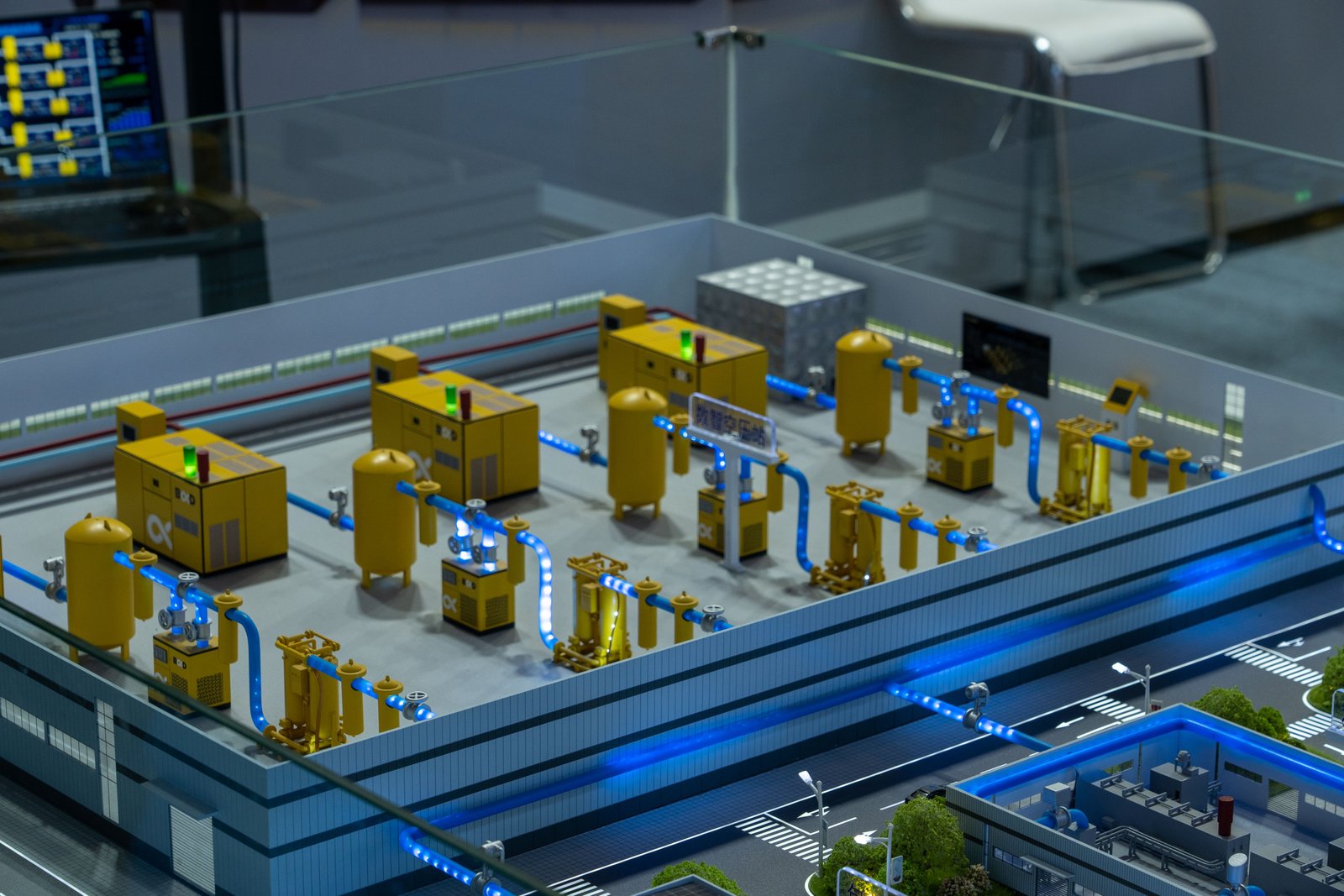
Manufacturing facilities are integrating Edge AI into production environments to optimize operations.
Applications include:
- Automated quality control
- Production monitoring
- Process optimization
- Equipment coordination
- Manufacturing analytics
Real-time intelligence enables manufacturers to maintain consistent product quality while improving production efficiency. Digital manufacturing supports operational excellence.
Autonomous Systems Operate More Efficiently
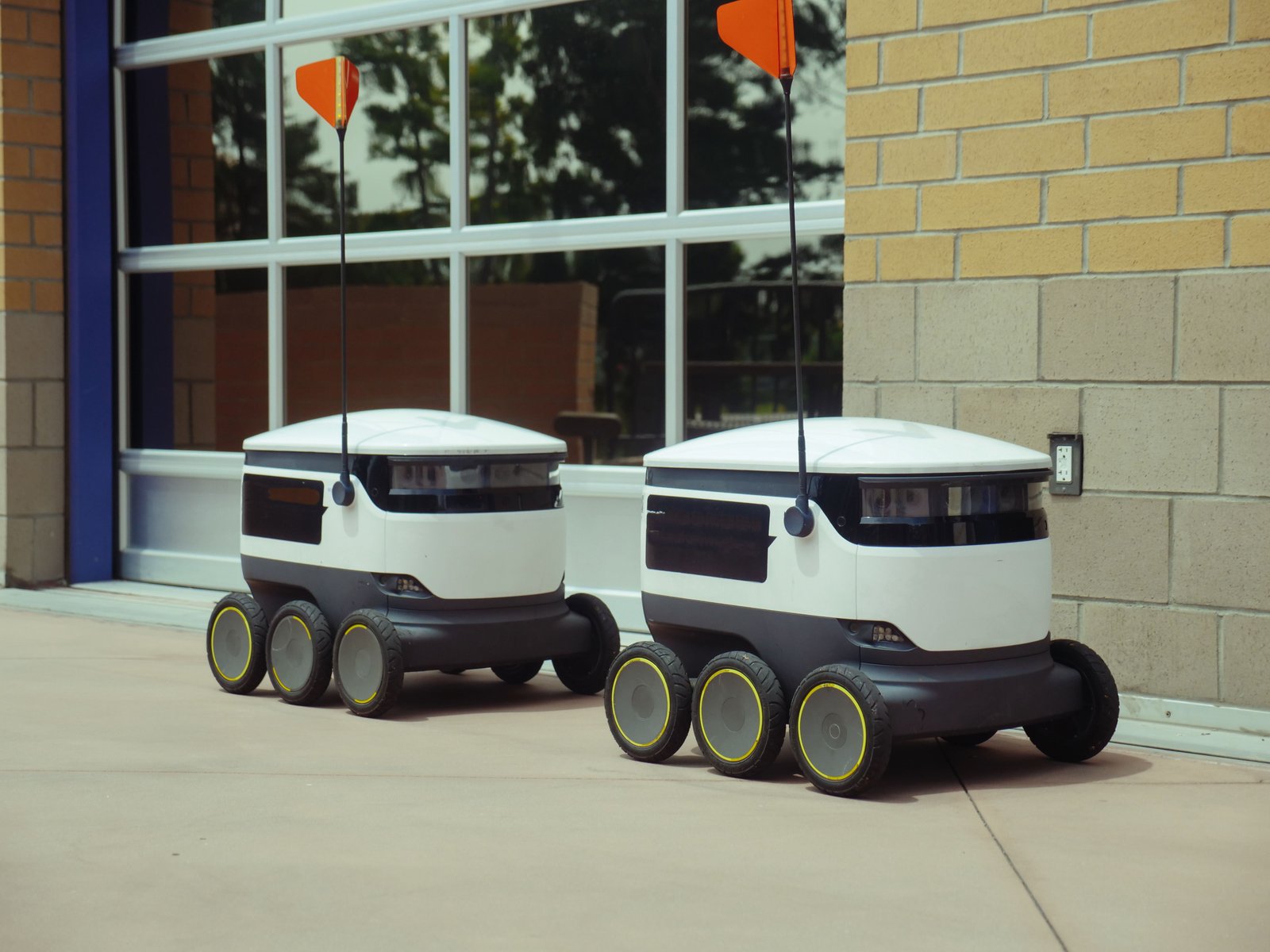
Edge AI enables autonomous machines to make decisions without waiting for cloud-based processing.
Autonomous technologies include:
- Mobile robots
- Automated guided vehicles
- Industrial drones
- Warehouse automation
- Inspection systems
Local AI processing improves navigation, responsiveness, and operational safety in dynamic environments. Autonomous intelligence increases productivity.
Low-Latency Computing Supports Mission-Critical Operations
Many industrial applications require immediate responses that cloud processing alone cannot always provide.
Low-latency computing benefits:
- Industrial automation
- Smart transportation
- Emergency response systems
- Energy infrastructure
- Healthcare equipment
Reducing communication delays improves operational accuracy while supporting time-sensitive decision-making. Fast response enhances system performance.
Artificial Intelligence Optimizes Resource Utilization
Edge AI continuously analyzes operational information to improve efficiency across enterprise environments.
AI supports:
- Energy optimization
- Resource allocation
- Production scheduling
- Inventory monitoring
- Workflow optimization
Continuous learning enables organizations to improve productivity while reducing operational costs. Intelligent optimization strengthens business performance.
Cybersecurity Protects Distributed AI Infrastructure
As Edge AI expands across connected devices, securing distributed computing environments remains essential.
Organizations strengthen security through:
- Device authentication
- Data encryption
- Secure software updates
- Identity management
- Continuous threat monitoring/li>
Comprehensive cybersecurity helps protect industrial systems while maintaining operational reliability. Secure infrastructure supports trusted AI deployment.
Cloud and Edge Computing Work Together
Edge AI complements cloud computing rather than replacing it.
Organizations use hybrid architectures for:
- Local AI processing
- Long-term data storage
- Enterprise analytics
- Model training
- Cross-site coordination
Combining cloud and edge technologies provides greater flexibility while maximizing the strengths of both computing environments. Hybrid infrastructure supports scalable digital transformation.
Challenges Continue
Despite rapid technological progress, organizations continue facing several implementation challenges.
These include:
- Managing large networks of connected devices
- Integrating Edge AI with legacy systems
- Ensuring consistent cybersecurity
- Standardizing AI deployment across locations
- Training technical teams to manage distributed AI infrastructure
Continued investment in artificial intelligence, edge computing hardware, IoT platforms, cybersecurity, semiconductor innovation, cloud integration, and workforce development will remain essential for expanding the capabilities of Edge AI.
Looking Forward
Edge AI is transforming enterprise operations by combining artificial intelligence, intelligent IoT devices, predictive maintenance, autonomous systems, low-latency computing, and hybrid cloud architectures into highly responsive digital ecosystems. As industries continue embracing automation and real-time intelligence, Edge AI will play an increasingly important role in improving manufacturing efficiency, strengthening operational resilience, optimizing resource utilization, enhancing decision-making, and accelerating digital transformation.
The continued advancement of Edge AI reflects a broader transformation across the technology industry, where distributed intelligence, connected devices, advanced computing, automation, and data-driven innovation are creating smarter, faster, and future-ready enterprise operations.