Augmented Reality, Virtual Reality, Mixed Reality, and Immersive Digital Workspaces Are Transforming the Future of Business
Spatial computing is rapidly emerging as one of the most transformative technologies for enterprise collaboration, enabling organizations to blend physical and digital environments through augmented reality (AR), virtual reality (VR), mixed reality (MR), artificial intelligence (AI), and advanced 3D visualization. By creating immersive digital experiences, businesses are improving collaboration, accelerating employee training, enhancing product development, and enabling remote teams to work together more effectively regardless of location.
Traditional collaboration tools such as video conferencing and screen sharing have supported remote work for many years, but they often provide limited interaction with complex products, industrial equipment, or large-scale infrastructure. Spatial computing allows employees to interact with digital objects as though they exist in the physical world, enabling more natural communication, real-time problem-solving, and collaborative decision-making.
Technology companies, manufacturers, healthcare organizations, engineering firms, educational institutions, retail businesses, construction companies, and software developers are investing in spatial computing platforms to improve productivity, strengthen innovation, and modernize workplace collaboration. Industry experts believe spatial computing will become an essential component of enterprise digital transformation as immersive technologies continue advancing and hardware becomes more accessible.
Immersive Collaboration Improves Team Productivity
Spatial computing enables distributed teams to work together inside shared virtual environments.
b
Immersive collaboration supports:
- Virtual meetings
- Interactive brainstorming
- Digital presentations
- Product demonstrations
- Cross-functional collaboration
- Remote project reviews
Three-dimensional workspaces create more engaging interactions while improving communication across geographically distributed teams. Immersive environments strengthen workplace collaboration.
Augmented Reality Supports Field Operations
Augmented reality overlays digital information onto physical environments, helping employees perform tasks more efficiently.
AR applications include:
- Equipment maintenance
- Industrial inspections
- Warehouse operations
- Quality assurance
- Remote technical assistance
Technicians receive step-by-step digital guidance while working, reducing errors and improving operational efficiency. Augmented reality enhances workforce performance.
Virtual Reality Transforms Employee Training
Organizations are using virtual reality to create realistic training environments without disrupting daily operations.
VR training supports:
- Equipment operation
- Workplace safety
- Emergency response simulations
- Technical skill development
- Customer service scenarios
Immersive learning environments allow employees to gain practical experience in safe, controlled settings. Virtual training improves workforce readiness.
Mixed Reality Accelerates Product Development
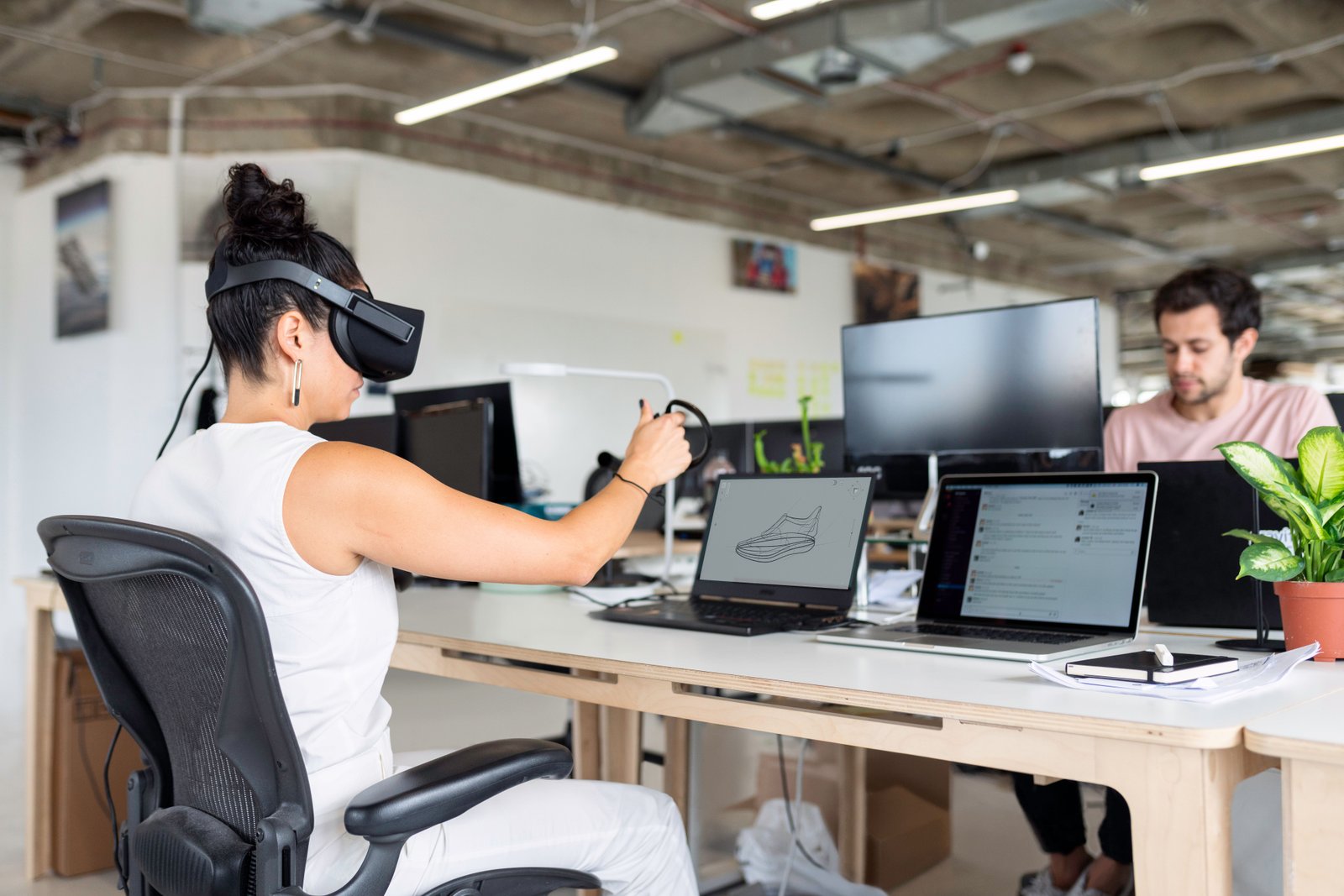
Mixed reality combines digital models with physical environments to improve product design and engineering.
Engineering teams use MR for:
- Prototype visualization
- Design collaboration
- Manufacturing planning
- Product testing
- Engineering reviews
Interactive digital models enable faster design iterations while reducing development costs and project timelines. Mixed reality strengthens product innovation.
Artificial Intelligence Enhances Spatial Experiences
Artificial intelligence improves spatial computing by making digital environments more intelligent and responsive.
AI enables:
- Object recognition
- Voice interaction
- Gesture tracking
- Personalized experiences
- Intelligent automation
Machine learning continuously improves user interactions while making immersive environments more intuitive. AI expands spatial computing capabilities.
Digital Twins Improve Visualization
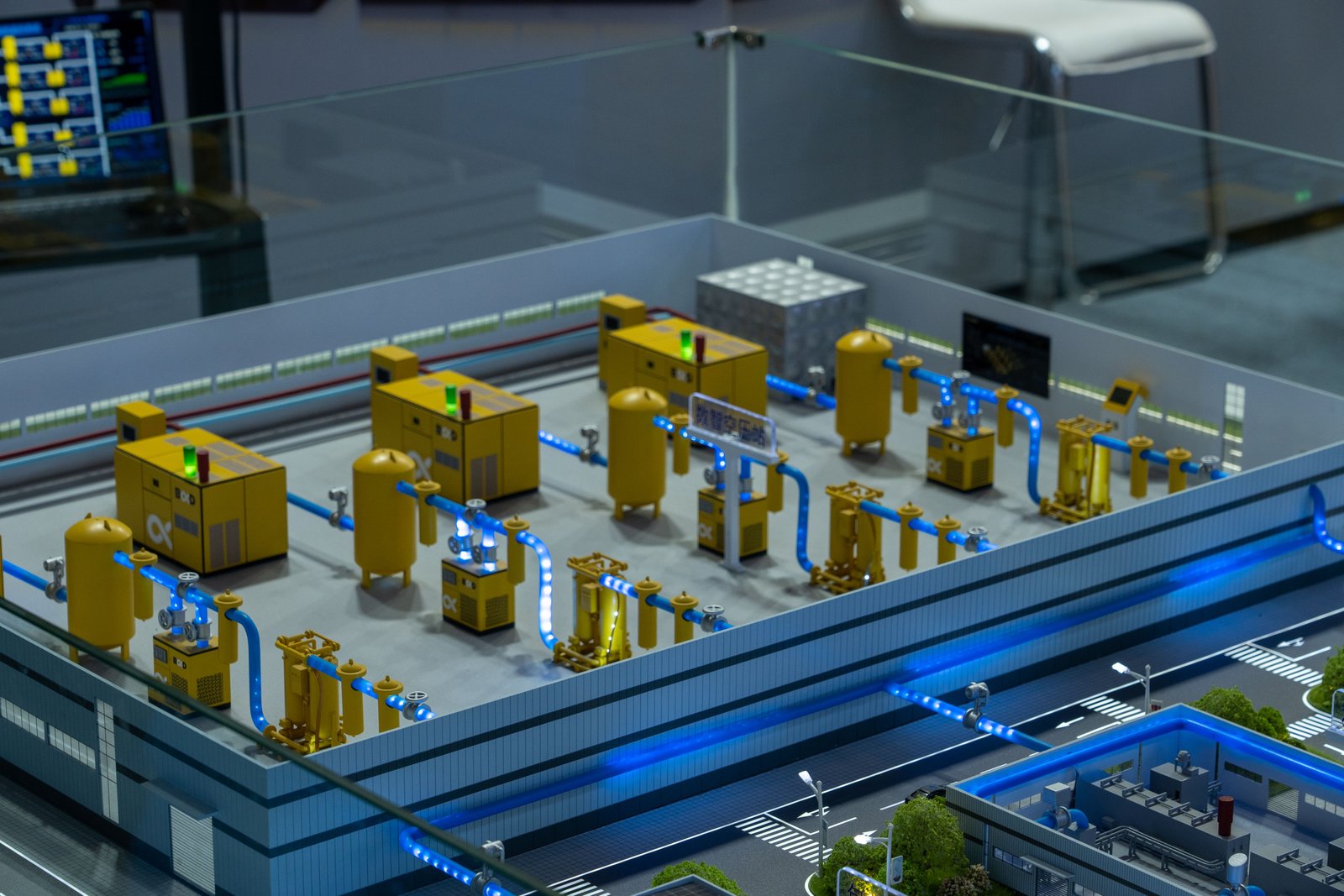
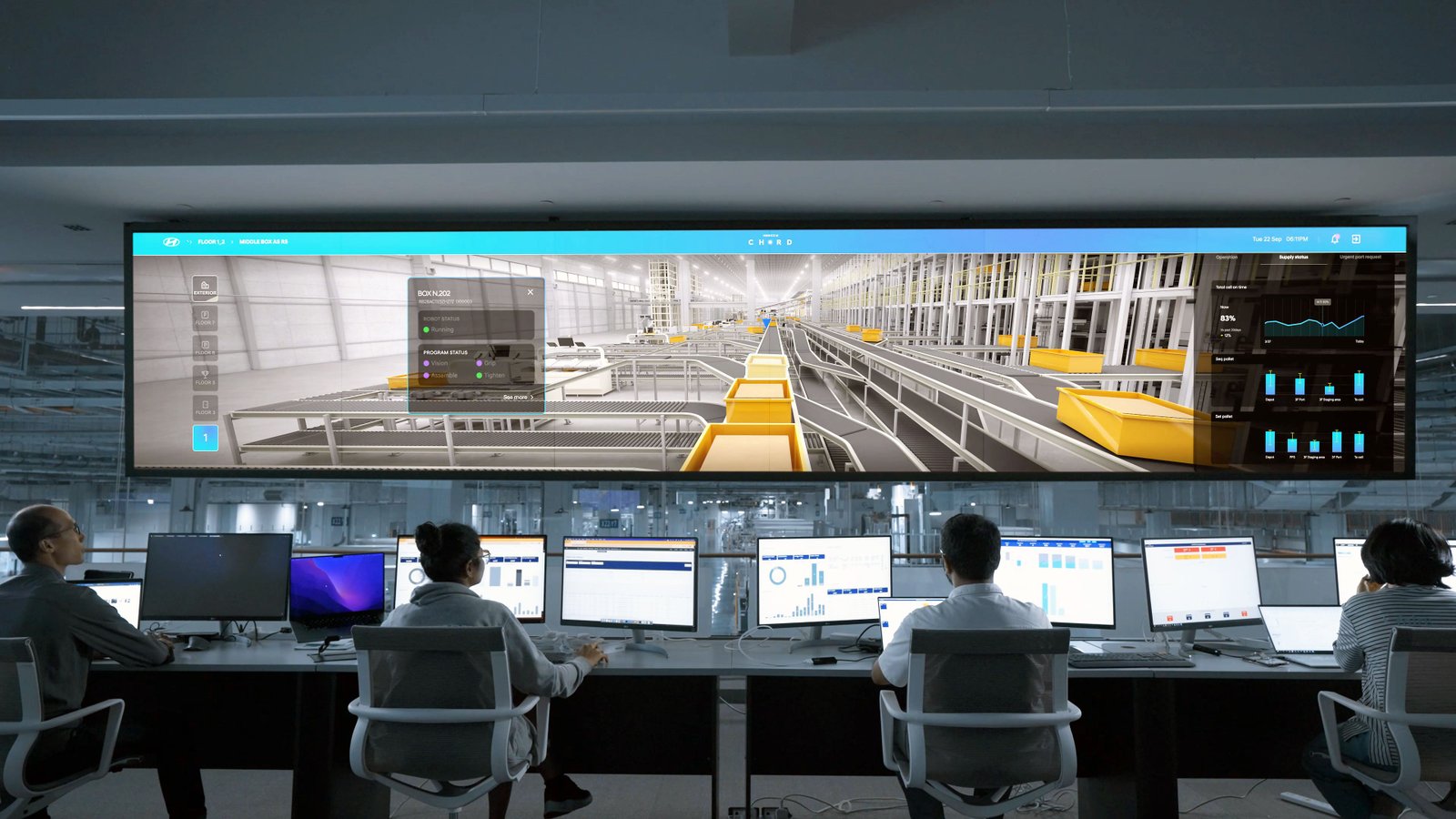
Spatial computing integrates with digital twin technology to create interactive representations of physical assets.
Digital twins support:
- Factory visualization
- Building management
- Infrastructure monitoring
- Equipment simulation
- Operational planning
Interactive 3D environments help organizations analyze complex systems before implementing operational changes. Visualization improves strategic decision-making.
Retail and Customer Experiences Become More Interactive
Retail organizations are using spatial computing to improve customer engagement and shopping experiences.
Applications include:
- Virtual product demonstrations
- Interactive showrooms
- Digital store planning
- Personalized shopping experiences
- Virtual product customization
Immersive experiences help customers make more informed purchasing decisions while strengthening brand engagement. Spatial technologies enhance customer interaction.
Healthcare and Education Expand Digital Learning
Healthcare providers and educational institutions are adopting spatial computing to improve knowledge sharing.
Applications include:
- Medical training
- Surgical planning
- Anatomy visualization
- Classroom simulations
- Interactive learning environments
Immersive education improves understanding of complex concepts while supporting practical skill development. Digital learning accelerates knowledge transfer.
Cybersecurity and Privacy Remain Essential
As immersive platforms process increasing volumes of user and organizational data, protecting digital environments remains a strategic priority.
Organizations strengthen security through:
- Identity authentication
- Secure device management
- Data encryption
- Access controls
- Privacy governance
Comprehensive cybersecurity helps protect enterprise information while maintaining trust in immersive digital technologies. Secure environments support responsible innovation.
Challenges Continue
Despite rapid technological progress, organizations continue facing several implementation challenges.
These include:
- High hardware investment costs
- Integrating immersive platforms with existing enterprise systems
- Workforce adoption and training
- Content development requirements
- Ensuring interoperability across devices and software platforms
Continued investment in artificial intelligence, cloud computing, extended reality hardware, 5G connectivity, software development, cybersecurity, and workforce education will remain essential for maximizing the benefits of spatial computing.
Looking Forward
Spatial computing is transforming enterprise collaboration by combining augmented reality, virtual reality, mixed reality, artificial intelligence, digital twins, and immersive workspaces into highly interactive business environments. As organizations continue embracing digital transformation, spatial computing will play an increasingly important role in improving collaboration, accelerating product development, strengthening employee training, enhancing customer experiences, and enabling more effective remote operations.
The continued advancement of spatial computing reflects a broader transformation across the technology industry, where immersive technologies, artificial intelligence, cloud computing, intelligent connectivity, and digital innovation are creating more collaborative, productive, and future-ready enterprises.