AI-Powered Simulations, IoT Sensors, and Virtual Asset Models Are Transforming Manufacturing and Infrastructure Management
Industrial organizations are increasingly adopting digital twin platforms to improve operational efficiency, optimize asset performance, and support data-driven decision-making. By creating virtual replicas of physical equipment, production facilities, infrastructure, and industrial processes, digital twin technology enables organizations to monitor operations in real time, simulate future scenarios, and identify opportunities for continuous improvement. Combined with artificial intelligence (AI), Internet of Things (IoT) sensors, cloud computing, and advanced analytics, digital twins are becoming a critical component of Industry 4.0 initiatives.
Traditional asset management often relied on scheduled inspections, historical reports, and manual performance analysis. Today, digital twins continuously receive live data from connected equipment, allowing organizations to visualize operational conditions, predict equipment behavior, and optimize maintenance strategies before disruptions occur.
Manufacturers, energy providers, transportation companies, construction firms, utilities, mining organizations, aerospace companies, and technology providers are investing in digital twin platforms to improve productivity, reduce operational risks, and accelerate digital transformation. Industry experts believe digital twins will become an essential technology for industrial operations as businesses continue integrating intelligent automation, connected devices, and predictive analytics into enterprise environments.
Virtual Asset Models Improve Operational Visibility
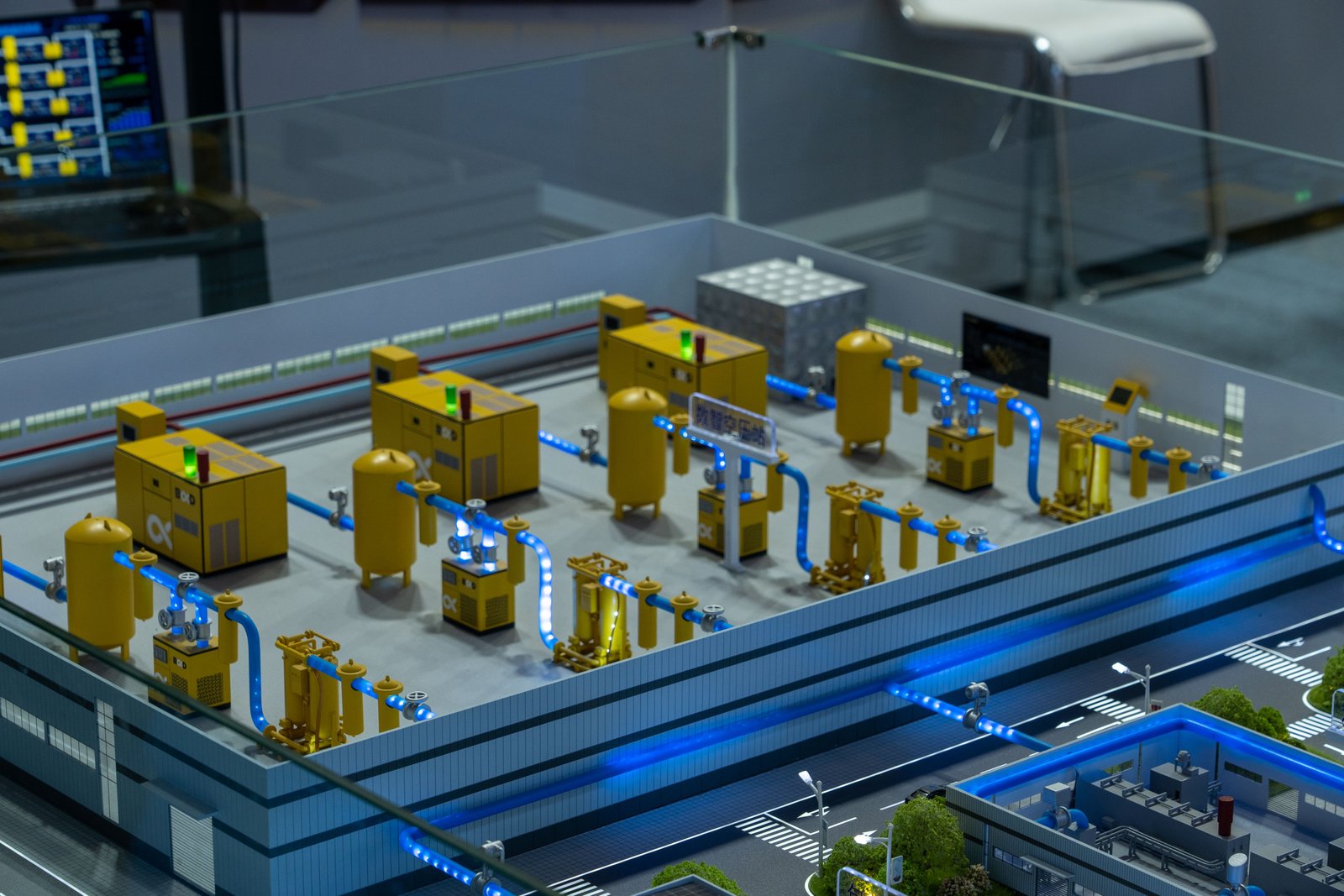
Digital twins provide dynamic virtual representations of physical assets that continuously update using live operational data.
Digital models include:
- Manufacturing equipment
- Production lines
- Industrial facilities
- Power systems
- Transportation infrastructure
- Warehouse operations
Real-time visualization allows engineers and operators to understand equipment performance while identifying operational improvements more quickly. Virtual models enhance operational awareness.
IoT Sensors Deliver Continuous Data
Connected IoT sensors collect operational information that keeps digital twins synchronized with physical assets.
Sensor networks monitor:
- Temperature
- Pressure
- Vibration
- Energy consumption
- Equipment utilization
- Environmental conditions
Continuous data collection enables organizations to detect performance changes while supporting more informed operational decisions. Connected intelligence strengthens industrial monitoring.
Artificial Intelligence Optimizes Performance
Artificial intelligence analyzes digital twin data to identify patterns and recommend operational improvements.
AI supports:
- Performance optimization
- Equipment diagnostics
- Process improvement
- Resource planning
- Operational forecasting
Machine learning continuously evaluates industrial performance to improve productivity while reducing inefficiencies. Intelligent analytics strengthen decision-making.
Predictive Maintenance Reduces Downtime
Digital twin platforms help organizations identify equipment issues before failures occur.
Predictive maintenance evaluates:
- Component wear
- Equipment health
- Operating conditions
- Maintenance history
- Performance trends
Early detection of maintenance requirements minimizes unexpected shutdowns while extending equipment life. Predictive maintenance improves operational reliability.
Manufacturing Simulation Improves Production Planning
Manufacturers use digital twins to simulate production scenarios before implementing operational changes.
Simulation capabilities include:
- Production scheduling
- Factory layout optimization
- Workflow analysis
- Capacity planning
- Quality improvement
Virtual testing reduces implementation risks while enabling organizations to optimize manufacturing processes more efficiently. Simulation supports operational excellence.
Energy Management Enhances Sustainability
Digital twin technology helps industrial organizations improve energy efficiency.
Energy optimization includes:
- Power consumption monitoring
- Equipment efficiency analysis
- Utility management
- Carbon emission tracking
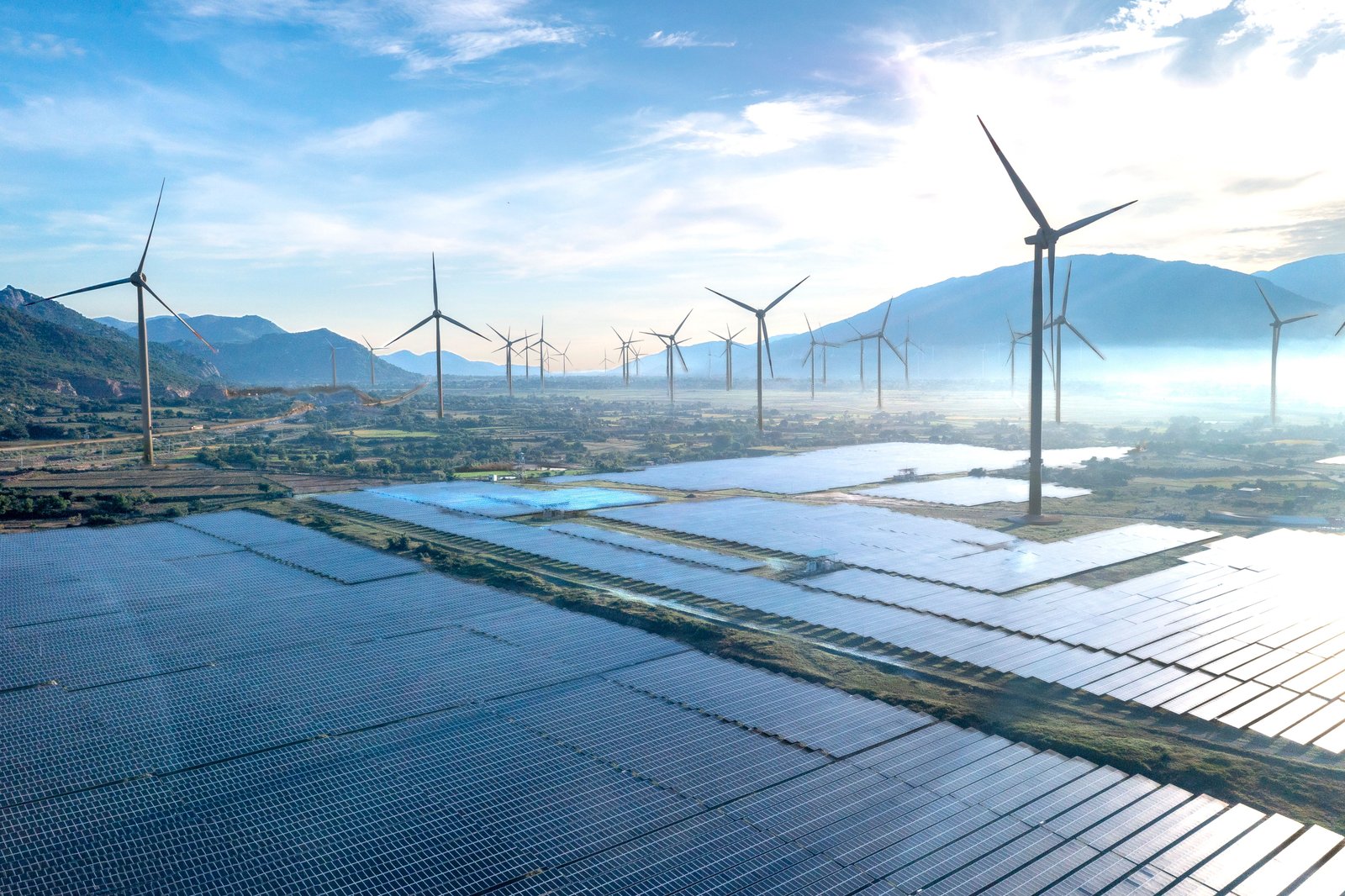
- Renewable energy integration
Data-driven energy management supports sustainability initiatives while reducing operational costs. Efficient resource use strengthens environmental performance.
Remote Asset Management Expands Operational Control
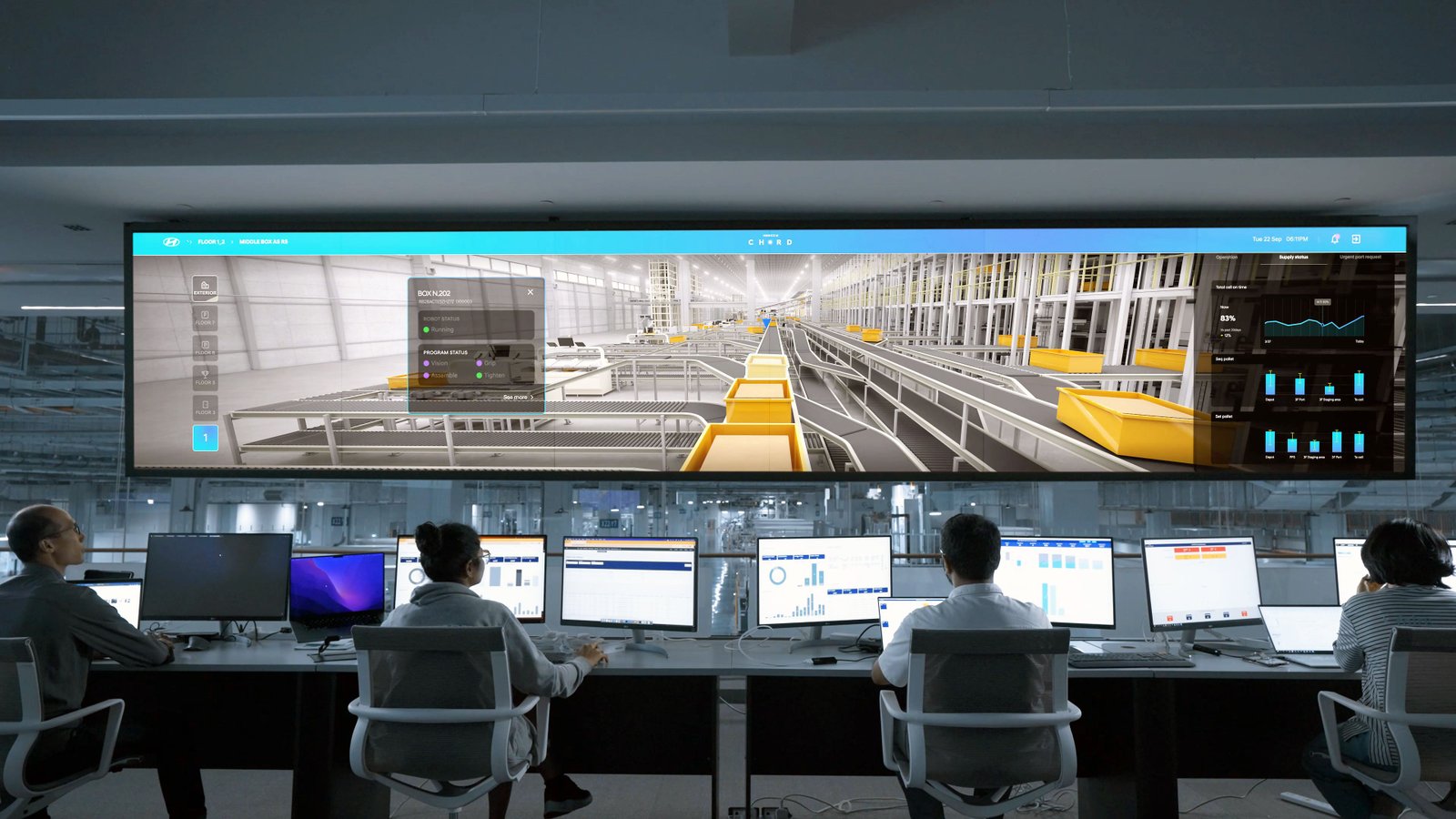
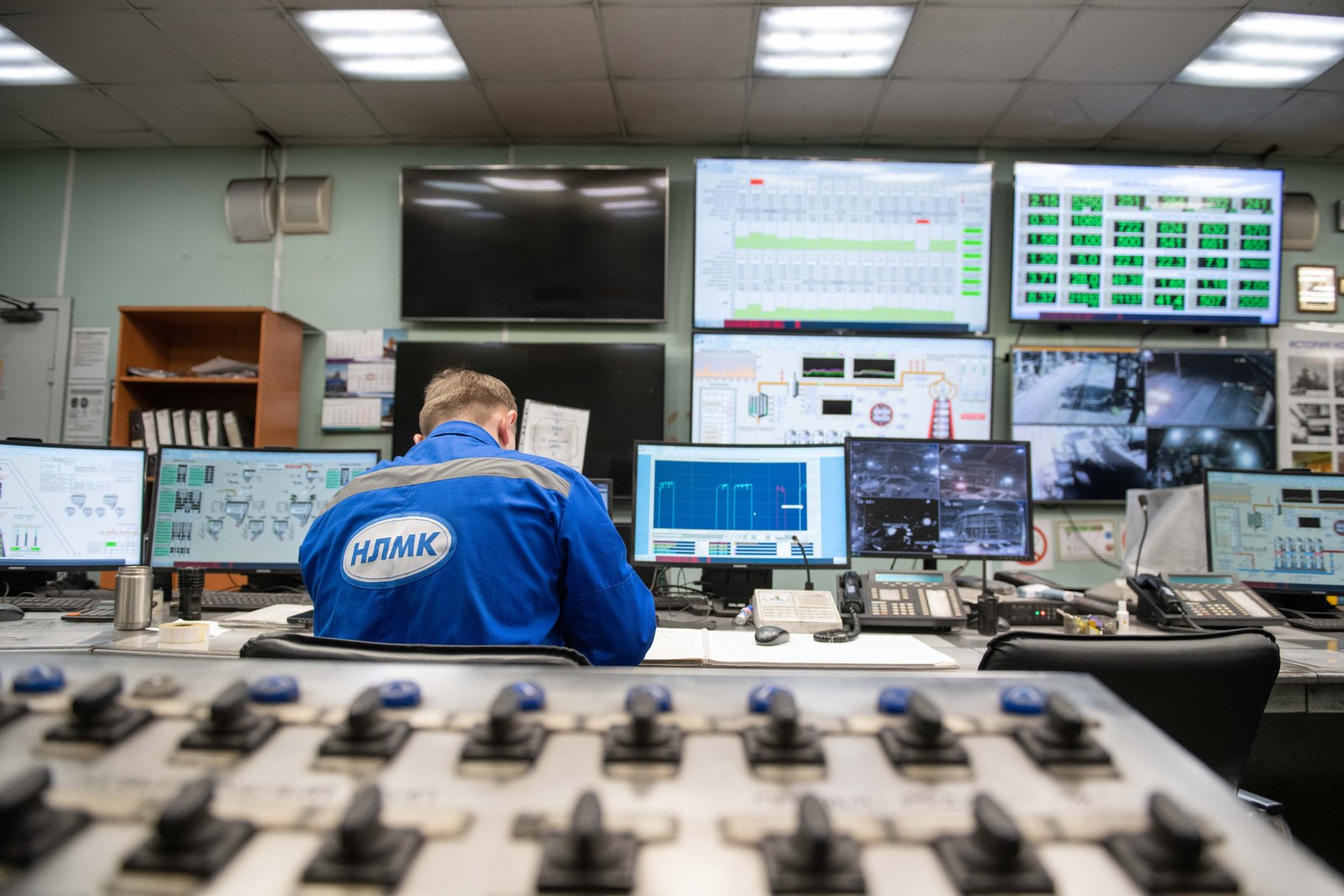
Digital twins enable engineers to monitor industrial assets from centralized control environments.
Remote management supports:
- Multi-site monitoring
- Equipment diagnostics
- Operational reporting
- Performance benchmarking
- Maintenance coordination
Centralized oversight improves decision-making while increasing operational flexibility across geographically distributed facilities. Remote visibility strengthens enterprise management.
Cloud Platforms Enable Scalable Collaboration
Cloud computing allows digital twin platforms to connect teams across multiple locations.
Cloud-based collaboration supports:
- Secure data sharing
- Engineering collaboration
- Enterprise analytics
- Digital reporting
- Cross-functional coordination
Connected digital environments improve communication while accelerating operational improvements. Cloud infrastructure supports scalable innovation.
Cybersecurity Protects Connected Industrial Systems
As digital twins connect critical industrial infrastructure, cybersecurity remains a strategic priority.
Organizations strengthen protection through:
- Secure device authentication
- Data encryption
- Network segmentation
- Continuous threat monitoring
- Identity and access management
Comprehensive cybersecurity safeguards industrial operations while maintaining the integrity of connected systems. Secure infrastructure supports trusted digital transformation.
Challenges Continue
Despite rapid technological progress, organizations continue facing several implementation challenges.
These include:
- Integrating legacy industrial systems
- Standardizing data across multiple assets
- Maintaining interoperability between platforms
- Protecting connected infrastructure from cyber threats
- Developing skilled digital engineering workforces
Continued investment in artificial intelligence, IoT infrastructure, cloud computing, industrial cybersecurity, advanced analytics, workforce development, and digital engineering will remain essential for maximizing the value of digital twin platforms.
Looking Forward
Digital twin platforms are transforming industrial operations by combining virtual asset modeling, artificial intelligence, IoT sensors, predictive maintenance, cloud computing, and real-time analytics into intelligent operational ecosystems. As industries continue embracing digital transformation, digital twins will play an increasingly important role in optimizing production, improving asset reliability, enhancing sustainability, strengthening operational resilience, and accelerating enterprise innovation.
The continued advancement of digital twin technology reflects a broader transformation across the technology industry, where intelligent automation, connected infrastructure, predictive analytics, cloud platforms, and data-driven decision-making are creating smarter, more efficient, and future-ready industrial operations.