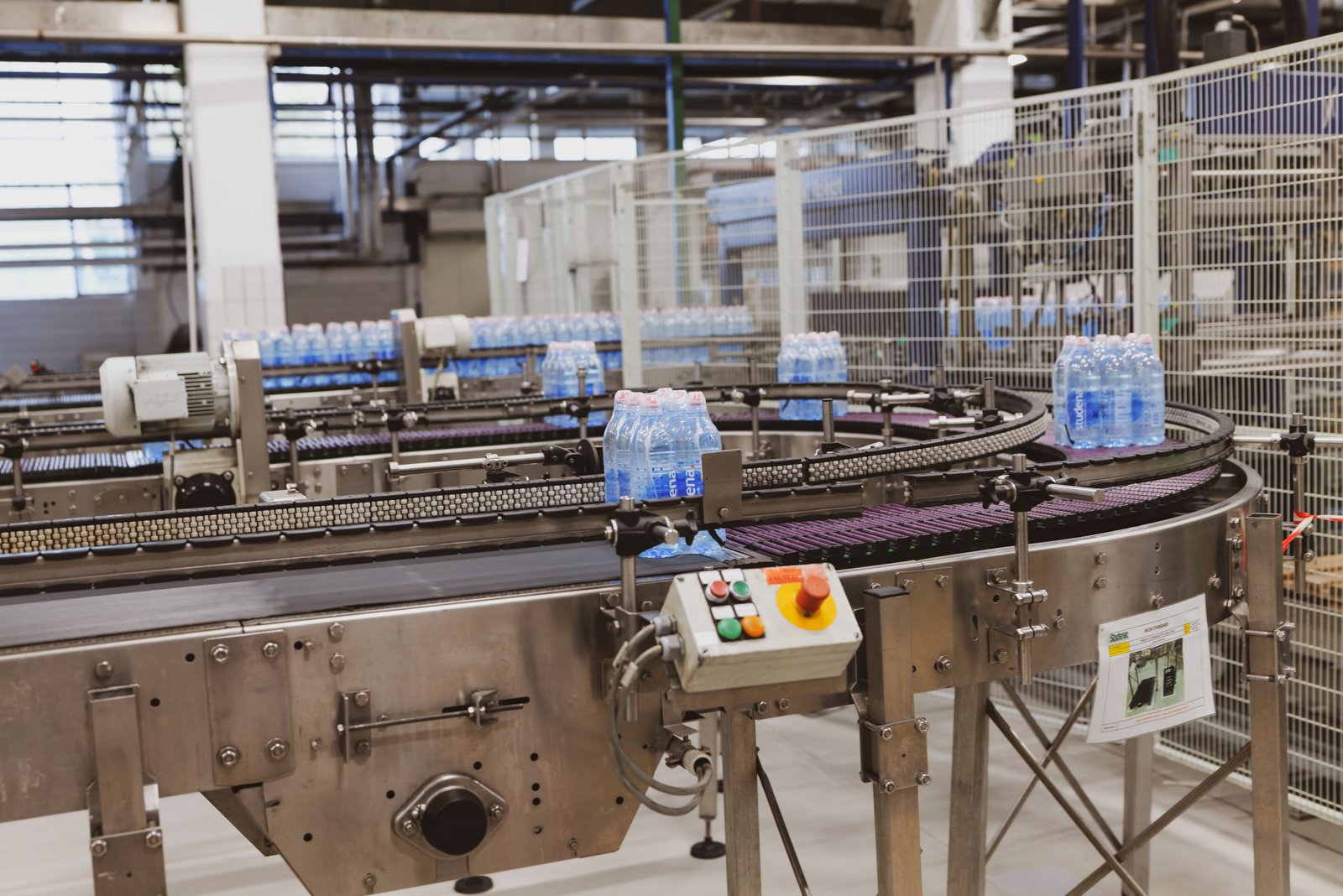
Intelligent Packaging, IoT Sensors, and Sustainable Materials Are Transforming the Food & Beverage Industry
The global food and beverage industry is rapidly adopting smart food packaging technologies to improve food safety, extend product shelf life, reduce food waste, and enhance supply chain transparency. By integrating Internet of Things (IoT) sensors, artificial intelligence (AI), freshness indicators, QR-enabled traceability, biodegradable materials, and antimicrobial packaging technologies, manufacturers are creating next-generation packaging solutions that actively monitor food quality throughout the product lifecycle.
Food waste remains one of the industry's biggest challenges, with significant losses occurring during transportation, storage, retail, and household consumption. Smart packaging enables manufacturers, retailers, logistics providers, and consumers to monitor product freshness in real time, helping prevent spoilage while improving inventory management and regulatory compliance.
Food manufacturers, beverage companies, packaging suppliers, retailers, logistics providers, technology firms, and sustainability organizations are investing in intelligent packaging innovations to improve operational efficiency while supporting environmental goals. Industry experts believe smart packaging will become a standard feature across food and beverage supply chains as consumer demand for food safety, sustainability, and transparency continues to grow.
Intelligent Sensors Monitor Food Freshness
Smart packaging integrates miniature sensors that continuously monitor product conditions.
Sensors track:
- Temperature
- Humidity
- Gas composition
- Freshness levels
- Storage conditions
- Product integrity
Continuous monitoring allows businesses to detect quality issues before products reach consumers. Real-time monitoring improves food safety.
Artificial Intelligence Enhances Packaging Intelligence
AI analyzes packaging data to predict product quality and optimize supply chain decisions.
AI applications include:
- Shelf-life prediction
- Spoilage detection
- Inventory optimization
- Demand forecasting
- Distribution planning
Machine learning enables businesses to reduce waste while improving product availability. AI strengthens food quality management.
QR Codes Improve Consumer Transparency
Digital QR codes provide consumers with instant access to product information.
QR-enabled packaging offers:
- Ingredient details
- Nutritional information
- Production dates
- Origin tracking
- Sustainability information
Digital transparency builds consumer trust while supporting informed purchasing decisions. Smart labels improve product engagement.
Biodegradable Packaging Supports Sustainability
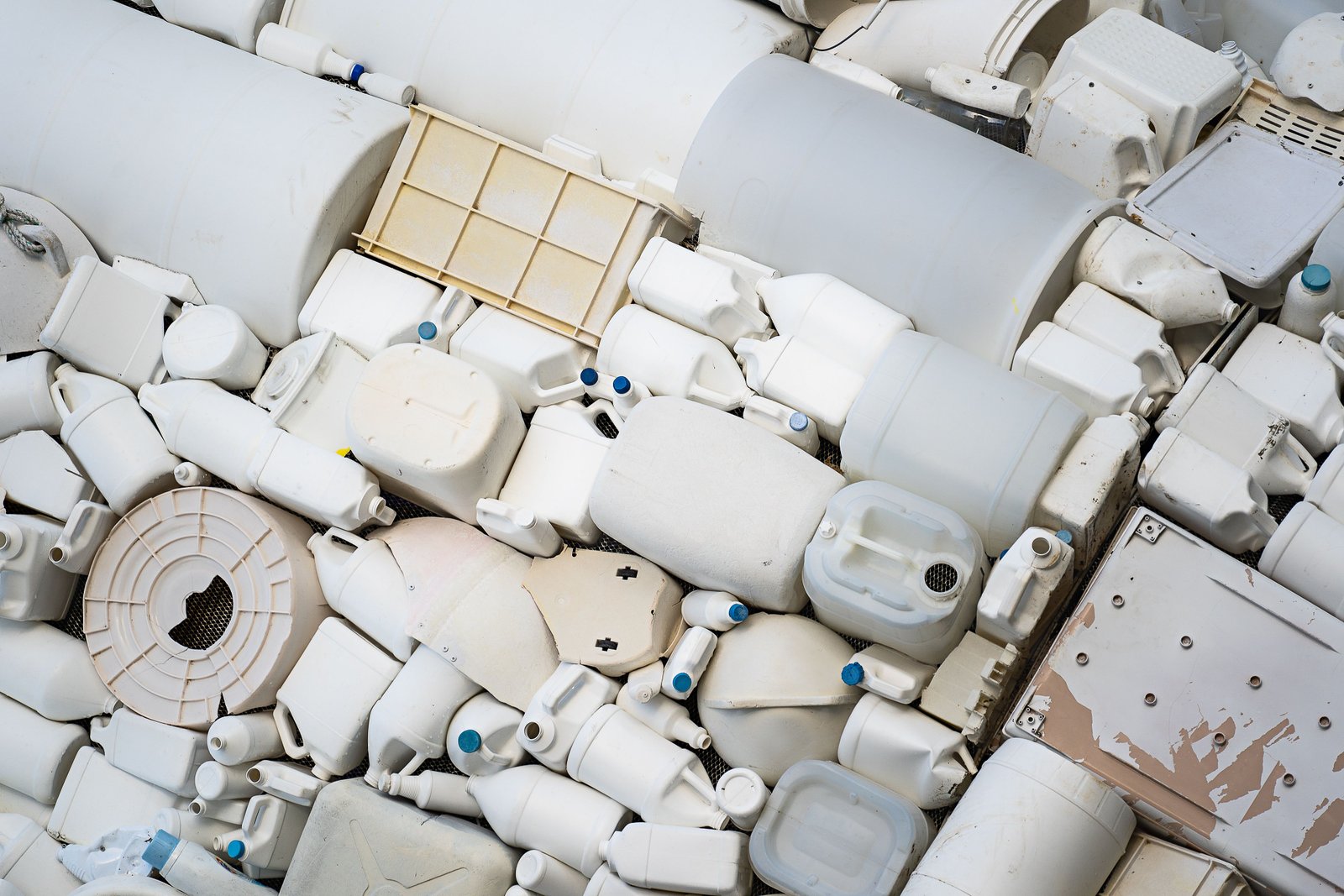
Manufacturers are replacing conventional plastics with environmentally friendly packaging materials.
Sustainable packaging includes:
- Plant-based plastics
- Compostable films
- Paper-based packaging
- Recyclable containers
- Bio-based coatings
Eco-friendly materials reduce environmental impact while supporting circular economy initiatives. Sustainable packaging protects natural resources.
Antimicrobial Packaging Extends Shelf Life
Advanced packaging materials actively inhibit bacterial growth to preserve food quality.
Antimicrobial solutions support:
- Fresh produce
- Meat products
- Dairy items
- Bakery products
- Ready-to-eat meals
Improved food preservation helps reduce spoilage throughout the supply chain. Innovative materials improve product longevity.
IoT Connectivity Strengthens Supply Chain Visibility
Connected packaging enables businesses to monitor products throughout transportation and storage.
IoT platforms provide:
- Real-time shipment tracking
- Temperature history
- Storage monitoring
- Distribution analytics
- Quality alerts
Greater visibility improves logistics planning while reducing losses during transit. Connected packaging enhances operational efficiency.
Retailers Reduce Food Waste Through Better Inventory Management
Smart packaging helps retailers optimize inventory based on actual product freshness rather than estimated expiration dates.
Retail applications include:
- Dynamic stock rotation
- Automated freshness monitoring
- Inventory optimization
- Waste reduction
- Product quality management
Improved inventory decisions increase operational efficiency while reducing unnecessary product disposal. Technology supports sustainable retailing.
Consumer Engagement Continues to Evolve
Interactive packaging creates stronger connections between brands and consumers.
Digital engagement features include:
- Product authentication
- Recipe suggestions
- Sustainability information
- Loyalty programs
- Interactive mobile experiences
Smart packaging transforms traditional product labels into digital communication platforms. Innovation enhances customer experiences.
Regulatory Compliance Improves Food Safety
Digital packaging technologies simplify compliance with food safety and traceability regulations
Compliance systems support:
- Batch tracking
- Recall management
- Digital documentation
- Product authentication
- Quality reporting
Accurate digital records improve regulatory compliance while strengthening consumer confidence. Technology supports safer food systems.
Challenges Continue
Despite significant technological progress, smart food packaging continues facing several implementation challenges.
These include:
- Higher production costs
- Scaling intelligent packaging technologies
- Integrating digital systems across supply chains
- Expanding recycling infrastructure
- Meeting evolving international packaging regulations
Continued investment in artificial intelligence, IoT technologies, biodegradable materials, antimicrobial packaging, digital traceability, smart manufacturing, and sustainability research will remain essential for maximizing the benefits of intelligent food packaging.
Looking Forward
Smart food packaging is transforming the food and beverage industry by combining intelligent sensors, artificial intelligence, IoT connectivity, biodegradable materials, antimicrobial technologies, digital traceability, and sustainable manufacturing into highly advanced packaging ecosystems. As global demand for food safety, sustainability, and supply chain transparency continues to increase, smart packaging will play an increasingly important role in extending shelf life, reducing food waste, improving consumer confidence, strengthening regulatory compliance, and supporting environmentally responsible food production.
The continued advancement of smart food packaging reflects a broader transformation across the food and beverage industry, where intelligent technologies, digital innovation, sustainable materials, connected supply chains, and consumer-focused solutions are creating safer, smarter, and future-ready food systems.