AI-Powered Biotechnology, Alternative Proteins, and Microbial Innovation Are Transforming the Future of Food Manufacturing
The global food and beverage industry is witnessing a major technological shift as precision fermentation emerges as one of the most promising innovations for sustainable food production. By combining biotechnology, artificial intelligence (AI), microbial engineering, and advanced fermentation processes, food manufacturers are producing high-quality proteins, dairy ingredients, enzymes, natural flavors, vitamins, and specialty food components without relying heavily on traditional livestock farming.
Unlike conventional fermentation used in products such as bread, yogurt, and beer, precision fermentation uses specially engineered microorganisms, including yeast, fungi, and bacteria—to produce specific food ingredients with exceptional consistency and efficiency. This technology enables manufacturers to create proteins and other functional ingredients that closely match those found in animal-based products while significantly reducing land use, water consumption, and greenhouse gas emissions.
Food manufacturers, biotechnology companies, ingredient suppliers, alternative protein startups, research institutions, investors, and regulatory agencies are investing heavily in precision fermentation as demand for sustainable and environmentally responsible food solutions continues to grow. Industry experts believe precision fermentation will become a cornerstone of next-generation food manufacturing as global demand for sustainable nutrition and alternative proteins continues to accelerate.
Precision Fermentation Produces High-Value Food Ingredients
Specially engineered microorganisms are programmed to produce targeted food compounds during controlled fermentation processes.
Products created through precision fermentation include:
- Dairy proteins
- Egg proteins
- Natural flavors
- Vitamins
- Food enzymes
- Functional ingredients
The process delivers highly consistent ingredient quality while reducing dependence on traditional agricultural production. Microbial technology improves manufacturing efficiency.
Artificial Intelligence Optimizes Fermentation Processes
Artificial intelligence continuously monitors fermentation conditions to maximize production efficiency.
AI applications include:
- Process optimization
- Microbial growth monitoring
- Yield prediction
- Quality control
- Production scheduling
Machine learning helps manufacturers improve ingredient quality while lowering production costs. AI strengthens food biotechnology.
Sustainable Production Reduces Environmental Impact
Precision fermentation significantly lowers the environmental footprint of ingredient manufacturing.
Environmental benefits include:
- Reduced greenhouse gas emissions
- Lower water consumption
- Reduced land use
- Less agricultural waste
- Improved resource efficiency
Efficient production supports global sustainability objectives while preserving natural resources. Sustainable manufacturing benefits the environment.
Alternative Proteins Expand Consumer Choices
Precision fermentation supports the development of new protein sources that complement traditional food production.
Applications include:
- Dairy alternatives
- Plant-based foods
- Hybrid protein products
- Functional beverages
- Nutritional supplements
Innovative proteins provide consumers with more diverse and sustainable food options. Food innovation expands market opportunities.
Biotechnology Accelerates Product Development
Advances in biotechnology enable researchers to develop new food ingredients with greater speed and precision.
Biotechnology supports:
- Microbial engineering
- Protein optimization
- Ingredient innovation
- Functional food development
- Nutritional enhancement
Scientific innovation accelerates the commercialization of next-generation food products. Research drives industry growth.
Smart Manufacturing Improves Production Efficiency
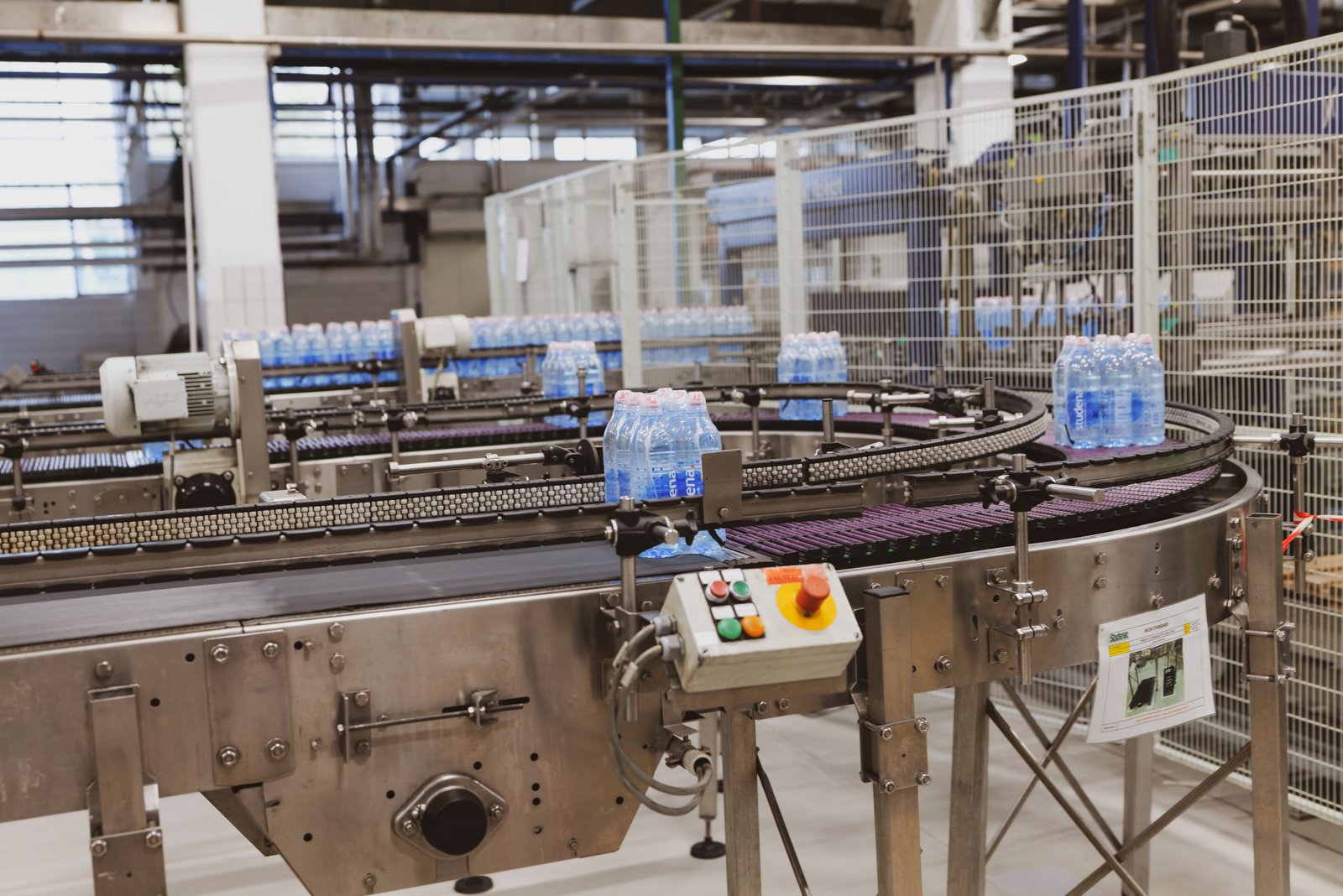
Modern fermentation facilities increasingly use digital technologies to optimize manufacturing operations.
Smart production systems include:
- Automated bioreactors
- IoT sensors
- Digital quality monitoring
- Cloud-based production management
- Predictive maintenance
Digital manufacturing improves consistency while enhancing operational performance. Automation modernizes food production.
Food Safety and Quality Remain Strategic Priorities
Advanced monitoring technologies help maintain high standards throughout ingredient production.
Quality management includes:
- Continuous microbial monitoring
- Batch traceability
- Automated testing
- Regulatory compliance
- Digital documentation
Robust quality assurance strengthens consumer confidence and supports global food safety standards. Technology improves food reliability.
Investment in Food Biotechnology Continues to Grow
Investors are increasingly supporting companies developing precision fermentation technologies.
Investment priorities include:
- Alternative protein innovation
- Sustainable ingredient production
- Fermentation infrastructure
- Research and development
- Commercial-scale manufacturing
Growing financial support is accelerating the expansion of food biotechnology worldwide. Investment fuels industry innovation.
Global Collaboration Supports Industry Growth
Food companies, biotechnology firms, universities, and governments are collaborating to advance precision fermentation technologies.
Collaborative initiatives include:
- Research partnerships
- Technology licensing
- Product development
- Regulatory cooperation
- Commercial pilot programs
Cross-sector collaboration accelerates innovation while strengthening global food security. Partnerships support sustainable development.
Challenges Continue
Despite significant technological progress, precision fermentation continues to face several implementation challenges.
These include:
- Scaling commercial production capacity
- Reducing manufacturing costs
- Navigating evolving regulatory frameworks
- Expanding consumer awareness and acceptance
- Building specialized fermentation infrastructure
Continued investment in biotechnology, artificial intelligence, microbial engineering, smart manufacturing, food safety systems, research partnerships, and workforce development will remain essential for maximizing the benefits of precision fermentation.
Looking Forward
Precision fermentation is transforming sustainable food production by combining biotechnology, artificial intelligence, microbial innovation, digital manufacturing, alternative proteins, and advanced quality management into highly efficient food production ecosystems.
As global demand for sustainable nutrition and environmentally responsible food solutions continues to rise, precision fermentation will play an increasingly important role in reducing environmental impact, strengthening food security, supporting product innovation, improving manufacturing efficiency, and expanding the availability of high-quality food ingredients.
The continued advancement of precision fermentation reflects a broader transformation across the food and beverage industry, where biotechnology, intelligent automation, sustainable manufacturing, digital innovation, and scientific research are creating smarter, cleaner, and future-ready food systems.