Artificial Intelligence, Digital Health Platforms, and Data-Driven Nutrition Are Transforming the Food & Beverage Industry
The global food and beverage industry is entering a new era of personalized nutrition as artificial intelligence (AI), wearable health technologies, genetic insights, and digital wellness platforms enable consumers to receive customized dietary recommendations based on their unique health profiles and lifestyle goals. Food manufacturers are increasingly developing personalized food products, functional beverages, and nutrition solutions that address individual nutritional needs rather than offering one-size-fits-all products.
Growing consumer awareness of preventive healthcare, chronic disease management, fitness, and overall wellness is driving demand for nutrition tailored to age, activity levels, metabolism, allergies, gut health, and dietary preferences. AI-powered platforms analyze health data from wearable devices, mobile applications, laboratory reports, and nutritional assessments to recommend personalized meal plans and food products that support long-term health.
Food manufacturers, beverage companies, health technology firms, retailers, nutrition startups, healthcare providers, and research organizations are investing in personalized nutrition technologies to meet evolving consumer expectations and strengthen innovation across the food industry. Industry experts believe personalized nutrition will become one of the fastest-growing segments of the food and beverage market as digital health ecosystems continue to expand worldwide.
Artificial Intelligence Personalizes Dietary Recommendations
AI analyzes health and lifestyle data to generate individualized nutrition plans.
AI evaluates:
- Dietary habits
- Activity levels
- Health goals
- Food preferences
- Nutritional deficiencies
- Lifestyle patterns
Continuous learning enables more accurate and adaptive dietary recommendations. AI improves nutritional decision-making.
Wearable Devices Support Real-Time Nutrition Insights
Smart wearable technologies provide valuable health information that supports personalized nutrition.
Wearables monitor:
- Physical activity
- Heart rate
- Sleep quality
- Calorie expenditure
- Stress levels
- Daily movement
Real-time health data helps consumers make more informed dietary choices throughout the day. Connected devices strengthen wellness management.
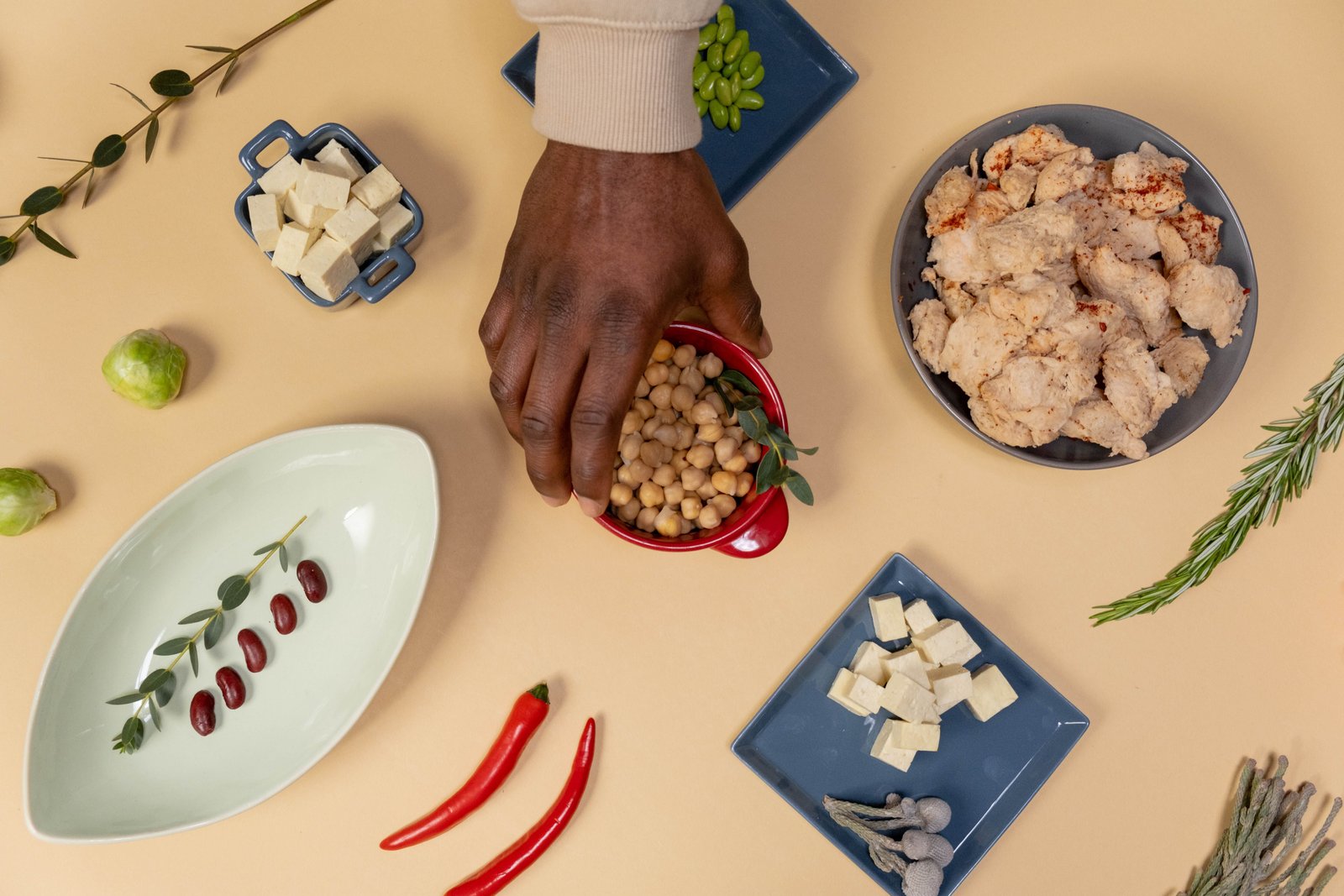
Functional Foods Meet Individual Health Needs
Food manufacturers are developing products designed to support specific wellness objectives.
Functional food categories include:
- High-protein foods
- Gut health products
- Immune-supporting beverages
- Heart-healthy ingredients
- Cognitive wellness nutrition
Customized products provide targeted nutritional benefits for diverse consumer needs. Innovation expands healthy food choices.
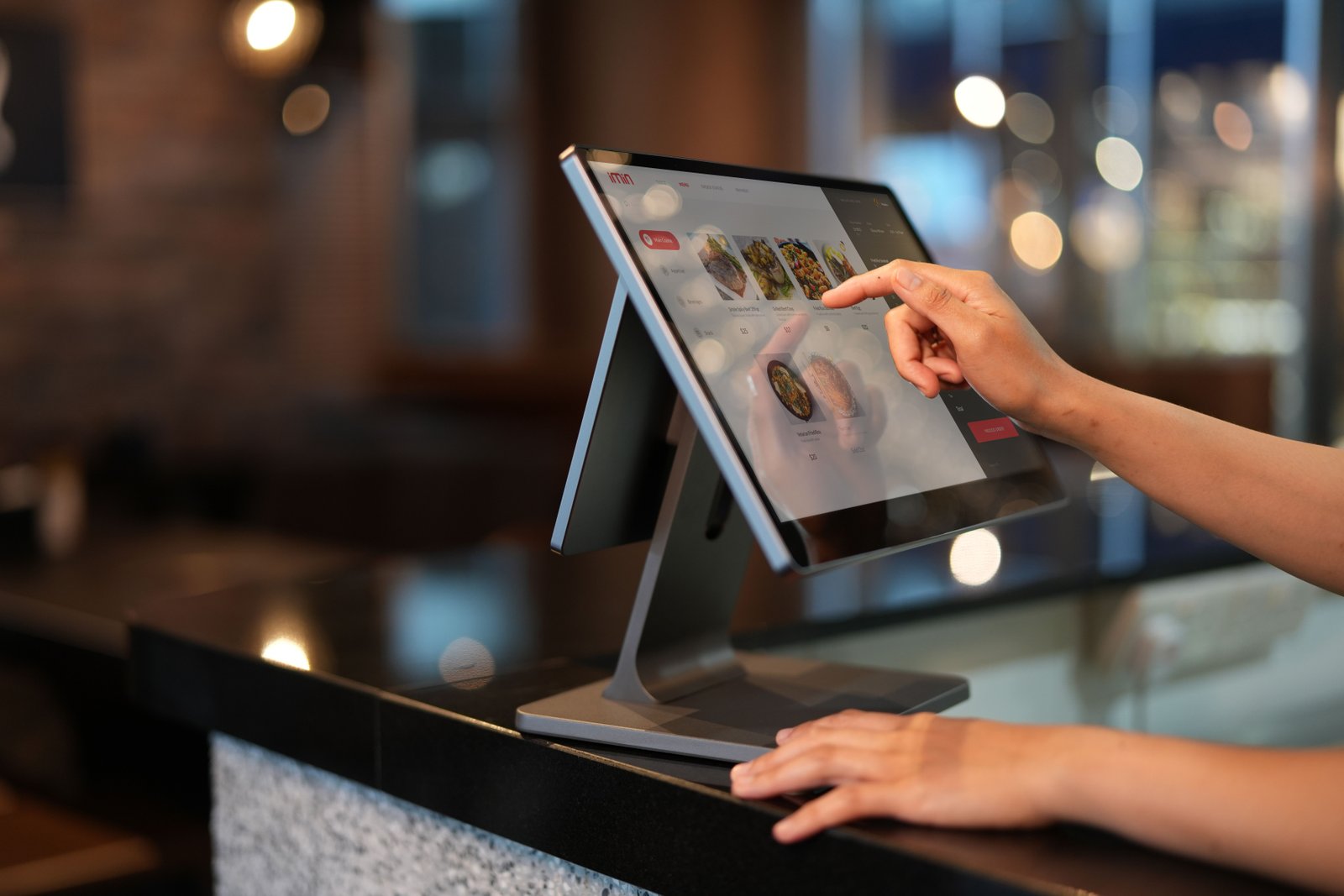
Digital Health Platforms Connect Nutrition and Wellness
Cloud-based nutrition platforms integrate health information with personalized dietary guidance.
Digital platforms offer:
- Meal planning
- Nutrition tracking
- Health analytics
- Food recommendations
- Wellness coaching
Integrated digital ecosystems simplify nutrition management while improving long-term engagement. Technology enhances consumer experiences.
Gut Health Research Drives Product Innovation
Growing scientific understanding of the gut microbiome is influencing food development strategies.
Gut health innovations include:
- Probiotic foods
- Prebiotic ingredients
- Fermented beverages
- Fiber-rich products
- Digestive wellness supplements
Microbiome-focused nutrition supports digestive health while creating new product opportunities. Research advances nutritional science.
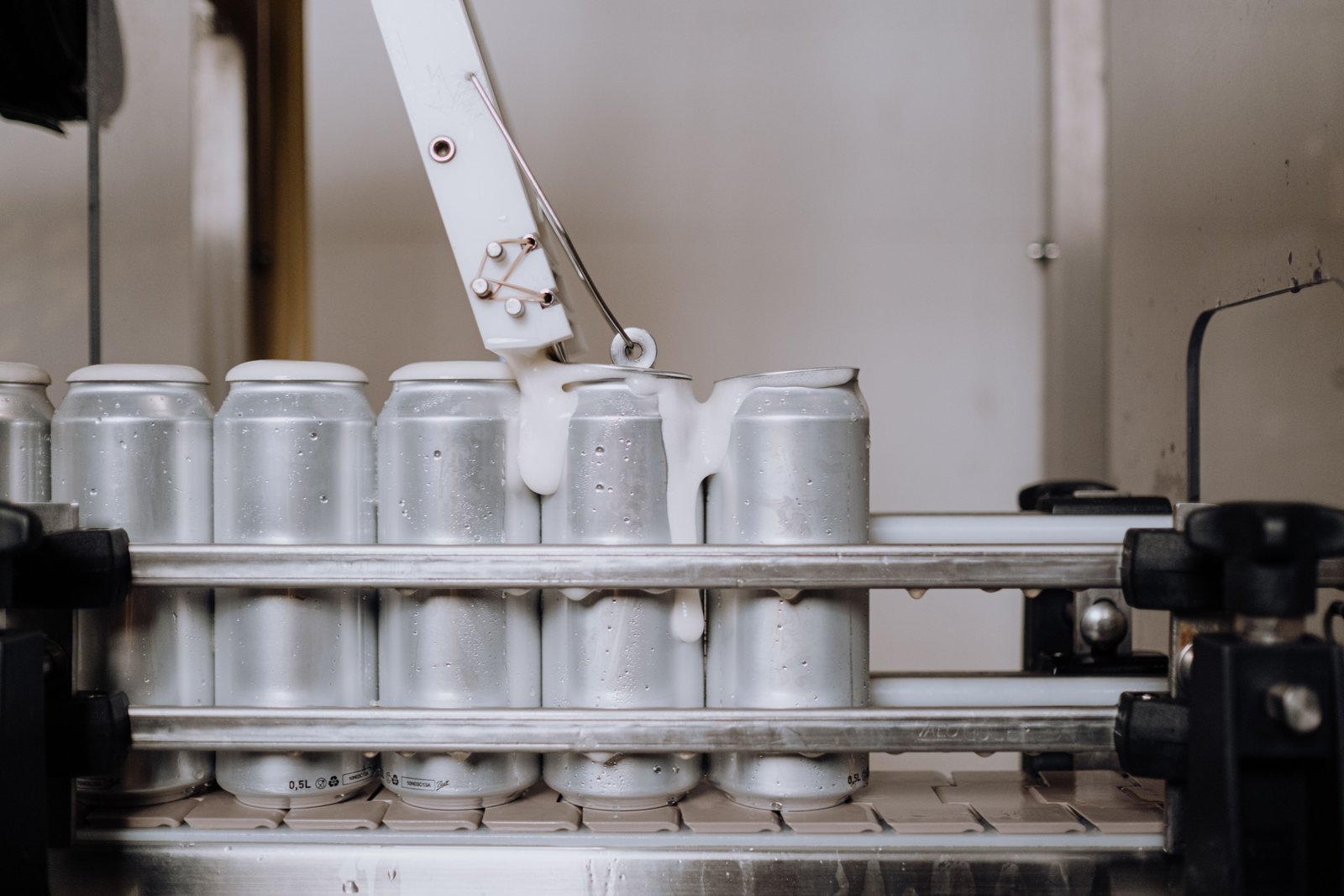
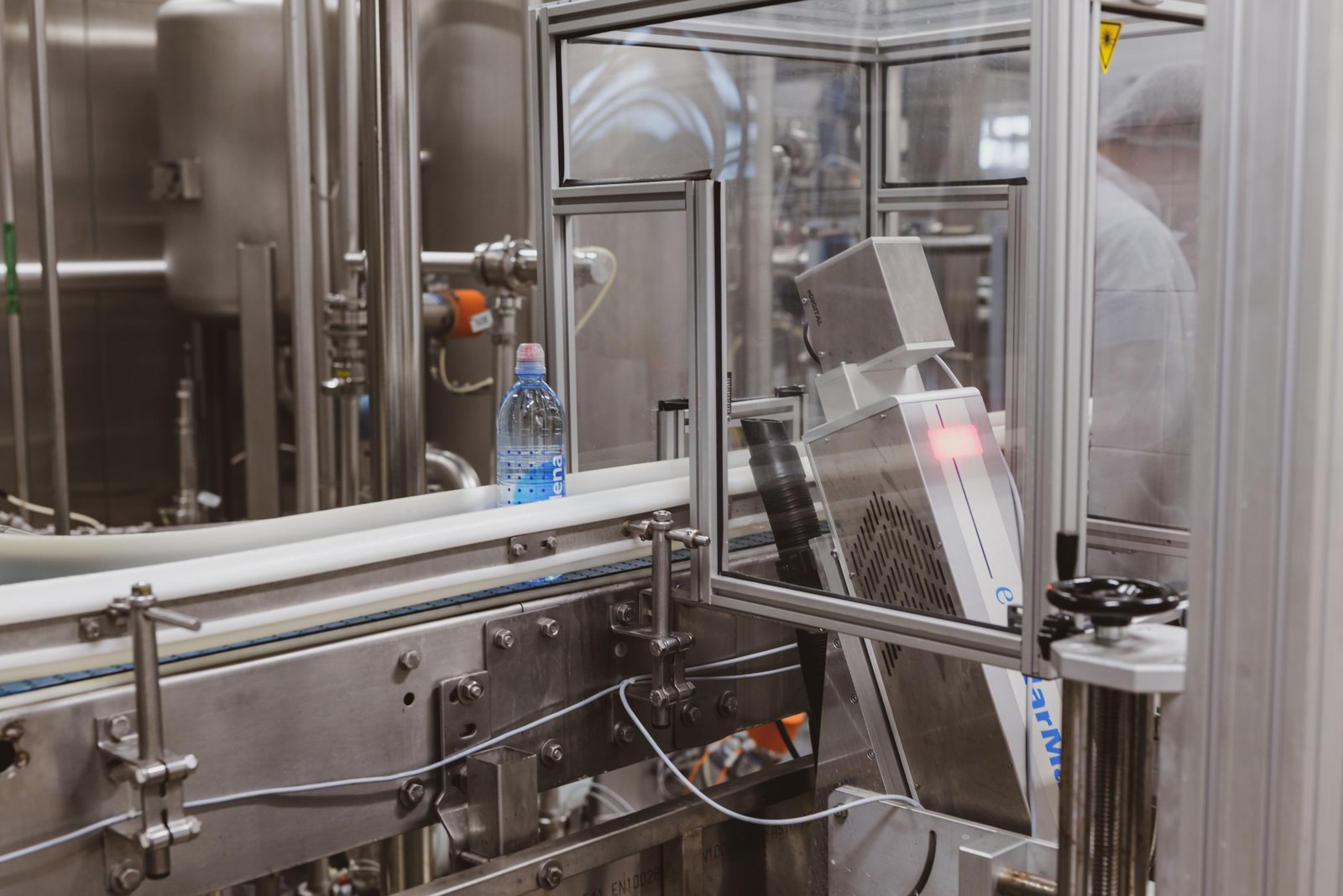
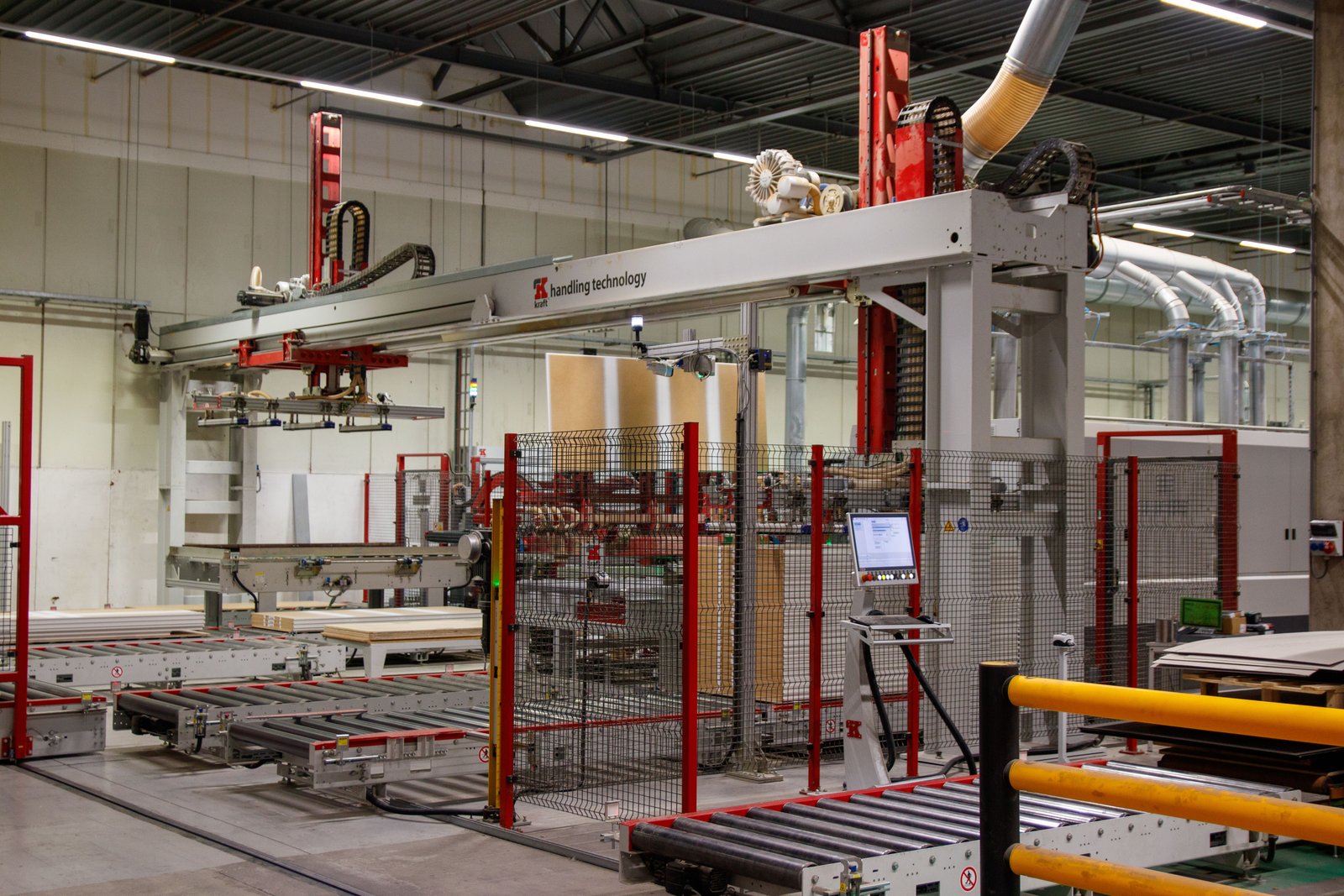
Smart Manufacturing Enables Product Customization
Food manufacturers are adopting digital production technologies to support personalized food solutions.
Smart manufacturing includes:
- Flexible production lines
- AI-powered quality control
- Automated ingredient blending
- Digital recipe management
- Small-batch manufacturing
Advanced production systems enable greater product variety while maintaining operational efficiency. Automation supports product innovation.
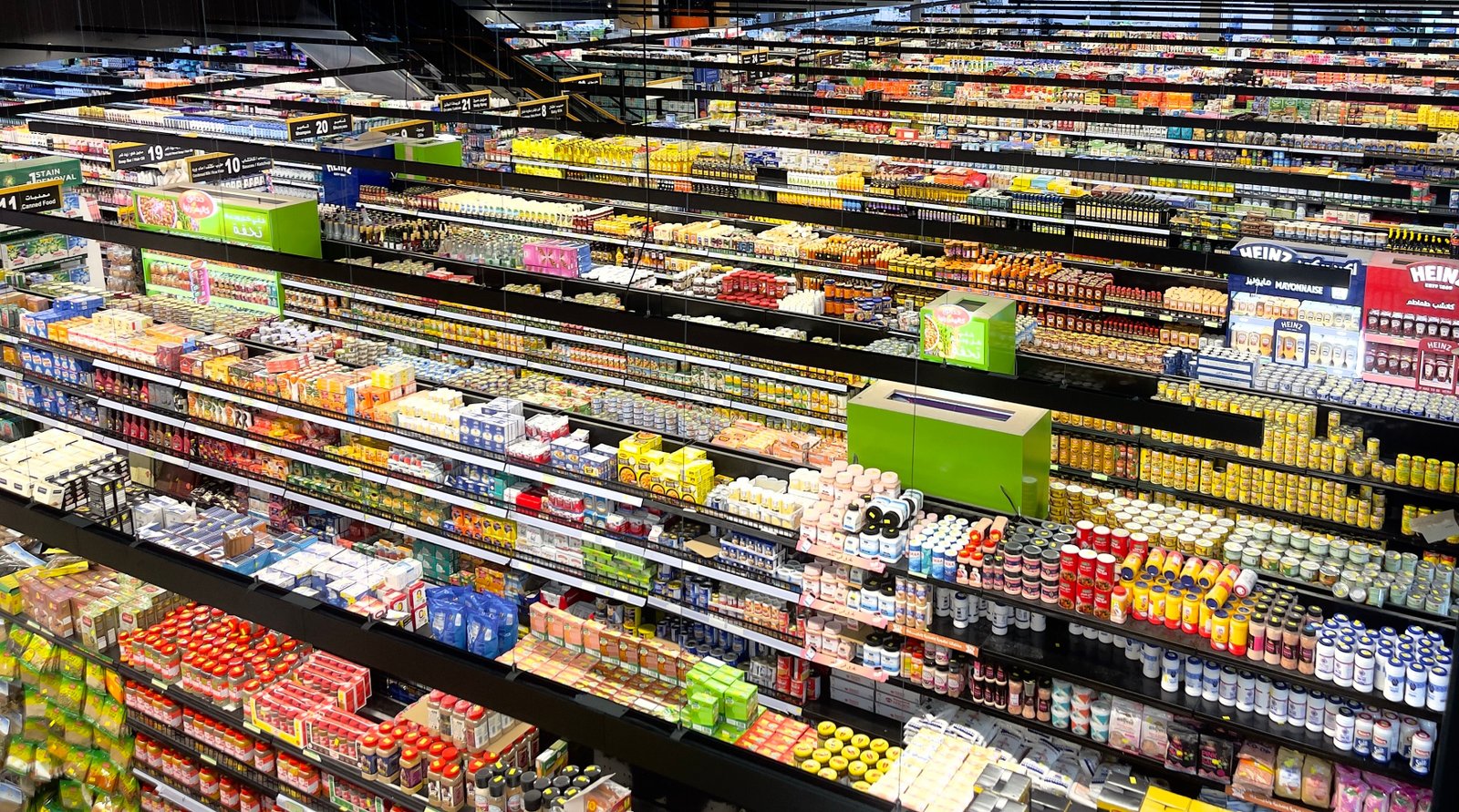
Retailers Expand Personalized Shopping Experiences
Retailers are using AI to recommend products that align with customer health preferences.
Personalized retail features include:
- Digital nutrition profiles
- AI-powered product recommendations
- Customized promotions
- Healthy shopping suggestions
- Loyalty-based wellness programs
Personalized shopping improves customer engagement while strengthening brand loyalty. Digital retail transforms consumer experiences.
Sustainability Supports Personalized Food Production
Food companies are combining nutrition innovation with environmentally responsible manufacturing.
Sustainability initiatives include:
- Sustainable ingredient sourcing
- Reduced food waste
- Eco-friendly packaging
- Resource-efficient manufacturing
- Responsible supply chains
Sustainable production aligns health-conscious innovation with environmental responsibility. Green practices strengthen long-term growth.
Regulatory Standards Continue to Evolve
Governments and food safety organizations are updating regulations for personalized nutrition products.
Key priorities include:
- Product labeling
- Consumer data protection
- Health claim verification
- Food safety compliance
- Digital health standards
Clear regulatory frameworks support responsible innovation while protecting consumers. Strong governance builds market confidence.
Challenges Continue
Despite rapid growth, personalized nutrition continues to face several implementation challenges.
These include:
- Protecting consumer health data
- Integrating multiple health information sources
- Educating consumers about personalized nutrition
- Managing production complexity
- Meeting diverse regulatory requirements across global markets
Continued investment in artificial intelligence, digital health technologies, wearable devices, nutritional science, smart manufacturing, data security, and research partnerships will remain essential for maximizing the benefits of personalized nutrition.
Looking Forward
AI-powered personalized nutrition is transforming the food and beverage industry by combining artificial intelligence, wearable technologies, digital health platforms, functional foods, smart manufacturing, nutritional science, and consumer data analytics into highly personalized wellness ecosystems.
As consumers continue prioritizing preventive healthcare and healthier lifestyles, personalized nutrition will play an increasingly important role in improving dietary outcomes, driving product innovation, strengthening customer engagement, supporting sustainable food production, and shaping the future of the global food and beverage industry. The continued advancement of personalized nutrition reflects a broader transformation across the food and beverage sector, where intelligent technologies, scientific research, digital health, sustainable manufacturing, and consumer-centric innovation are creating smarter, healthier, and future-ready food systems.