Industrial 3D Printing, Advanced Materials, and Digital Manufacturing Are Redefining Modern Production
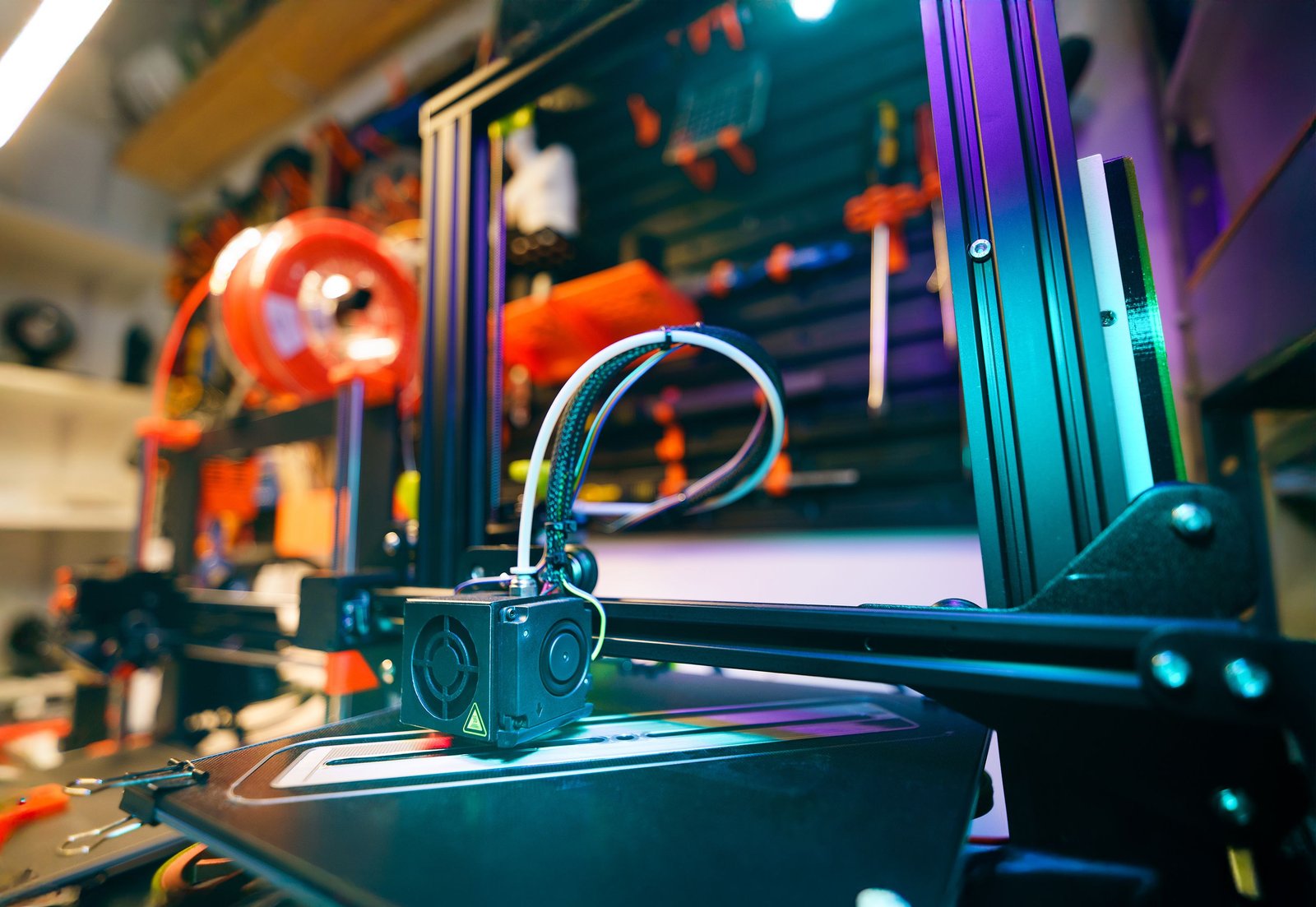
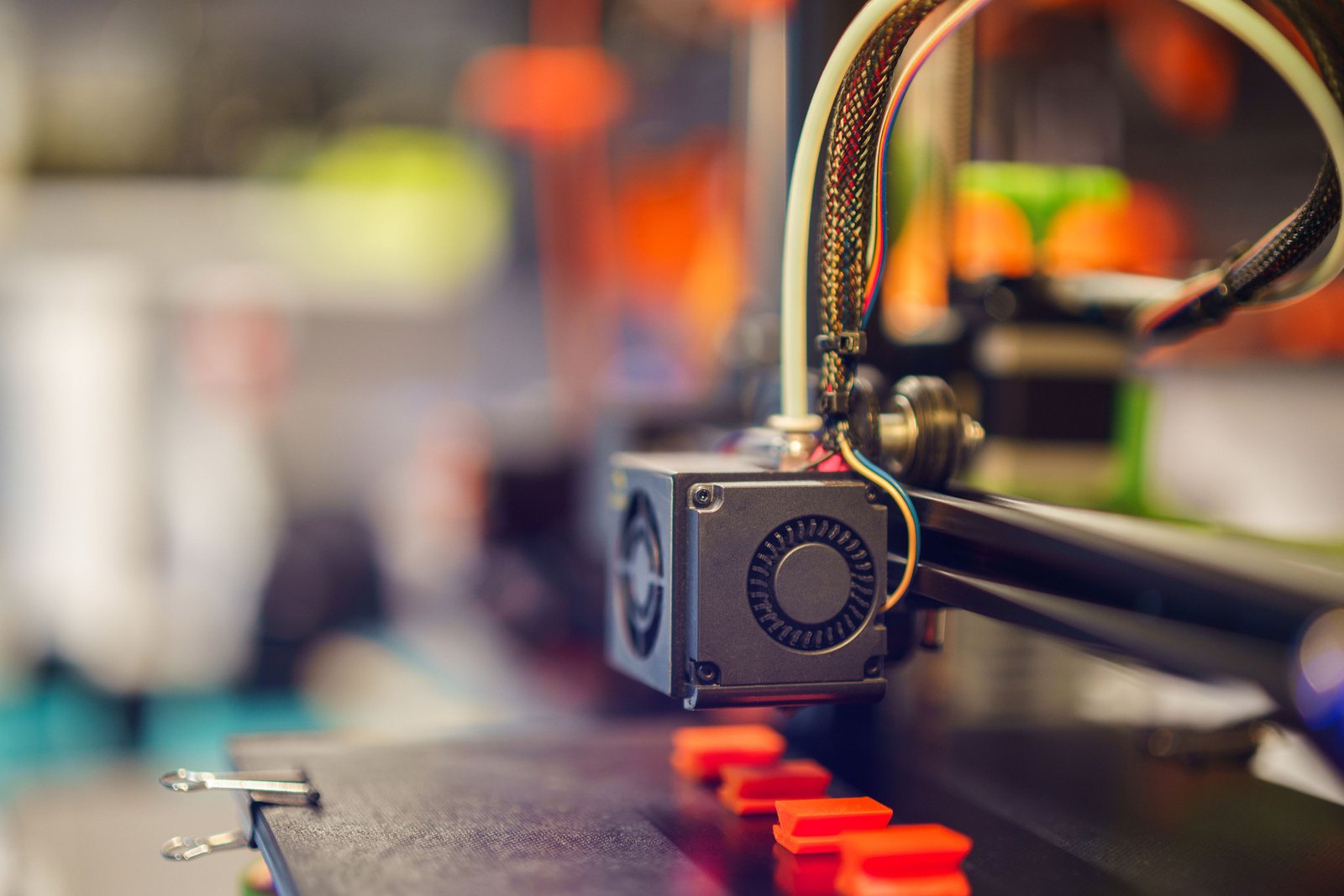
The manufacturing industry is embracing additive manufacturing as industrial 3D printing technologies become increasingly capable of producing complex, high-performance components with greater precision and efficiency. Unlike conventional subtractive manufacturing methods that remove material from a solid block, additive manufacturing builds products layer by layer from digital designs, enabling greater design flexibility, reduced material waste, and faster product development.
Advancements in industrial 3D printers, metal additive manufacturing, advanced polymers, composite materials, artificial intelligence, computer-aided design (CAD), and digital production systems are allowing manufacturers to accelerate innovation while improving operational efficiency. Industries including aerospace, automotive, healthcare, energy, construction, electronics, and industrial equipment manufacturing are integrating additive manufacturing into production processes to support rapid prototyping, customized production, and on-demand manufacturing.
Industry experts believe additive manufacturing will continue expanding beyond prototyping into full-scale industrial production as technology capabilities and material options continue advancing.
Industrial 3D Printing Accelerates Product Development
Industrial 3D printing enables manufacturers to convert digital designs into physical products quickly.
Applications include:
- Prototype development
- Functional testing
- Product validation
- Engineering models
- Customized components
Rapid production shortens development cycles while allowing engineers to refine product designs more efficiently. Faster prototyping supports innovation.
Metal Additive Manufacturing Expands Industrial Applications
Manufacturers are increasingly using metal 3D printing to produce durable, high-performance components.
Metal additive manufacturing supports:
- Aerospace parts
- Automotive components
- Medical implants
- Industrial machinery
- Energy equipment
Complex geometries that were previously difficult or impossible to manufacture can now be produced with greater precision. Advanced production improves engineering capabilities.
Design Freedom Enables Complex Manufacturing
Additive manufacturing removes many design limitations associated with traditional production methods.
Manufacturers can create:
- Lightweight structures
- Internal cooling channels
- Complex lattice designs
- Customized geometries
- Integrated components
Greater design flexibility allows organizations to improve product performance while reducing assembly requirements. Innovative design enhances manufacturing efficiency.
Material Innovation Supports Better Performance
Advances in manufacturing materials are expanding the capabilities of additive production.
Materials include:
- Stainless steel
- Titanium alloys
- Aluminum alloys
- High-performance polymers
- Carbon fiber composites
- Ceramic materials
Improved material options enable manufacturers to produce stronger, lighter, and more durable products. Material science drives industrial innovation.
Customized Manufacturing Meets Customer Demand
Additive manufacturing enables organizations to produce highly customized products without major production changes.
Customization supports:
- Medical devices
- Consumer products
- Automotive components
- Industrial tools
- Specialized equipment
Digital production allows manufacturers to respond quickly to individual customer requirements while maintaining production efficiency. Flexible manufacturing improves customer satisfaction.
Digital Manufacturing Strengthens Production Efficiency
Manufacturers are integrating additive manufacturing into broader digital production ecosystems.
Digital technologies include:
- Computer-aided design
- Digital twins
- Manufacturing execution systems
- Cloud-based production management
- Artificial intelligence
Connected production environments improve workflow coordination while supporting continuous operational improvement. Digital integration enhances factory performance.
Supply Chain Flexibility Improves Resilience
Additive manufacturing enables localized production that reduces dependence on traditional supply chains.
Organizations benefit through:
- On-demand manufacturing
- Reduced inventory requirements
- Faster replacement part production
- Shorter delivery times
- Regional manufacturing capabilities
Distributed production improves operational resilience while reducing logistics complexity. Localized manufacturing strengthens supply chains.
Sustainability Gains Momentum
Additive manufacturing contributes to more sustainable production by reducing waste and improving resource efficiency.
Environmental benefits include:
- Lower material consumption
- Reduced manufacturing waste
- Energy-efficient production
- Lightweight product design
- Extended product life
Improved resource utilization supports environmental objectives while lowering production costs. Sustainable manufacturing supports long-term growth.
Artificial Intelligence Optimizes Production
Artificial intelligence enhances additive manufacturing by improving process control and production quality.
AI applications include:
- Print parameter optimization
- Quality monitoring
- Defect prediction
- Production scheduling
- Equipment diagnostics
Machine learning continuously improves manufacturing performance while reducing production variability. Intelligent automation strengthens operational excellence.
Challenges Continue
Despite rapid technological advancement, manufacturers continue facing several implementation challenges.
These include:
- High industrial equipment investment
- Limited availability of specialized materials
- Production speed for high-volume manufacturing
- Workforce training
- Standardization and quality certification
Continued investment in advanced materials, artificial intelligence, industrial software, additive manufacturing equipment, digital engineering, and workforce development will remain essential for maximizing the benefits of additive manufacturing.
Looking Forward
Additive manufacturing is transforming industrial production by combining industrial 3D printing, advanced materials, digital engineering, artificial intelligence, cloud-enabled manufacturing, and intelligent production systems into highly flexible manufacturing environments.
As industries continue modernizing production operations, additive manufacturing will play an increasingly important role in accelerating product development, enabling mass customization, strengthening supply chain resilience, improving sustainability, and driving long-term manufacturing innovation.
The continued advancement of additive manufacturing reflects a broader transformation across the manufacturing industry, where digital production, intelligent automation, material science, connected technologies, and engineering innovation are creating smarter, more efficient, and future-ready manufacturing ecosystems.