Collaborative Robots, Artificial Intelligence, and Intelligent Automation Are Reshaping Modern Industrial Production
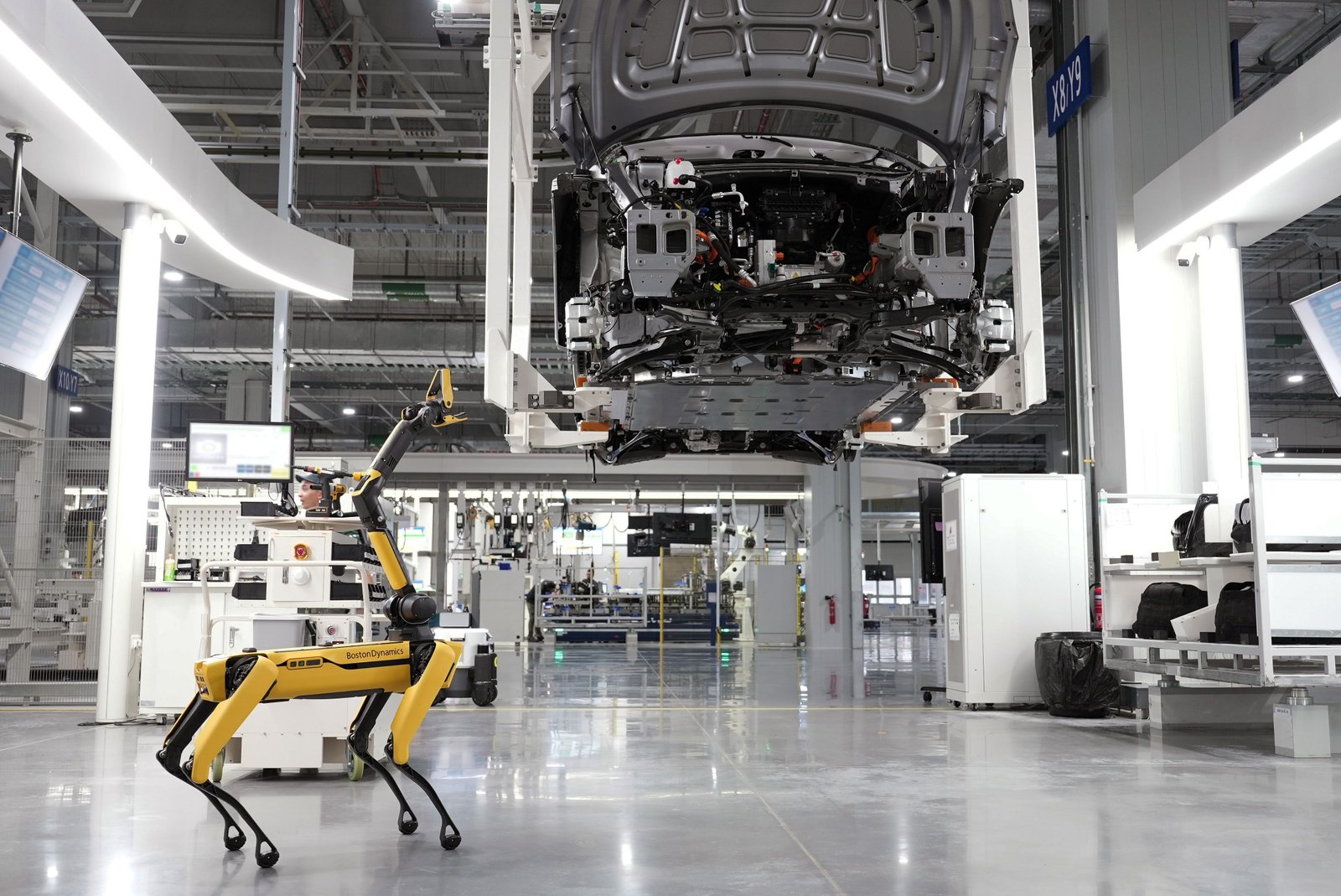
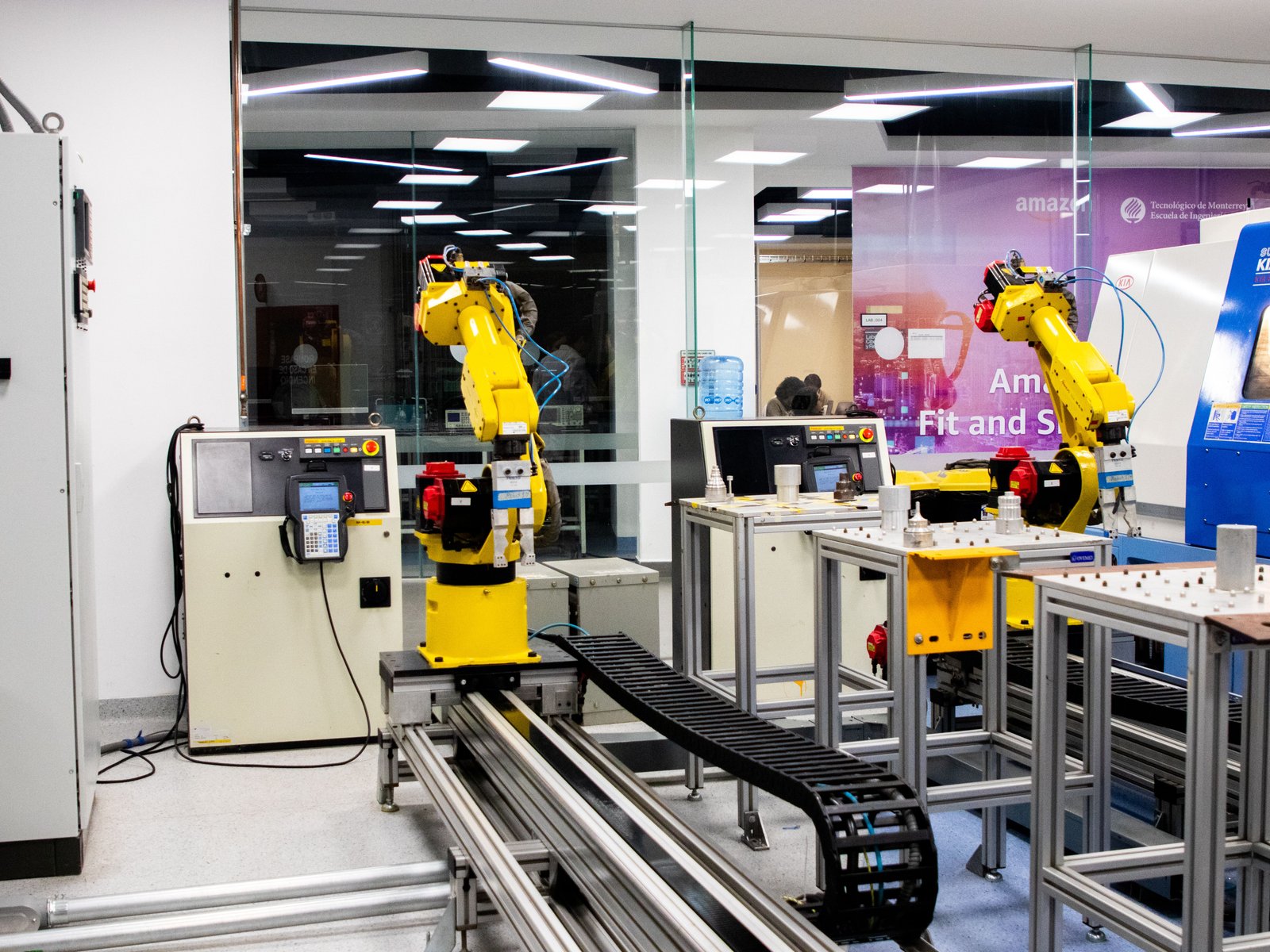
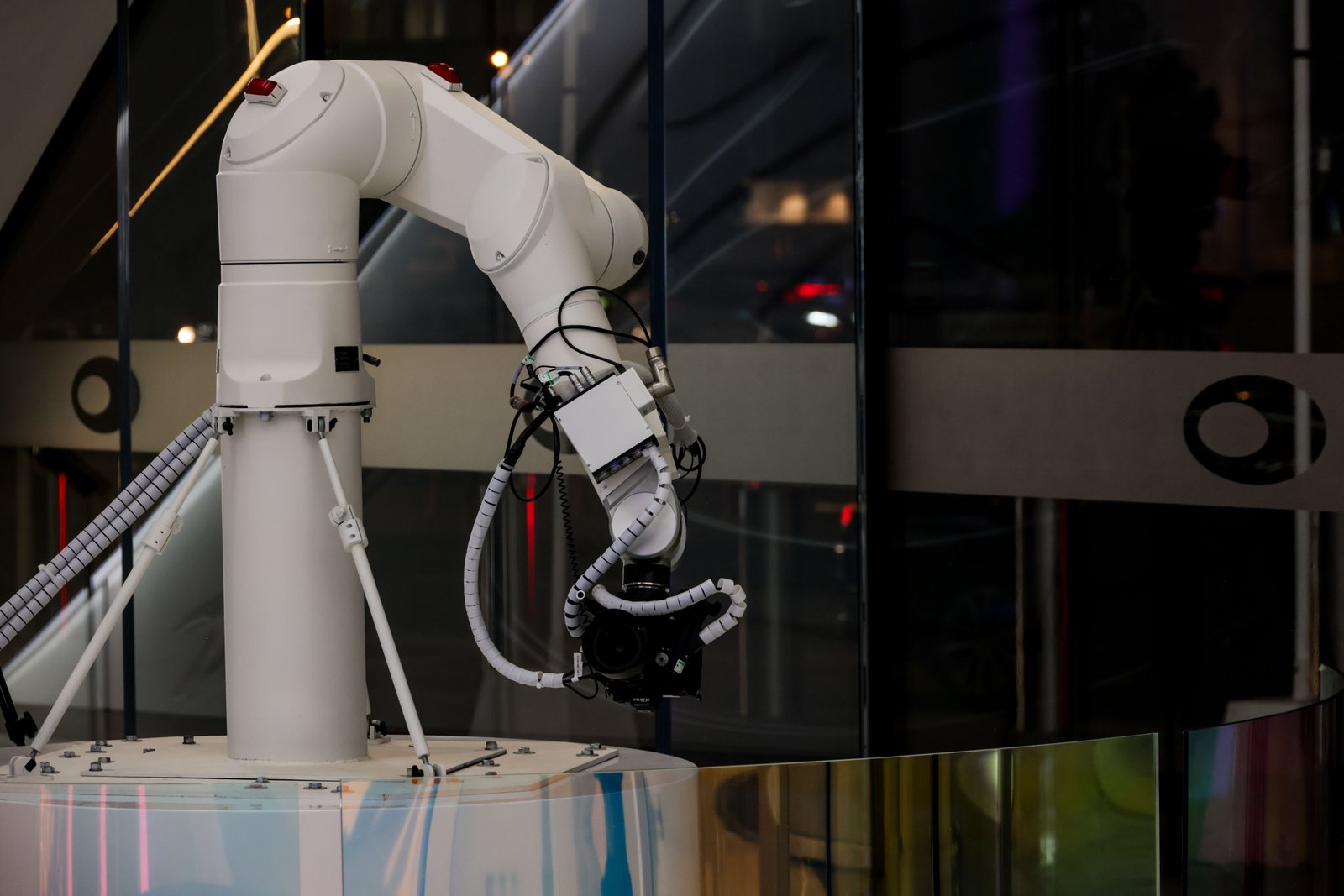
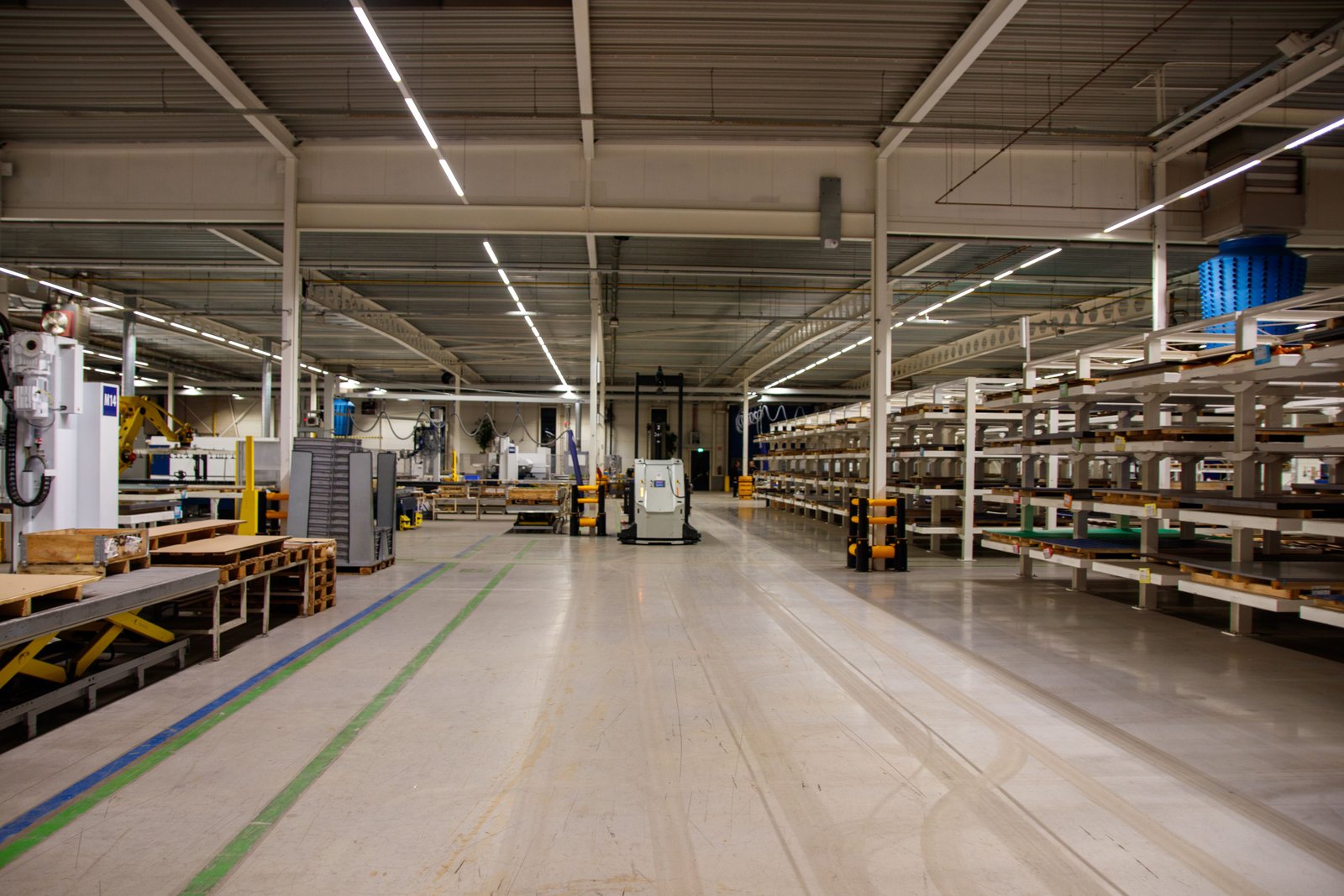
The manufacturing industry is rapidly advancing through the adoption of smart robotics that combine artificial intelligence (AI), machine learning, computer vision, advanced sensors, and intelligent automation to improve production efficiency and operational flexibility. Unlike traditional industrial robots that perform repetitive programmed tasks, modern smart robots can analyze their surroundings, collaborate with human workers, adapt to changing production requirements, and continuously optimize manufacturing processes.
As manufacturers face increasing demand for higher productivity, greater product customization, and improved operational resilience, smart robotics is becoming a key component of Industry 4.0 initiatives. Intelligent robotic systems are helping manufacturers automate complex assembly operations, improve product quality, reduce production downtime, and enhance workplace safety while maintaining consistent manufacturing standards.
Automotive manufacturers, electronics companies, aerospace firms, pharmaceutical producers, food and beverage manufacturers, logistics providers, industrial equipment companies, and technology firms are investing in advanced robotic technologies to modernize production facilities and strengthen global competitiveness. Industry experts believe smart robotics will continue becoming a cornerstone of future manufacturing as intelligent automation expands across industrial operations.
Collaborative Robots Improve Human-Machine Cooperation
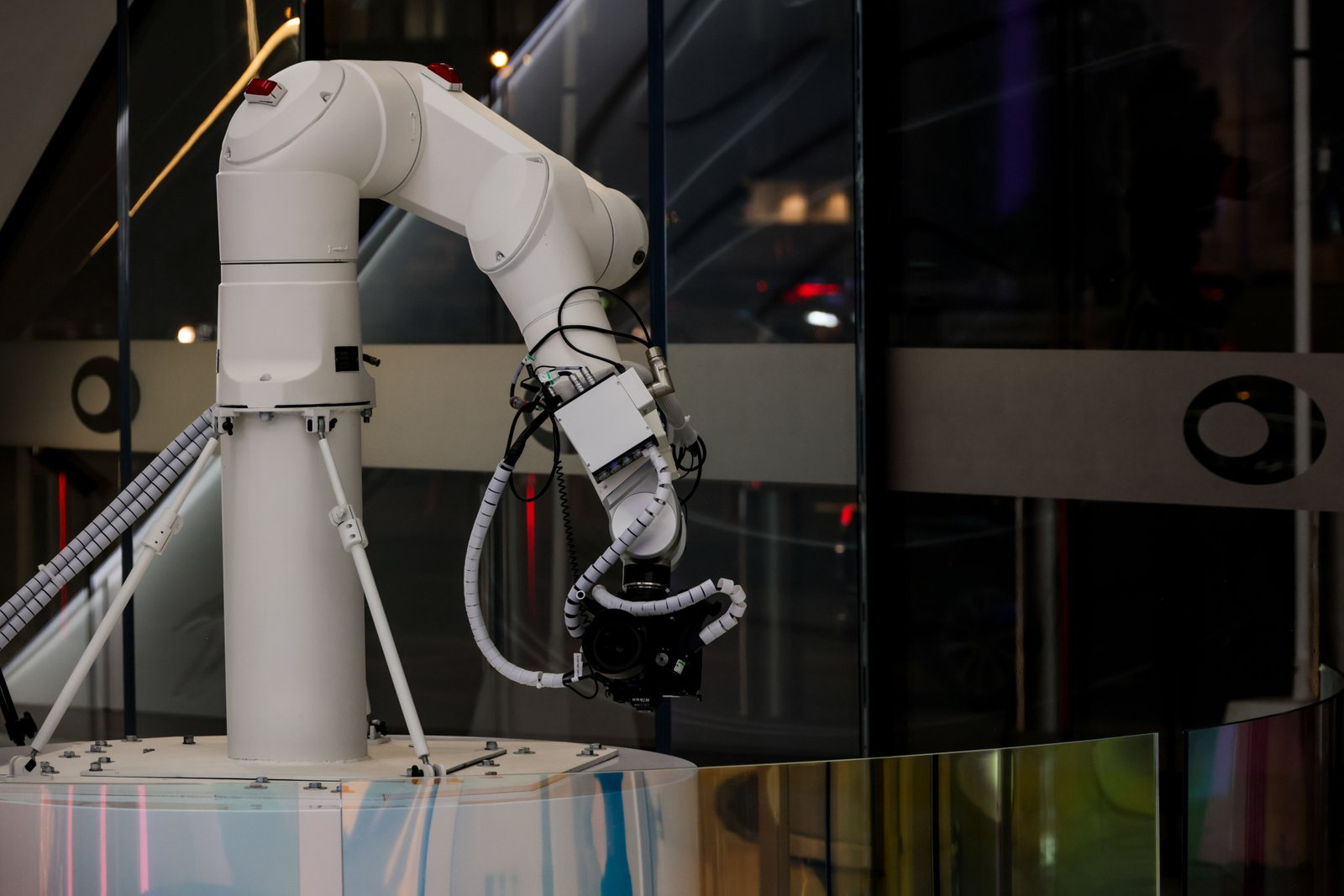
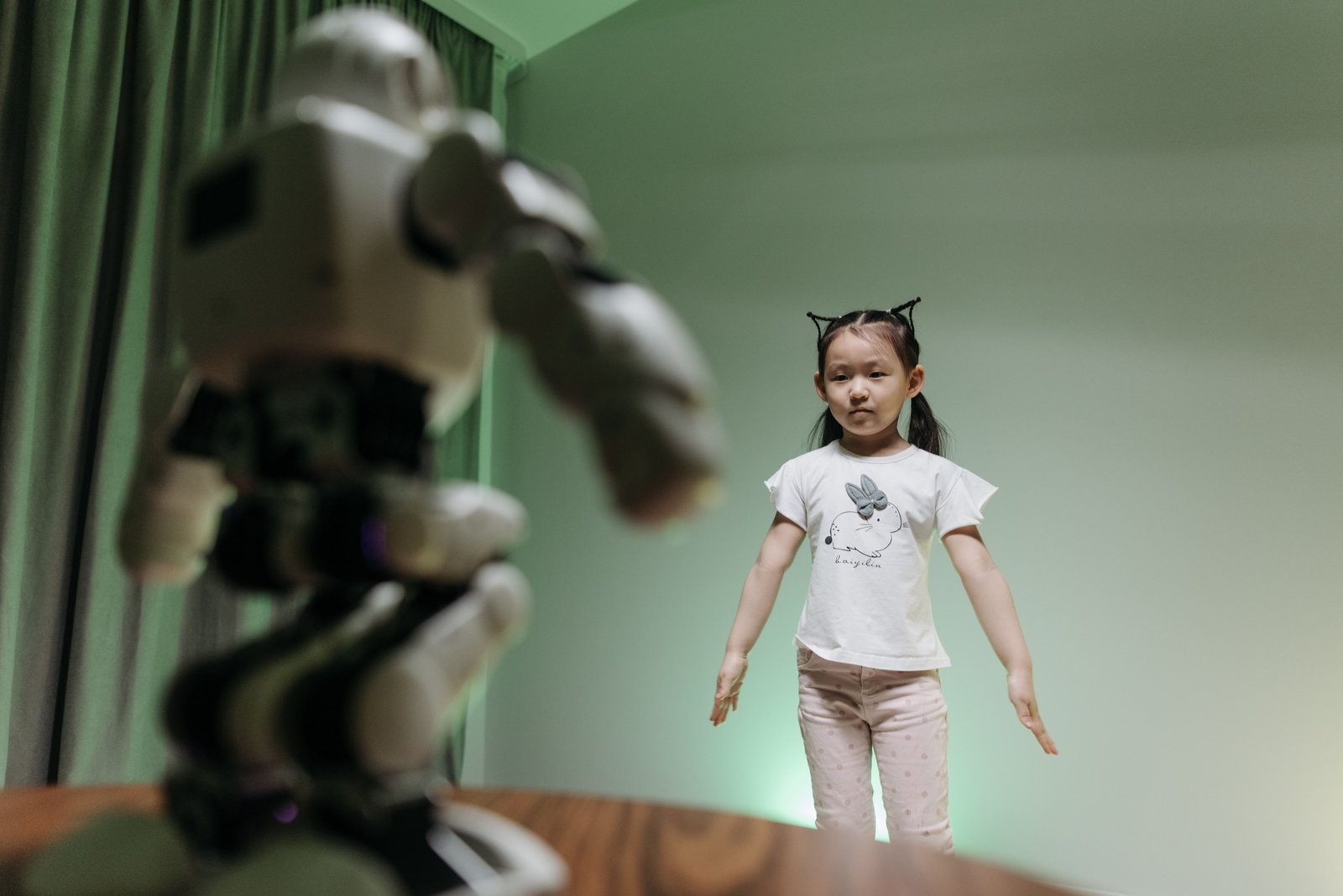
Collaborative robots, commonly known as cobots, are designed to work safely alongside human employees.
Cobots assist with:
- Assembly operations
- Material handling
- Packaging
- Machine tending
- Precision manufacturing
Unlike conventional industrial robots, cobots enhance human productivity by performing repetitive and physically demanding tasks while allowing employees to focus on higher-value activities. Human-robot collaboration improves workplace efficiency.
Artificial Intelligence Enables Intelligent Automation
Artificial intelligence allows robotic systems to make informed operational decisions based on real-time production data.
AI supports:
- Task optimization
- Production scheduling
- Adaptive learning
- Equipment coordination
- Process improvement
Machine learning enables robots to improve performance continuously while adapting to changing manufacturing requirements. Intelligent automation strengthens production capabilities.
Computer Vision Enhances Manufacturing Accuracy
Advanced robotic vision systems enable machines to recognize products, inspect components, and guide manufacturing operations with high precision.
Computer vision supports:
- Object recognition
- Component alignment
- Quality inspection
- Barcode reading
- Automated sorting
Visual intelligence improves production accuracy while reducing manufacturing errors. Advanced imaging enhances operational quality.
Autonomous Production Lines Increase Efficiency
Modern manufacturing facilities are deploying autonomous robotic systems capable of coordinating multiple production activities.
Autonomous operations include:
- Product assembly
- Material transportation
- Inventory movement
- Packaging automation
- Production monitoring
Integrated robotic systems improve workflow efficiency while reducing production delays. Autonomous manufacturing supports continuous operations.
Smart Sensors Improve Operational Monitoring
Robotic systems utilize intelligent sensors to collect and analyze production information continuously.
Sensors monitor:
- Equipment performance
- Temperature
- Positioning
- Vibration
- Operational safety
Real-time monitoring enables faster decision-making while improving manufacturing reliability. Connected sensors strengthen industrial intelligence.
Predictive Maintenance Reduces Downtime
Artificial intelligence helps robotic systems identify maintenance requirements before equipment failures occur.
Predictive maintenance evaluates:
- Motor performance
- Mechanical wear
- Operating conditions
- Component health
- Maintenance history
Early detection minimizes production interruptions while extending equipment lifespan. Predictive maintenance improves operational continuity.
Flexible Manufacturing Supports Product Customization
Smart robotics enables manufacturers to adapt production lines quickly for changing customer requirements.
Flexible manufacturing supports:
- Small production batches
- Product customization
- Rapid configuration changes
- Multi-product manufacturing
- Shorter production cycles
Greater flexibility enables manufacturers to respond more effectively to evolving market demands. Adaptive production improves competitiveness.
Workplace Safety Continues to Improve
Intelligent robotic systems help reduce employee exposure to hazardous industrial environments.
Safety technologies include:
- Collision detection
- Emergency stop systems
- Safe motion control
- Hazard monitoring
- Automated dangerous operations
Advanced safety capabilities create safer manufacturing environments while improving workforce well-being. Smart robotics strengthens industrial safety.
Digital Integration Enhances Factory Connectivity
Modern robotic platforms integrate with broader digital manufacturing systems.
Connected technologies include:
- Manufacturing execution systems
- Enterprise resource planning
- Industrial IoT platforms
- Cloud analytics
- Digital twin technologies
Integrated operations improve production visibility while supporting data-driven decision-making. Digital connectivity accelerates manufacturing transformation.
Challenges Continue
Despite significant technological advancement, manufacturers continue facing several implementation challenges.
These include:
- High capital investment for advanced robotic systems
- Integration with legacy manufacturing equipment
- Workforce training for robotic operations
- Managing cybersecurity across connected production environments
- Addressing shortages of skilled automation professionals
Continued investment in artificial intelligence, industrial robotics, computer vision, Industrial IoT, cloud computing, workforce development, and industrial cybersecurity will remain essential for maximizing the benefits of smart robotics.
Looking Forward
Smart robotics is transforming manufacturing by combining collaborative robots, artificial intelligence, computer vision, intelligent automation, predictive maintenance, and digital connectivity into highly adaptive production environments.
As manufacturers continue accelerating digital transformation, smart robotics will play an increasingly important role in improving productivity, enhancing product quality, strengthening workplace safety, supporting flexible manufacturing, and driving long-term industrial innovation. The continued advancement of smart robotics reflects a broader transformation across the manufacturing industry, where intelligent automation, connected technologies, advanced analytics, industrial collaboration, and digital innovation are creating smarter, more efficient, and future-ready manufacturing operations.