Green Factories, Energy-Efficient Production, and Circular Manufacturing Are Advancing Industrial Sustainability
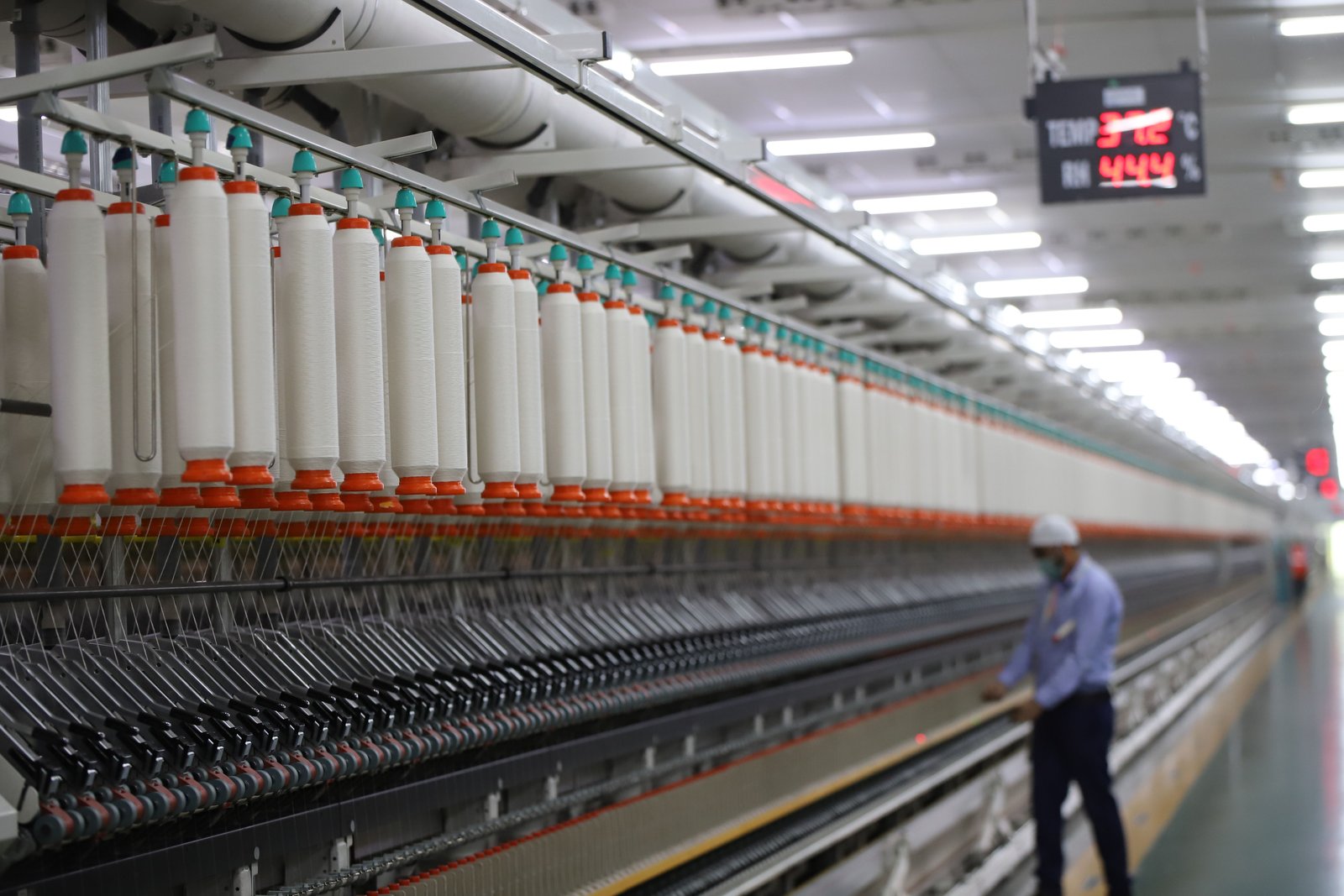
Manufacturers around the world are accelerating investments in sustainable manufacturing technologies to reduce environmental impact while improving operational efficiency and long-term competitiveness. By integrating renewable energy, energy-efficient production systems, circular manufacturing practices, artificial intelligence (AI), Industrial Internet of Things (IIoT), advanced recycling technologies, and resource optimization, manufacturers are modernizing production facilities to support both business growth and environmental responsibility.
As governments strengthen environmental regulations and businesses pursue ambitious sustainability goals, manufacturers are increasingly focusing on reducing carbon emissions, minimizing industrial waste, conserving natural resources, and improving energy efficiency throughout production processes. Sustainable manufacturing is becoming a strategic priority across industries including automotive, electronics, chemicals, food and beverage, pharmaceuticals, aerospace, construction materials, and industrial equipment manufacturing.
Industry experts believe sustainable manufacturing will play a central role in the future of industrial development as organizations continue balancing productivity with environmental stewardship.
Energy-Efficient Production Reduces Industrial Consumption
Manufacturers are deploying advanced technologies to optimize energy usage across production facilities.
Energy-efficient initiatives include:
- High-efficiency machinery
- Smart energy management systems
- Variable-speed motors
- Automated lighting controls
- Heat recovery systems
Optimized energy consumption lowers operational costs while reducing environmental impact. Energy efficiency strengthens industrial sustainability.
Renewable Energy Powers Modern Factories
Manufacturing companies are increasing the use of renewable energy sources to support cleaner industrial operations.
Renewable energy solutions include:
- Solar power systems
- Wind energy integration
- Biomass energy
- Hydroelectric power
- Energy storage technologies
Clean energy reduces dependence on conventional power sources while supporting long-term carbon reduction objectives. Renewable energy accelerates sustainable production.
Circular Manufacturing Minimizes Waste
Circular manufacturing focuses on maximizing resource utilization by extending product and material lifecycles.
Circular practices include:
- Material recycling
- Product refurbishment
- Component reuse
- Waste recovery
- Closed-loop production systems
Efficient resource management helps manufacturers reduce waste while improving operational efficiency. Circular strategies support responsible manufacturing.
Artificial Intelligence Optimizes Resource Utilization
Artificial intelligence enables manufacturers to improve production efficiency through data-driven optimization.
AI applications include:
- Energy consumption analysis
- Production optimization
- Material utilization
- Waste reduction
- Process automation
Machine learning continuously identifies opportunities to improve operational performance while conserving resources. AI strengthens sustainable operations.
Smart Factories Improve Environmental Performance
Connected manufacturing technologies enable organizations to monitor environmental performance in real time.
Smart factory capabilities include:
- Emissions monitoring
- Water consumption tracking
- Equipment efficiency analysis
- Resource utilization monitoring
- Sustainability reporting
Real-time operational visibility supports continuous environmental improvement across production facilities. Digital intelligence enhances sustainability.
Water Conservation Gains Importance
Manufacturers are adopting advanced water management systems to improve resource efficiency.
Water conservation initiatives include:
- Water recycling systems
- Process optimization
- Leak detection technologies
- Rainwater harvesting
- Efficient wastewater treatment
Responsible water management reduces environmental impact while supporting sustainable industrial operations. Efficient water use protects natural resources.
Sustainable Supply Chains Support Responsible Production
Manufacturers are collaborating with suppliers to improve environmental performance throughout supply chains.
Sustainable supply chain initiatives include:
- Responsible sourcing
- Sustainable packaging
- Low-emission transportation
- Supplier sustainability assessments
- Ethical procurement
Integrated sustainability strategies strengthen environmental performance across manufacturing ecosystems. Responsible sourcing improves long-term resilience.
Digital Technologies Improve Sustainability Reporting
Manufacturers increasingly rely on digital platforms to measure and report environmental performance.
Technology supports:
- Carbon footprint analysis
- Resource tracking
- Environmental dashboards
- Regulatory reporting
- ESG performance monitoring
Reliable sustainability data enables organizations to make informed operational decisions while improving transparency. Digital reporting strengthens accountability.
Innovation Supports Green Product Development
Manufacturers are designing products that reduce environmental impact throughout their lifecycle.
Innovation focuses on:
- Lightweight materials
- Recyclable products
- Eco-friendly packaging
- Energy-efficient products
- Sustainable product design
Environmentally responsible product development supports changing customer expectations while strengthening market competitiveness. Sustainable innovation drives long-term growth.
Challenges Continue
Despite significant progress, manufacturers continue facing several implementation challenges.
These include:
- High investment costs for sustainable technologies
- Integrating green solutions with existing production systems
- Managing evolving environmental regulations
- Building sustainable supplier networks
- Measuring long-term environmental performance
Continued investment in renewable energy, artificial intelligence, Industrial IoT, advanced recycling technologies, digital manufacturing platforms, environmental analytics, and workforce education will remain essential for maximizing the benefits of sustainable manufacturing.
Looking Forward
Sustainable manufacturing technologies are transforming industrial production by combining renewable energy, circular manufacturing, artificial intelligence, smart factory systems, resource optimization, and environmental innovation into highly efficient production ecosystems.
As manufacturers continue advancing digital transformation and sustainability initiatives, these technologies will play an increasingly important role in reducing carbon emissions, improving resource efficiency, strengthening operational resilience, supporting regulatory compliance, and driving long-term industrial growth.
The continued advancement of sustainable manufacturing reflects a broader transformation across the manufacturing industry, where intelligent automation, green technologies, digital innovation, responsible resource management, and environmental stewardship are creating cleaner, more efficient, and future-ready manufacturing operations.