High-Performance Composites, Smart Materials, and Next-Generation Alloys Are Transforming Industrial Production
Manufacturers are increasingly investing in advanced materials to develop stronger, lighter, and more durable products that improve performance across multiple industries. Innovations in composite materials, high-performance alloys, advanced polymers, nanomaterials, bio-based materials, and smart materials are enabling manufacturers to enhance product quality while improving manufacturing efficiency and supporting sustainability initiatives.
Traditional manufacturing materials often required compromises between strength, weight, durability, and cost. Today's advanced materials combine multiple performance characteristics that allow manufacturers to design products capable of operating in demanding environments while reducing energy consumption and extending product life. These innovations are reshaping industries including aerospace, automotive, electronics, healthcare, construction, renewable energy, defense, and industrial equipment manufacturing.
Research institutions, material science companies, manufacturers, universities, and technology firms are collaborating to accelerate the development and commercialization of next-generation materials that support modern industrial applications. Industry experts believe advanced materials will become increasingly important as manufacturers pursue higher efficiency, improved sustainability, and greater product innovation.
Lightweight Composites Improve Product Performance
Composite materials combine multiple substances to achieve superior mechanical properties.
Composite applications include:
- Aircraft structures
- Automotive components
- Wind turbine blades
- Sporting equipment
- Industrial machinery
Reduced weight improves fuel efficiency, lowers operating costs, and enhances overall product performance. Lightweight materials strengthen manufacturing innovation.
High-Performance Alloys Expand Industrial Applications
Manufacturers are developing advanced metal alloys capable of performing under extreme operating conditions.
Advanced alloys support:
- Aerospace engines
- Medical devices
- Industrial turbines
- Power generation equipment
- Chemical processing systems
Improved strength and corrosion resistance extend equipment lifespan while enhancing operational reliability. Advanced metallurgy supports industrial growth.
Smart Materials Respond to Environmental Changes
Smart materials can automatically change their properties in response to external conditions.
Applications include:
- Shape-memory alloys
- Self-healing materials
- Temperature-responsive polymers
- Adaptive coatings
- Intelligent sensors
Responsive materials create opportunities for more efficient and intelligent product designs. Smart materials enable next-generation manufacturing.
Nanomaterials Improve Strength and Efficiency
Nanotechnology is enabling the development of materials with enhanced physical and chemical properties.
Nanomaterial applications include:
- Protective coatings
- Electronics manufacturing
- Medical technologies
- Battery development
- Industrial composites
Improved material performance supports innovation across multiple manufacturing sectors. Nanotechnology enhances product capabilities.
Advanced Polymers Increase Manufacturing Flexibility
High-performance polymers are replacing traditional materials in many industrial applications.
Advanced polymers offer:
- Lightweight construction
- Chemical resistance
- Thermal stability
- Electrical insulation
- Design flexibility
Versatile materials enable manufacturers to develop products that meet demanding operational requirements. Modern polymers expand manufacturing possibilities.
Bio-Based Materials Support Sustainability
Manufacturers are increasingly exploring renewable materials that reduce environmental impact.
Bio-based materials include:
- Plant-based composites
- Biodegradable polymers
- Renewable fibers
- Sustainable packaging materials
- Natural resin systems
Environmentally responsible materials support circular manufacturing while reducing dependence on fossil-based resources. Sustainable materials promote greener production.
Artificial Intelligence Accelerates Material Discovery
Artificial intelligence is helping researchers identify and develop new materials more efficiently.
AI supports:
- Material simulation
- Performance prediction
- Chemical analysis
- Research optimization
- Product development
Machine learning reduces research timelines while accelerating innovation in material science. AI advances manufacturing research.
Digital Manufacturing Enhances Material Utilization
Modern production technologies enable manufacturers to optimize the use of advanced materials.
Digital manufacturing supports:
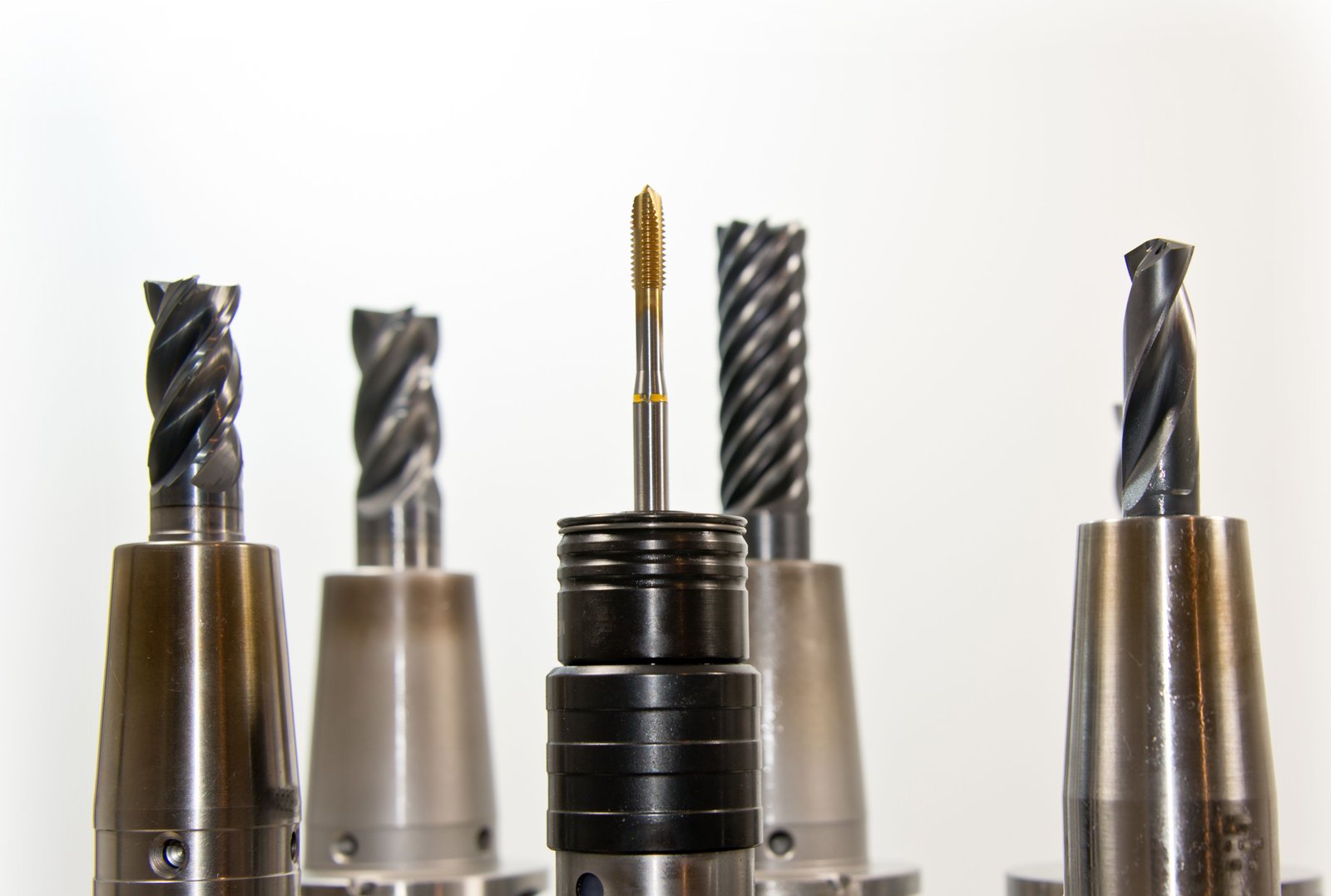
- Precision machining
- Additive manufacturing
- Automated production
- Material tracking
- Quality monitoring
Efficient processing reduces waste while maximizing material performance. Digital technologies improve production efficiency.
Quality Testing Ensures Product Reliability
Manufacturers are implementing advanced testing methods to evaluate material performance.
Testing processes include:
- Mechanical strength analysis
- Fatigue testing
- Thermal performance evaluation
- Corrosion resistance testing
- Non-destructive inspection
Comprehensive testing helps manufacturers maintain high product quality while ensuring long-term reliability. Rigorous testing strengthens customer confidence.
Challenges Continue
Despite rapid innovation, manufacturers continue facing several implementation challenges.
These include:
- High development and production costs
- Scaling advanced materials for mass production
- Integrating new materials into existing manufacturing processes
- Meeting industry certification standards
- Expanding skilled expertise in material science
Continued investment in material research, artificial intelligence, advanced manufacturing technologies, digital engineering, quality assurance, and workforce development will remain essential for maximizing the benefits of advanced materials.
Looking Forward
Advanced materials are transforming manufacturing by combining high-performance composites, intelligent materials, nanotechnology, advanced polymers, artificial intelligence, and digital manufacturing into highly innovative production ecosystems.
As manufacturers continue pursuing greater efficiency, sustainability, and product performance, advanced materials will play an increasingly important role in improving industrial competitiveness, supporting technological innovation, reducing environmental impact, and enabling next-generation manufacturing capabilities.
The continued advancement of advanced materials reflects a broader transformation across the manufacturing industry, where material science, intelligent automation, digital engineering, sustainable innovation, and advanced production technologies are creating stronger, lighter, and future-ready industrial products.