Office-to-Residential Conversions, Mixed-Use Redevelopment, and Sustainable Building Reuse Are Reshaping Modern Cities
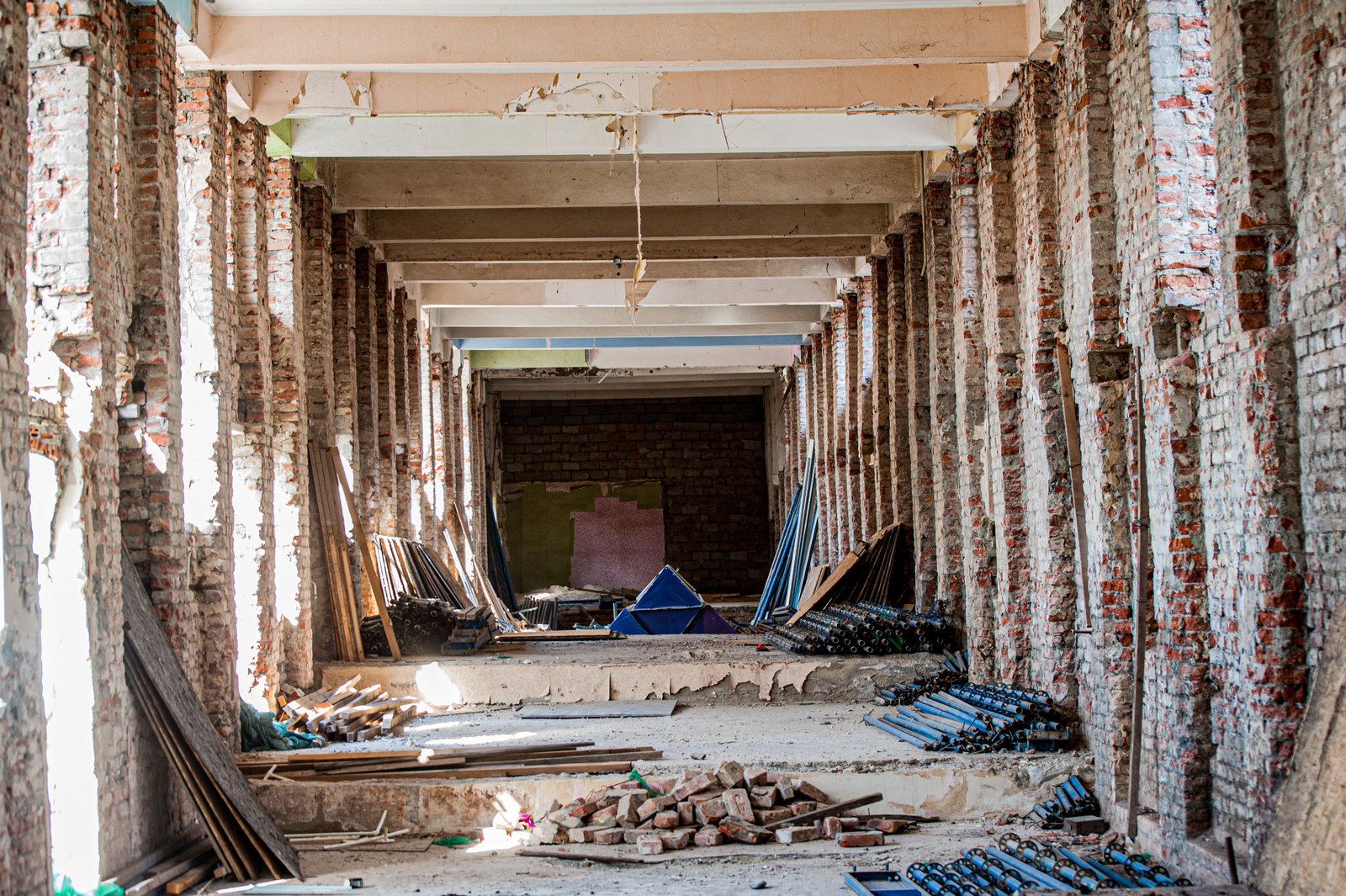
Cities around the world are increasingly embracing adaptive reuse projects as developers transform aging commercial properties into vibrant residential, mixed-use, hospitality, and community spaces. Rather than demolishing existing structures, adaptive reuse focuses on repurposing underutilized buildings to meet evolving market demands while preserving valuable infrastructure, reducing construction waste, and supporting sustainable urban development.
The shift in workplace trends, changing retail patterns, and growing demand for housing have encouraged developers to rethink traditional real estate strategies. Vacant office buildings, former industrial facilities, warehouses, shopping centers, and historic properties are being converted into apartments, hotels, educational institutions, healthcare facilities, innovation hubs, and cultural spaces that better align with modern urban needs.
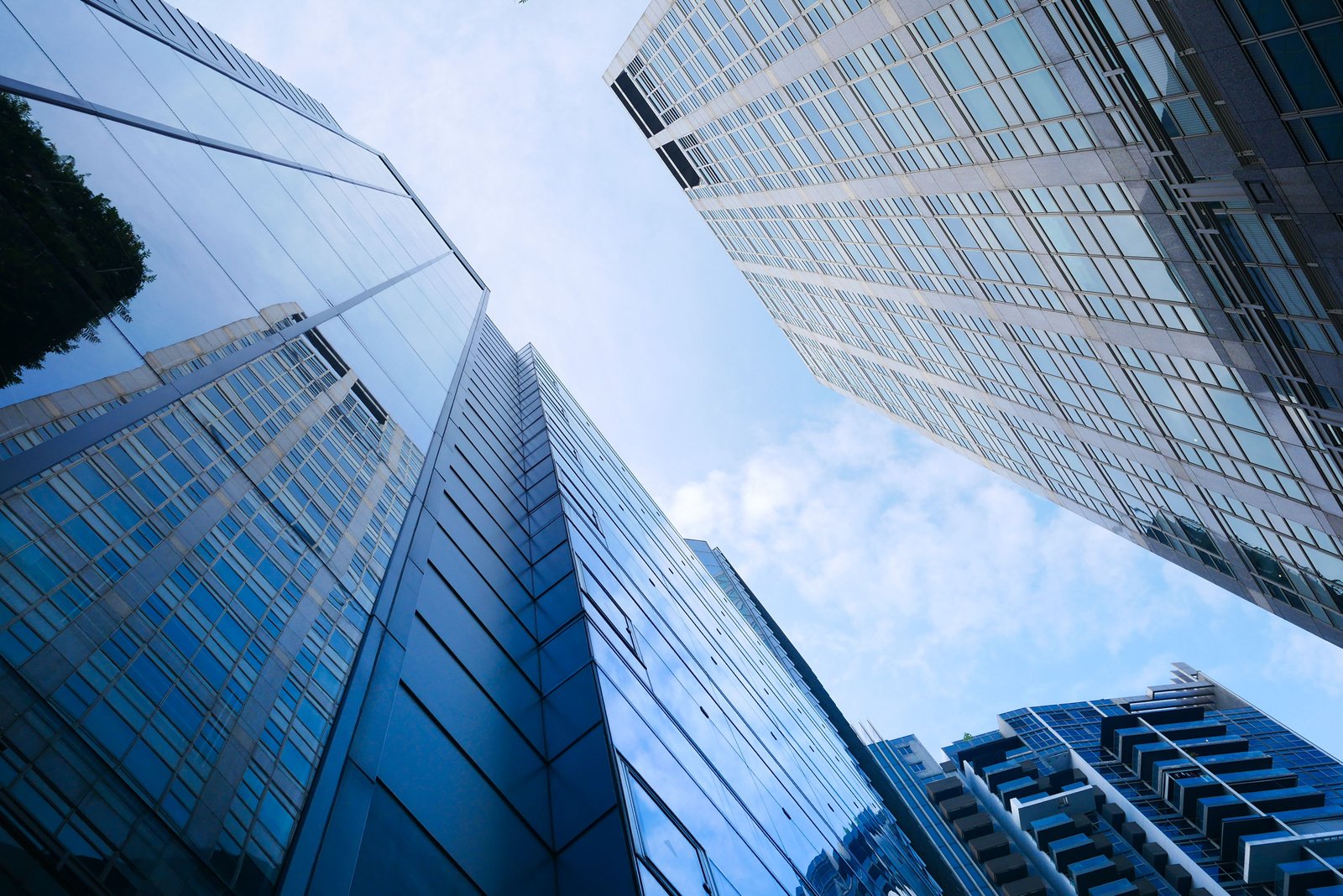
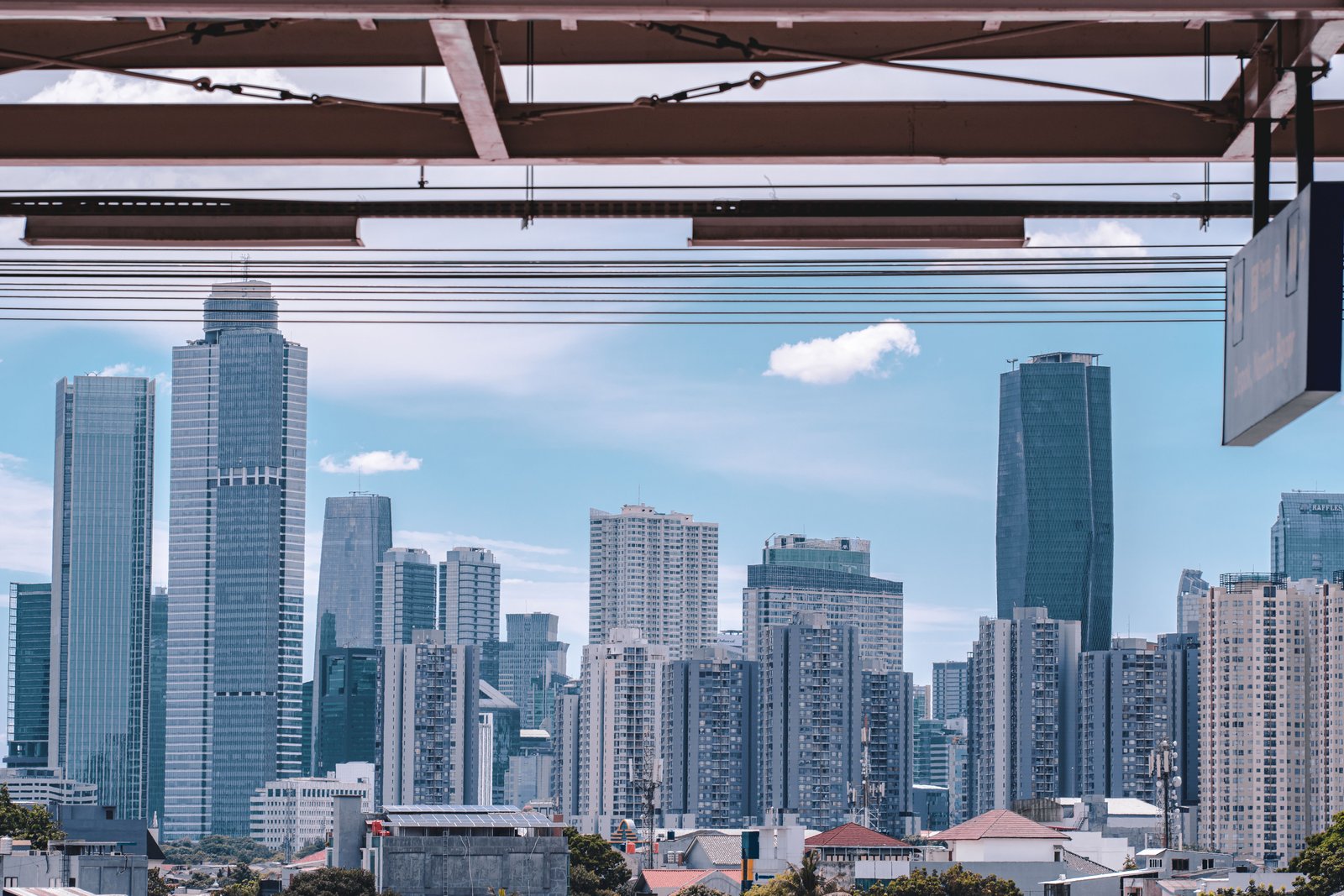
Real estate developers, architects, urban planners, municipal governments, investors, sustainability consultants, and construction companies are investing in adaptive reuse initiatives to revitalize city centers while maximizing the value of existing assets. Industry experts believe adaptive reuse will become an increasingly important strategy for sustainable real estate development as cities prioritize efficient land use, environmental responsibility, and economic revitalization.
Office-to-Residential Conversions Address Housing Demand
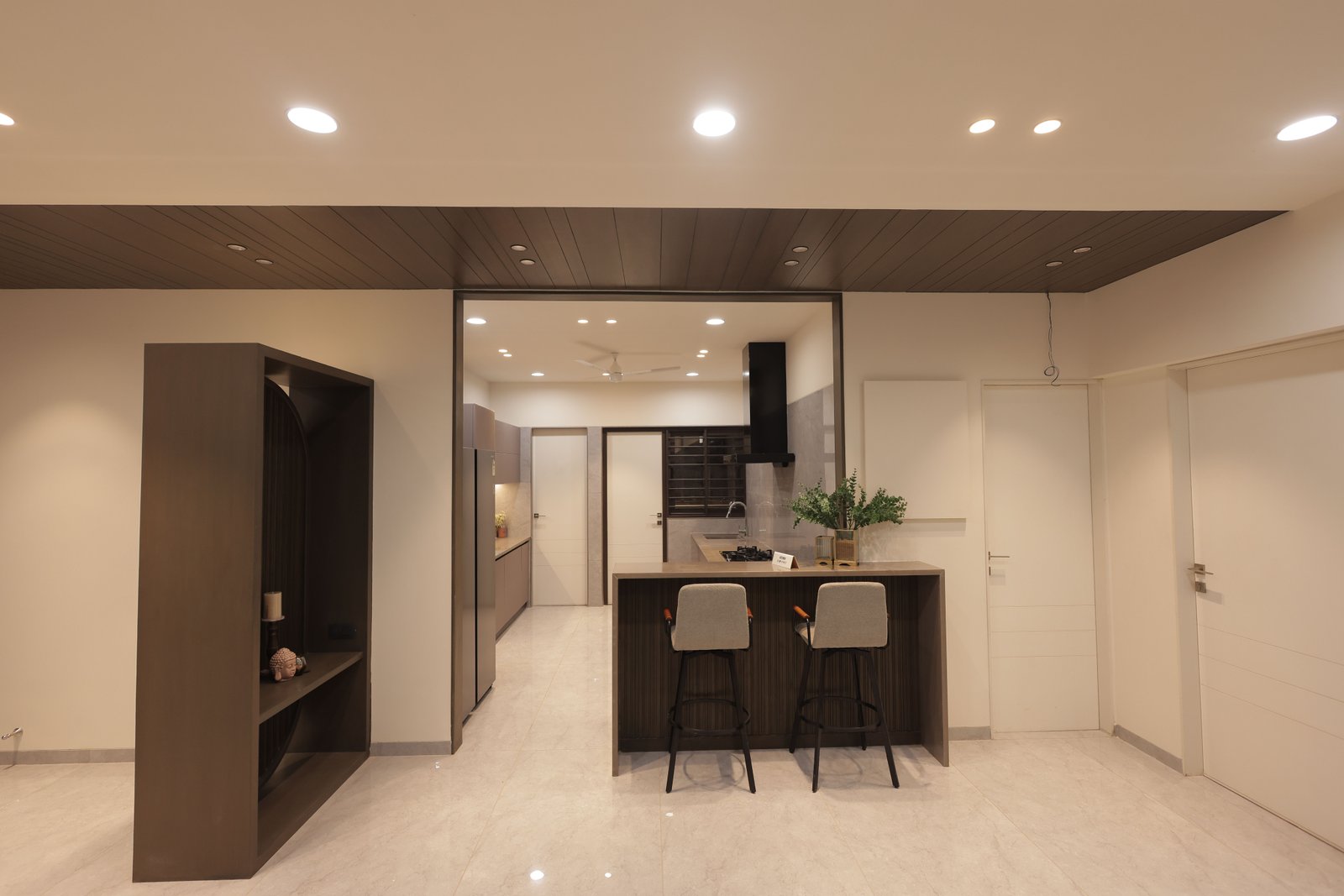
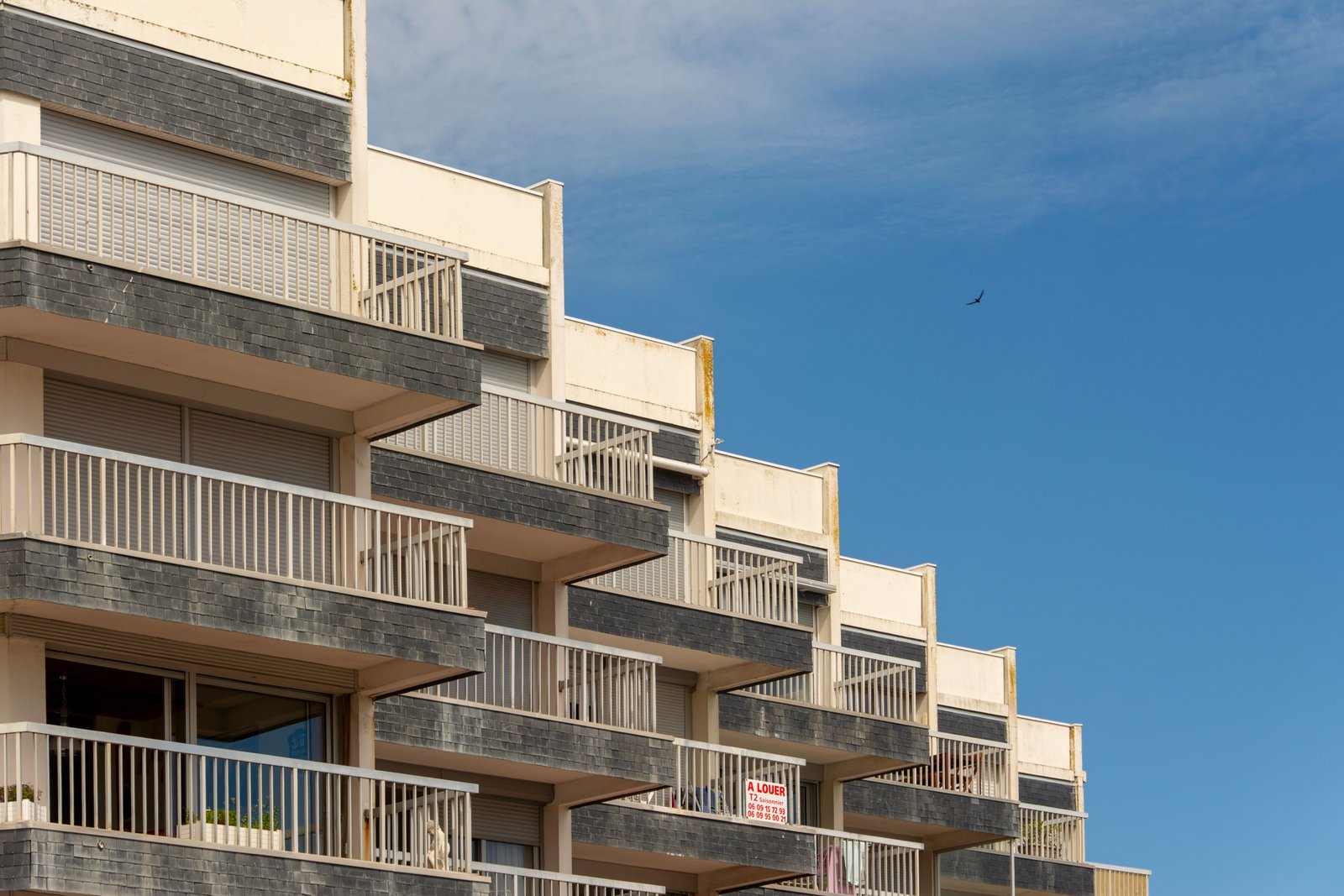
Many cities are converting underutilized office buildings into residential communities.
Conversion projects support:
- Apartments
- Affordable housing
- Student accommodation
- Senior living communities
- Mixed-income developments
Repurposing office space helps address housing shortages while revitalizing urban business districts. Residential conversion improves city vitality.
Mixed-Use Developments Create Vibrant Communities
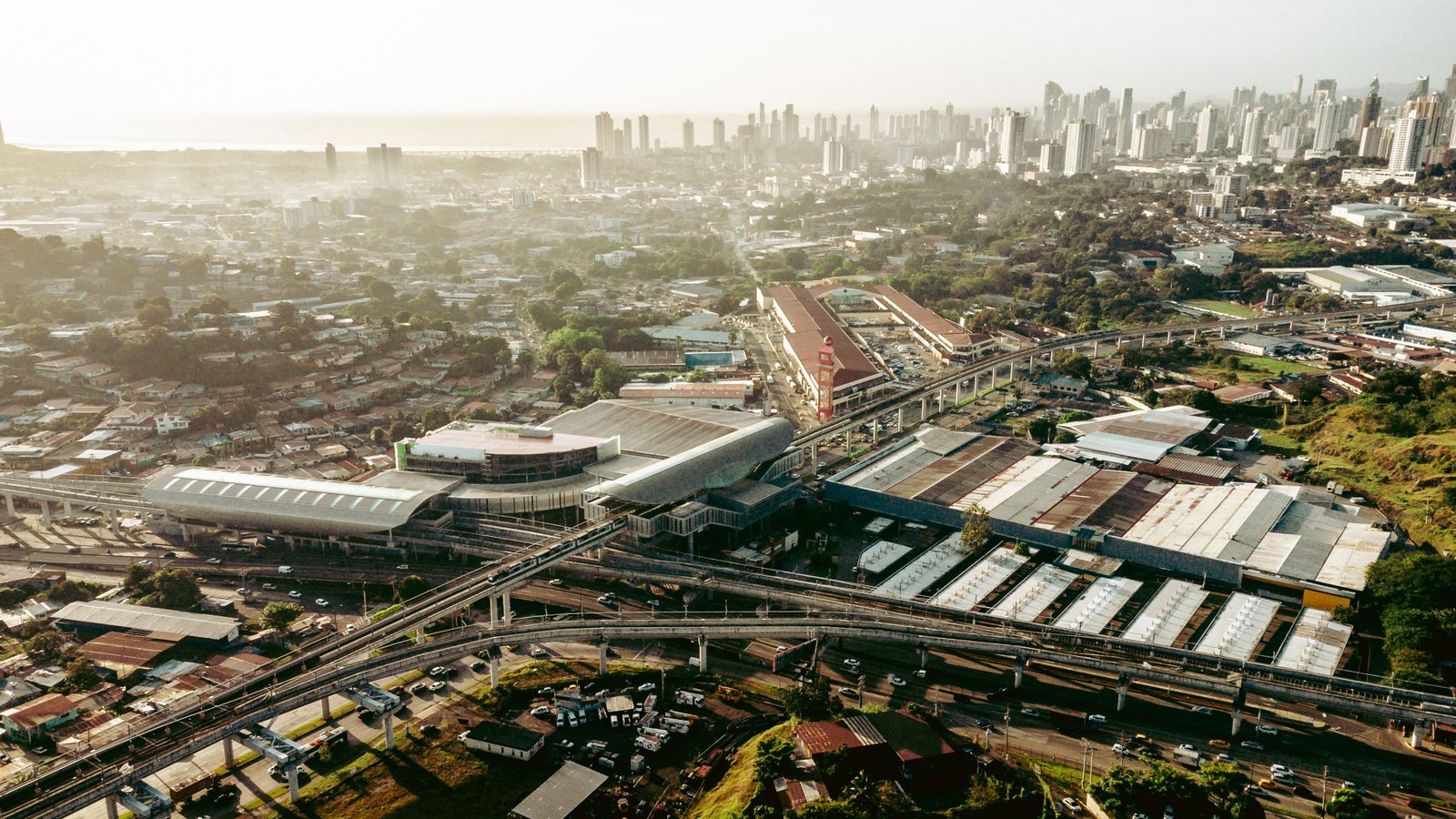
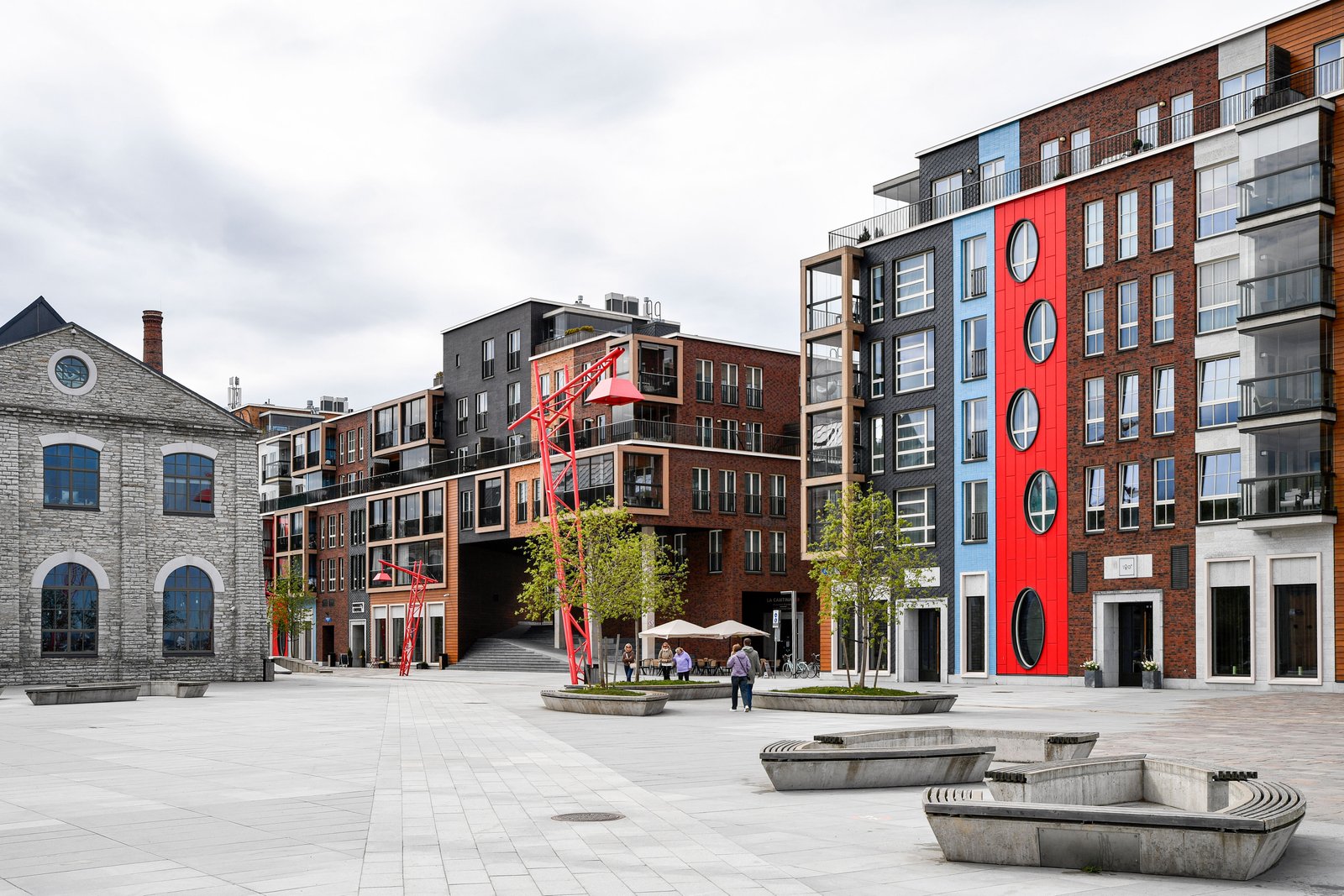
Adaptive reuse projects increasingly combine residential, commercial, retail, and recreational spaces within a single development.
Mixed-use environments include:
- Retail outlets
- Restaurants
- Office space
- Residential units
- Public gathering areas
Integrated developments encourage walkable neighborhoods while supporting local economic activity. Mixed-use planning strengthens urban communities.
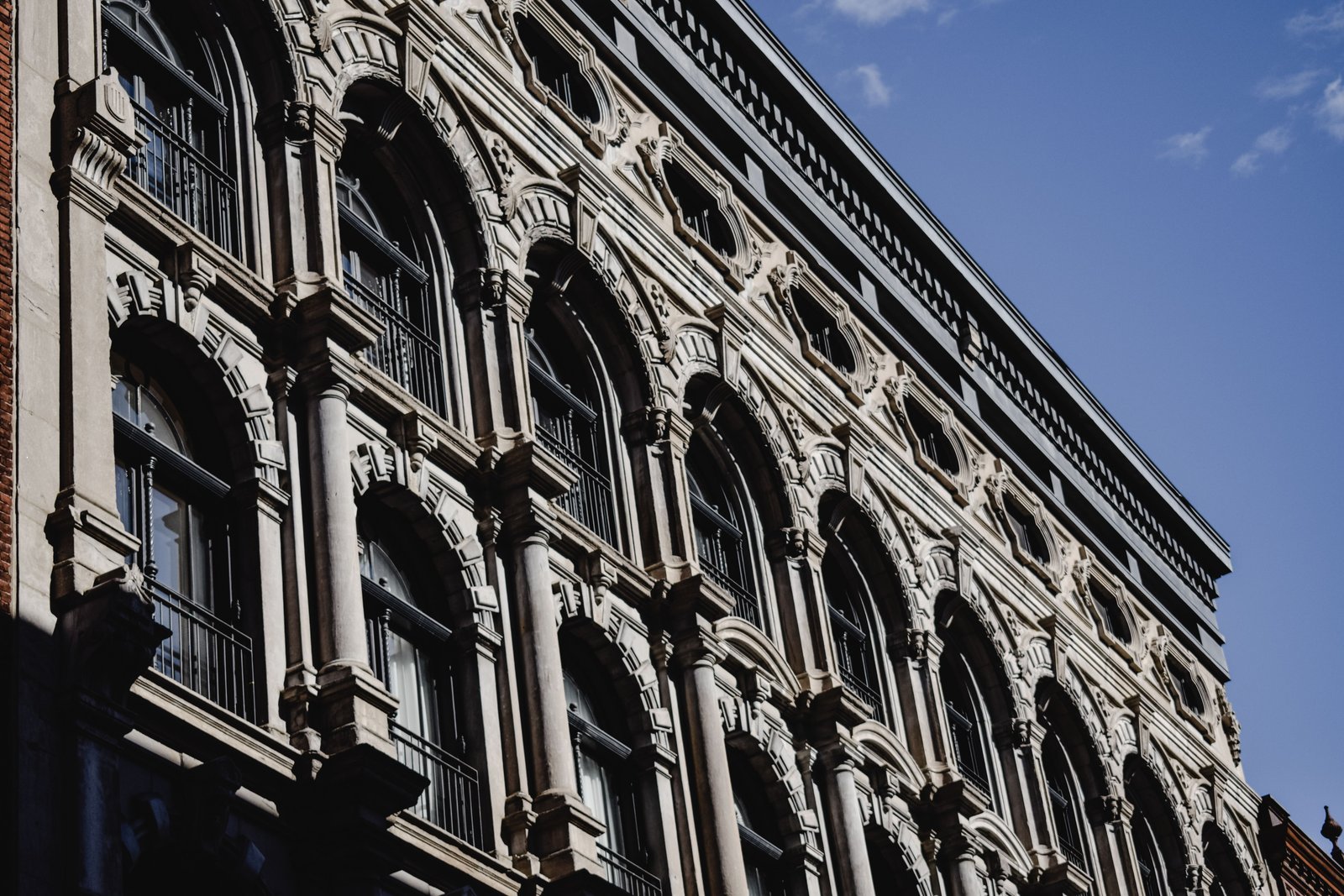
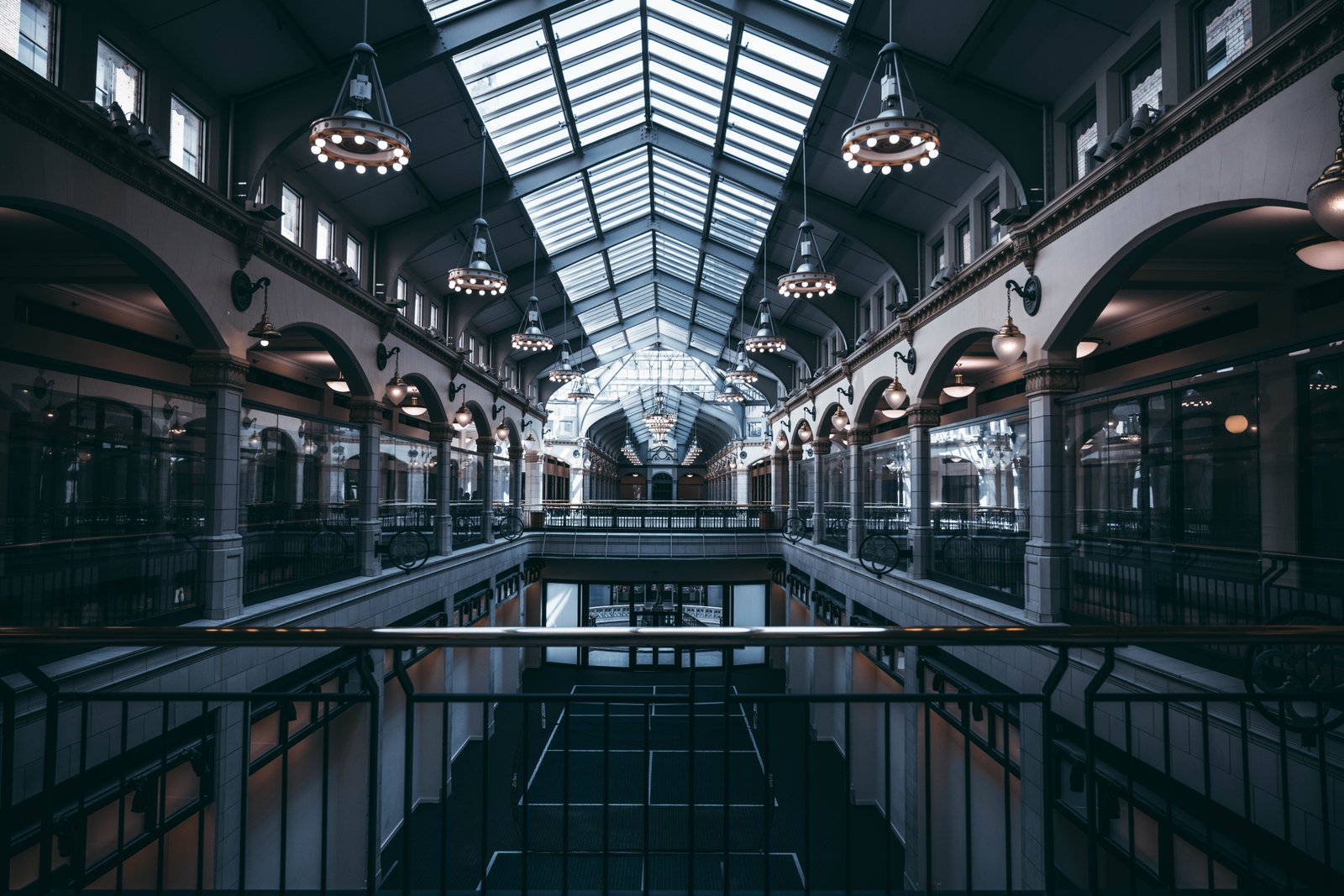
Historic Buildings Gain New Purpose
Developers are preserving architecturally significant buildings while modernizing them for contemporary use.
Historic redevelopment supports:
- Boutique hotels
- Cultural centers
- Museums
- Creative office spaces
- Luxury residences
Sustainable Redevelopment Reduces Environmental Impact
Adaptive reuse minimizes the environmental footprint associated with new construction.
Environmental benefits include:
- Lower construction waste
- Reduced material consumption
- Lower carbon emissions
- Conservation of existing structures
- Efficient land utilization
Reusing buildings supports circular construction principles while promoting long-term sustainability. Sustainable redevelopment benefits the environment.
Artificial Intelligence Improves Project Planning
Artificial intelligence is helping developers evaluate redevelopment opportunities more efficiently.
AI applications include:
- Structural assessment
- Cost estimation
- Market analysis
- Space optimization
- Project risk evaluation
Data-driven planning improves investment decisions while reducing redevelopment risks. AI enhances project efficiency.
Smart Building Technologies Modernize Existing Properties
Renovated buildings are increasingly equipped with intelligent digital systems.
Modern upgrades include:
- Smart lighting
- Intelligent HVAC systems
- IoT-enabled monitoring
- Building automation
- Energy management platforms
Technology integration improves operational performance while enhancing tenant comfort. Smart upgrades increase property value.
Public-Private Partnerships Accelerate Urban Renewal
Governments and private developers are collaborating to support large-scale adaptive reuse projects.
Partnerships focus on:
- Infrastructure improvements
- Incentive programs
- Heritage preservation
- Affordable housing
- Community development
Collaborative investment encourages sustainable redevelopment while supporting long-term urban growth. Public-private cooperation strengthens revitalization.
Wellness and Sustainability Drive Tenant Demand
Modern redevelopment projects prioritize healthier indoor environments and environmentally responsible design.
Key features include:
- Natural daylight optimization
- Indoor air quality improvements
- Green spaces
- Energy-efficient systems
- Sustainable building materials
Wellness-focused design improves occupant satisfaction while supporting ESG objectives. Healthy buildings attract long-term tenants.
Digital Property Management Improves Operations
Advanced property management platforms optimize the performance of redeveloped buildings.
Digital solutions support:
- Maintenance scheduling
- Occupancy monitoring
- Energy analytics
- Security management
- Asset performance tracking
Connected management systems improve operational efficiency throughout the building lifecycle. Digital tools enhance facility management.
Challenges Continue
Despite growing adoption, adaptive reuse projects continue to face several implementation challenges.
These include:
- Structural limitations of older buildings
- Complex regulatory approvals
- Higher renovation costs
- Preserving historical architecture while meeting modern standards
- Integrating new technologies into existing structures
Continued investment in artificial intelligence, sustainable construction, smart building technologies, digital property management, urban planning, and collaborative public-private initiatives will remain essential for maximizing the benefits of adaptive reuse.
Looking Forward
Adaptive reuse is transforming urban commercial real estate by combining sustainable redevelopment, historic preservation, smart building technologies, artificial intelligence, mixed-use planning, and digital property management into highly efficient urban development strategies.
As cities continue responding to changing economic, environmental, and housing needs, adaptive reuse will play an increasingly important role in revitalizing urban neighborhoods, reducing construction waste, improving resource efficiency, supporting affordable housing, and strengthening long-term property value.
The continued advancement of adaptive reuse reflects a broader transformation across the real estate industry, where sustainable innovation, intelligent planning, digital technologies, community-focused development, and environmental responsibility are creating more resilient, efficient, and future-ready urban environments.