Disaster-Resistant Construction, Sustainable Urban Planning, and Climate Adaptation Strategies Are Reshaping Modern Property Development
The real estate industry is increasingly prioritizing climate-resilient design as developers, governments, and investors respond to the growing impact of extreme weather events, rising sea levels, flooding, heatwaves, and changing environmental conditions. Climate-resilient real estate focuses on designing, constructing, and managing buildings that can better withstand climate-related risks while ensuring long-term operational performance, occupant safety, and asset value.
As climate challenges become more frequent, property developers are integrating resilient engineering, sustainable construction materials, flood-resistant infrastructure, green stormwater management, energy-efficient systems, and advanced digital monitoring technologies into residential, commercial, industrial, and mixed-use developments. These strategies not only reduce environmental risks but also improve long-term investment stability and community resilience.
Real estate developers, architects, urban planners, engineering firms, insurance companies, governments, environmental consultants, and institutional investors are collaborating to develop infrastructure capable of adapting to evolving climate conditions. Industry experts believe climate resilience will become a defining principle of future real estate development as cities continue strengthening environmental sustainability and disaster preparedness.
Resilient Building Design Reduces Climate Risks
Modern buildings are being engineered to withstand increasingly severe environmental conditions.
Resilient construction features include:
- Reinforced structural systems
- Flood-resistant foundations
- Wind-resistant building envelopes
- Fire-resistant materials
- Elevated critical infrastructure
These design improvements enhance building durability while protecting occupants and valuable assets. Resilient engineering strengthens long-term performance.
Flood Management Improves Urban Protection
Flood mitigation has become a major priority for developments located in vulnerable regions.
Flood resilience solutions include:
- Elevated building platforms
- Permeable pavements
- Rainwater detention systems
- Stormwater drainage improvements
- Flood barriers
Effective water management reduces flood damage while supporting sustainable urban development. Smart infrastructure improves environmental resilience.
Sustainable Materials Enhance Building Durability
Developers are selecting environmentally responsible materials that perform well under changing climate conditions.
Sustainable construction materials include:
- Recycled steel
- Low-carbon concrete
- Engineered timber
- Weather-resistant composites
- High-performance insulation
Durable materials improve building lifespan while reducing environmental impact. Sustainable construction supports resilient communities.
Green Infrastructure Supports Climate Adaptation
Nature-based solutions are increasingly integrated into urban developments to manage environmental challenges.
Green infrastructure includes:
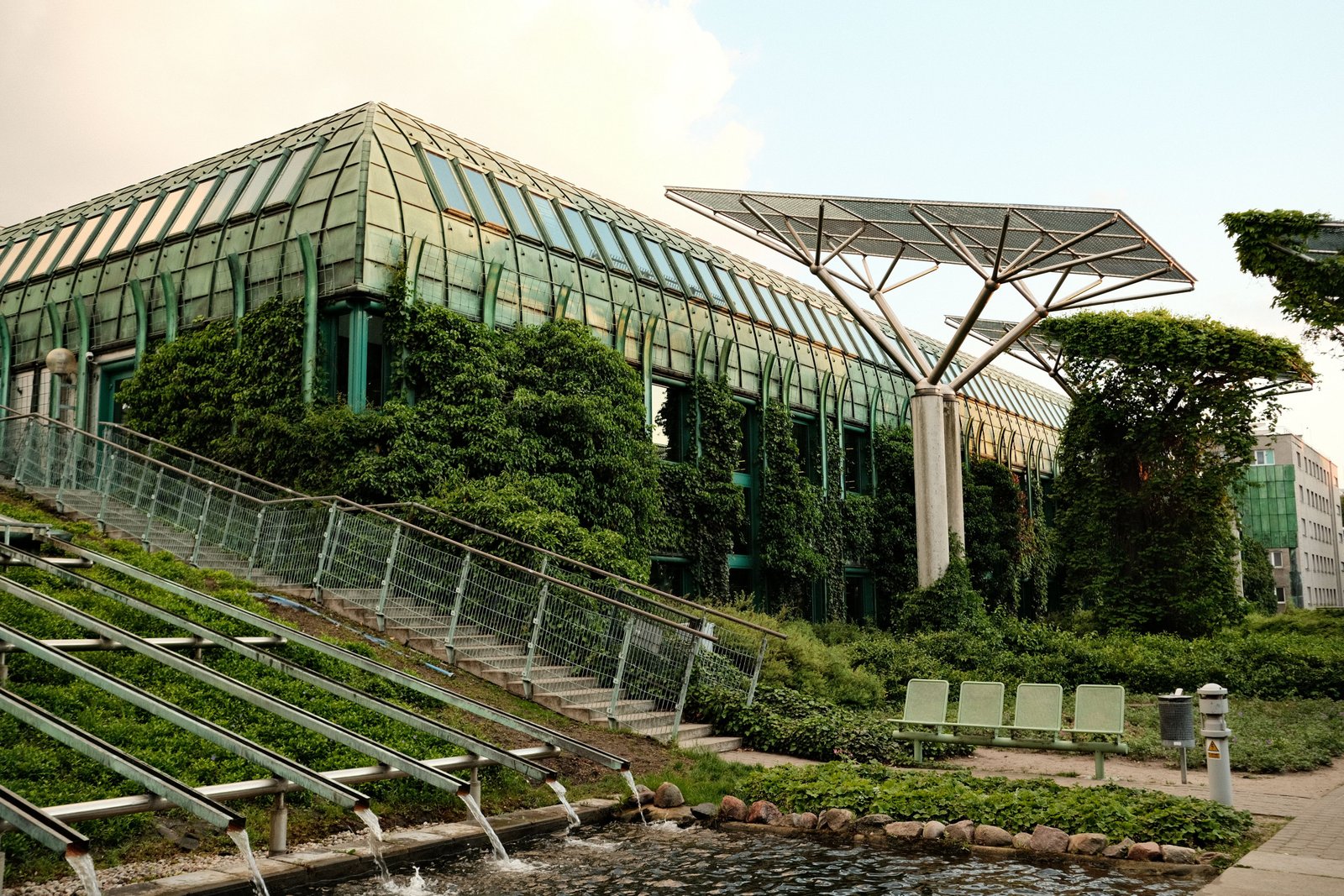
- Green roofs
- Urban forests
- Bioswales
- Rain gardens
- Vegetated open spaces
Natural systems improve stormwater management while reducing urban heat island effects. Green design strengthens environmental performance.
Artificial Intelligence Improves Climate Risk Assessment
Artificial intelligence enables developers to analyze climate risks before construction begins.
AI applications include:
- Flood risk modeling
- Weather forecasting
- Infrastructure planning
- Environmental simulations
- Asset vulnerability analysis
Data-driven insights improve development planning while reducing long-term investment risks. AI supports resilient decision-making.
Smart Buildings Adapt to Changing Conditions
Digital technologies help buildings respond automatically to environmental changes.
Smart building systems manage:
- Indoor temperature
- Energy consumption
- Water usage
- Emergency response
- Environmental monitoring
Automated controls improve operational efficiency while enhancing occupant safety during extreme weather events. Smart technology strengthens resilience.
Renewable Energy Improves Infrastructure Reliability
Climate-resilient developments increasingly incorporate renewable energy systems to improve energy security.
Renewable solutions include:
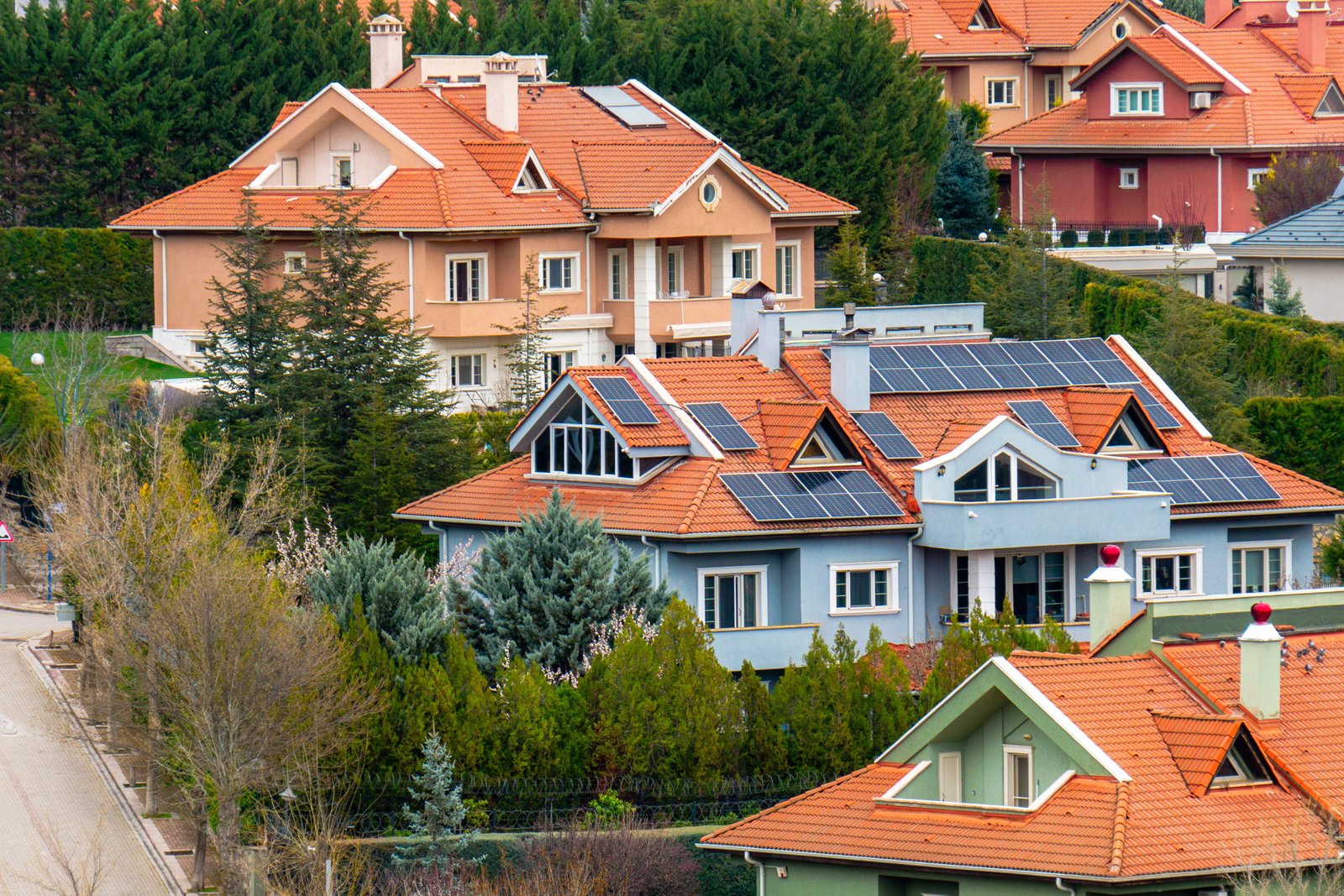
- Rooftop solar panels
- Battery energy storage
- Microgrids
- Electric vehicle charging
- Smart energy management
Independent energy systems improve building resilience during power disruptions. Clean energy supports reliable operations.
Urban Planning Prioritizes Resilient Communities
Cities are integrating climate adaptation into long-term development strategies.
Planning initiatives include:
- Resilient transportation networks
- Sustainable zoning
- Coastal protection measures
- Community resilience planning
- Environmental conservation
Comprehensive planning helps communities better prepare for future climate challenges. Strategic planning improves urban sustainability.
ESG Investment Encourages Resilient Development
Institutional investors increasingly evaluate climate resilience when making real estate investment decisions.
Investment priorities include:
- Environmental performance
- Climate risk management
- Sustainable construction
- Long-term asset resilience
- Responsible governance
Climate-conscious investments support stronger financial performance while encouraging sustainable development. ESG strategies strengthen market confidence.
Challenges Continue
Despite growing adoption, climate-resilient real estate continues facing several implementation challenges.
These include:
- Higher upfront construction costs
- Updating existing buildings to modern resilience standards
- Integrating climate data into planning processes
- Balancing affordability with resilience investments
- Addressing evolving environmental regulations
Continued investment in resilient engineering, artificial intelligence, sustainable materials, renewable energy, digital infrastructure, climate research, and collaborative urban planning will remain essential for maximizing the benefits of climate-resilient real estate.
Looking Forward
Climate-resilient real estate is transforming property development by combining disaster-resistant engineering, sustainable construction, green infrastructure, artificial intelligence, renewable energy, and smart building technologies into highly adaptable urban ecosystems.
As cities continue preparing for future environmental challenges, climate-resilient developments will play an increasingly important role in protecting infrastructure, improving public safety, strengthening investment resilience, reducing environmental impact, and supporting sustainable urban growth. The continued advancement of climate-resilient real estate reflects a broader transformation across the property industry, where intelligent design, environmental responsibility, digital innovation, resilient infrastructure, and long-term sustainability are creating safer, stronger, and future-ready communities.