AI Infrastructure, Cloud Computing Facilities, and Digital Connectivity Are Reshaping Commercial Property Markets
The rapid growth of artificial intelligence (AI), cloud computing, digital services, and high-speed connectivity is fueling unprecedented demand for data centers, creating a new wave of investment across the commercial real estate sector. As businesses increasingly rely on digital infrastructure to support AI applications, cloud platforms, streaming services, financial systems, healthcare technologies, and enterprise operations, developers and investors are expanding data center developments to meet rising global demand for secure, high-performance computing facilities.
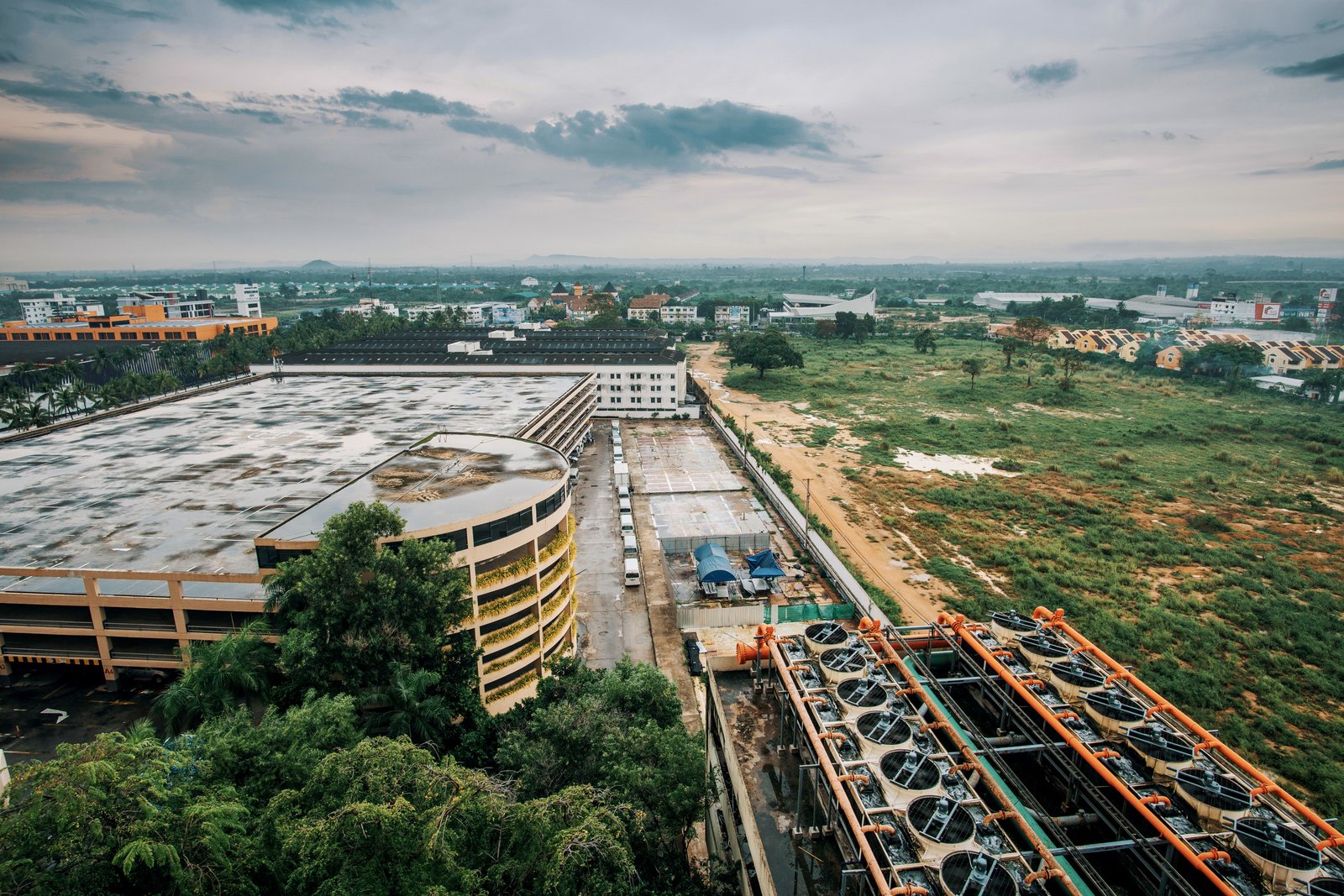
Unlike traditional commercial properties, data centers are highly specialized assets designed to house servers, networking equipment, storage systems, and critical digital infrastructure. These facilities require reliable power, advanced cooling technologies, robust cybersecurity, and high-capacity fiber connectivity to ensure continuous operations.
Real estate developers, technology companies, cloud service providers, institutional investors, telecommunications firms, utility providers, and governments are investing heavily in data center infrastructure to support the expanding digital economy. Industry experts believe data centers will remain one of the fastest-growing segments of commercial real estate as AI adoption, cloud computing, and digital transformation continue accelerating worldwide.
Artificial Intelligence Increases Demand for Digital Infrastructure
The widespread adoption of AI technologies is significantly increasing computing requirements across industries.
AI-driven demand supports:
- High-performance computing
- AI model training
- Machine learning workloads
- Enterprise data processing
- Intelligent automation platforms
Growing AI infrastructure requirements are driving the development of larger and more advanced data center facilities. AI accelerates commercial real estate investment.
Cloud Computing Expands Data Center Development
Organizations continue migrating applications and business operations to cloud platforms.
Cloud infrastructure supports:
- Enterprise software
- Digital collaboration
- Data storage
- Business continuity
- Remote operations
Increasing cloud adoption is creating sustained demand for modern data center capacity across global markets. Cloud services strengthen digital infrastructure.
Edge Data Centers Improve Digital Connectivity
Developers are building smaller edge data centers closer to end users to reduce network latency.
Edge computing supports:
- Smart cities
- Autonomous vehicles
- Internet of Things (IoT)
- Manufacturing automation
- Real-time analytics
Distributed infrastructure improves application performance while enhancing digital service reliability. Edge computing expands market opportunities.
Sustainable Data Centers Reduce Environmental Impact
Developers are integrating energy-efficient technologies to improve the sustainability of digital infrastructure.
Green data center initiatives include:
- Renewable energy integration
- Advanced cooling systems
- Energy-efficient servers
- Water conservation technologies
- Carbon reduction strategies
Sustainable operations help reduce environmental impact while lowering long-term operating costs. Green infrastructure supports responsible growth.
Renewable Energy Powers Digital Operations
Reliable clean energy has become an important consideration when selecting data center locations.
Renewable energy sources include:
- Solar power
- Wind energy
- Hydroelectric power
- Battery energy storage
- Green power purchase agreements
Clean electricity improves energy resilience while supporting corporate sustainability objectives. Renewable energy strengthens digital infrastructure.
Advanced Cooling Technologies Improve Efficiency
Modern data centers require innovative cooling solutions to support high-density computing environments.
Cooling technologies include:
- Liquid cooling systems
- Free-air cooling
- Immersion cooling
- AI-driven thermal management
- Intelligent airflow optimization
Efficient cooling improves equipment reliability while reducing electricity consumption. Thermal innovation enhances operational performance.
Cybersecurity Protects Critical Infrastructure
As digital infrastructure expands, protecting sensitive information and computing systems remains a strategic priority.
Cybersecurity measures include:
- Physical security systems
- Network monitoring
- Access control
- Data encryption
- Threat detection platforms
Comprehensive security protects business operations while maintaining customer trust. Secure facilities strengthen market confidence.
Location Strategy Influences Investment Decisions
Developers carefully evaluate geographic factors before constructing new data centers.
Location priorities include:
- Reliable electricity supply
- Fiber network availability
- Climate conditions
- Land availability
- Regulatory support
Strategic site selection improves long-term operational performance while supporting future expansion. Location planning strengthens investment outcomes.
Institutional Investors Expand Digital Real Estate Portfolios
Data centers are increasingly viewed as attractive long-term investment assets.
Investment drivers include:
- Stable long-term demand
- Technology sector growth
- High-value infrastructure
- Digital economy expansion
- Diversified commercial portfolios
Growing investor interest continues to accelerate data center development worldwide. Digital infrastructure creates new investment opportunities.
Challenges Continue
Despite strong market momentum, data center development continues facing several implementation challenges.
These include:
- Rising energy demand
- Expanding power transmission infrastructure
- Managing water consumption for cooling
- Addressing cybersecurity risks
- Securing skilled technical professionals
Continued investment in renewable energy, artificial intelligence, advanced cooling technologies, digital infrastructure, cybersecurity, energy-efficient design, and workforce development will remain essential for supporting sustainable data center growth.
Looking Forward
Data centers are transforming commercial real estate by combining artificial intelligence infrastructure, cloud computing, renewable energy, advanced cooling technologies, cybersecurity, and intelligent digital connectivity into highly resilient commercial assets. As organizations continue accelerating digital transformation, data centers will play an increasingly important role in supporting AI innovation, strengthening cloud computing services, enabling global connectivity, improving economic competitiveness, and driving the future of commercial real estate investment.
The continued advancement of data center development reflects a broader transformation across the real estate industry, where digital infrastructure, sustainable engineering, intelligent technologies, connected ecosystems, and long-term investment strategies are creating smarter, more resilient, and future-ready commercial property markets.