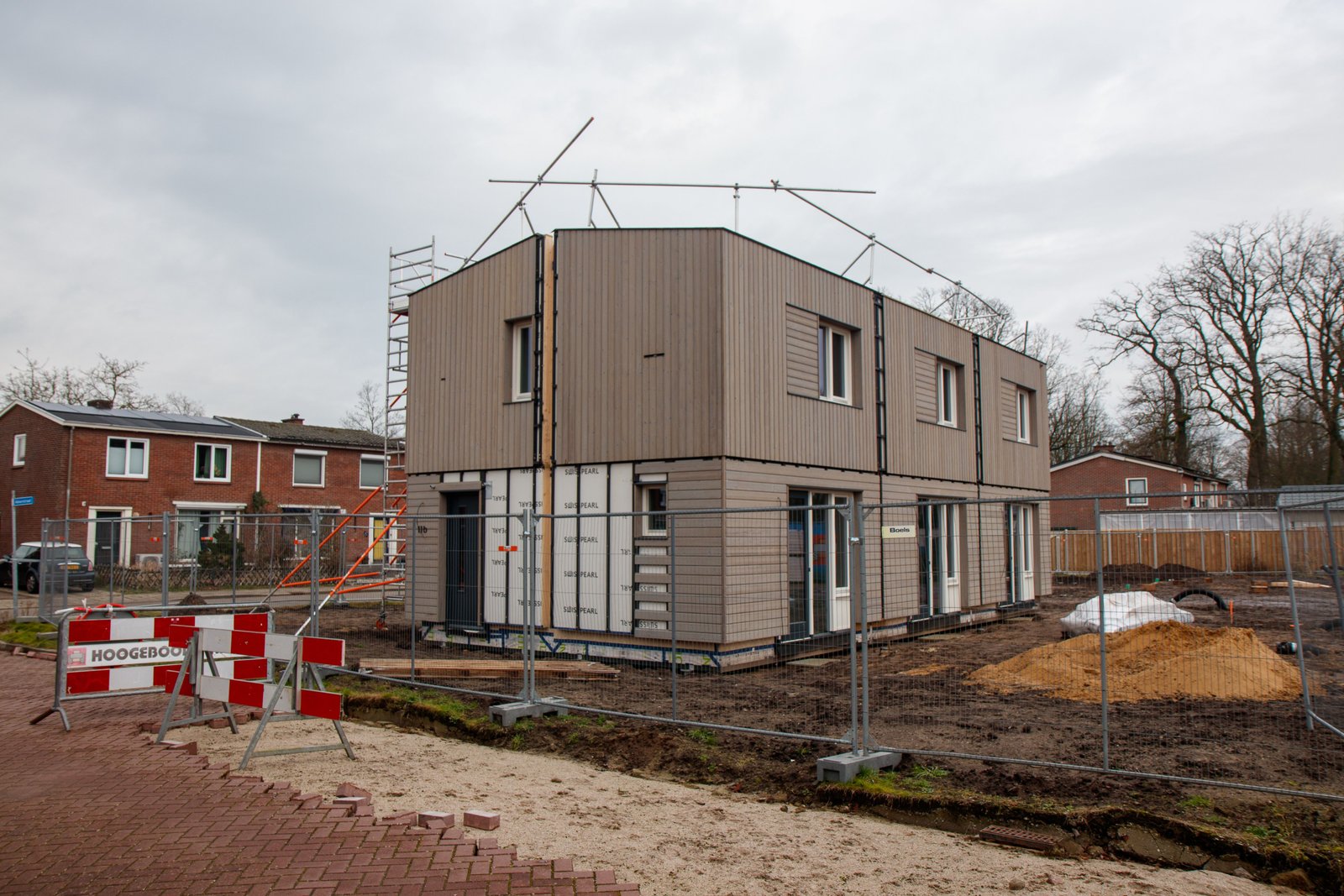
Artificial Intelligence, Big Data, and Predictive Analytics Are Transforming Modern Property Valuation
The real estate industry is increasingly adopting artificial intelligence (AI)-powered property valuation technologies to improve the accuracy, speed, and transparency of real estate pricing. By combining machine learning, big data analytics, geographic information systems (GIS), satellite imagery, automated valuation models (AVMs), and predictive market intelligence, AI is helping investors, developers, financial institutions, and property professionals make more informed investment decisions in rapidly changing markets.
Traditional property valuation often depended on manual inspections, historical sales records, and market comparisons that required significant time and professional expertise. Today, AI-powered platforms analyze millions of data points—including property characteristics, neighborhood development, infrastructure projects, economic trends, buyer demand, and transaction history—to generate highly accurate property valuations within minutes.
Real estate developers, banks, mortgage lenders, investment firms, appraisal companies, property technology (PropTech) providers, government agencies, and institutional investors are investing in intelligent valuation platforms to improve decision-making and reduce investment risks. Industry experts believe AI-driven valuation will become a standard capability across the global real estate industry as digital transformation accelerates and data-driven investment strategies become increasingly important.
Automated Valuation Models Improve Pricing Accuracy
Automated Valuation Models (AVMs) use AI algorithms to estimate property values using large-scale market data.
AVMs evaluate:
- Property size
- Building age
- Construction quality
- Location
- Comparable sales
Continuous data analysis enables more consistent and objective property valuations. AI strengthens valuation reliability.
Big Data Enhances Market Intelligence
AI platforms process vast amounts of structured and unstructured data to identify market trends.
Big data sources include:
- Property transactions
- Demographic information
- Economic indicators
- Infrastructure developments
- Rental performance
- Consumer behavior
Comprehensive market intelligence enables investors to identify opportunities with greater confidence. Data-driven insights improve investment decisions.
Predictive Analytics Forecast Market Trends
Machine learning models analyze historical patterns and current market conditions to forecast future property performance.
Predictive analytics supports:
- Property appreciation forecasts
- Rental income projections
- Investment risk analysis
- Market demand prediction
- Development planning
Forward-looking insights help investors make proactive real estate decisions. Predictive intelligence supports long-term planning.
Geographic Intelligence Improves Location Analysis
Geographic Information Systems (GIS) and spatial analytics strengthen location-based property assessments.
Location intelligence evaluates:
- Accessibility
- Transportation connectivity
- Schools
- Commercial activity
- Green spaces
- Future infrastructure projects
Comprehensive location analysis improves valuation precision while identifying growth potential. Geospatial data enhances investment analysis.
Satellite and Aerial Imaging Expand Property Assessment
Advanced imaging technologies provide detailed visual information about properties and surrounding environments.
Imaging supports:
- Land use analysis
- Construction monitoring
- Neighborhood development
- Environmental assessment
- Infrastructure evaluation
Remote sensing technologies improve valuation accuracy while reducing inspection time. Digital imaging enhances property evaluation.
Financial Institutions Benefit from Faster Appraisals
Banks and mortgage providers are increasingly integrating AI valuation systems into lending processes.
AI assists with:
- Mortgage approvals
- Loan risk assessment
- Portfolio management
- Collateral evaluation
- Credit decision support
Automated analysis accelerates financial services while improving lending efficiency. Digital valuation supports responsible financing.
PropTech Innovation Accelerates Industry Transformation
Property technology companies continue developing AI-powered platforms that modernize valuation services.
PropTech innovations include:
- Cloud-based valuation systems
- Mobile property analytics
- Digital transaction platforms
- Investor dashboards
- Automated reporting
Technology innovation improves accessibility while enhancing operational efficiency across the real estate sector. Digital platforms strengthen market transparency.
Risk Management Improves Investment Confidence
AI enables investors to evaluate potential risks before making acquisition decisions.
Risk analysis considers:
- Market volatility
- Environmental risks
- Economic conditions
- Vacancy trends
- Regulatory changes
Comprehensive risk assessment supports more informed investment strategies. Intelligent analysis reduces uncertainty.
Transparency Strengthens Market Trust
Digital valuation platforms improve consistency and accountability across property transactions.
Transparency initiatives include:
- Standardized valuation methods
- Data verification
- Automated documentation
- Audit trails
- Performance benchmarking
Reliable valuation processes strengthen confidence among investors, lenders, and buyers. Transparent systems improve market integrity.
Challenges Continue
Despite rapid technological advancement, organizations continue facing several implementation challenges.
These include:
- Maintaining high-quality property data
- Integrating AI with traditional valuation practices
- Protecting sensitive market information
- Addressing regional market differences
- Developing skilled professionals in AI-driven property analytics
Continued investment in artificial intelligence, big data analytics, geographic intelligence, cloud computing, digital property platforms, cybersecurity, and workforce development will remain essential for maximizing the benefits of AI-powered property valuation.
Looking Forward
AI-powered property valuation is transforming real estate by combining automated valuation models, predictive analytics, geographic intelligence, satellite imaging, cloud computing, and digital investment platforms into highly intelligent decision-making ecosystems.
As the real estate industry continues embracing digital transformation, AI-driven valuation technologies will play an increasingly important role in improving pricing accuracy, accelerating transactions, strengthening investment confidence, supporting responsible lending, and enhancing market transparency. The continued advancement of AI-powered property valuation reflects a broader transformation across the real estate industry, where intelligent automation, data-driven analytics, digital innovation, geographic intelligence, and predictive technologies are creating smarter, faster, and future-ready property markets.