Healthy Buildings, Biophilic Design, and Smart Indoor Environments Are Shaping the Future of Real Estate
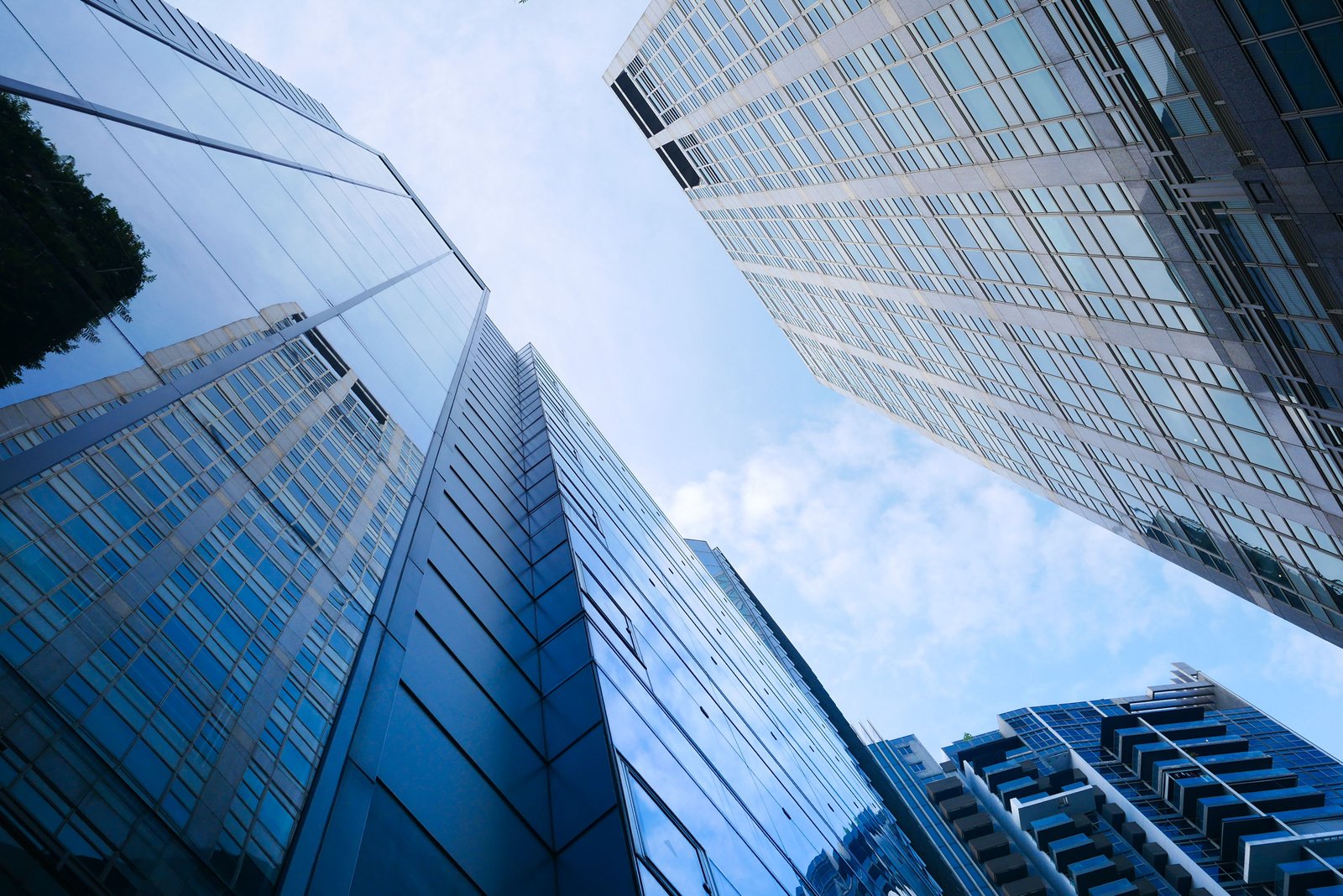
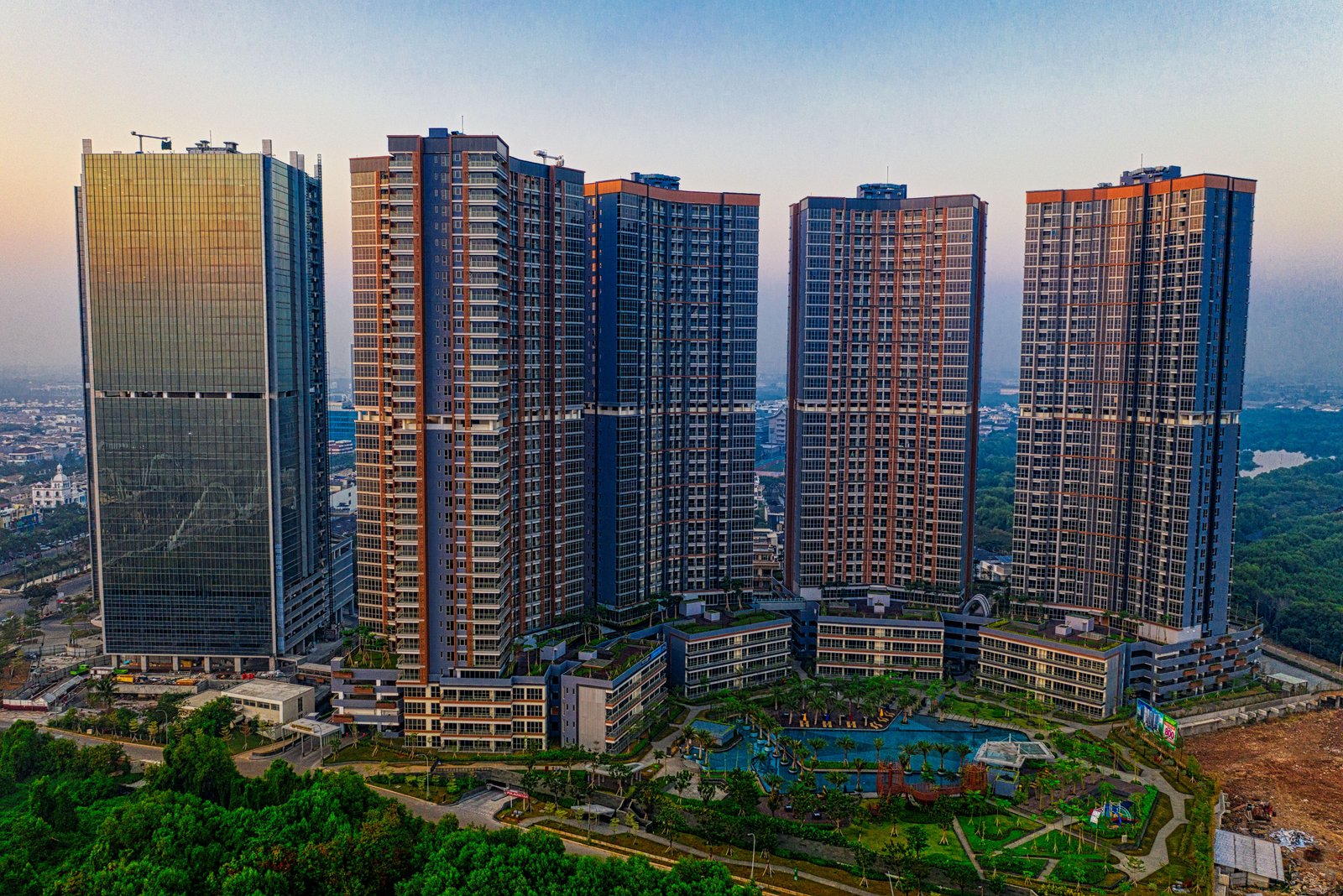
The real estate industry is increasingly prioritizing wellness-focused developments as developers, property owners, and businesses recognize the growing importance of healthier living and working environments. Modern residential communities, office buildings, hotels, educational campuses, and mixed-use developments are integrating wellness-centered features such as biophilic architecture, advanced air purification, smart lighting, fitness amenities, and sustainable building materials to enhance occupant health, productivity, and overall well-being.
The shift toward wellness-driven real estate has accelerated as occupants place greater value on indoor environmental quality, access to natural spaces, flexible work environments, and sustainable building practices. Developers are responding by designing properties that promote physical and mental wellness while improving energy efficiency and long-term asset value.
Real estate developers, architects, healthcare organizations, commercial property owners, hospitality companies, educational institutions, facility managers, and PropTech companies are investing in wellness-focused technologies and design strategies to create healthier and more resilient built environments. Industry experts believe wellness-focused real estate will become a defining trend across the global property market as demand for healthier, smarter, and more sustainable spaces continues to grow.
Biophilic Design Brings Nature into Buildings
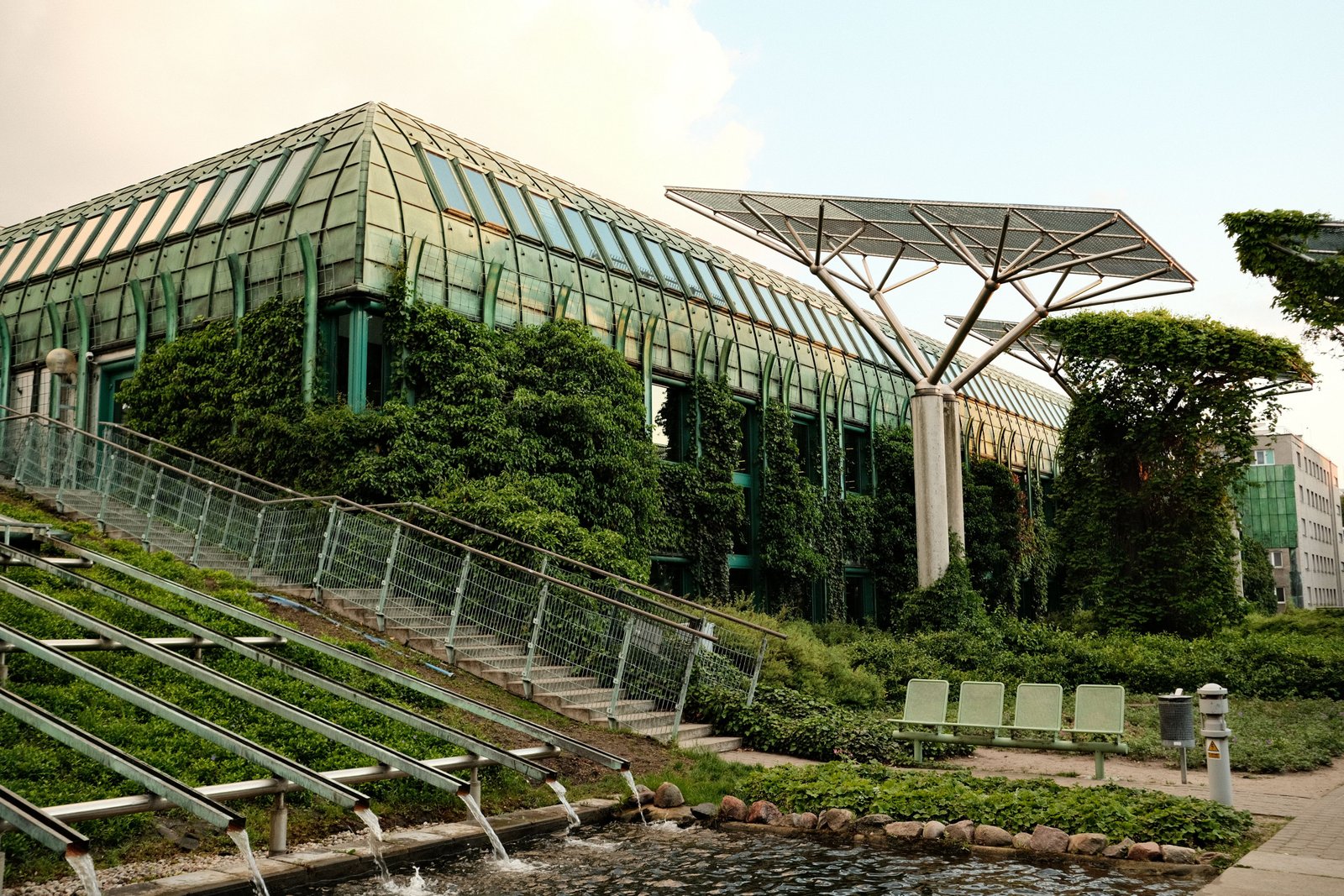
Biophilic architecture incorporates natural elements into building design to improve occupant well-being.
Common features include:
- Indoor gardens
- Green walls
- Rooftop landscapes
- Natural daylight
- Water features
- Outdoor terraces
Nature-inspired environments reduce stress while improving comfort and productivity. Biophilic design enhances occupant experience.
Indoor Air Quality Becomes a Priority
Developers are investing in advanced ventilation and air purification systems to create healthier indoor environments.
Indoor air quality solutions include:
- High-efficiency air filtration
- Fresh air ventilation
- Air quality sensors
- Humidity control
- Carbon dioxide monitoring
Improved air quality contributes to healthier living and working conditions while reducing exposure to indoor pollutants. Healthy air supports occupant well-being.
Smart Lighting Improves Comfort and Productivity
Modern lighting systems automatically adjust based on occupancy, daylight availability, and time of day.
Smart lighting features include:
- Circadian lighting systems
- LED technology
- Daylight harvesting
- Occupancy sensors
- Automated brightness control
Optimized lighting supports employee productivity while reducing energy consumption. Intelligent lighting improves daily comfort.
Wellness Amenities Increase Property Value
Developers are incorporating wellness-focused amenities that encourage healthier lifestyles.
Popular amenities include:
- Fitness centers
- Yoga studios
- Walking trails
- Meditation spaces
- Outdoor recreation areas
Wellness amenities enhance tenant satisfaction while improving property competitiveness. Healthy lifestyles support stronger communities.
Smart Building Technology Enhances Occupant Experience
Artificial intelligence and IoT technologies continuously monitor and optimize indoor conditions.
Smart systems manage:
- Temperature
- Lighting
- Air quality
- Occupancy
- Energy consumption
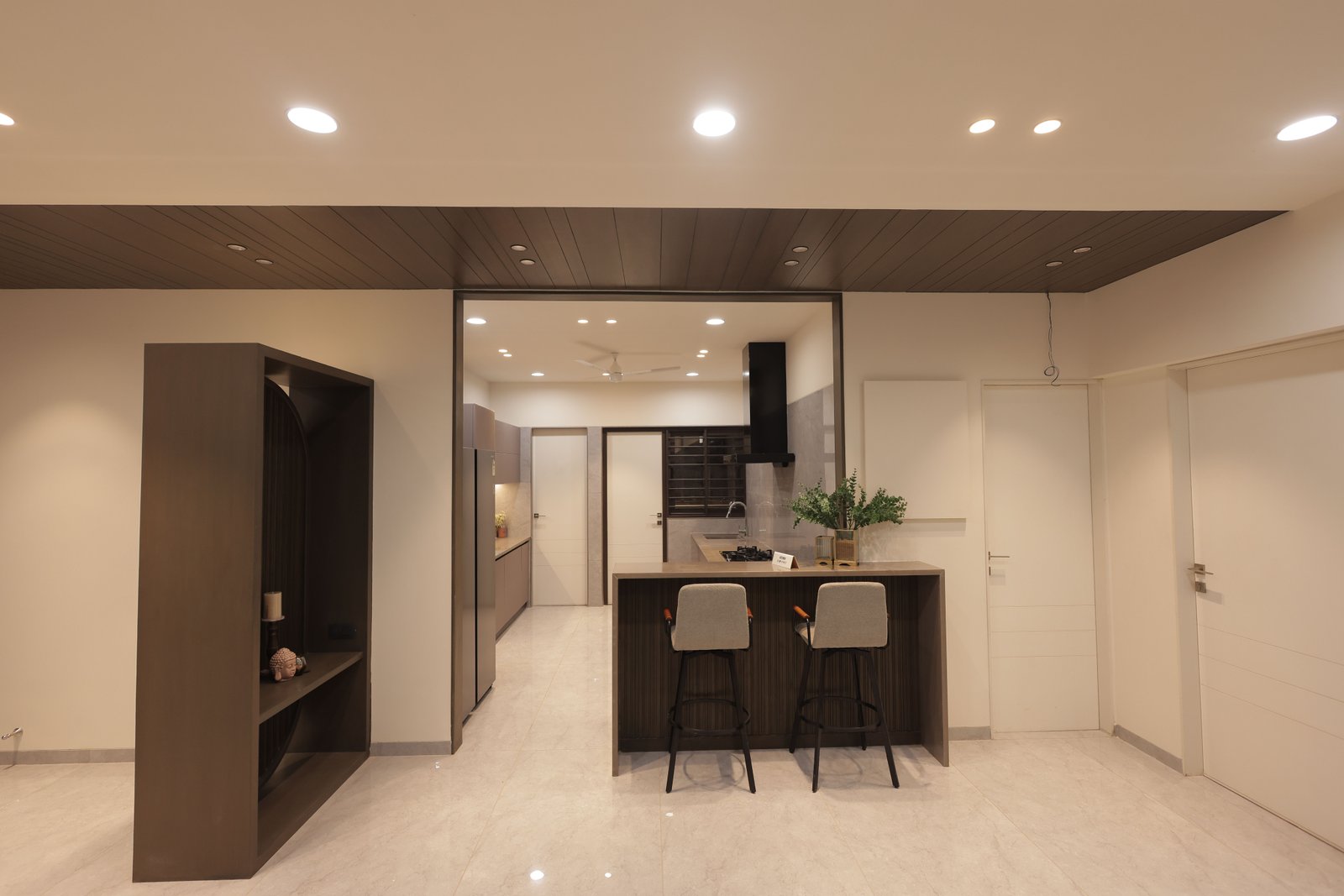
Automated environmental controls create personalized and efficient indoor spaces. Technology supports intelligent building management.
Sustainable Materials Improve Environmental Performance
Environmentally responsible construction materials contribute to healthier indoor spaces and lower environmental impact.
Sustainable materials include:
- Low-VOC paints
- Recycled construction products
- Natural wood finishes
- Eco-friendly insulation
- Sustainable flooring materials
Responsible material selection supports both occupant health and environmental sustainability. Green construction strengthens long-term value.
Flexible Spaces Meet Evolving Lifestyle Needs
Modern developments are designed to support changing work and lifestyle preferences.
Flexible spaces include:
- Hybrid work areas
- Shared collaboration zones
- Multi-purpose community rooms
- Outdoor workspaces
- Adaptable residential layouts
Versatile environments improve usability while meeting evolving occupant expectations. Flexible design supports future demand.
Wellness Certifications Gain Importance
Property owners increasingly pursue internationally recognized wellness and sustainability certifications.
Certification programs evaluate:
- Indoor environmental quality
- Water efficiency
- Lighting performance
- Thermal comfort
- Building operations
Recognized certifications improve market appeal while demonstrating commitment to healthy building standards. Independent standards build market confidence.
Digital Property Management Supports Healthy Operations
Advanced building management platforms continuously monitor building performance to maintain optimal indoor conditions.
Digital management supports:
- Preventive maintenance
- Environmental monitoring
- Occupancy analytics
- Energy optimization
- Facility performance reporting
Data-driven management helps ensure wellness objectives are consistently achieved. Smart operations improve long-term building performance.
Challenges Continue
Despite increasing adoption, wellness-focused developments continue facing several implementation challenges.
These include:
- Higher initial development costs
- Integrating wellness features into existing buildings
- Measuring long-term wellness outcomes
- Balancing sustainability with affordability
- Managing advanced smart building technologies
Continued investment in artificial intelligence, IoT technologies, healthy building materials, biophilic design, digital property management, sustainability research, and workforce expertise will remain essential for maximizing the benefits of wellness-focused real estate.
Looking Forward
Wellness-focused real estate is transforming residential and commercial development by combining healthy building design, biophilic architecture, smart building technologies, sustainable construction, digital management systems, and wellness-centered amenities into highly efficient and people-focused environments.
As developers continue responding to evolving occupant expectations, wellness-focused buildings will play an increasingly important role in improving public health, enhancing workplace productivity, supporting environmental sustainability, increasing property value, and creating resilient communities. The continued advancement of wellness-focused real estate reflects a broader transformation across the real estate industry, where intelligent technologies, sustainable design, human-centered architecture, digital innovation, and environmental responsibility are creating healthier, smarter, and future-ready buildings.