Lithium-Ion Battery Recovery, Critical Mineral Recycling, and Circular Manufacturing Are Strengthening Sustainable Energy Systems
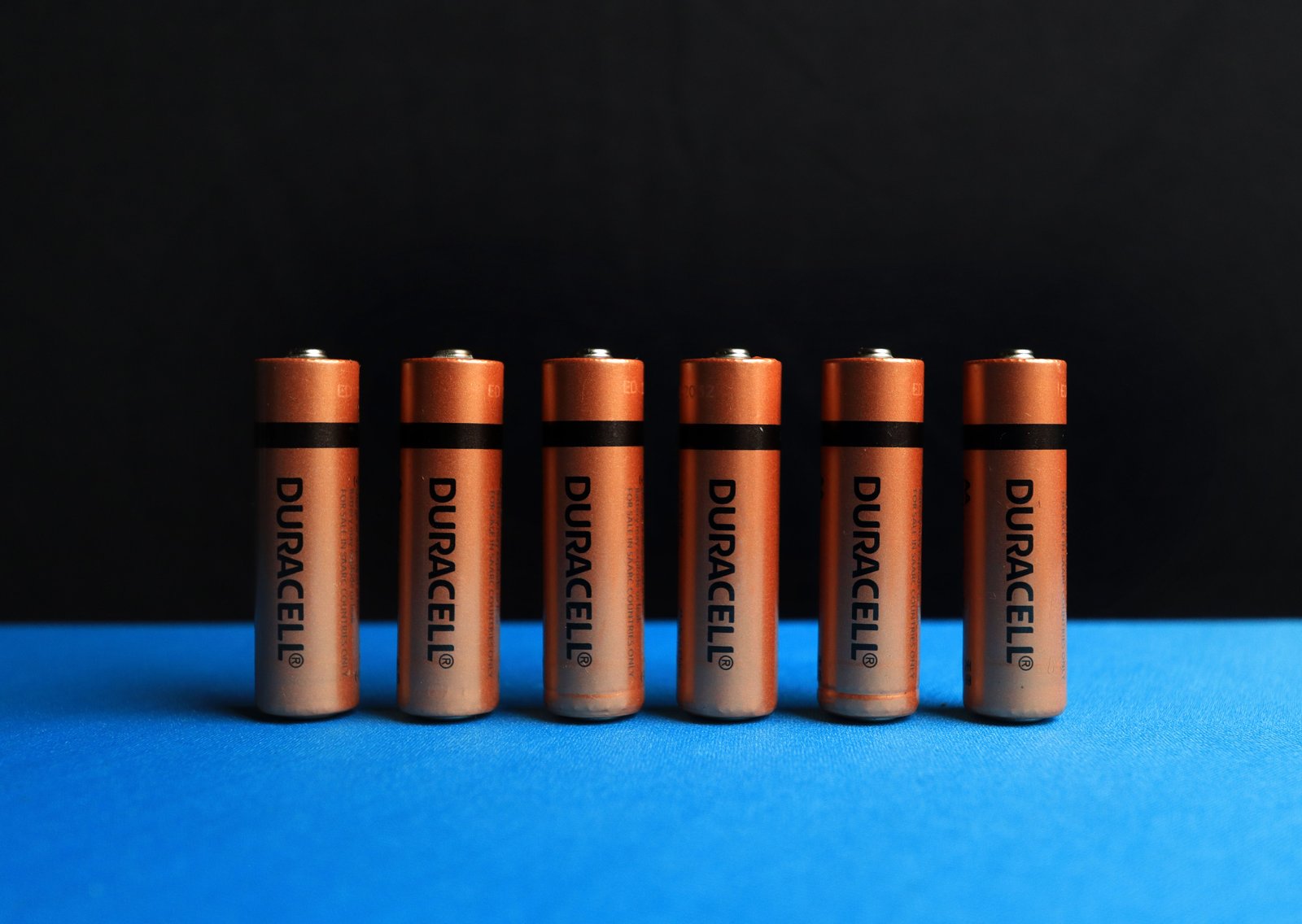
The rapid expansion of electric vehicles (EVs), renewable energy storage, and portable electronics is driving significant investment in advanced battery recycling technologies. As global demand for lithium-ion batteries continues to grow, governments, manufacturers, and recycling companies are focusing on recovering valuable materials such as lithium, cobalt, nickel, manganese, and graphite to strengthen supply chains, reduce environmental impact, and support the transition to a circular economy.
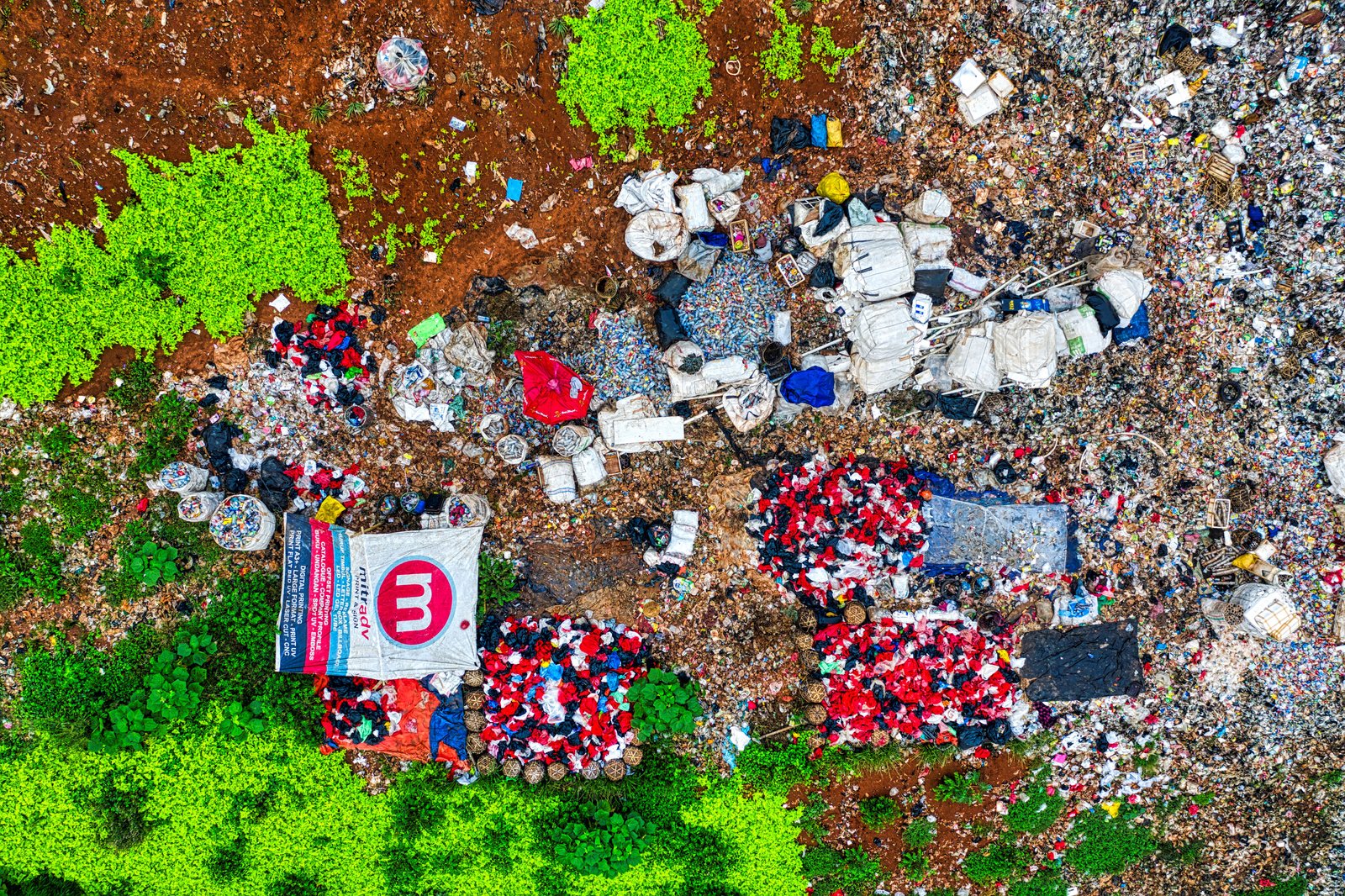
Traditionally, spent batteries were difficult to recycle efficiently, resulting in valuable materials being lost through disposal or inefficient recovery processes. Today, advanced recycling technologies are enabling manufacturers to recover critical minerals that can be reintroduced into new battery production, reducing reliance on newly mined raw materials while supporting long-term sustainability.
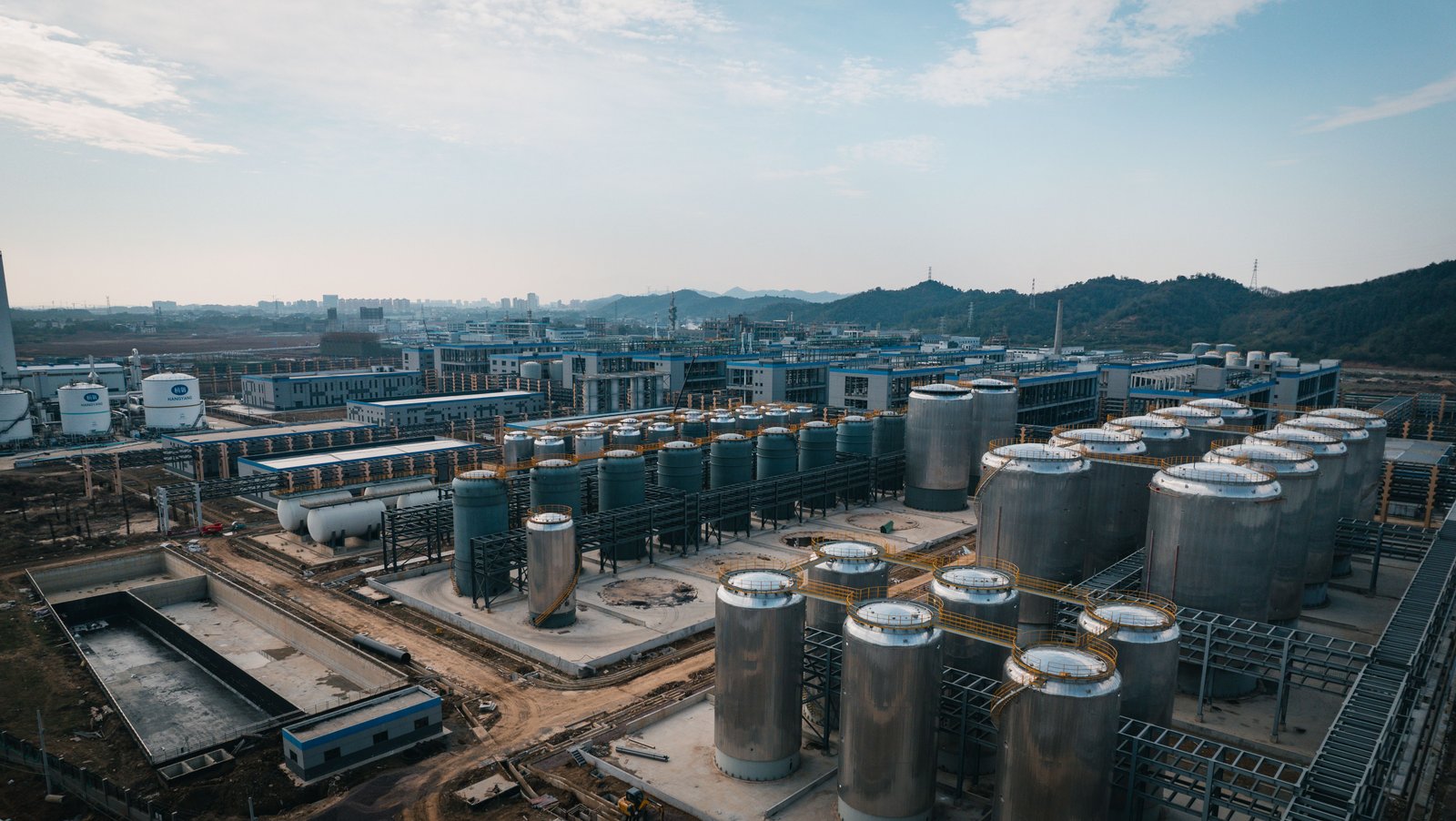
Battery manufacturers, automotive companies, recycling firms, renewable energy developers, mining organizations, technology providers, and governments are collaborating to develop large-scale battery recycling infrastructure capable of supporting the growing clean energy economy. Industry experts believe battery recycling will become an essential pillar of global energy transition strategies as electric mobility and renewable energy storage continue expanding.
Lithium-Ion Battery Recycling Recovers Valuable Resources
Modern recycling technologies separate valuable battery materials for reuse in future manufacturing.
Recovered materials include:
- Lithium
- Cobalt
- Nickel
- Manganese
- Graphite
- Copper
Recovering these critical minerals reduces resource waste while supporting more sustainable battery production. Resource recovery strengthens supply security.
Circular Manufacturing Supports Sustainable Production
Battery recycling enables manufacturers to integrate recovered materials directly into new production cycles.
Circular manufacturing benefits include:
- Reduced raw material demand
- Lower mining dependence
- Improved material efficiency
- Waste reduction
- Sustainable product lifecycles
Closed-loop production strengthens long-term resource sustainability while improving manufacturing resilience. Circular systems drive industrial sustainability.
Artificial Intelligence Optimizes Recycling Operations
Artificial intelligence is improving the efficiency and precision of battery recycling facilities.
AI applications include:
- Automated battery identification
- Material classification
- Process optimization
- Equipment monitoring
- Predictive maintenance
Machine learning enables recycling facilities to maximize material recovery while improving operational efficiency. Intelligent automation enhances recycling performance.
Robotics Improve Battery Disassembly
Advanced robotic systems safely dismantle battery packs before material recovery begins.
Robotic automation supports:
- Battery pack separation
- Component sorting
- Hazardous material handling
- Precision disassembly
- Worker safety
Automation improves recycling consistency while reducing workplace risks. Robotics strengthen operational safety.
Renewable Energy Supports Recycling Facilities
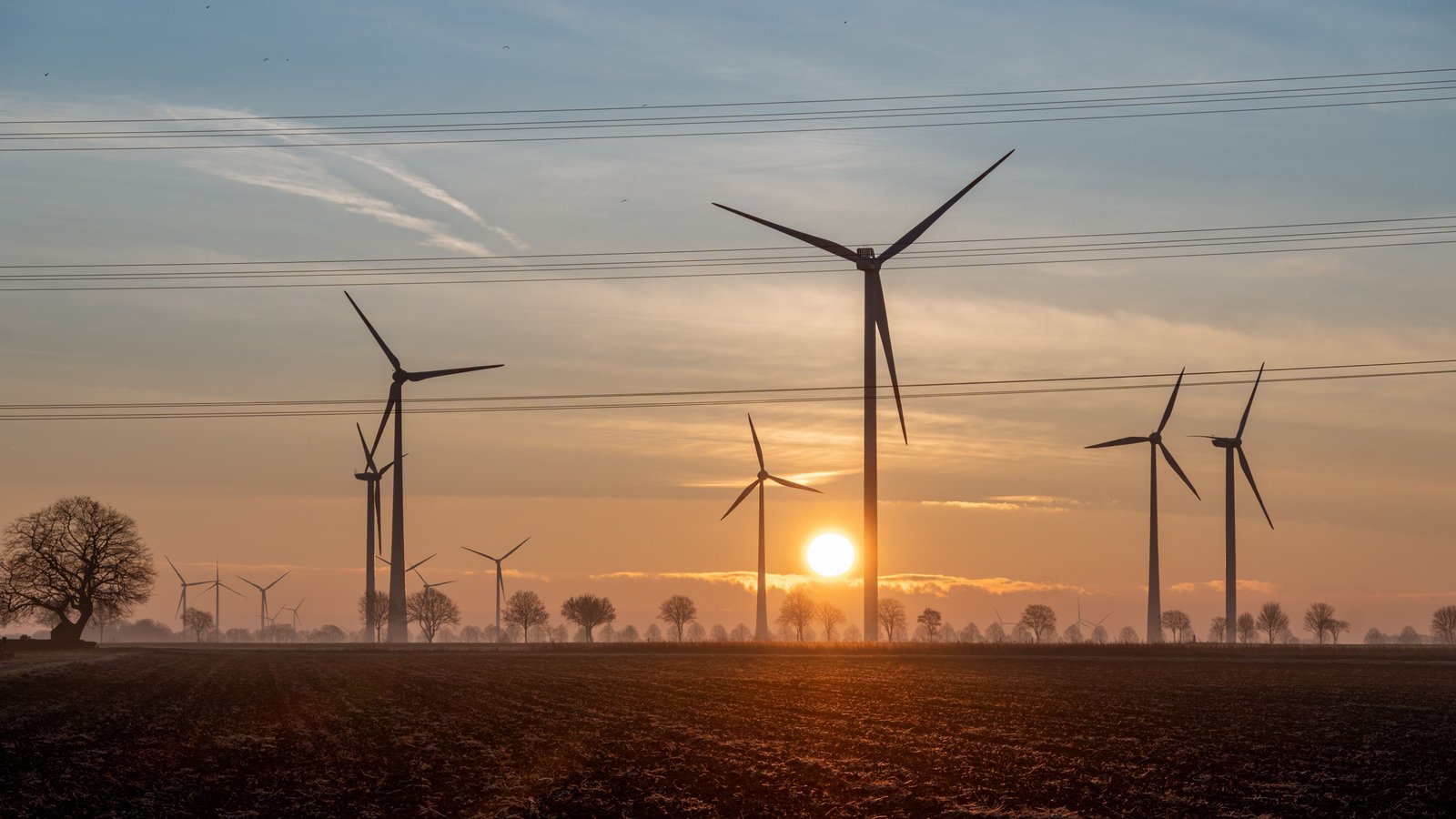
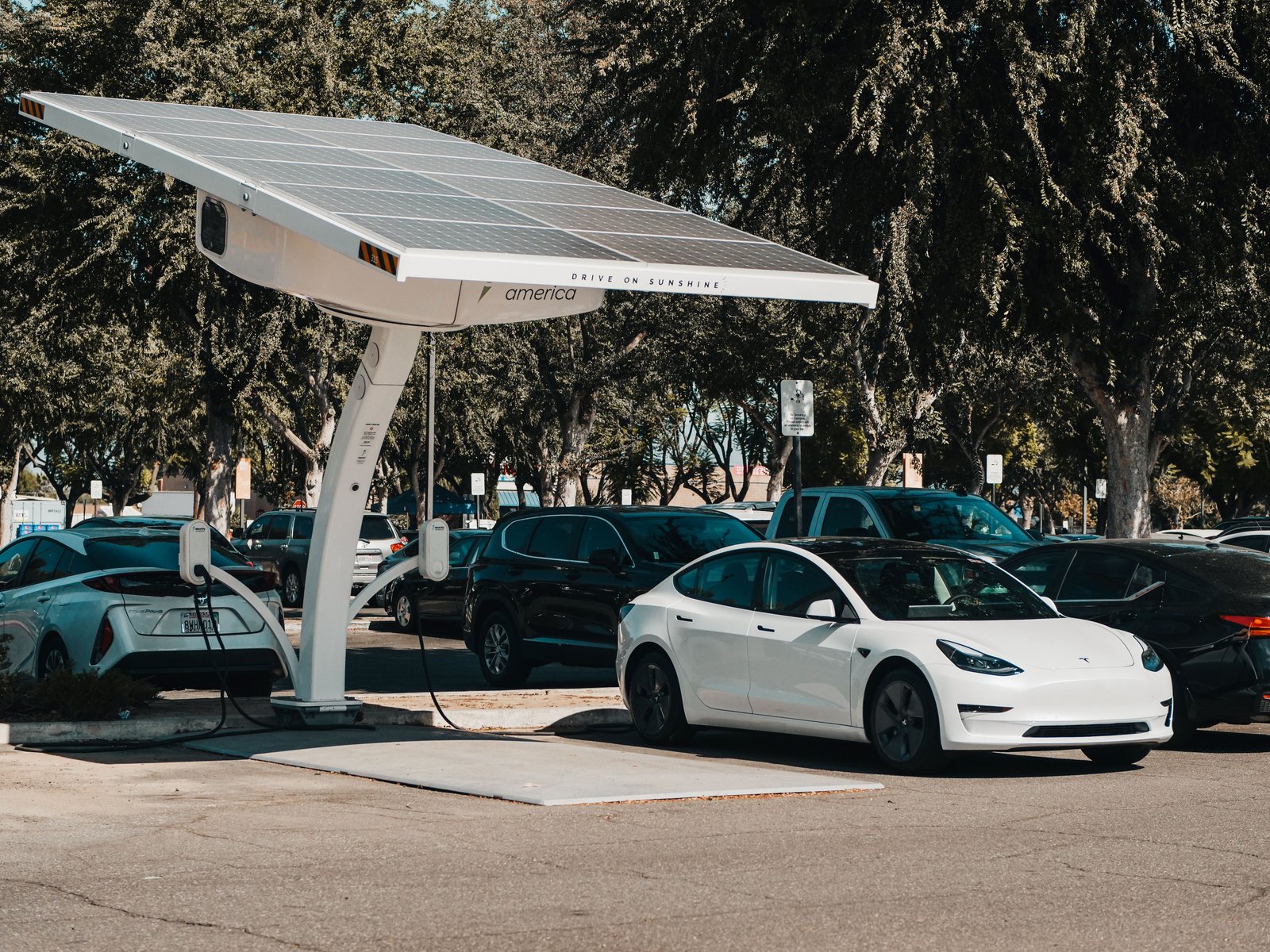
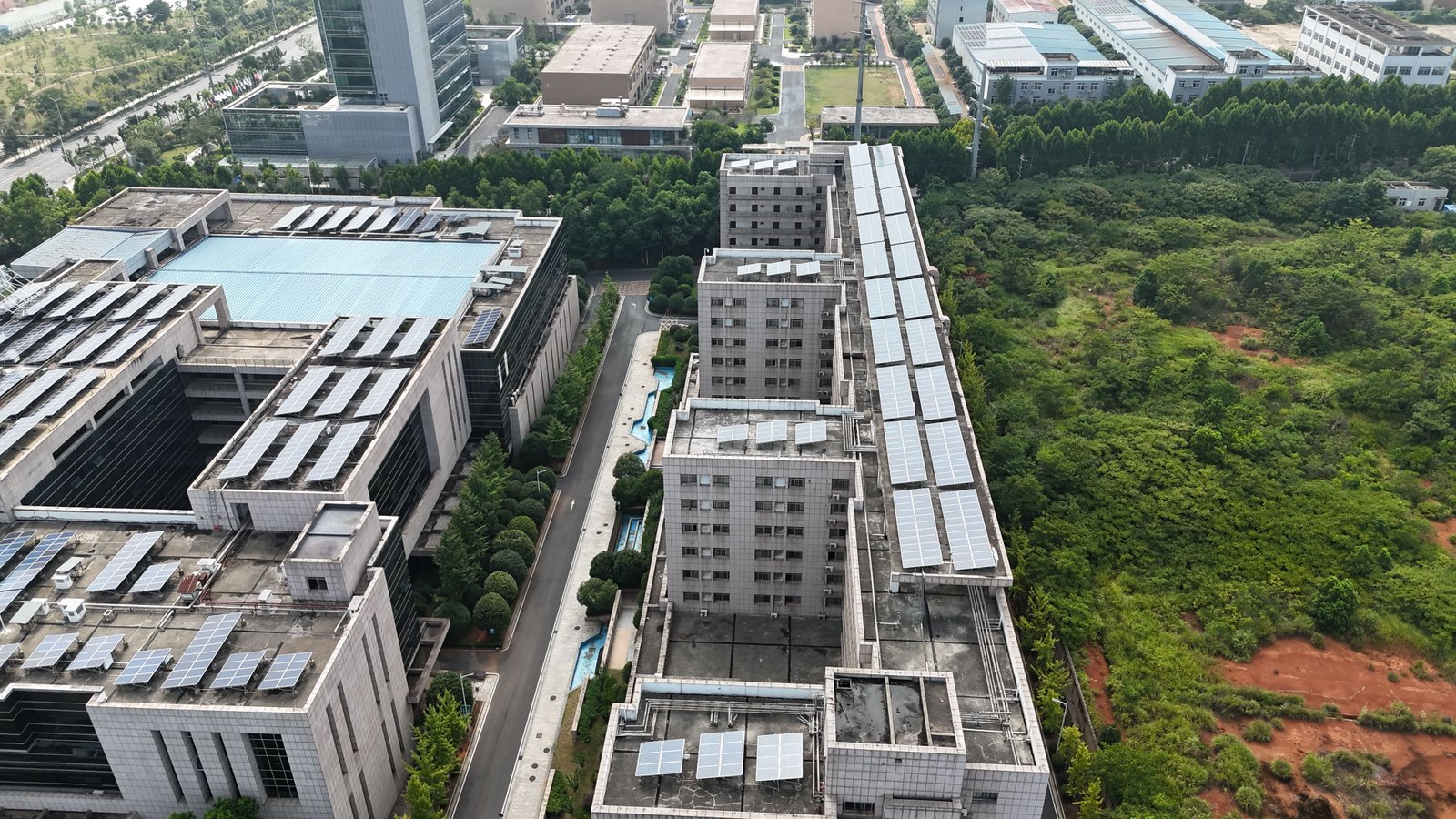
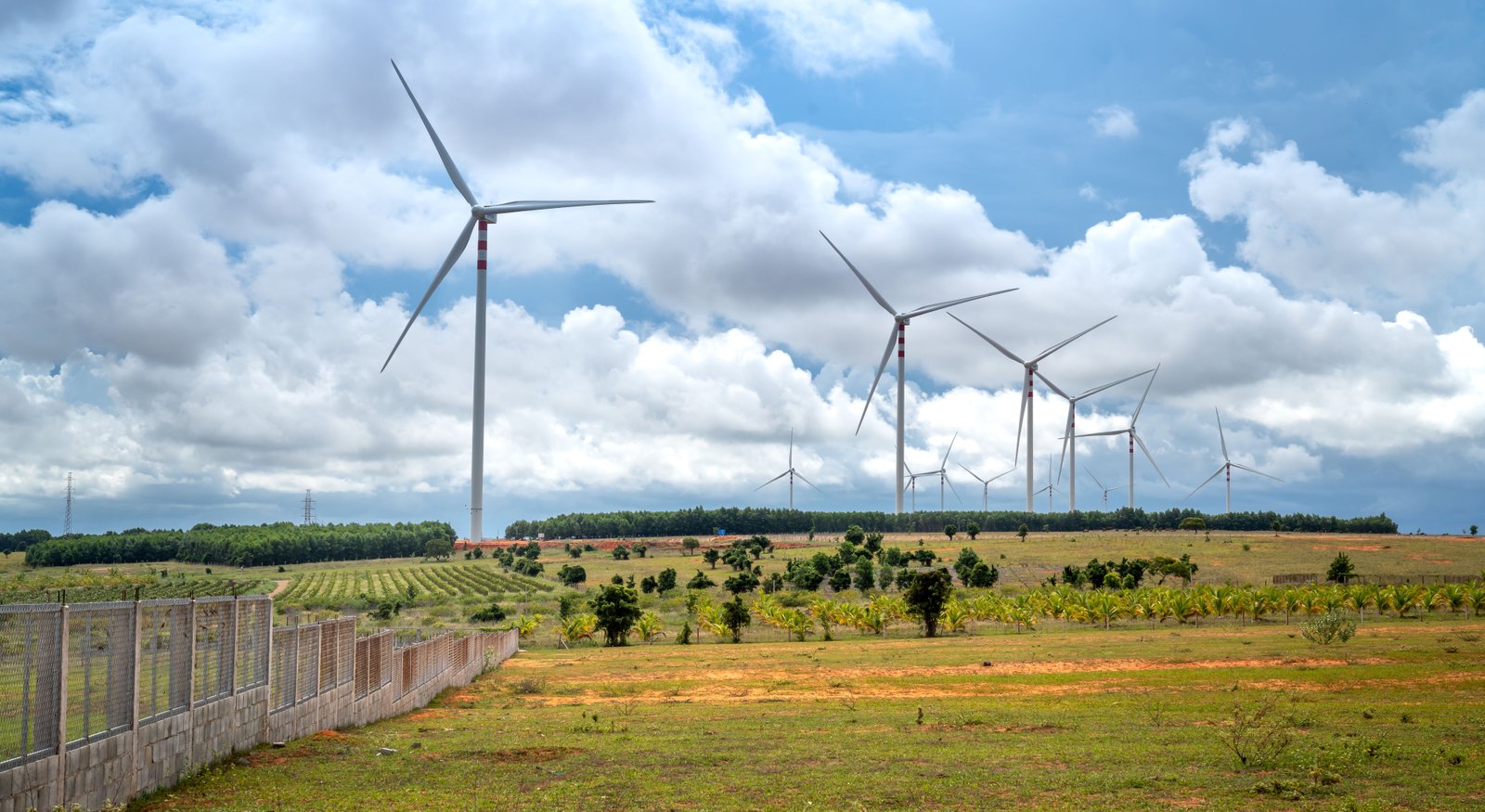
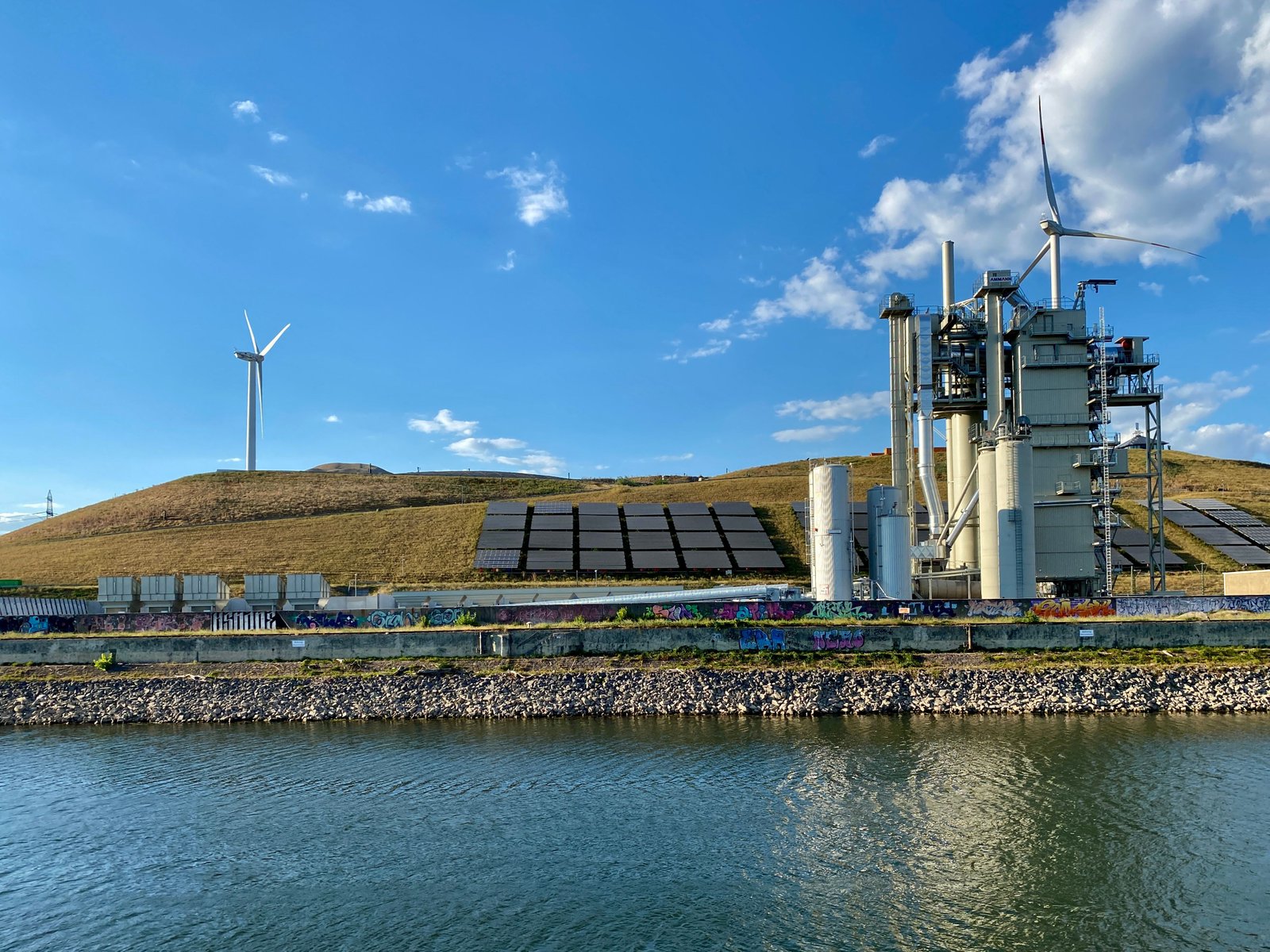
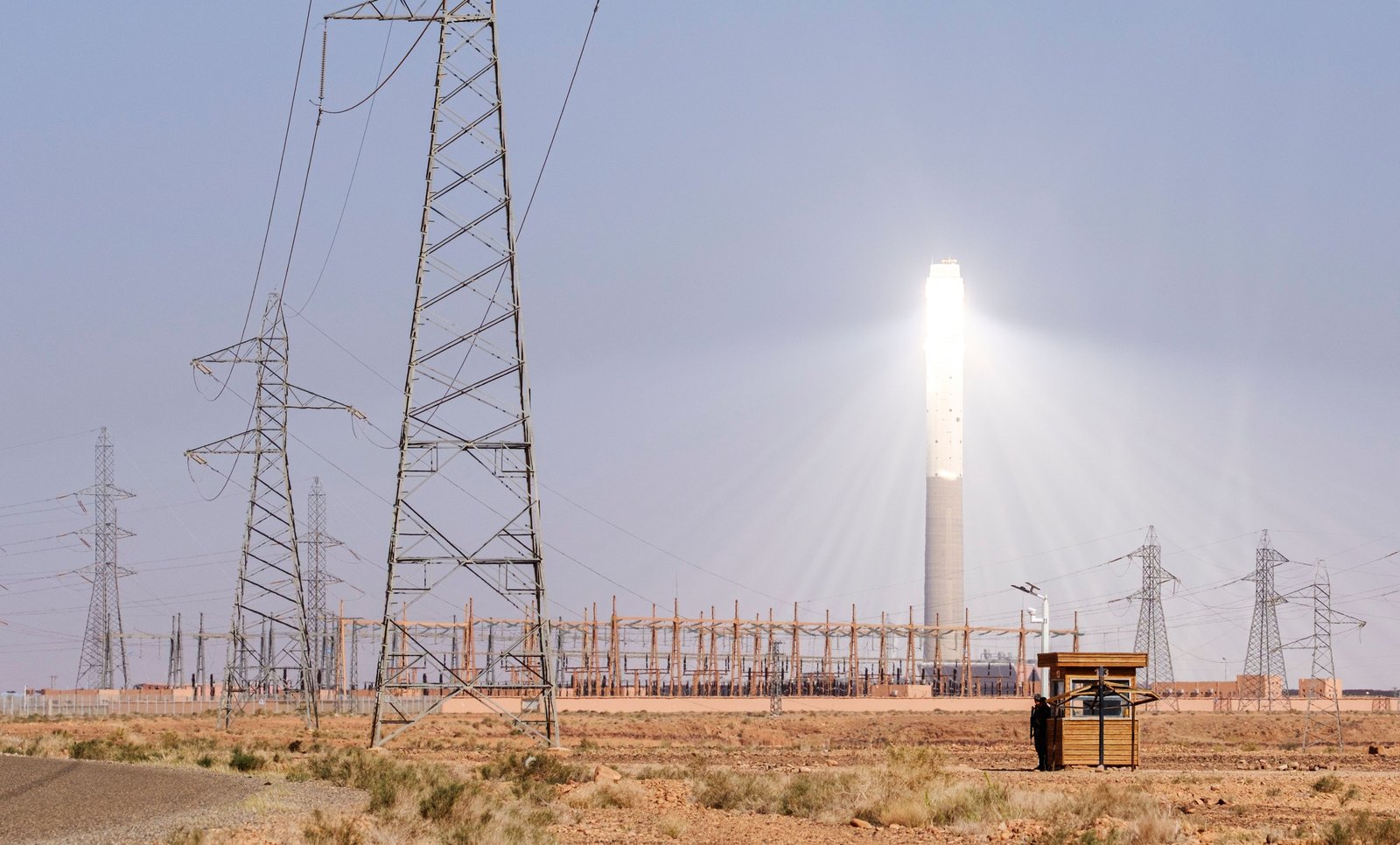
Many battery recycling plants are incorporating renewable energy into daily operations.
Renewable energy integration includes:
- Solar power systems
- Wind-generated electricity
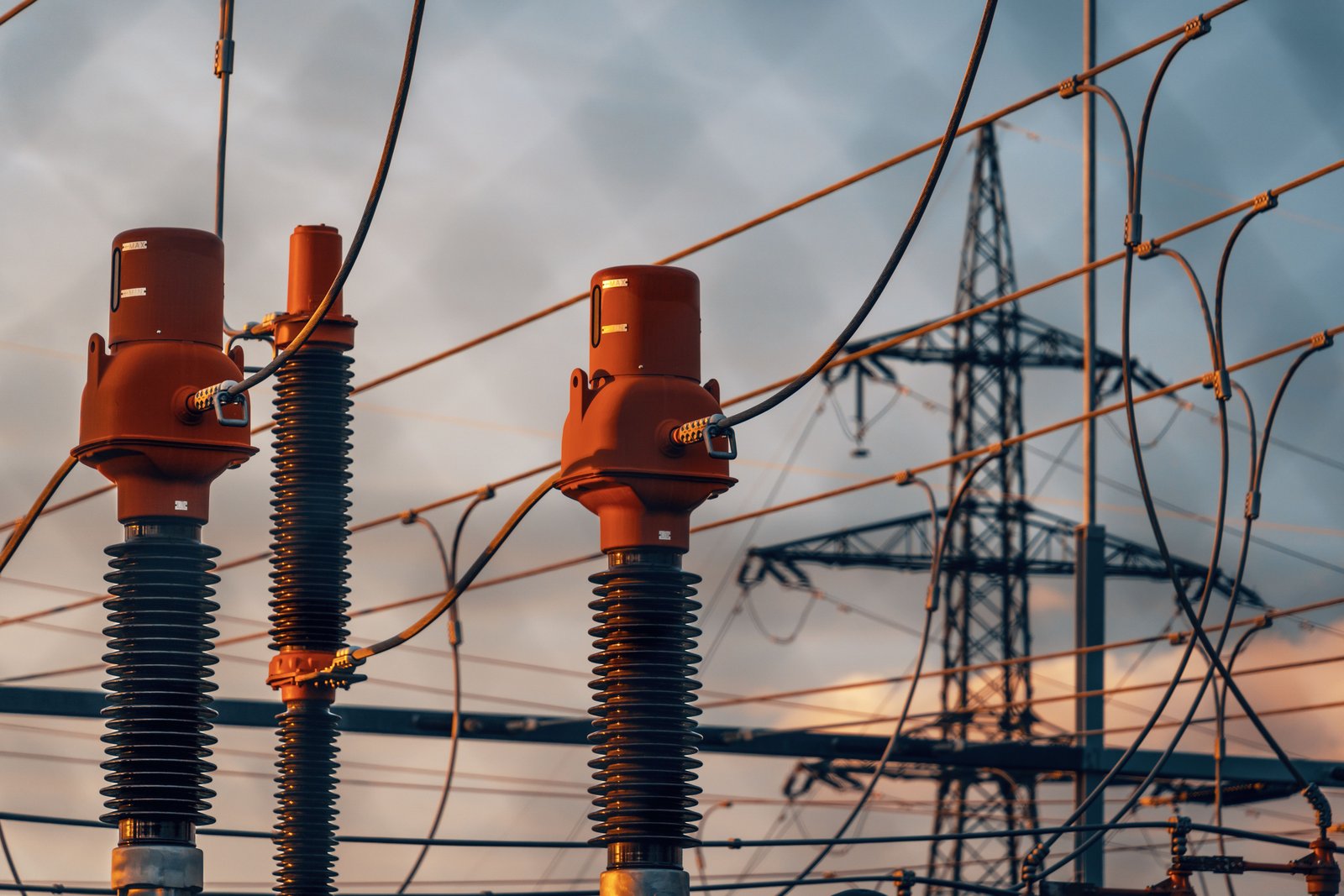
- Battery energy storage
- Smart energy management
- Low-carbon manufacturing
Clean energy reduces the environmental footprint of recycling operations while supporting broader sustainability goals. Renewable power advances green manufacturing.
Digital Traceability Improves Battery Lifecycle Management
Digital technologies enable organizations to monitor batteries from production through recycling.
Lifecycle management includes:
- Battery identification
- Usage history
- Performance monitoring
- End-of-life tracking
- Material recovery documentation
Improved traceability supports responsible recycling while enhancing supply chain transparency. Digital management strengthens accountability.
Electric Vehicle Growth Drives Recycling Demand
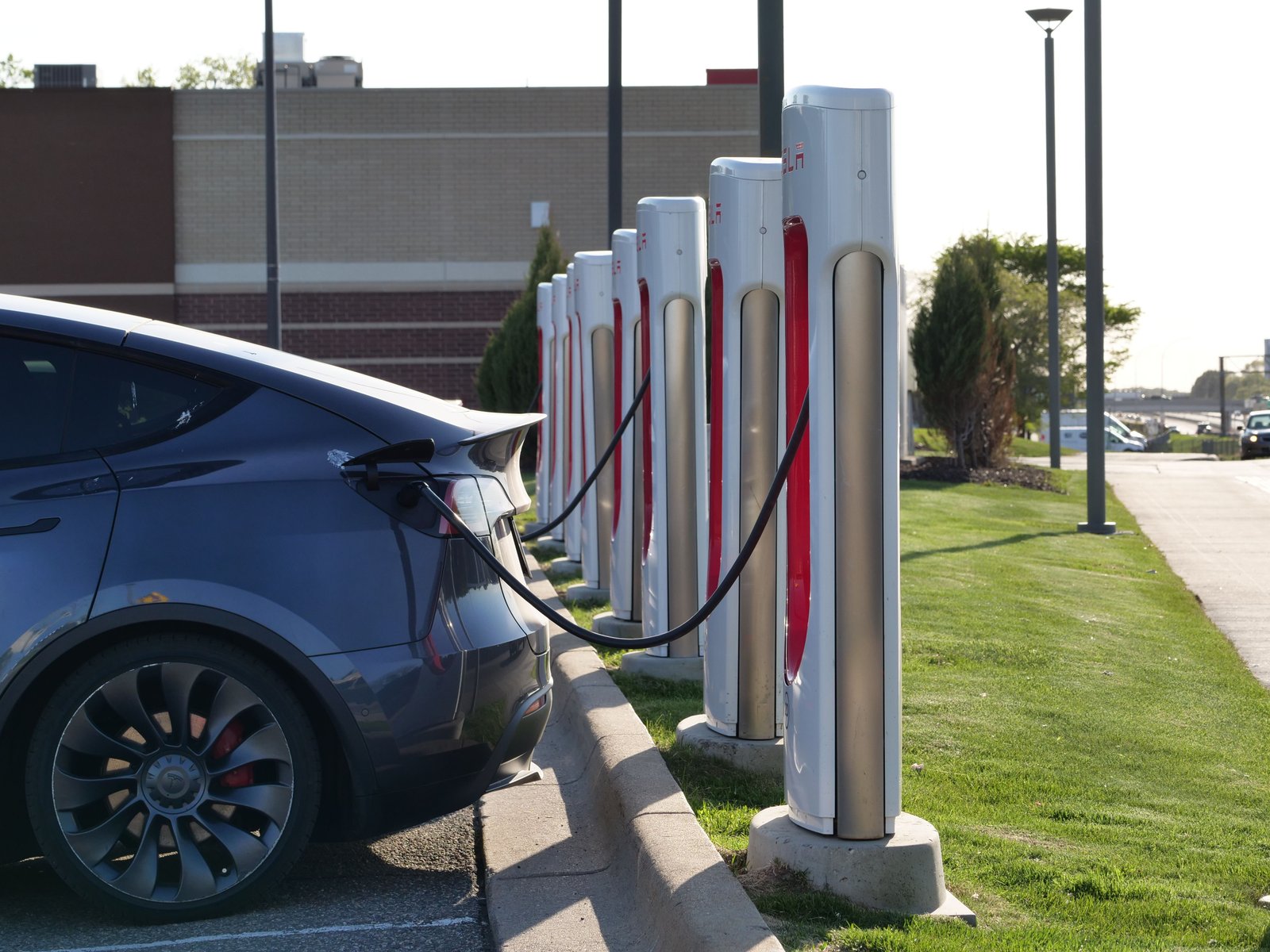
The increasing adoption of electric vehicles is creating greater demand for large-scale battery recycling infrastructure.
EV recycling supports:
- Sustainable mobility
- Material availability
- Manufacturing resilience
- Resource conservation
- Lower environmental impact
Efficient recycling ensures valuable battery materials remain available for future vehicle production. EV growth accelerates recycling innovation.
Research Advances Next-Generation Recycling Technologies
Scientists and engineers continue developing new techniques to improve battery material recovery.
Innovation focuses on:
- Hydrometallurgical recycling
- Direct recycling methods
- Low-energy recovery processes
- Improved material purity
- Scalable industrial technologies
Ongoing research supports higher recovery rates while lowering operational costs. Innovation strengthens long-term competitiveness.
Policy and Investment Encourage Industry Growth
Governments and private investors continue supporting battery recycling through funding and regulatory initiatives.
Key priorities include:
- Recycling infrastructure development
- Circular economy policies
- Critical mineral strategies
- Sustainable manufacturing incentives
- Research and development programs
Supportive investment accelerates commercialization while strengthening clean energy supply chains. Strategic policies encourage sustainable growth.
Challenges Continue
Despite significant technological progress, several challenges continue affecting large-scale battery recycling.
These include:
- Expanding recycling infrastructure
- Standardizing battery designs
- Improving recovery efficiency
- Managing transportation and collection systems
- Meeting growing demand for critical minerals
Continued investment in advanced recycling technologies, artificial intelligence, robotics, renewable energy integration, digital traceability, material science, and workforce development will remain essential for maximizing the benefits of battery recycling.
Looking Forward
Advanced battery recycling is transforming the clean energy supply chain by combining critical mineral recovery, artificial intelligence, robotics, circular manufacturing, renewable energy integration, and digital lifecycle management into highly sustainable industrial ecosystems.
As electric vehicles and renewable energy storage continue expanding globally, battery recycling will play an increasingly important role in strengthening resource security, reducing environmental impact, supporting circular manufacturing, improving supply chain resilience, and accelerating the global transition toward sustainable energy.
The continued advancement of battery recycling reflects a broader transformation across the energy and sustainability sector, where intelligent automation, circular economy principles, renewable technologies, advanced materials, and responsible resource management are creating a cleaner, more resilient, and future-ready energy ecosystem.