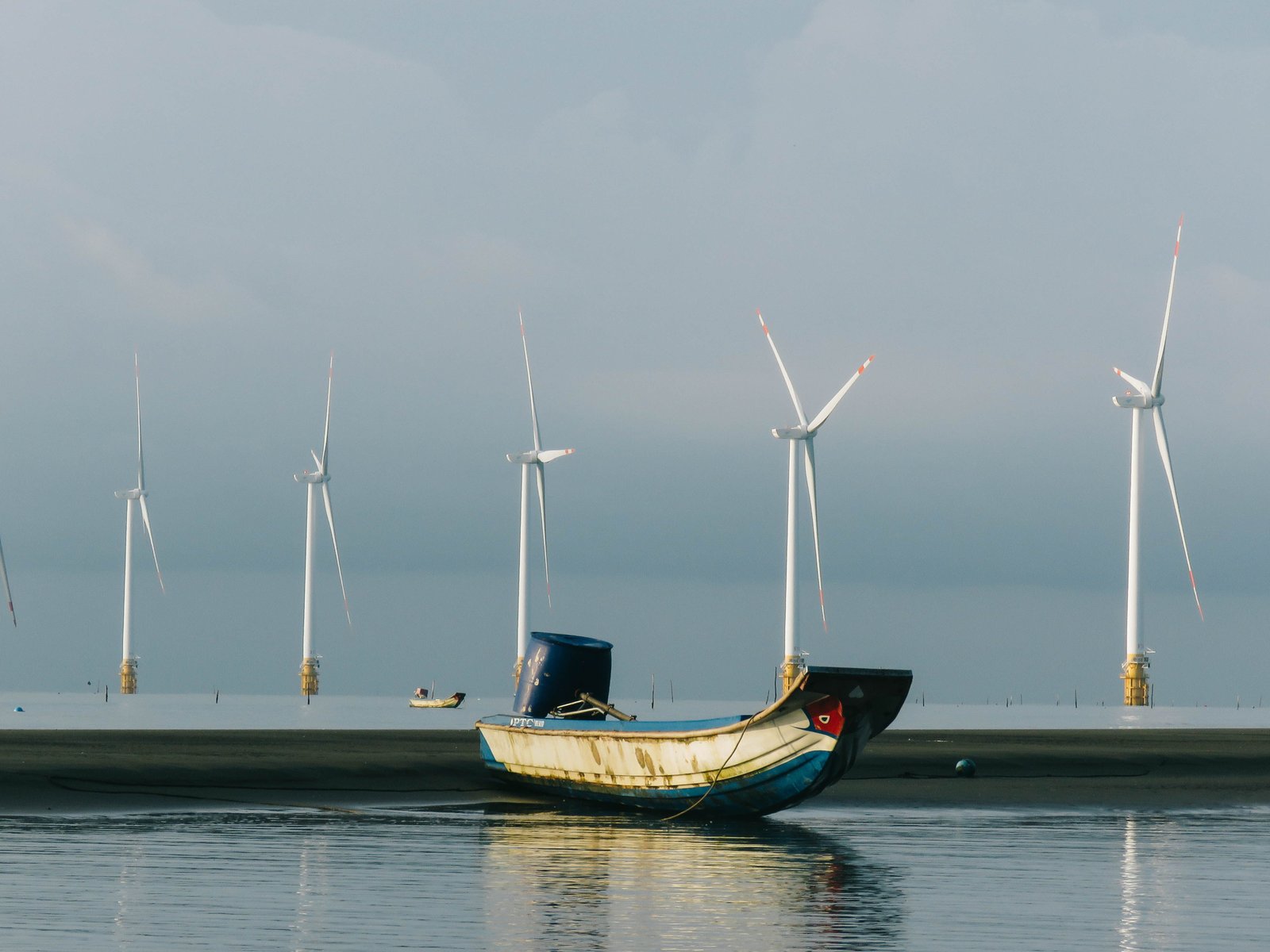
Deep-Water Wind Technology, Advanced Turbine Engineering, and Marine Energy Infrastructure Are Transforming Clean Power Production
The renewable energy sector is witnessing rapid growth in floating offshore wind farms as governments and energy companies seek to harness stronger and more consistent wind resources found in deep ocean waters. Unlike traditional offshore wind turbines that are fixed to the seabed, floating wind turbines are mounted on buoyant platforms anchored to the ocean floor, enabling electricity generation in areas where conventional foundations are not technically or economically feasible.
Advances in floating platform engineering, larger wind turbines, digital monitoring systems, artificial intelligence (AI), predictive maintenance, and subsea transmission technologies are making floating offshore wind increasingly viable for large-scale renewable energy generation. These projects have the potential to significantly increase global clean electricity production while supporting energy security and reducing greenhouse gas emissions.
Energy developers, offshore engineering companies, governments, utilities, research institutions, and technology providers are investing in floating wind technologies to accelerate the transition toward sustainable energy systems. Industry experts believe floating offshore wind will become one of the fastest-growing segments of renewable energy as nations expand clean power capacity to achieve long-term climate goals.
Floating Platforms Unlock Deep-Water Wind Resources
Floating foundations enable wind farms to operate in waters much deeper than those suitable for fixed-bottom turbines.
Floating platform technologies include:
- Semi-submersible platforms
- Spar buoy systems
- Tension-leg platforms
- Anchoring systems
- Dynamic mooring technologies
Access to deeper waters allows developers to capture stronger and more stable wind resources. Deep-water deployment expands renewable energy potential.
Larger Turbines Increase Electricity Production
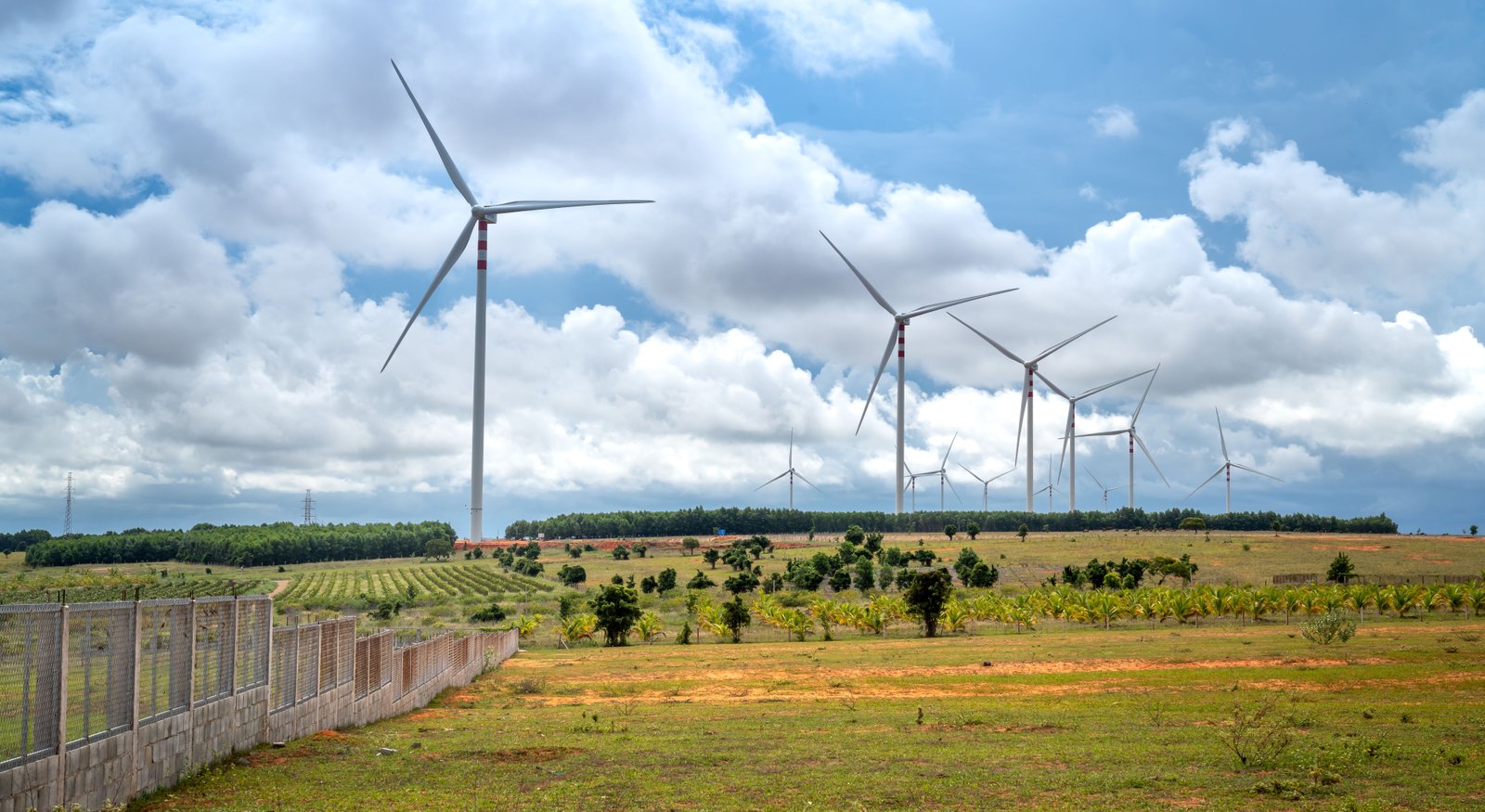
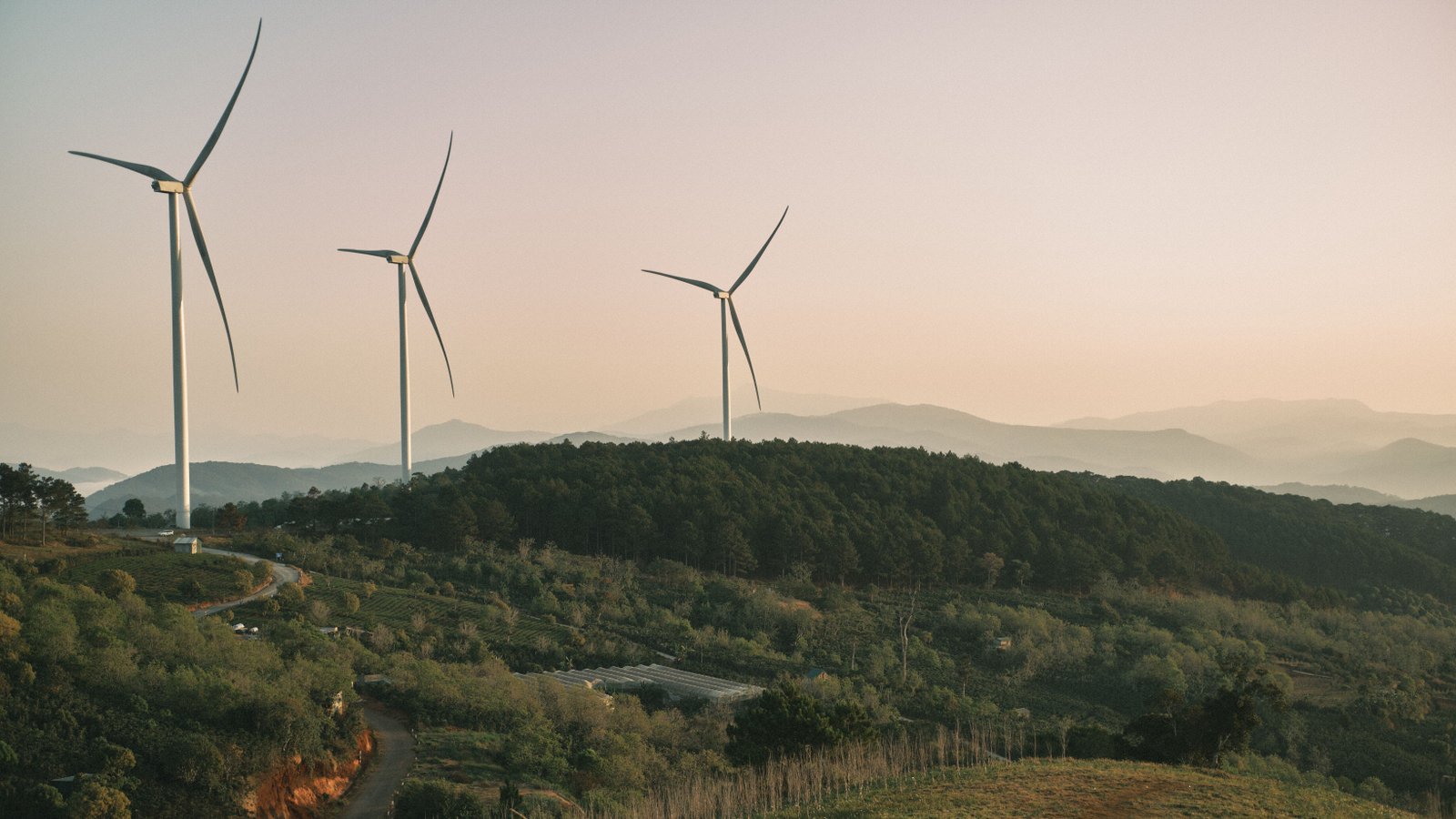
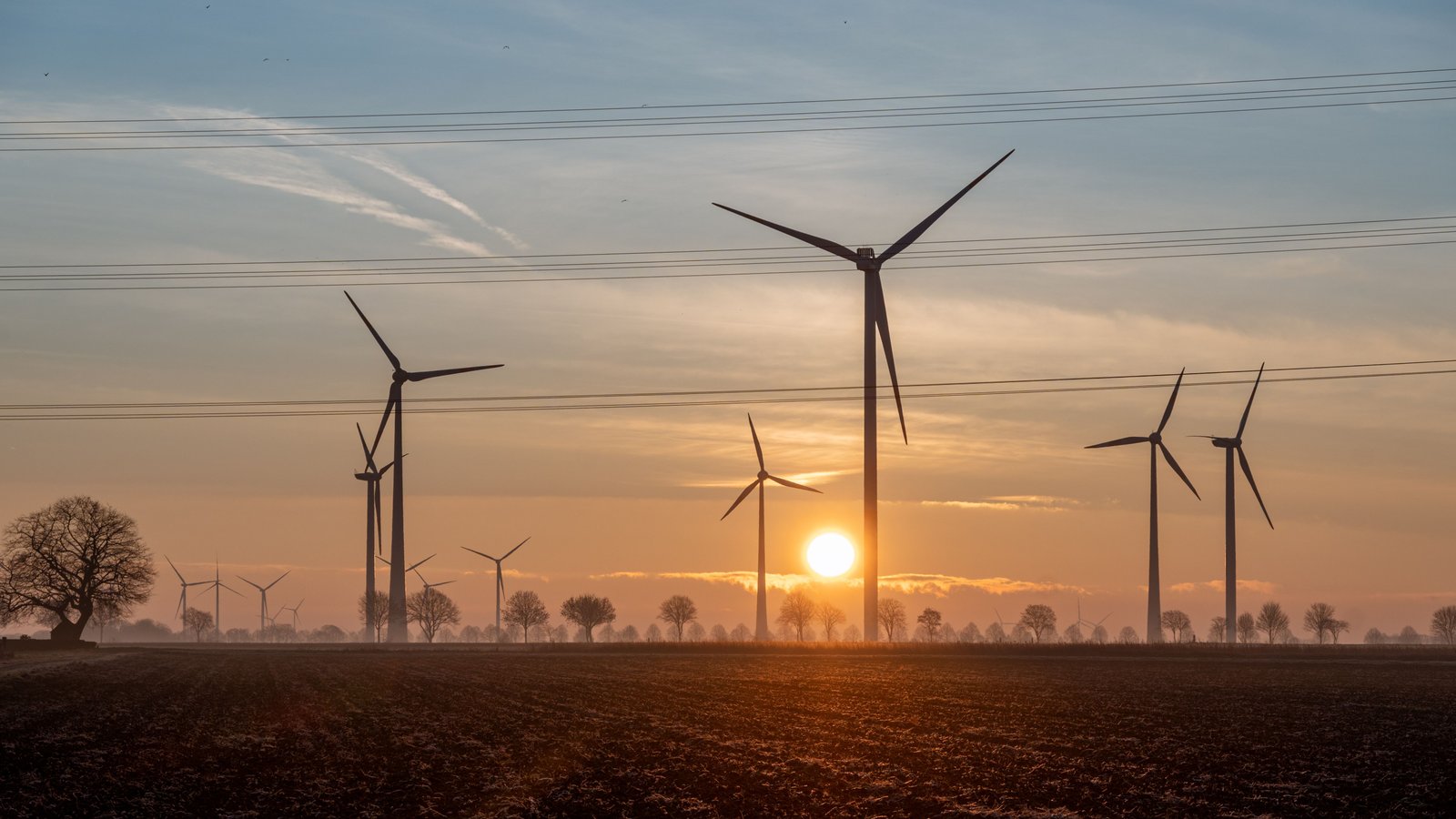
Modern offshore wind turbines are becoming larger and more efficient, enabling greater power generation from each installation.
Advanced turbines feature:
- Higher tower structures
- Longer rotor blades
- Increased generating capacity
- Lightweight composite materials
- Advanced aerodynamic designs
Higher-capacity turbines improve project economics while maximizing renewable electricity output. Engineering innovation boosts clean energy generation.
Artificial Intelligence Optimizes Wind Farm Operations
AI is helping operators improve the performance and reliability of floating offshore wind farms.
Artificial intelligence supports:
- Wind forecasting
- Turbine performance optimization
- Predictive maintenance
- Energy production analysis
- Operational scheduling
Machine learning enables operators to maximize electricity generation while reducing maintenance costs. Intelligent analytics improve operational efficiency.
Smart Sensors Enable Continuous Monitoring
Floating wind farms rely on advanced digital technologies to monitor equipment and environmental conditions in real time.
Monitoring systems track:
- Turbine vibration
- Structural integrity
- Wind conditions
- Ocean movements
- Equipment health
Continuous monitoring helps identify maintenance needs early while improving long-term operational reliability. Digital intelligence strengthens asset management.
Subsea Transmission Connects Offshore Energy
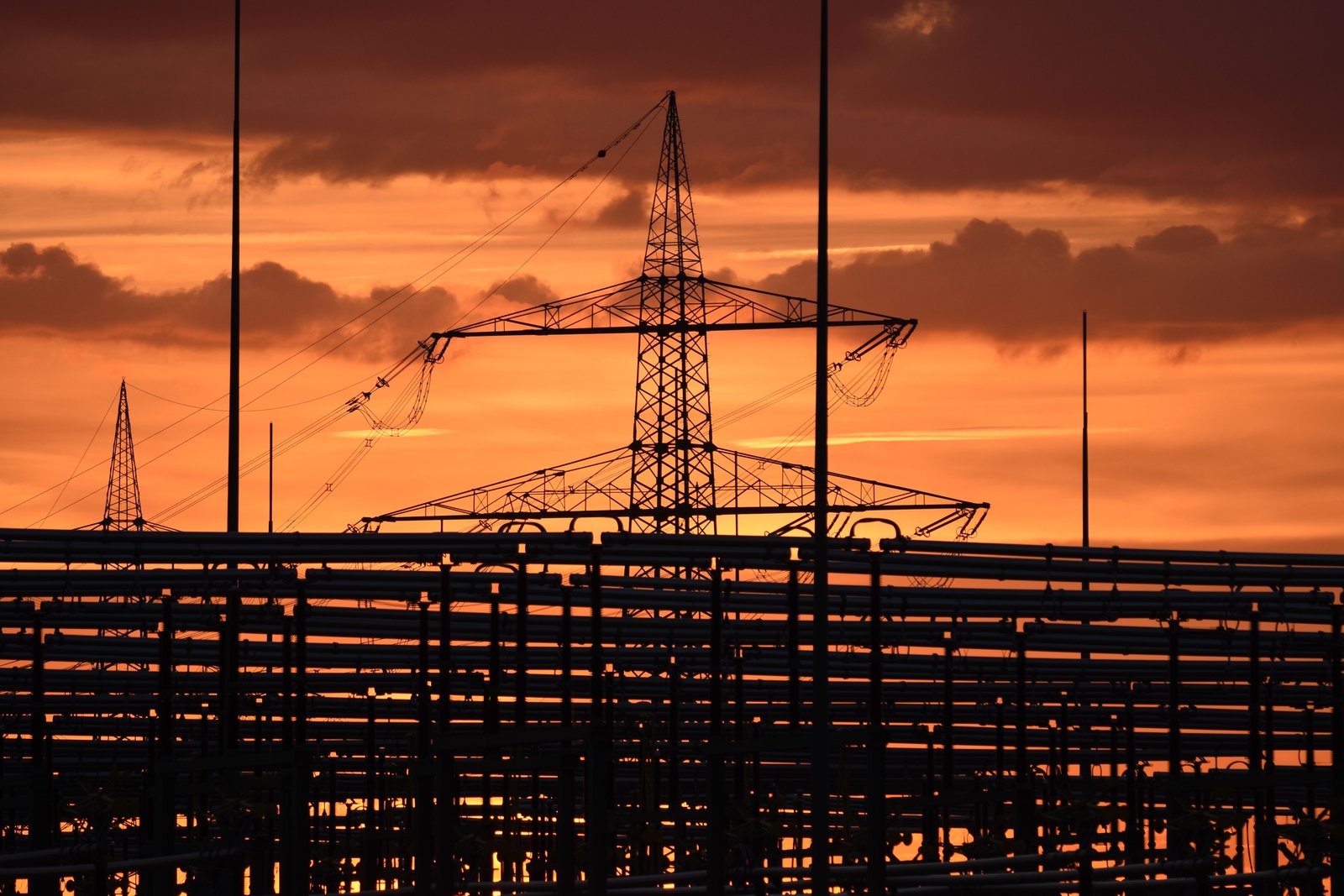
Electricity generated by floating wind farms is transmitted to onshore grids through advanced underwater cable systems.
Transmission infrastructure includes:
- High-voltage subsea cables
- Offshore substations
- Grid connection systems
- Marine electrical networks
- Smart power management
Reliable transmission systems ensure efficient delivery of renewable electricity to consumers. Modern infrastructure supports energy integration.
Offshore Wind Supports Energy Security
Expanding offshore renewable energy reduces dependence on imported fossil fuels while diversifying electricity generation.
Energy security benefits include:
- Stable domestic power generation
- Reduced fuel price exposure
- Increased renewable capacity
- Grid diversification
- Long-term electricity resilience
Diversified energy sources strengthen national energy independence. Renewable resources improve long-term stability.
Marine Engineering Drives Innovation
Advances in offshore engineering continue improving the safety and durability of floating wind infrastructure.
Engineering developments include:
- Corrosion-resistant materials
- Advanced anchoring systems
- Modular platform construction
- Improved installation methods
- Digital structural monitoring
Continuous innovation supports the commercialization of floating offshore wind projects worldwide. Engineering excellence accelerates industry growth.
Environmental Planning Supports Sustainable Development
Floating offshore wind projects are designed with careful consideration of marine ecosystems and environmental protection.
Environmental initiatives include:
- Marine biodiversity assessments
- Wildlife monitoring
- Sustainable construction practices
- Ocean habitat protection
- Environmental impact analysis
Responsible planning helps balance renewable energy development with marine conservation. Sustainability supports long-term project success.
Global Investment Accelerates Market Growth
Governments and private investors are expanding funding for floating offshore wind technologies.
Investment priorities include:
- Offshore infrastructure
- Research and development
- Manufacturing capacity
- Grid modernization
- Workforce development
Growing investment supports technological innovation while accelerating the transition to renewable energy. Financial support drives clean energy expansion.
Challenges Continue
Despite significant progress, several challenges continue influencing the large-scale deployment of floating offshore wind.
These include:
- High initial project costs
- Complex offshore installation
- Expanding transmission infrastructure
- Harsh marine operating conditions
- Developing specialized supply chains
Continued investment in offshore engineering, artificial intelligence, digital monitoring, advanced materials, subsea infrastructure, renewable energy research, and skilled workforce development will remain essential for maximizing the benefits of floating offshore wind technology.
Looking Forward
Floating offshore wind farms are transforming renewable energy by combining deep-water engineering, advanced turbine technology, artificial intelligence, smart monitoring systems, marine infrastructure, and sustainable energy production into highly resilient clean power ecosystems.
As countries continue expanding renewable energy capacity, floating offshore wind will play an increasingly important role in increasing electricity generation, strengthening energy security, reducing carbon emissions, supporting economic development, and advancing global climate objectives.
The continued advancement of floating offshore wind reflects a broader transformation across the energy and sustainability sector, where engineering innovation, intelligent technologies, renewable infrastructure, digital optimization, and environmental stewardship are creating cleaner, more reliable, and future-ready energy systems.