AI-Powered Forecasting, Smart Grid Automation, and Real-Time Energy Analytics Are Transforming Modern Power Systems
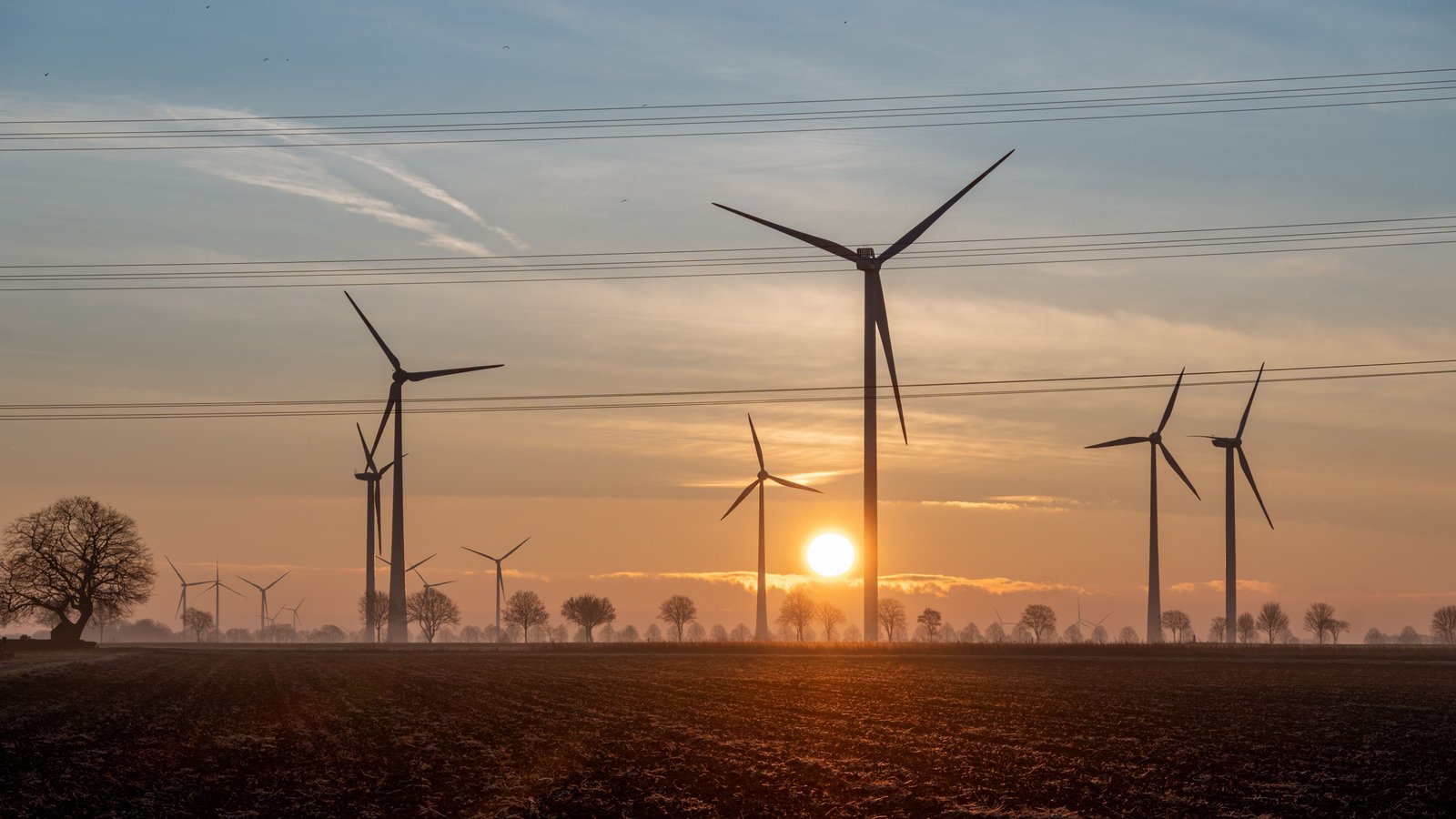
The global energy industry is increasingly adopting artificial intelligence (AI) to optimize renewable energy grid management as electricity networks become more complex with the growing integration of solar, wind, hydroelectric, and battery storage systems. AI-powered forecasting, smart grid automation, predictive analytics, digital monitoring, and intelligent energy management are enabling utilities to improve grid reliability, balance electricity supply and demand, and maximize the efficiency of renewable energy resources.
Unlike conventional power systems that relied on predictable electricity generation from fossil fuel plants, renewable energy sources are influenced by weather conditions and changing environmental factors. AI helps energy operators analyze vast amounts of real-time data, forecast renewable energy generation, automate grid operations, and improve decision-making to ensure stable and reliable electricity delivery.
Electric utilities, renewable energy developers, grid operators, technology companies, energy storage providers, research institutions, and governments are investing in AI-driven smart grid technologies to accelerate the global transition toward cleaner and more resilient energy systems. Industry experts believe AI will become an essential technology for managing future electricity networks as renewable energy adoption continues to expand worldwide.
AI Improves Renewable Energy Forecasting
Artificial intelligence analyzes weather patterns, historical generation data, and environmental conditions to predict renewable energy output more accurately.
AI forecasting supports:
- Solar power generation
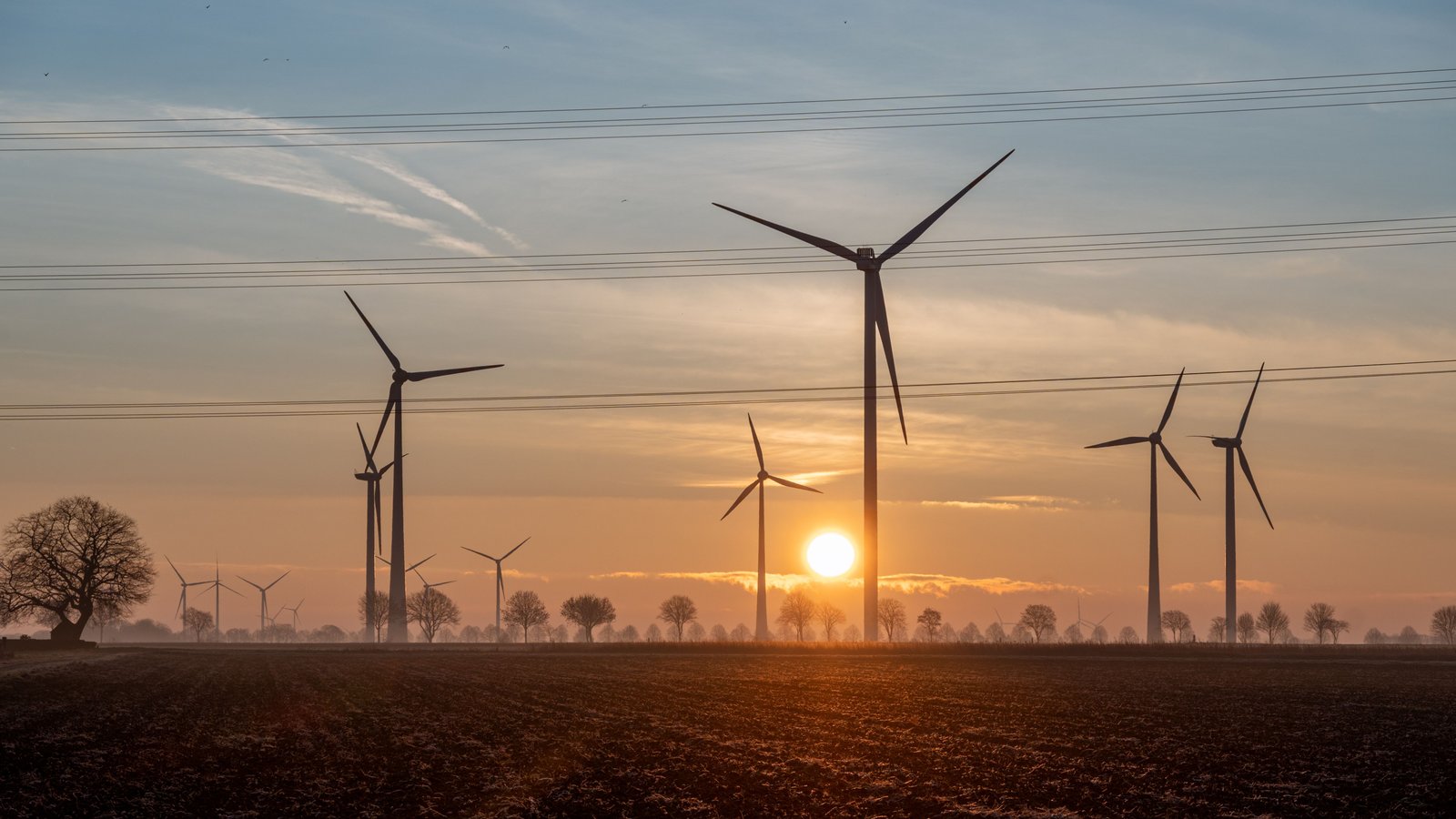
- Wind energy production
- Hydroelectric operations
- Electricity demand forecasting
- Weather impact analysis
Accurate forecasting enables grid operators to balance electricity supply while minimizing energy losses. Predictive intelligence improves grid reliability.
Smart Grid Automation Enhances Operational Efficiency
Modern smart grids use AI to automate electricity distribution and optimize network performance.
Automation supports:
- Load balancing
- Voltage regulation
- Grid stabilization
- Demand response
- Power flow optimization
Automated operations improve system efficiency while reducing manual intervention. Smart grids strengthen energy resilience.
Real-Time Monitoring Improves Grid Visibility
Digital technologies continuously monitor electricity networks to identify operational changes and potential disruptions.
Monitoring systems track:
- Power generation
- Transmission performance
- Grid frequency
- Equipment health
- Energy consumption
Continuous visibility enables operators to respond quickly to changing grid conditions while maintaining reliable electricity delivery. Real-time analytics strengthen operational control.
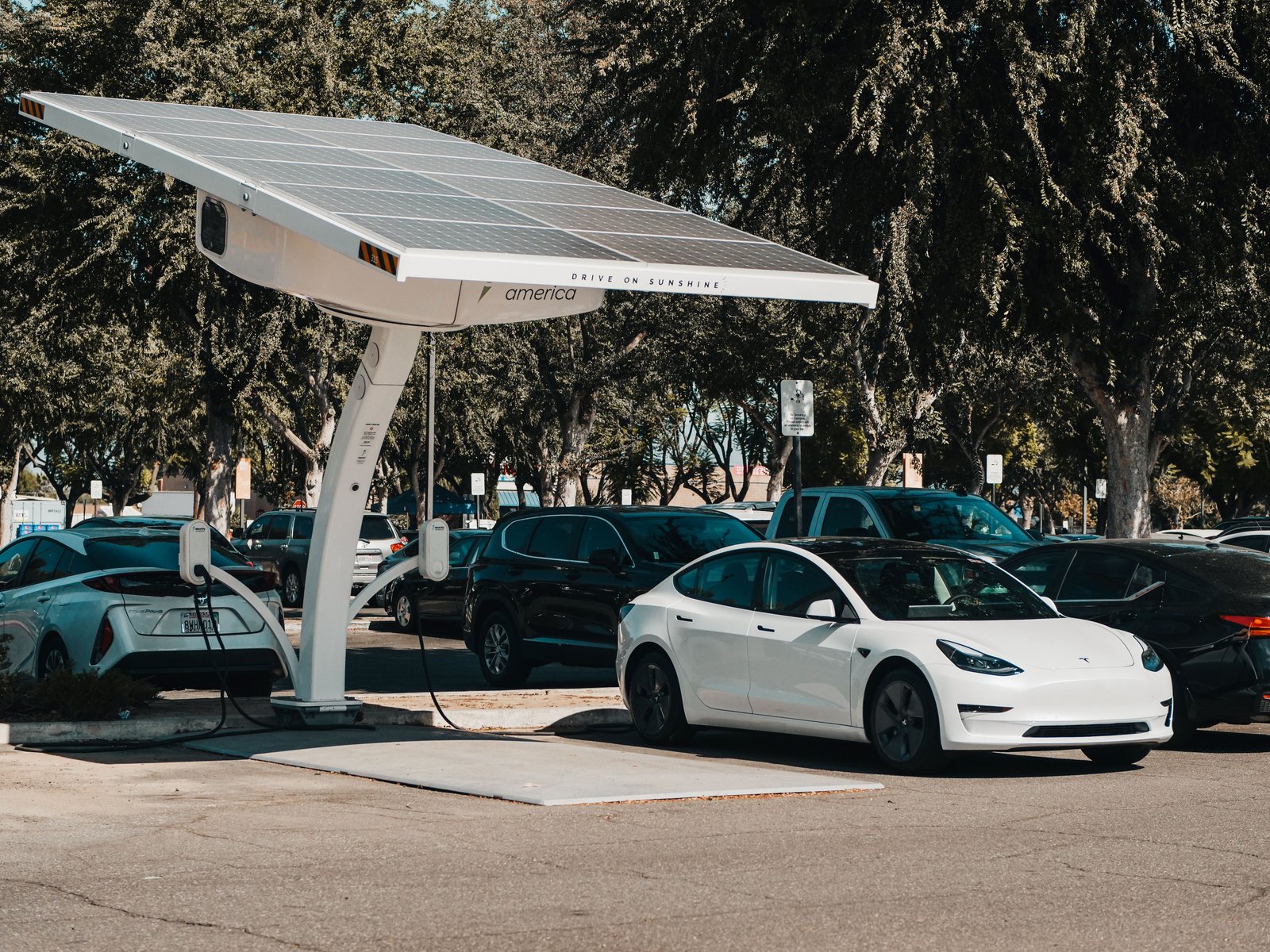
Battery Energy Storage Supports Renewable Integration
AI optimizes battery storage systems to improve renewable energy utilization.
Battery management enables:
- Energy storage optimization
- Peak demand support
- Grid balancing
- Renewable energy backup
- Frequency regulation
Intelligent storage systems help utilities maximize renewable energy availability while improving overall grid stability. Energy storage enhances system flexibility.
Demand Response Improves Energy Efficiency
AI enables utilities to adjust electricity demand based on real-time grid conditions.
Demand response programs support:
- Peak load reduction
- Smart appliance management
- Industrial energy optimization
- Commercial energy efficiency
- Consumer participation
Flexible energy consumption helps balance electricity demand while reducing strain on the grid. Demand management improves resource utilization.
Predictive Maintenance Reduces Infrastructure Downtime
Artificial intelligence continuously analyzes equipment performance across electricity networks.
Predictive maintenance monitors:
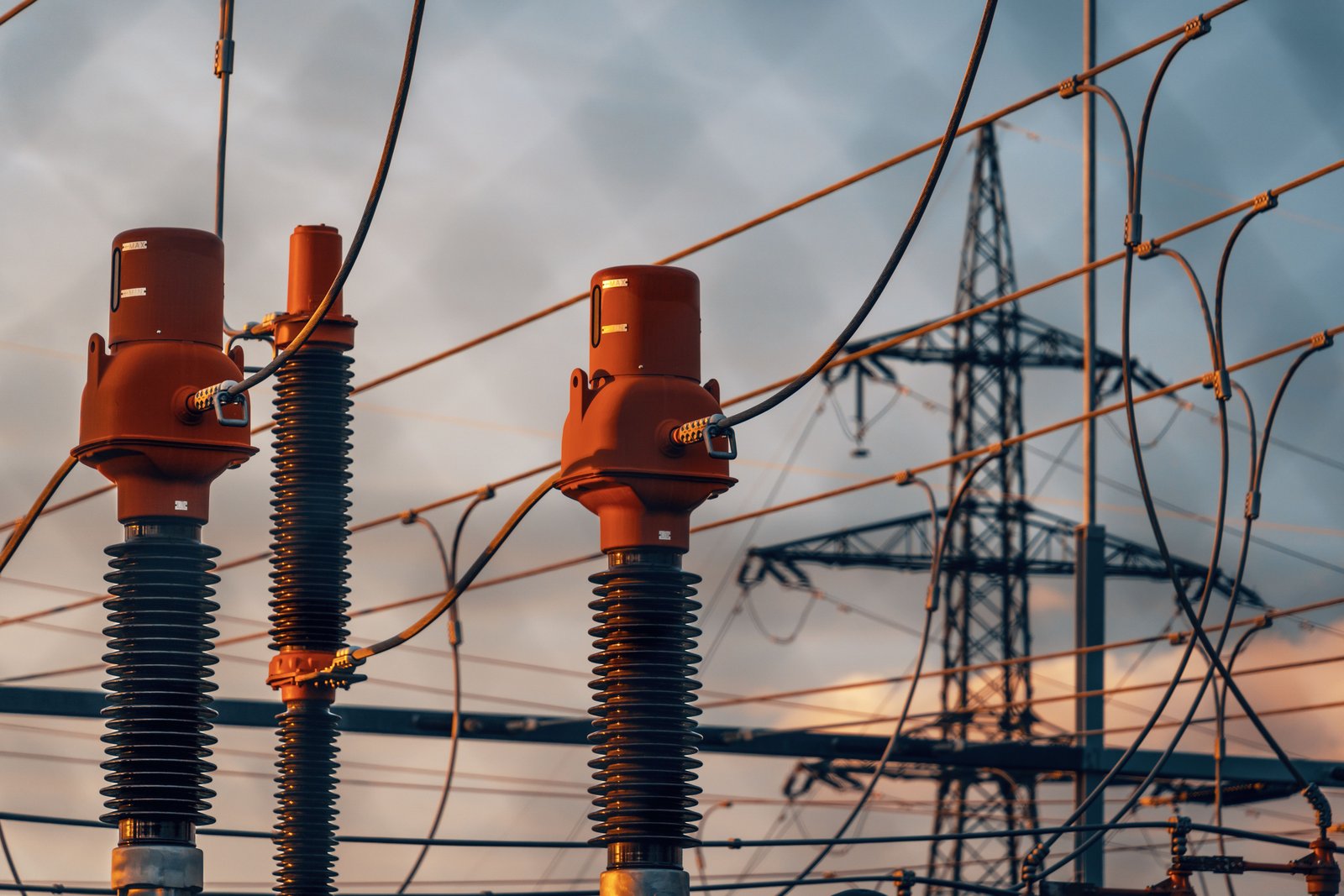
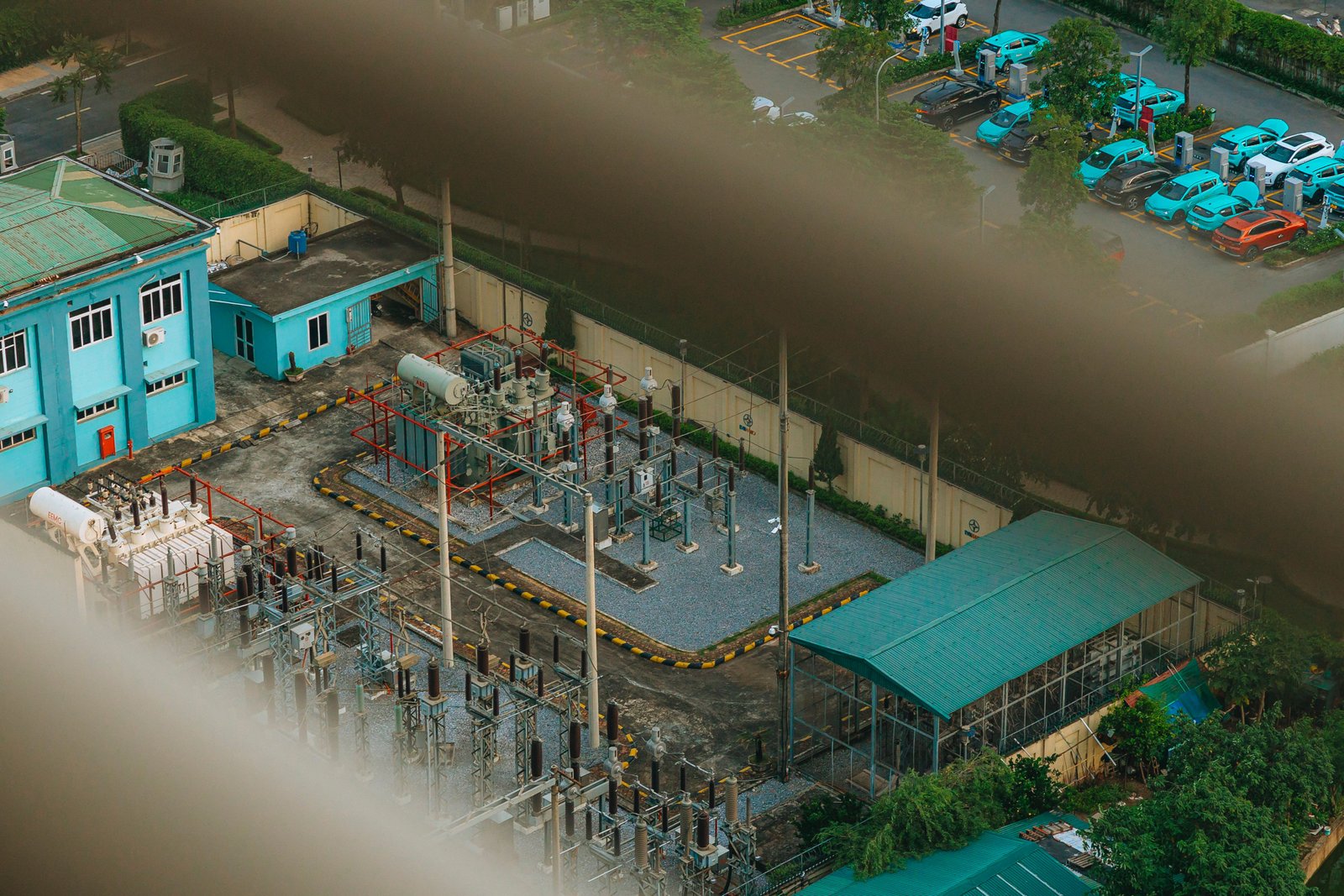
- Transformers
- Transmission lines
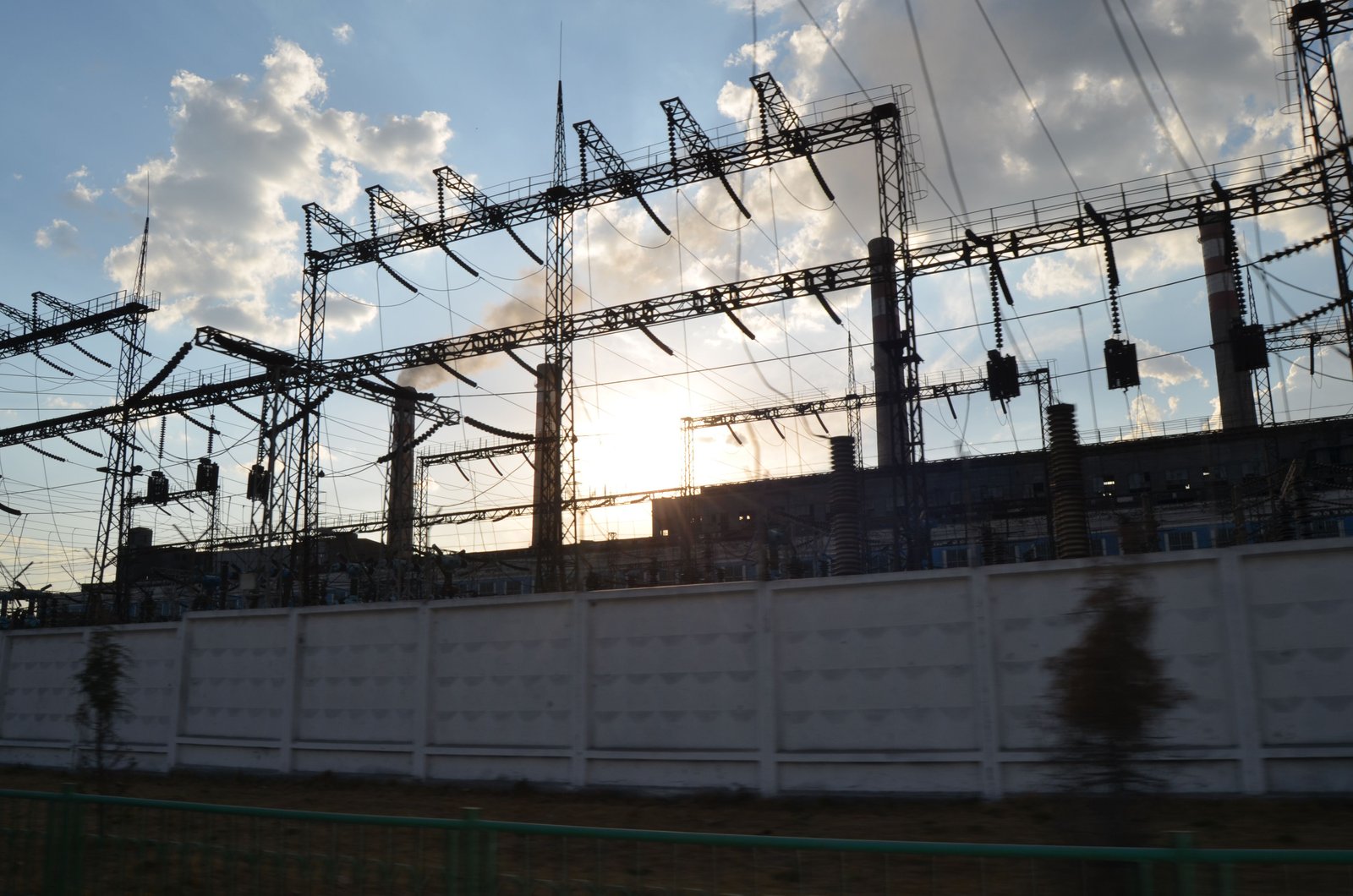
- Substations
- Wind turbines
- Solar installations
Early detection of equipment issues reduces unexpected outages while extending infrastructure lifespan. Predictive maintenance strengthens grid reliability.
Cloud Computing Enables Advanced Grid Analytics
Cloud platforms provide utilities with scalable infrastructure for processing large volumes of operational data.
b
Cloud capabilities include:
- Centralized energy management
- Data analytics
- Performance dashboards
- Asset monitoring
- Cross-network coordination
Digital platforms improve collaboration while supporting more informed operational decisions. Cloud technology accelerates energy innovation.
Cybersecurity Protects Smart Energy Networks
As electricity grids become increasingly digital, protecting critical infrastructure remains a strategic priority.
Energy organizations strengthen cybersecurity through:
- Secure network architecture
- Identity and access management
- Data encryption
- Threat monitoring
- Incident response planning
Comprehensive cybersecurity protects energy infrastructure while maintaining public confidence in modern electricity systems. Secure systems support reliable energy delivery.
Sustainability Benefits from Intelligent Energy Management
AI helps utilities maximize renewable energy utilization while reducing dependence on fossil fuel generation.
Sustainability outcomes include:
- Lower carbon emissions
- Greater renewable energy integration
- Improved energy efficiency
- Reduced operational waste
- Enhanced grid resilience
Intelligent energy management supports long-term environmental objectives while improving operational performance. Digital innovation advances clean energy.
Challenges Continue
Despite significant technological advancement, utilities continue facing several implementation challenges.
These include:
- Integrating AI with legacy grid infrastructure
- Managing increasing volumes of operational data
- Expanding renewable energy transmission capacity
- Strengthening cybersecurity across digital grids
- Developing skilled digital energy workforces
Continued investment in artificial intelligence, smart grid infrastructure, cloud computing, battery energy storage, predictive analytics, cybersecurity, and renewable energy technologies will remain essential for maximizing the benefits of AI-driven grid management.
Looking Forward
Artificial intelligence is transforming renewable energy grid management by combining predictive forecasting, smart grid automation, battery energy storage, cloud computing, real-time analytics, and intelligent infrastructure into highly efficient energy ecosystems.
As renewable energy continues expanding globally, AI will play an increasingly important role in improving grid reliability, optimizing clean energy integration, strengthening operational resilience, supporting sustainability goals, and modernizing electricity infrastructure.
The continued advancement of AI-powered renewable energy management reflects a broad transformation across the energy and sustainability sector, where intelligent automation, digital infrastructure, advanced analytics, renewable innovation, and resilient energy systems are creating a cleaner, smarter, and future-ready global power network.