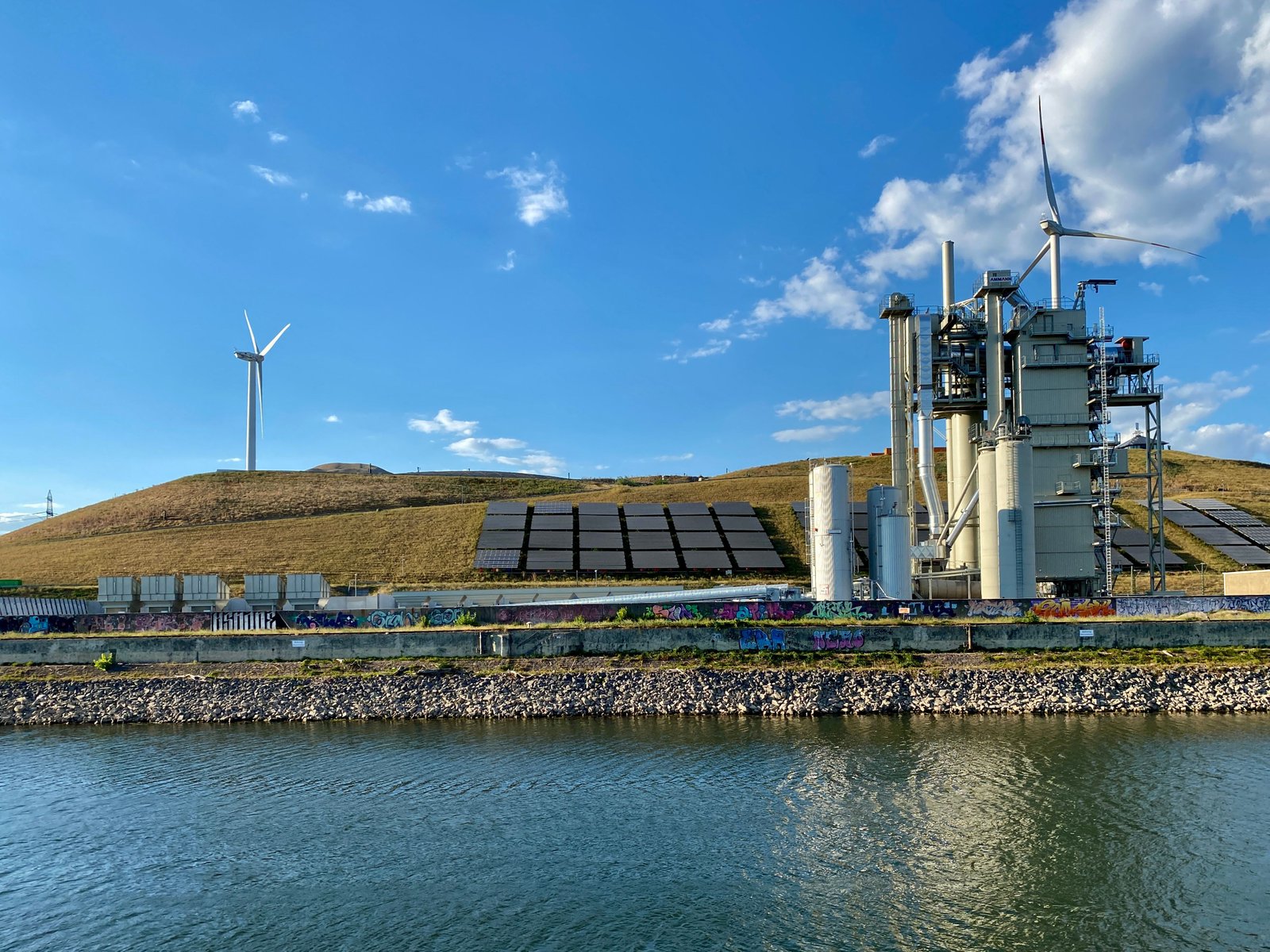
Renewable Hydrogen, Electrolysis Technology, and Clean Industrial Fuels Are Transforming the Future of Sustainable Energy
The global energy sector is witnessing significant momentum in green hydrogen production as governments, energy companies, and industrial organizations accelerate investments in low-carbon energy solutions. Produced through electrolysis powered by renewable electricity, green hydrogen is emerging as a promising clean fuel capable of reducing carbon emissions across industries that are difficult to electrify. Advances in electrolyzer technology, renewable power generation, hydrogen storage, transportation infrastructure, and industrial applications are positioning green hydrogen as a key pillar of the global clean energy transition.
Unlike conventional hydrogen produced from fossil fuels, green hydrogen generates little to no direct carbon emissions during production when renewable electricity is used. This makes it an attractive solution for supporting decarbonization across sectors including steel manufacturing, chemicals, fertilizers, heavy transportation, shipping, aviation, and power generation.
Energy companies, industrial manufacturers, technology providers, research institutions, governments, and infrastructure developers are collaborating to build hydrogen production facilities, transportation networks, and fueling infrastructure that support long-term energy sustainability. Industry experts believe green hydrogen will play an increasingly important role in achieving global climate objectives while improving energy security and supporting industrial transformation.
Electrolysis Produces Clean Hydrogen
Green hydrogen is produced through electrolysis, a process that separates water into hydrogen and oxygen using electricity generated from renewable energy sources.
Electrolysis systems utilize:
- Solar power
- Wind energy
- Hydroelectric power
- Renewable electricity
- Advanced electrolyzers
As renewable electricity becomes more widely available, green hydrogen production is becoming increasingly scalable and cost-effective. Clean production supports sustainable energy development.
Renewable Energy Drives Hydrogen Growth
The expansion of renewable energy capacity is accelerating the production of green hydrogen worldwide.
Renewable energy sources supporting hydrogen production include:
- Utility-scale solar farms
- Offshore wind projects
- Onshore wind farms
- Hydropower facilities
- Hybrid renewable energy systems
Reliable renewable electricity enables continuous hydrogen production while reducing dependence on fossil fuels. Renewable integration strengthens clean energy systems.
Industrial Decarbonization Gains Momentum
Green hydrogen offers a viable pathway for reducing emissions in energy-intensive industries.
Industrial applications include:
- Steel manufacturing
- Chemical production
- Cement manufacturing
- Fertilizer production
- Industrial heating
Replacing fossil fuels with green hydrogen can significantly reduce industrial carbon emissions while supporting sustainable manufacturing. Hydrogen accelerates industrial decarbonization.
Hydrogen Storage Improves Energy Flexibility
Hydrogen serves as an important energy storage solution by capturing excess renewable electricity for future use.
Hydrogen storage supports:
- Long-duration energy storage
- Seasonal energy balancing
- Grid stabilization
- Backup power
- Renewable energy integration
Energy storage improves grid reliability while enabling greater use of renewable power. Flexible storage enhances energy resilience.
Clean Transportation Expands Hydrogen Applications
Hydrogen is increasingly being adopted as an alternative fuel for sectors where battery-electric solutions may be less practical.
Hydrogen-powered transportation includes:
- Heavy-duty trucks
- Public buses
- Freight rail
- Maritime shipping
- Aviation research
Hydrogen fuel supports lower-emission transportation while expanding clean mobility options. Alternative fuels strengthen transportation sustainability.
Hydrogen Infrastructure Continues to Develop
Governments and private organizations are investing in infrastructure needed to support hydrogen adoption.
Infrastructure development includes:
- Hydrogen production plants
- Storage facilities
- Distribution pipelines
- Refueling stations
- Export terminals
Comprehensive infrastructure enables broader commercialization while supporting future energy demand. Infrastructure investment drives market growth.
Artificial Intelligence Optimizes Hydrogen Production
Artificial intelligence is helping improve the efficiency and reliability of hydrogen production facilities.
AI applications include:
- Electrolyzer optimization
- Energy forecasting
- Equipment monitoring
- Predictive maintenance
- Production scheduling
Machine learning enables operators to maximize efficiency while reducing operational costs. Intelligent automation improves production performance.
International Collaboration Accelerates Innovation
Countries are increasingly collaborating to expand hydrogen technologies and establish global hydrogen markets.
Collaborative initiatives focus on:
- Technology research
- Infrastructure investment
- Trade partnerships
- Industry standards
- Clean energy innovation
International cooperation supports the development of a competitive and interconnected hydrogen economy. Global partnerships strengthen energy transition.
Sustainability Supports Long-Term Energy Security
Green hydrogen contributes to diversified and resilient energy systems by reducing dependence on conventional fossil fuels.
Long-term sustainability benefits include:
- Lower greenhouse gas emissions
- Greater renewable energy utilization
- Improved energy independence
- Cleaner industrial processes
- Enhanced climate resilience
Hydrogen supports a balanced and sustainable future energy mix.
Challenges Continue
Despite rapid progress, several challenges continue influencing the large-scale deployment of green hydrogen.
These include:
- High production costs
- Expanding renewable electricity capacity
- Scaling hydrogen infrastructure
- Improving electrolyzer efficiency
- Developing international regulatory and safety standards
Continued investment in renewable energy, advanced electrolyzer technologies, artificial intelligence, hydrogen storage, transportation infrastructure, and research partnerships will remain essential for accelerating the adoption of green hydrogen.
Looking Forward
Green hydrogen is transforming the global energy landscape by combining renewable electricity, electrolysis technology, advanced energy storage, industrial decarbonization, intelligent automation, and sustainable infrastructure into a clean and flexible energy ecosystem.
As governments and industries continue advancing net-zero strategies, green hydrogen will play an increasingly important role in reducing industrial emissions, strengthening energy security, supporting renewable energy integration, enabling clean transportation, and driving long-term sustainability.
The continued advancement of green hydrogen reflects a broader transformation across the energy and sustainability sector, where renewable innovation, digital technologies, international collaboration, intelligent energy management, and low-carbon solutions are creating a cleaner, more resilient, and future-ready global energy system.