Waste-to-Energy Technologies, Biomass Utilization, and Resource Recovery Are Advancing Sustainable Energy Systems
The global energy and sustainability sector is increasingly embracing circular economy innovations that convert waste into valuable clean energy resources. By integrating waste-to-energy technologies, biomass utilization, anaerobic digestion, advanced recycling, biofuel production, and resource recovery systems, governments and industries are reducing landfill waste while generating renewable energy and supporting long-term environmental sustainability.
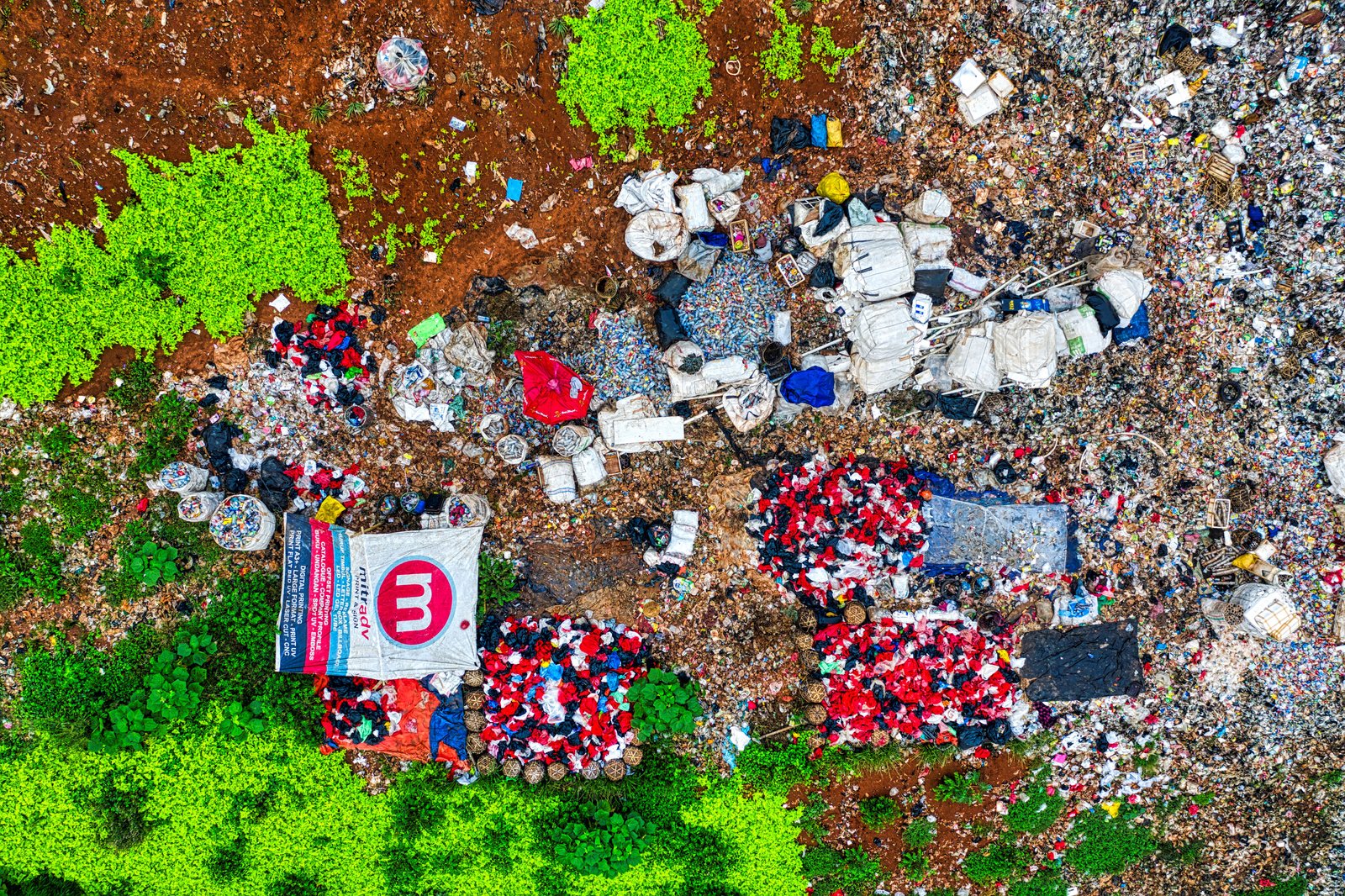
Traditionally, large volumes of municipal, agricultural, and industrial waste were disposed of in landfills, contributing to greenhouse gas emissions and resource loss. Today, circular economy strategies focus on recovering energy and reusable materials from waste streams, transforming what was once considered waste into valuable economic and environmental assets. These approaches help reduce dependence on fossil fuels while promoting more efficient resource utilization.
Energy companies, municipalities, waste management organizations, agricultural producers, industrial manufacturers, technology providers, and environmental agencies are investing in circular economy infrastructure to support cleaner energy production and sustainable waste management. Industry experts believe waste-to-energy and resource recovery technologies will become increasingly important as countries pursue net-zero emissions and circular economic development.
Waste-to-Energy Facilities Generate Renewable Power
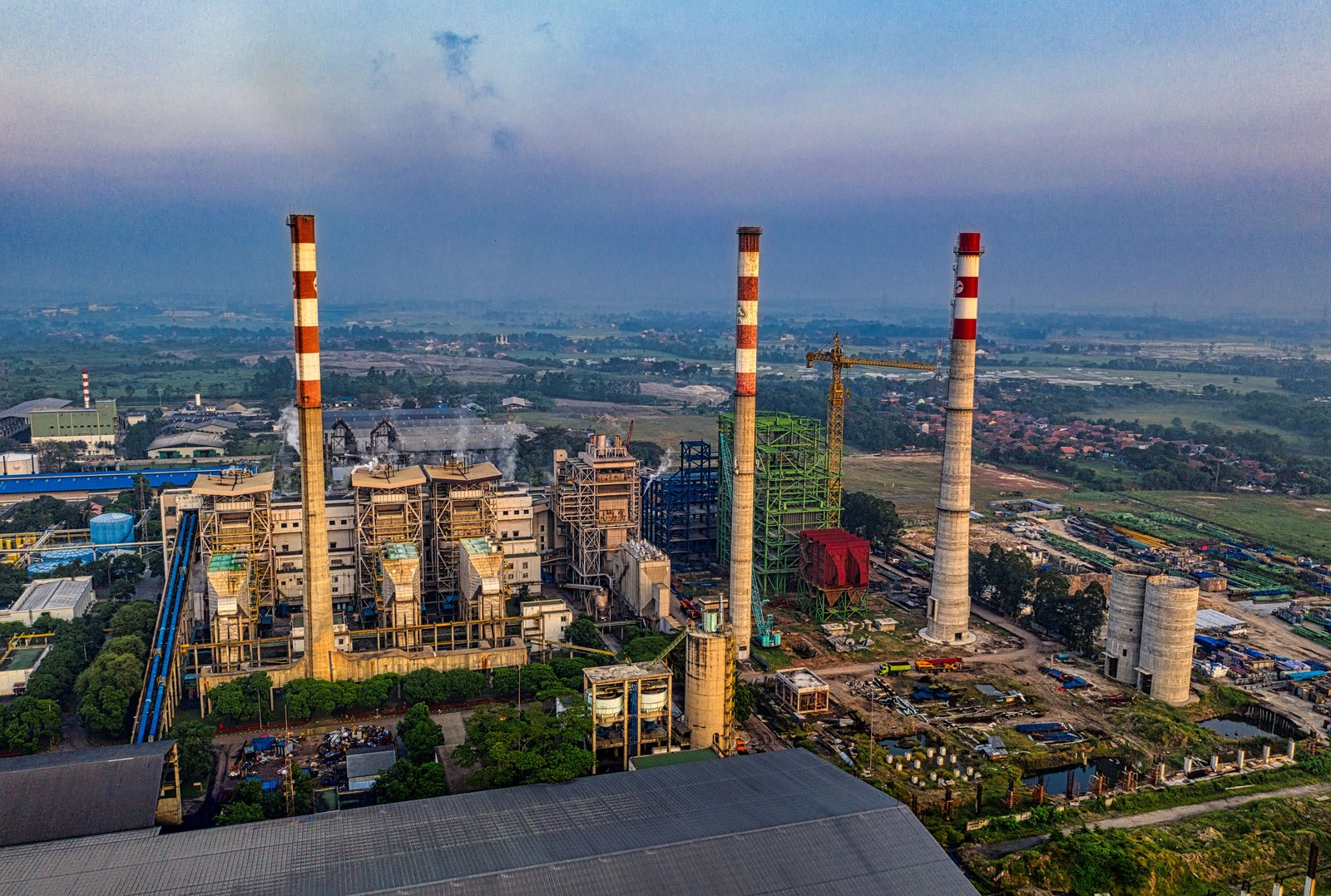
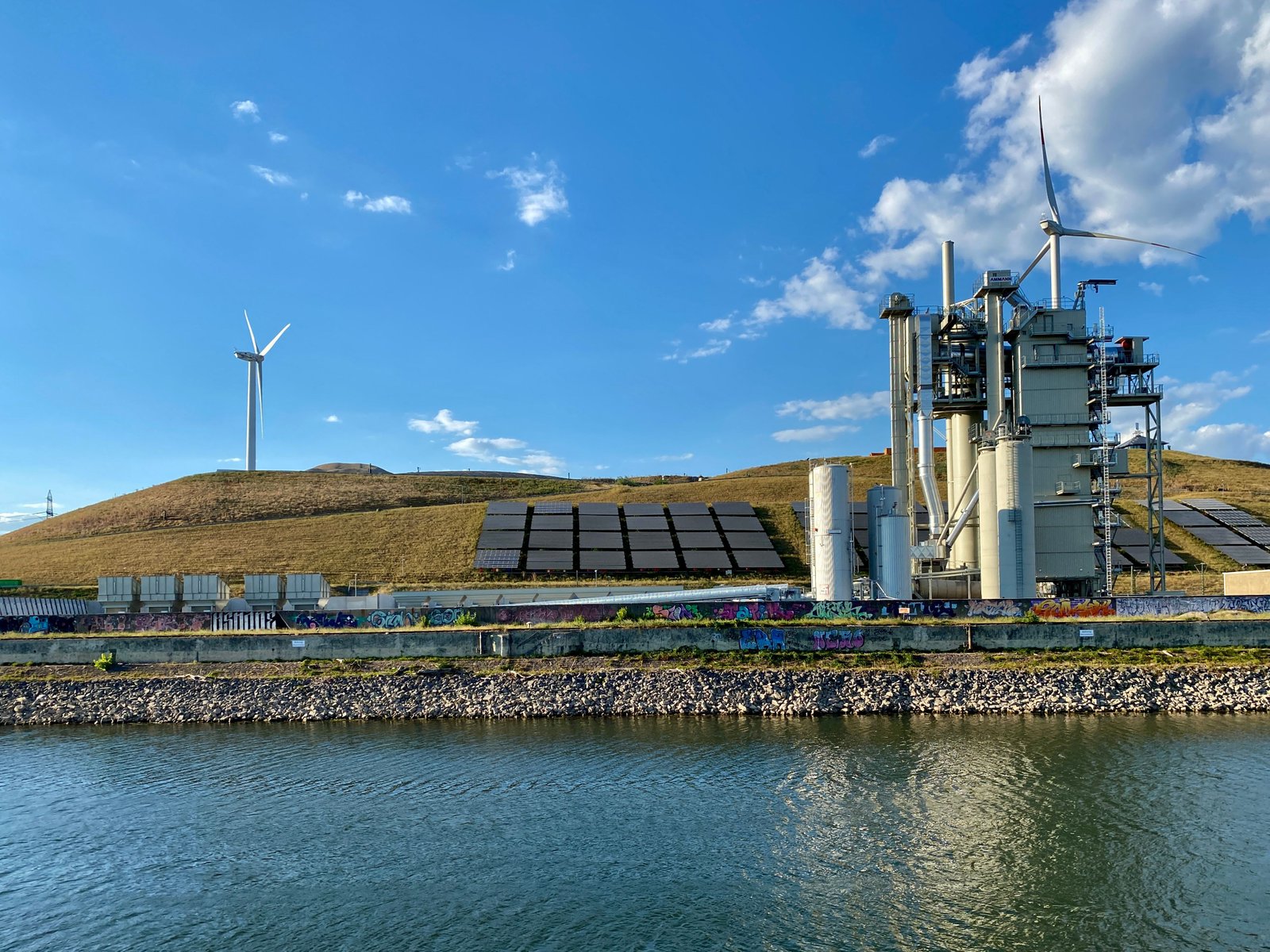
Modern waste-to-energy plants convert non-recyclable waste into electricity and heat using advanced thermal technologies.
Waste-to-energy processes include:
- Municipal solid waste conversion
- Industrial waste processing
- Refuse-derived fuel production
- Combined heat and power generation
- High-efficiency combustion systems
These facilities reduce landfill dependence while producing reliable renewable energy. Energy recovery improves resource efficiency.
Biomass Supports Low-Carbon Energy Production
Biomass utilizes renewable organic materials to generate electricity, heat, and biofuels.
Common biomass resources include:
- Agricultural residues
- Forestry by-products
- Organic municipal waste
- Food processing waste
- Energy crops
Renewable biomass provides a sustainable alternative to conventional fossil fuels while supporting rural economic development. Biomass strengthens renewable energy diversification.
Anaerobic Digestion Converts Organic Waste into Biogas
Anaerobic digestion uses naturally occurring microorganisms to break down organic waste in oxygen-free environments.
The process produces:
- Renewable biogas
- Organic fertilizers
- Nutrient-rich digestate
- Reduced methane emissions
- Sustainable waste treatment
Biogas generated from organic waste can be used for electricity generation, heating, and transportation fuel. Biological processes support clean energy production.
Resource Recovery Maximizes Material Utilization
Circular economy systems prioritize recovering valuable materials before waste disposal.
Resource recovery includes:
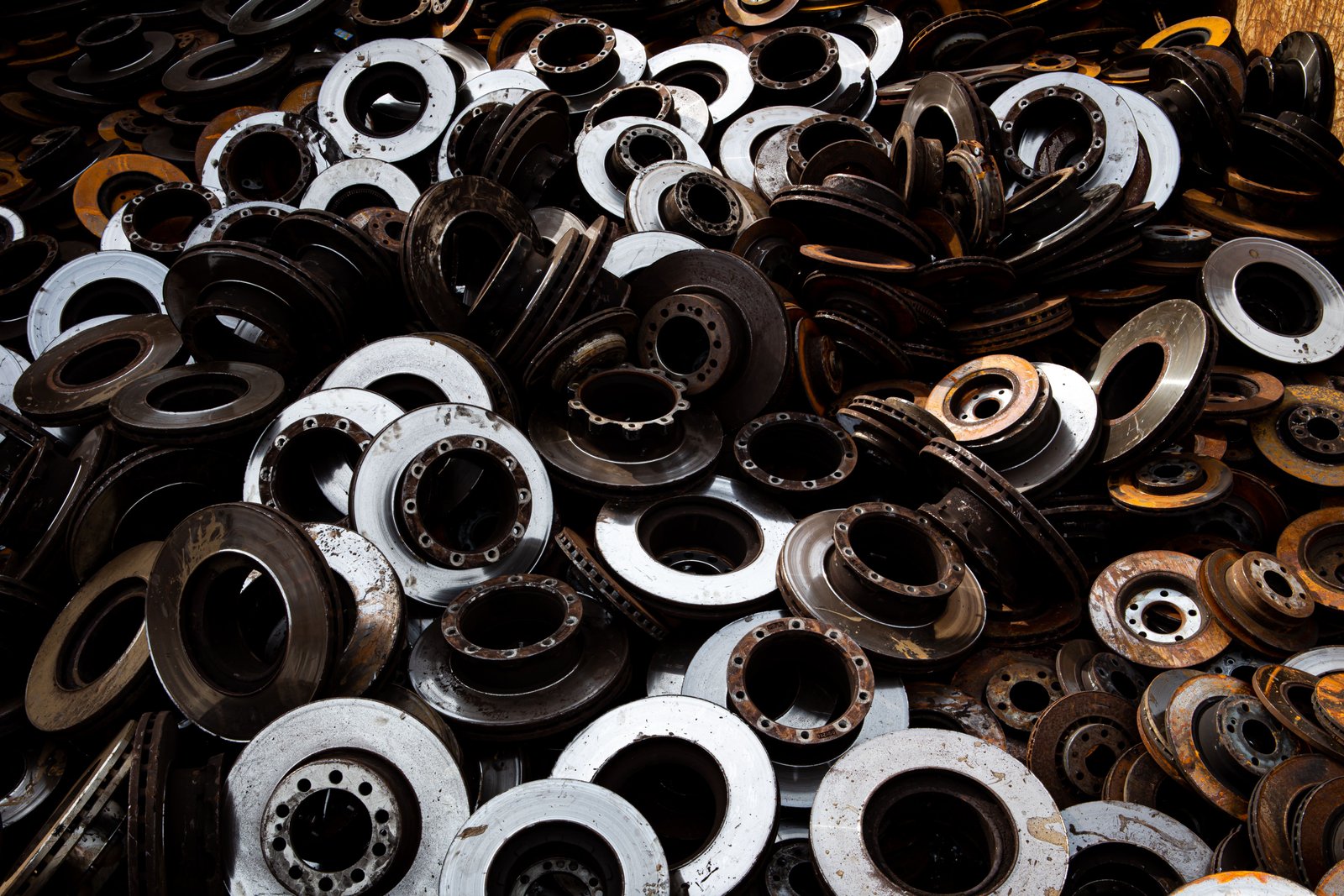
- Metal recycling
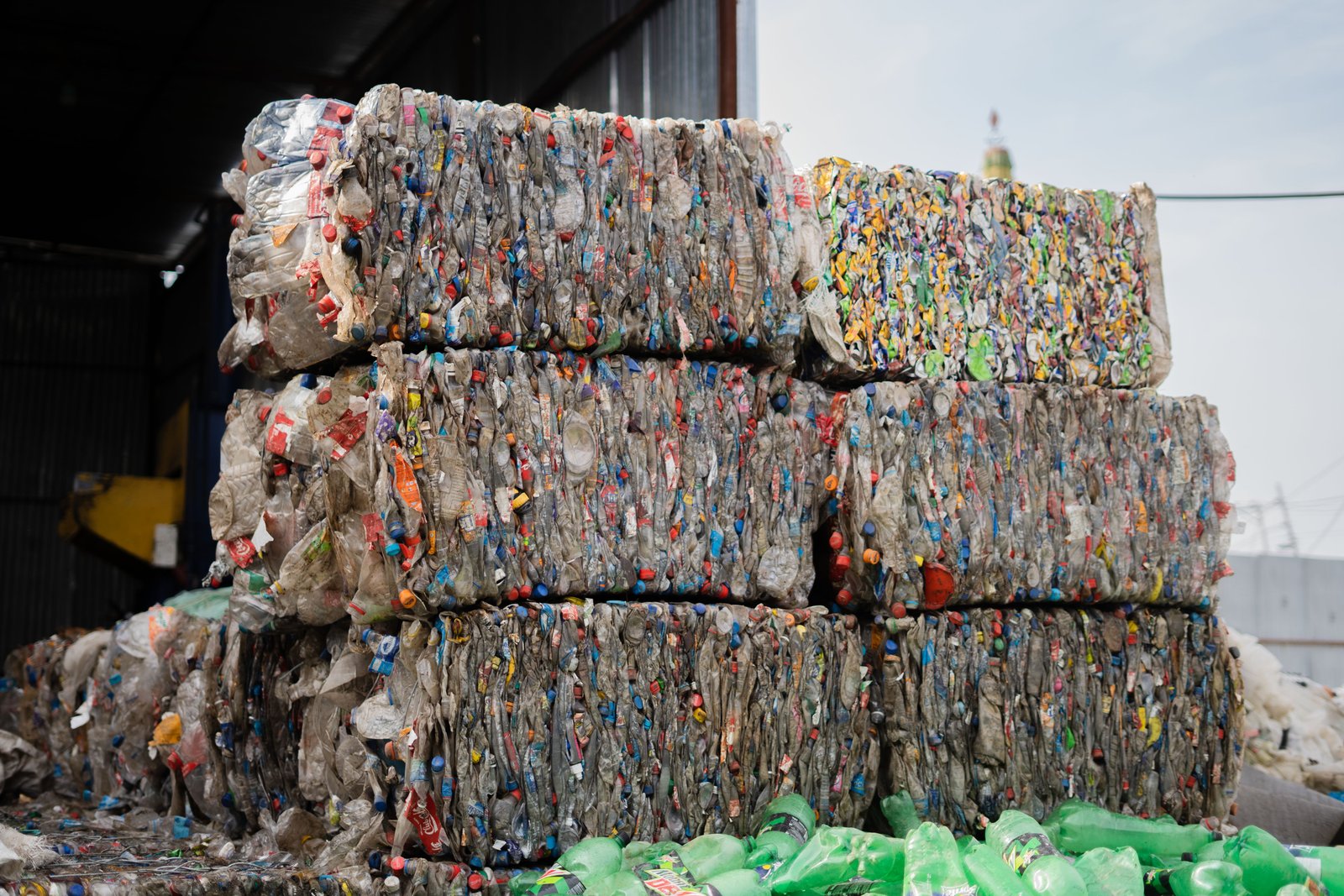
- Plastic recovery
- Glass recycling
- Paper processing
- Industrial material reuse
Efficient recovery conserves natural resources while reducing manufacturing demand for virgin materials. Circular resource management enhances sustainability.
Artificial Intelligence Optimizes Waste Processing
Artificial intelligence is improving waste sorting and energy recovery operations.
AI applications include:
- Automated waste classification
- Smart recycling systems
- Process optimization
- Equipment monitoring
- Predictive maintenance
Machine learning improves operational efficiency while increasing the quality of recovered materials. Intelligent technologies strengthen circular economy operations.
Smart Waste Management Improves Collection Efficiency
Digital technologies are modernizing municipal and industrial waste collection systems.
Smart waste management supports:
- IoT-enabled waste containers
- Route optimization
- Collection scheduling
- Fill-level monitoring
- Fleet management
Optimized collection reduces transportation costs while improving environmental performance. Digital innovation enhances waste management.
Biofuel Production Expands Renewable Energy Options
Recovered organic materials are increasingly being converted into sustainable biofuels.
Biofuel applications include:
- Renewable diesel
- Sustainable aviation fuel
- Bioethanol
- Biomethane
- Biodiesel
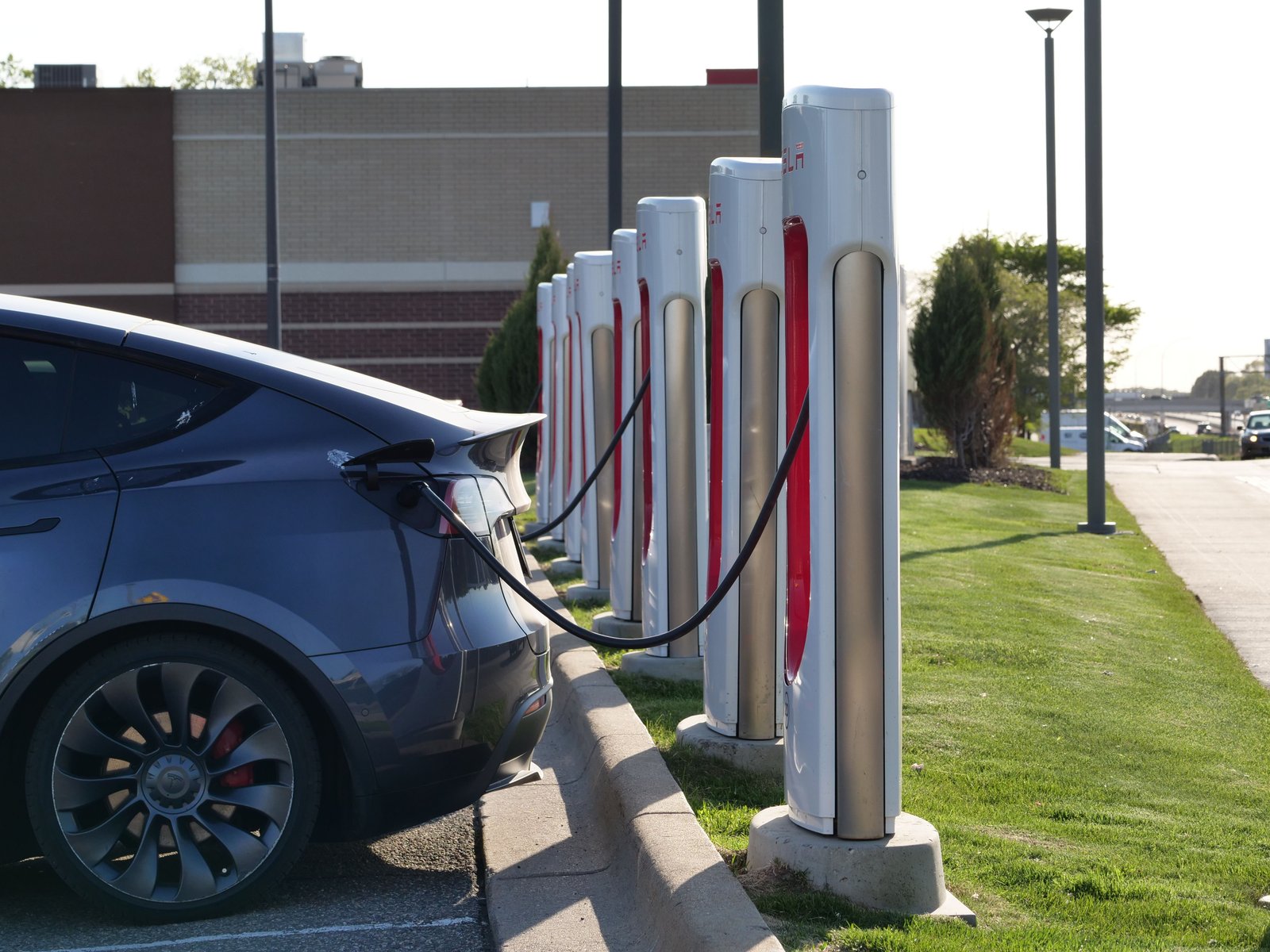
Alternative fuels help reduce emissions across transportation and industrial sectors. Bioenergy supports cleaner mobility.
Circular Manufacturing Reduces Environmental Impact
Manufacturers are integrating circular economy principles into production processes to minimize waste generation.
Circular manufacturing focuses on:
- Product redesign
- Material reuse
- Recyclable packaging
- Resource efficiency
- Sustainable product lifecycles
Responsible manufacturing supports both environmental sustainability and long-term business resilience. Circular production strengthens industrial competitiveness.
Policy and Investment Support Market Growth
Governments and private investors are increasing support for circular economy initiatives through funding and policy development.
Key priorities include:
- Renewable energy incentives
- Recycling infrastructure
- Waste reduction strategies
- Sustainable innovation
- Green investment programs
Supportive policies accelerate adoption while encouraging private-sector participation. Strategic investment drives sustainable growth.
Challenges Continue
Despite rapid technological progress, several challenges continue affecting large-scale implementation.
These include:
- High infrastructure investment costs
- Improving waste segregation at the source
- Expanding recycling capacity
- Developing efficient collection systems
- Strengthening public awareness of circular economy practices
Continued investment in waste-to-energy technologies, artificial intelligence, smart waste management, advanced recycling, biomass utilization, digital infrastructure, and environmental education will remain essential for maximizing the benefits of circular economy innovations.
Looking Forward
Circular economy innovations are transforming the energy and sustainability sector by combining waste-to-energy technologies, biomass utilization, resource recovery, artificial intelligence, biofuel production, and smart waste management into highly efficient renewable energy ecosystems.
As countries continue advancing sustainability and net-zero objectives, circular economy solutions will play an increasingly important role in reducing landfill waste, improving resource efficiency, expanding renewable energy production, strengthening environmental resilience, and supporting long-term economic development.
The continued advancement of circular economy innovations reflects a broader transformation across the energy and sustainability industry, where renewable technologies, intelligent automation, sustainable manufacturing, digital resource management, and environmental stewardship are creating cleaner, more resilient, and future-ready energy systems.