CCUS Innovation, Carbon Removal Solutions, and Low-Carbon Industrial Processes Are Accelerating Global Decarbonization
The global energy and industrial sectors are expanding investments in Carbon Capture, Utilization, and Storage (CCUS) technologies as organizations work toward achieving net-zero emissions while maintaining industrial productivity. CCUS enables carbon dioxide (CO₂) generated from industrial facilities and power plants to be captured before it enters the atmosphere, transported safely, and either permanently stored underground or utilized in industrial applications. Advances in carbon capture systems, artificial intelligence (AI), digital monitoring, geological storage, and carbon utilization technologies are positioning CCUS as a key component of long-term climate strategies.
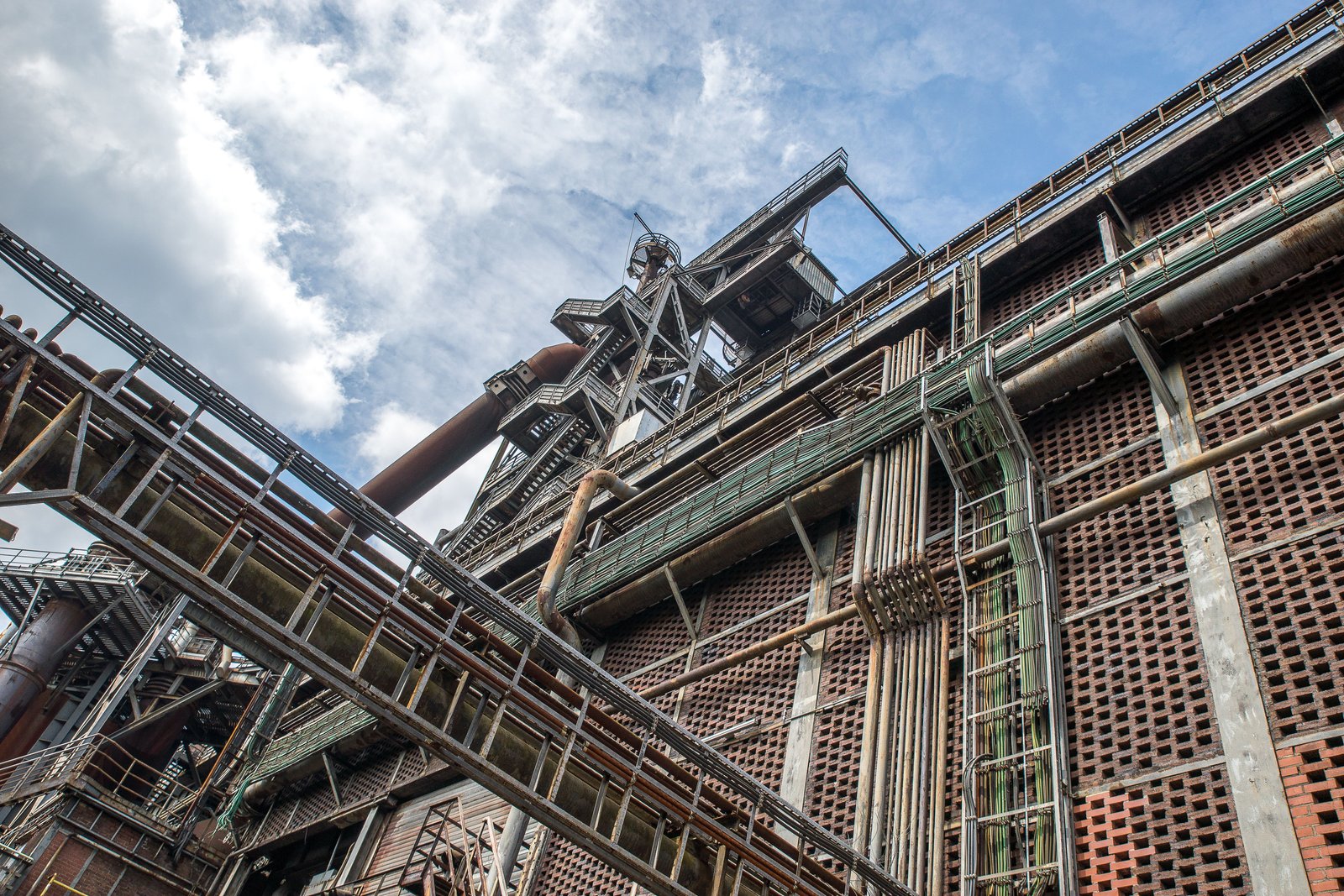
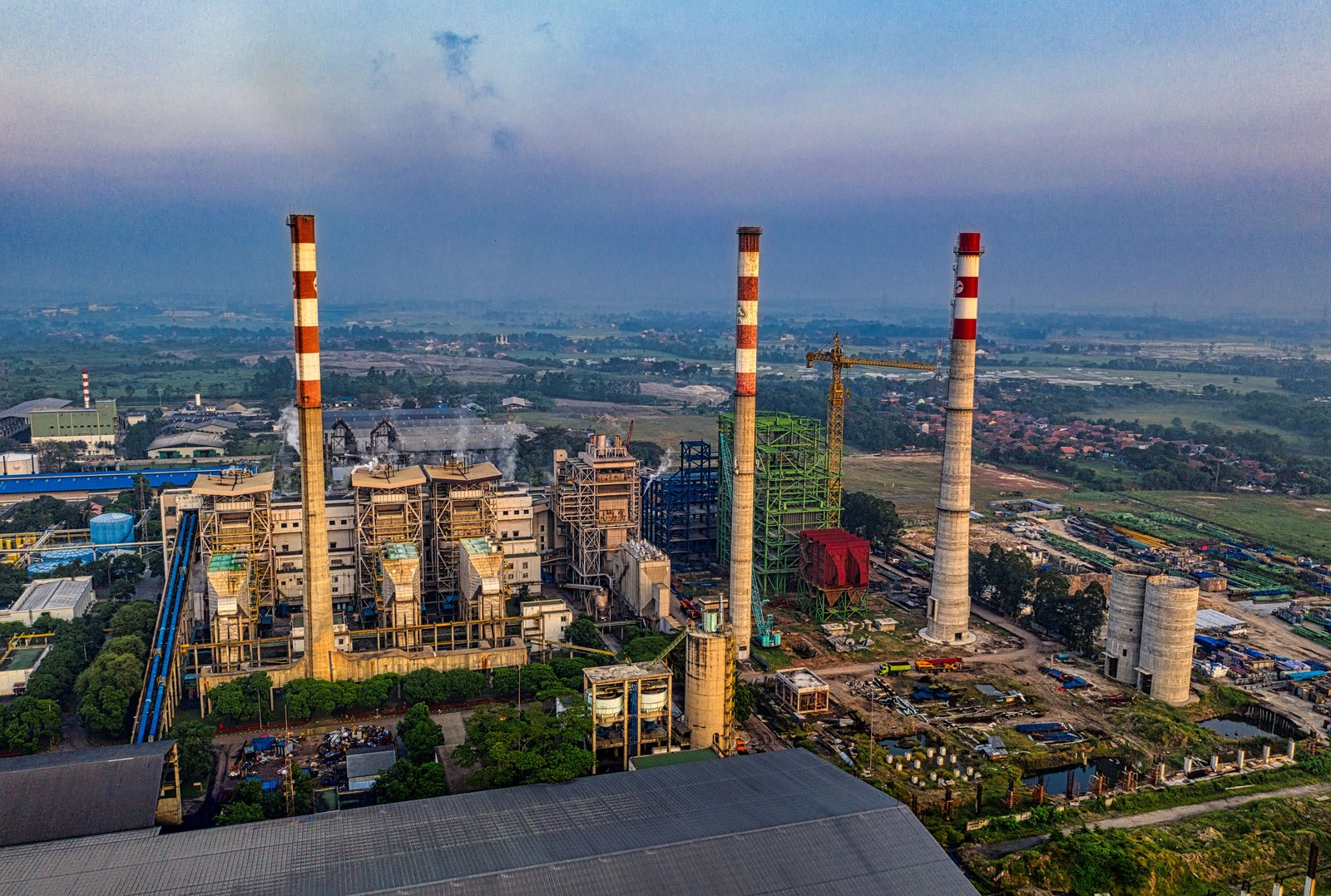
Many industries such as cement, steel, chemicals, refining, and power generation continue to rely on processes that produce significant carbon emissions. While renewable energy and electrification can reduce emissions in many areas, CCUS provides an additional pathway for industries where direct emission reductions remain technically challenging.
Governments, energy companies, industrial manufacturers, research institutions, engineering firms, and technology providers are collaborating to develop large-scale carbon capture facilities and supporting infrastructure that contribute to global decarbonization goals. Industry experts believe CCUS will become increasingly important in complementing renewable energy and energy efficiency initiatives while supporting industrial competitiveness.
Carbon Capture Reduces Industrial Emissions
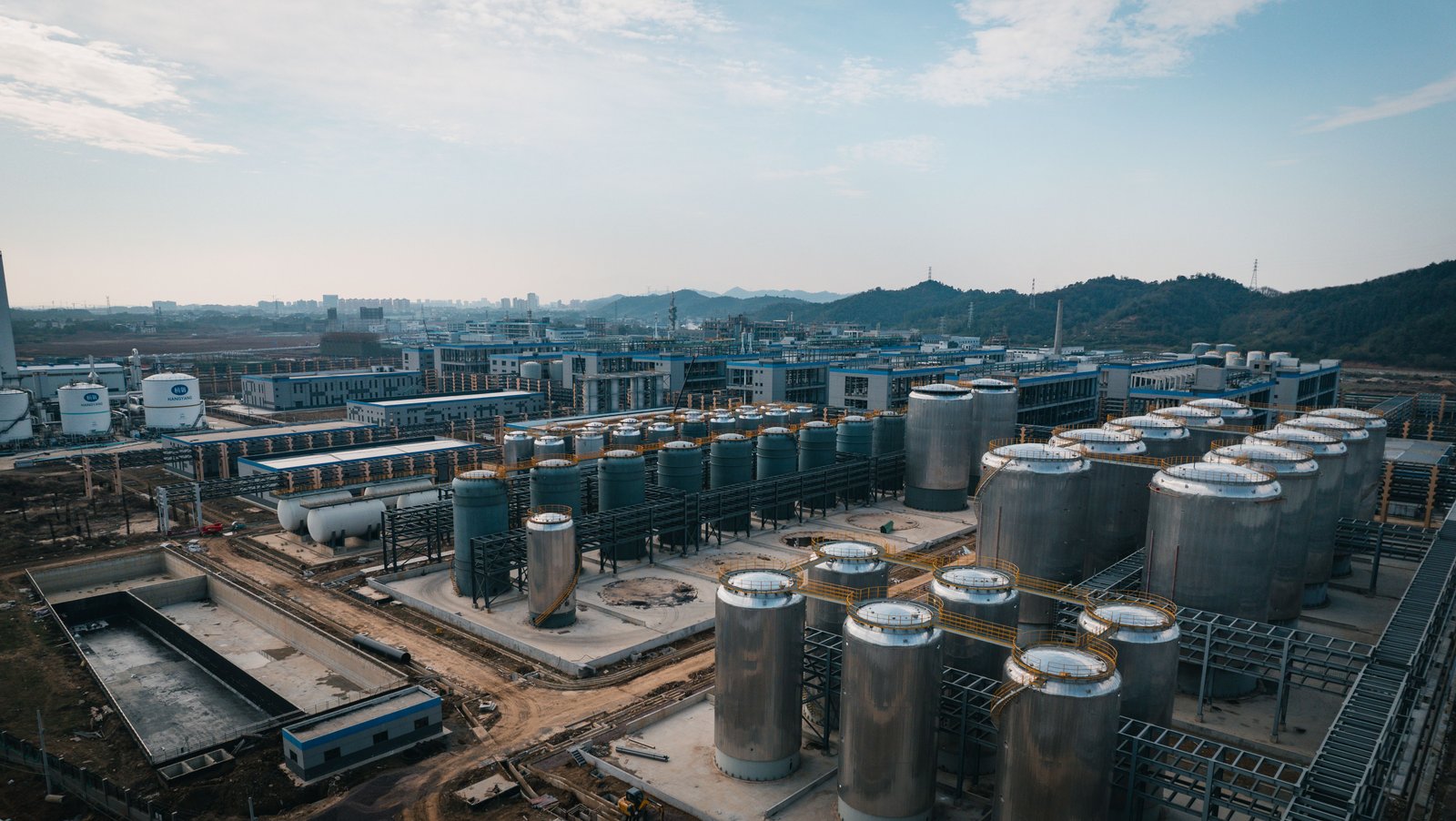
Modern carbon capture systems separate carbon dioxide from industrial exhaust gases before they are released into the atmosphere.
Carbon capture applications include:
- Power generation facilities
- Cement production
- Steel manufacturing
- Chemical processing
- Natural gas processing
Capturing emissions directly at the source helps industries reduce their overall environmental impact while continuing essential production activities. Carbon capture supports cleaner industrial operations.
Carbon Storage Provides Long-Term Climate Benefits
Captured carbon dioxide can be transported and permanently stored in deep geological formations.
Storage solutions include:
- Depleted oil and gas reservoirs
- Deep saline aquifers
- Geological rock formations
- Offshore storage facilities
- Long-term monitoring systems
Secure geological storage prevents captured carbon from re-entering the atmosphere while supporting long-term emissions reduction. Reliable storage strengthens climate action.
Carbon Utilization Creates Economic Opportunities
Instead of storing all captured carbon dioxide, industries are exploring ways to convert it into valuable products.
Carbon utilization supports:
- Sustainable construction materials
- Synthetic fuels
- Industrial chemicals
- Carbon-based manufacturing
- Agricultural applications
Productive reuse of carbon creates additional economic value while supporting circular industrial practices. Carbon utilization encourages innovation.
Artificial Intelligence Optimizes Carbon Capture Operations
Artificial intelligence improves the efficiency and performance of carbon capture facilities.
AI applications include:
- Process optimization
- Equipment monitoring
- Energy management
- Predictive maintenance
- Emissions analysis
Machine learning enables operators to maximize capture efficiency while reducing operating costs. Intelligent systems improve facility performance.
Digital Monitoring Enhances Operational Safety
Advanced digital technologies continuously monitor carbon capture, transportation, and storage operations.
Monitoring systems support:
- Pressure analysis
- Pipeline integrity
- Storage verification
- Leak detection
- Environmental monitoring
Continuous oversight improves operational reliability while maintaining high safety standards. Digital technologies strengthen project management.
Industrial Collaboration Accelerates Deployment
Energy producers, manufacturers, and governments are working together to develop regional carbon management infrastructure.
Collaborative initiatives include:
- Shared transportation networks
- Carbon storage hubs
- Research partnerships
- Infrastructure investment
- Technology development
Coordinated planning reduces implementation costs while supporting large-scale carbon reduction projects. Partnerships strengthen industrial decarbonization.
Renewable Energy Complements Carbon Capture
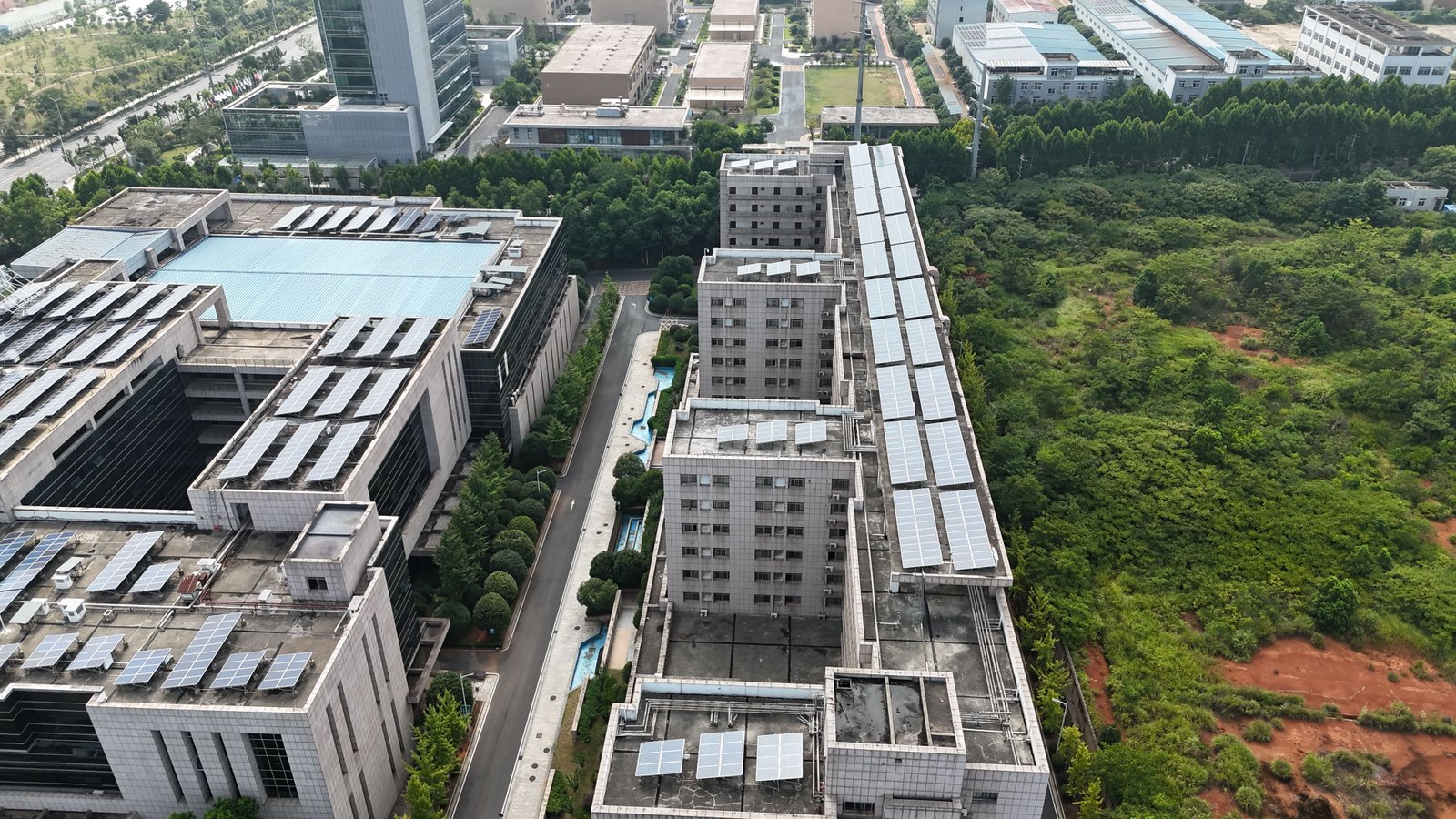
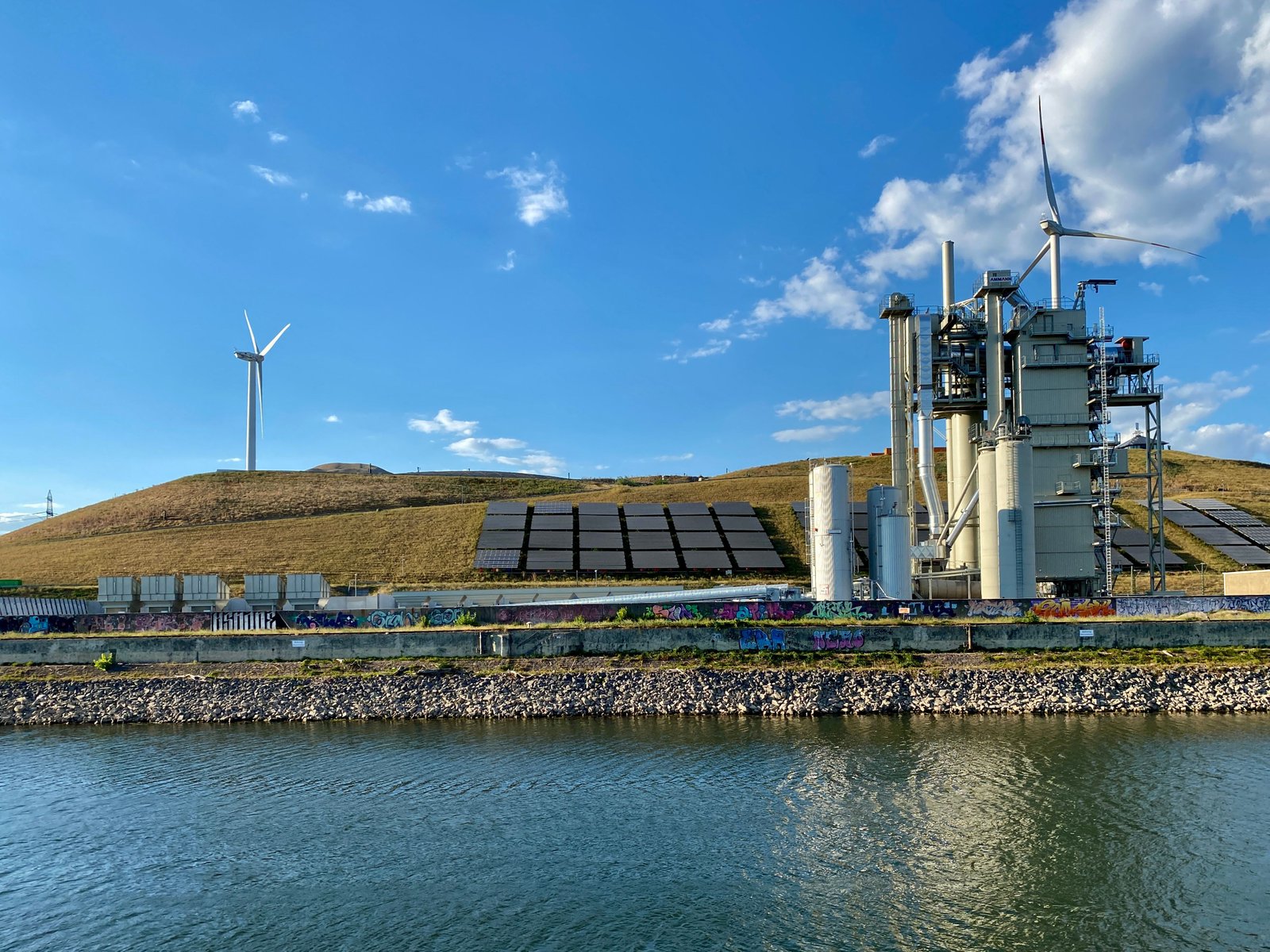
CCUS increasingly operates alongside renewable energy systems as part of integrated decarbonization strategies.
Combined approaches support:
- Lower industrial emissions
- Flexible energy systems
- Cleaner electricity generation
- Sustainable manufacturing
- Net-zero planning
Multiple clean technologies working together create more comprehensive climate solutions. Integrated strategies improve environmental performance.
Regulatory Support Encourages Investment
Governments continue developing policies that promote responsible deployment of carbon capture technologies.
Policy priorities include:
- Carbon reduction incentives
- Environmental permitting
- Infrastructure development
- Emissions reporting
- Long-term climate planning
Supportive regulatory frameworks encourage private investment while accelerating commercial adoption. Policy certainty strengthens market confidence.
Research Drives Continuous Innovation
Research organizations are advancing new technologies that improve the efficiency and affordability of carbon capture.
Innovation focuses on:
- Advanced capture materials
- Energy-efficient processes
- Improved storage methods
- Carbon conversion technologies
- Scalable engineering solutions
Scientific progress continues expanding the practical applications of carbon management. Innovation supports long-term sustainability.
Challenges Continue
Despite rapid technological advancement, several challenges continue influencing the widespread adoption of CCUS.
These include:
- High capital investment requirements
- Expanding carbon transportation infrastructure
- Improving capture efficiency
- Scaling commercial deployment
- Establishing long-term regulatory frameworks
Continued investment in carbon capture technologies, artificial intelligence, digital monitoring systems, geological research, renewable energy integration, and international collaboration will remain essential for maximizing the benefits of CCUS.
Looking Forward
Carbon Capture, Utilization, and Storage is transforming industrial sustainability by combining advanced capture technologies, secure carbon storage, productive carbon utilization, artificial intelligence, digital monitoring, and collaborative infrastructure into comprehensive decarbonization ecosystems.
As governments and industries continue advancing climate commitments, CCUS will play an increasingly important role in reducing industrial emissions, supporting net-zero strategies, strengthening energy security, encouraging sustainable manufacturing, and enabling responsible economic growth.
The continued advancement of carbon capture technologies reflects a broader transformation across the energy and sustainability sector, where climate innovation, digital intelligence, industrial collaboration, renewable integration, and low-carbon technologies are creating a cleaner, more resilient, and future-ready global economy.