AI, IoT-Enabled Building Management, and Intelligent Automation Are Transforming Sustainable Infrastructure
The global energy and sustainability sector is witnessing rapid adoption of smart building technologies as organizations seek to improve energy efficiency, reduce operational costs, and lower carbon emissions. By integrating artificial intelligence (AI), Internet of Things (IoT) sensors, intelligent building management systems (BMS), smart lighting, automated heating, ventilation and air conditioning (HVAC), and real-time energy analytics, smart buildings are becoming a key component of sustainable urban development.
Buildings account for a significant share of global energy consumption and greenhouse gas emissions. Traditional building operations often relied on manual controls and fixed schedules that led to unnecessary energy use. Modern smart buildings continuously monitor occupancy, weather conditions, indoor environments, and energy demand, automatically adjusting systems to optimize performance while maintaining occupant comfort.
Commercial real estate developers, facility managers, technology companies, construction firms, governments, educational institutions, healthcare organizations, and hospitality businesses are investing in intelligent building technologies to achieve sustainability goals while improving operational efficiency. Industry experts believe smart buildings will play a vital role in reducing energy consumption as cities continue embracing digital transformation and sustainable infrastructure.
Intelligent Building Management Systems Optimize Operations
Building Management Systems (BMS) integrate multiple building functions into a centralized digital platform.
Smart BMS controls:
- HVAC operations
- Lighting systems
- Elevators
- Security systems
- Water management
- Energy monitoring
Centralized management improves operational efficiency while reducing unnecessary energy consumption. Digital control strengthens building performance.
IoT Sensors Enable Real-Time Monitoring
Internet of Things devices continuously collect environmental and operational data throughout buildings.
IoT sensors monitor:
- Occupancy levels
- Indoor temperature
- Humidity
- Air quality
- Lighting conditions
- Energy consumption
Real-time information enables automated adjustments that improve comfort while minimizing energy waste. Connected sensors enhance operational intelligence.
Artificial Intelligence Improves Energy Optimization
Artificial intelligence analyzes building data to optimize equipment performance and energy usage.
AI applications include:
- Energy demand forecasting
- HVAC optimization
- Occupancy-based automation
- Predictive maintenance
- Utility cost optimization
Machine learning continuously improves building efficiency by adapting to changing operating conditions. AI strengthens sustainable building management.
Smart HVAC Systems Reduce Energy Consumption
Heating, ventilation, and air conditioning represent one of the largest sources of building energy use.
Smart HVAC systems provide:
- Automated climate control
- Zone-based temperature management
- Airflow optimization
- Occupancy-responsive operation
- Energy-efficient scheduling
Intelligent climate management improves occupant comfort while lowering electricity consumption. Efficient HVAC supports sustainability.
Smart Lighting Enhances Efficiency
Advanced lighting technologies automatically adjust illumination based on occupancy and natural daylight.
Smart lighting includes:
- LED technology
- Motion sensors
- Daylight harvesting
- Automated dimming
- Remote lighting control
Optimized lighting systems significantly reduce electricity use while extending equipment lifespan. Efficient lighting lowers operational costs.
Predictive Maintenance Extends Equipment Life
AI-powered analytics continuously monitor building equipment to identify maintenance needs before failures occur.
Predictive maintenance evaluates:
- HVAC performance
- Electrical systems
- Pumps and motors
- Elevators
- Water systems
Early maintenance reduces downtime while improving equipment reliability and operational efficiency. Predictive maintenance supports long-term asset management.
Renewable Energy Integration Supports Low-Carbon Buildings
Many smart buildings are integrating renewable energy systems to reduce dependence on conventional electricity.
Renewable energy solutions include:
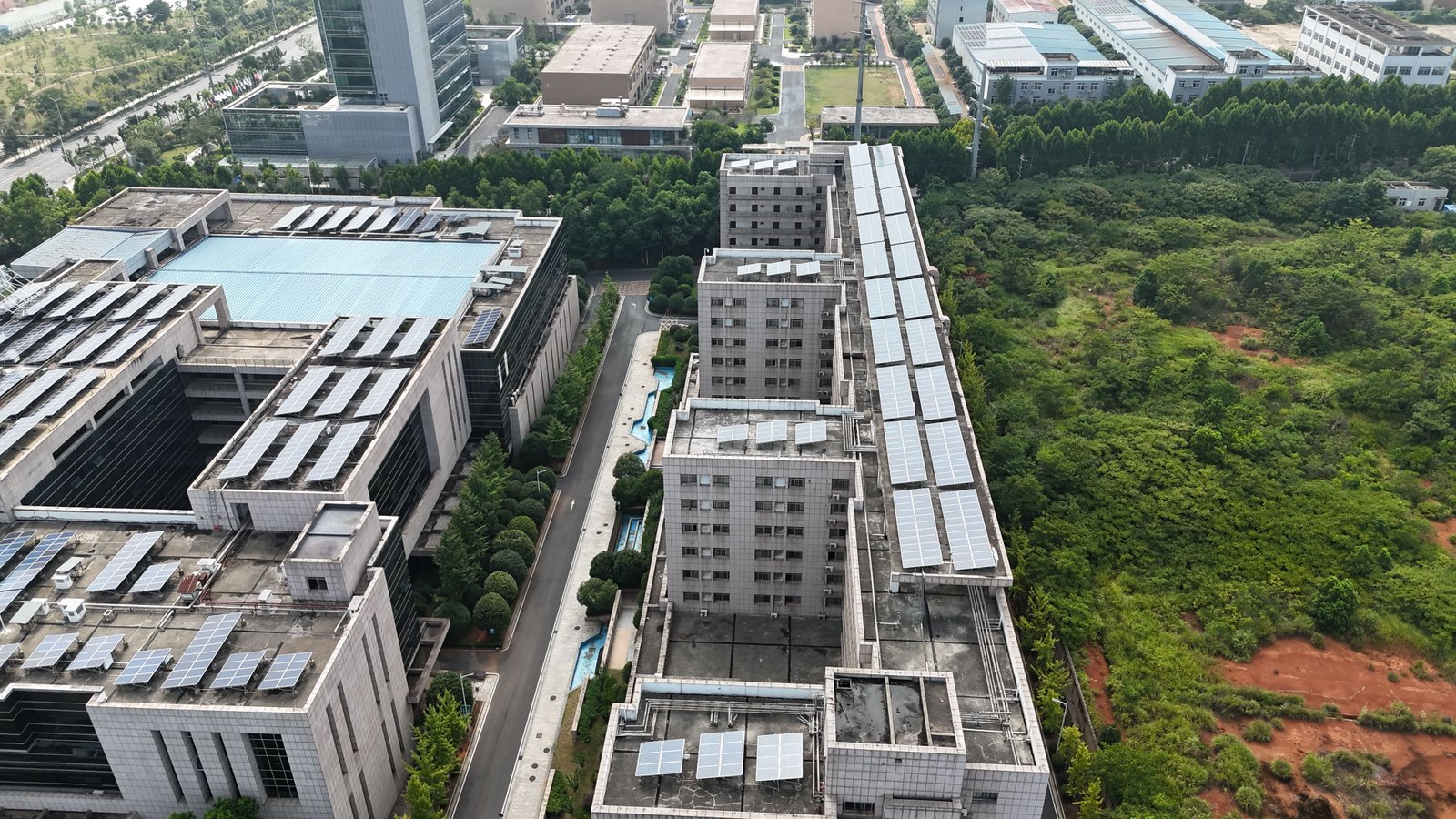
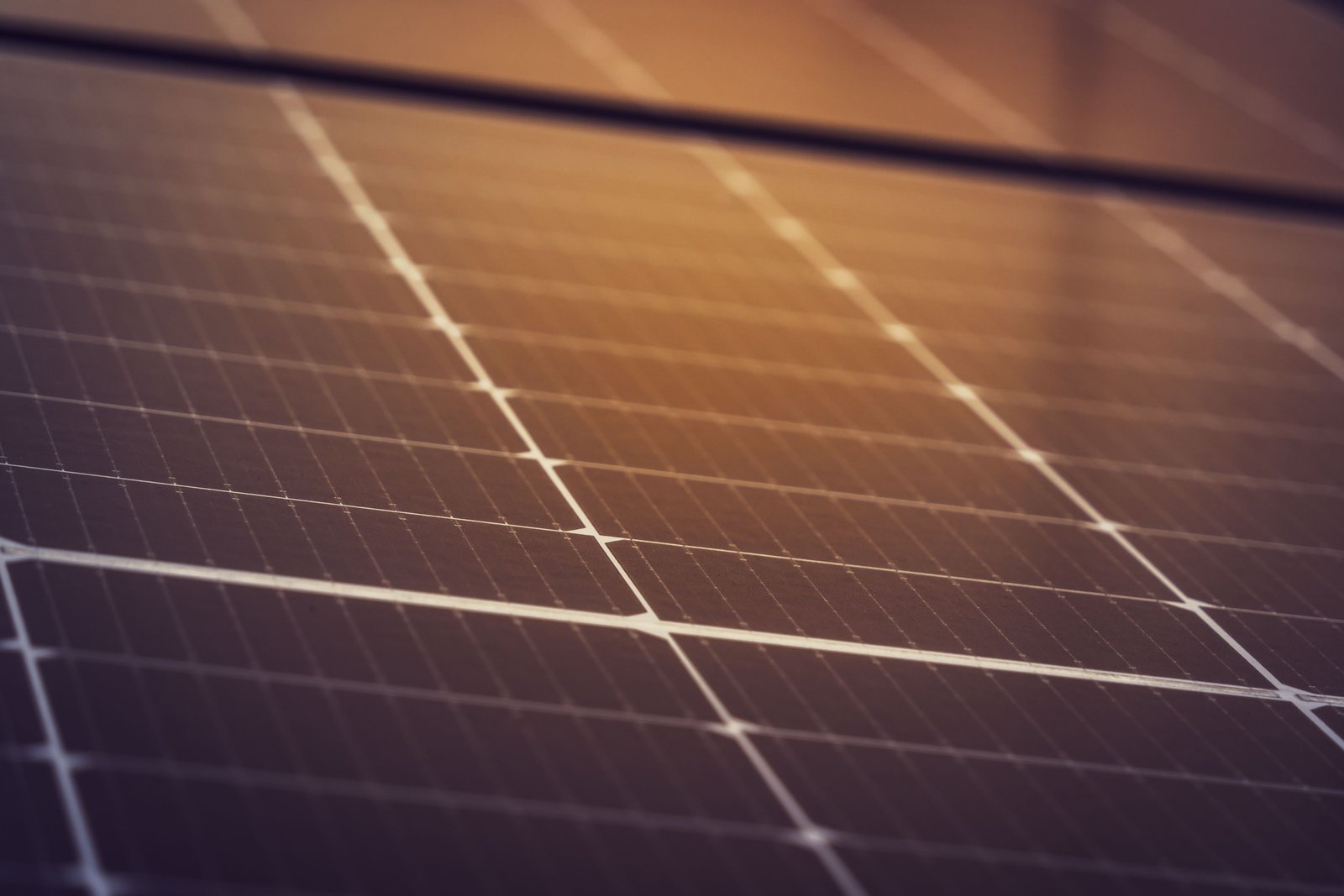
- Rooftop solar panels
- Battery storage systems
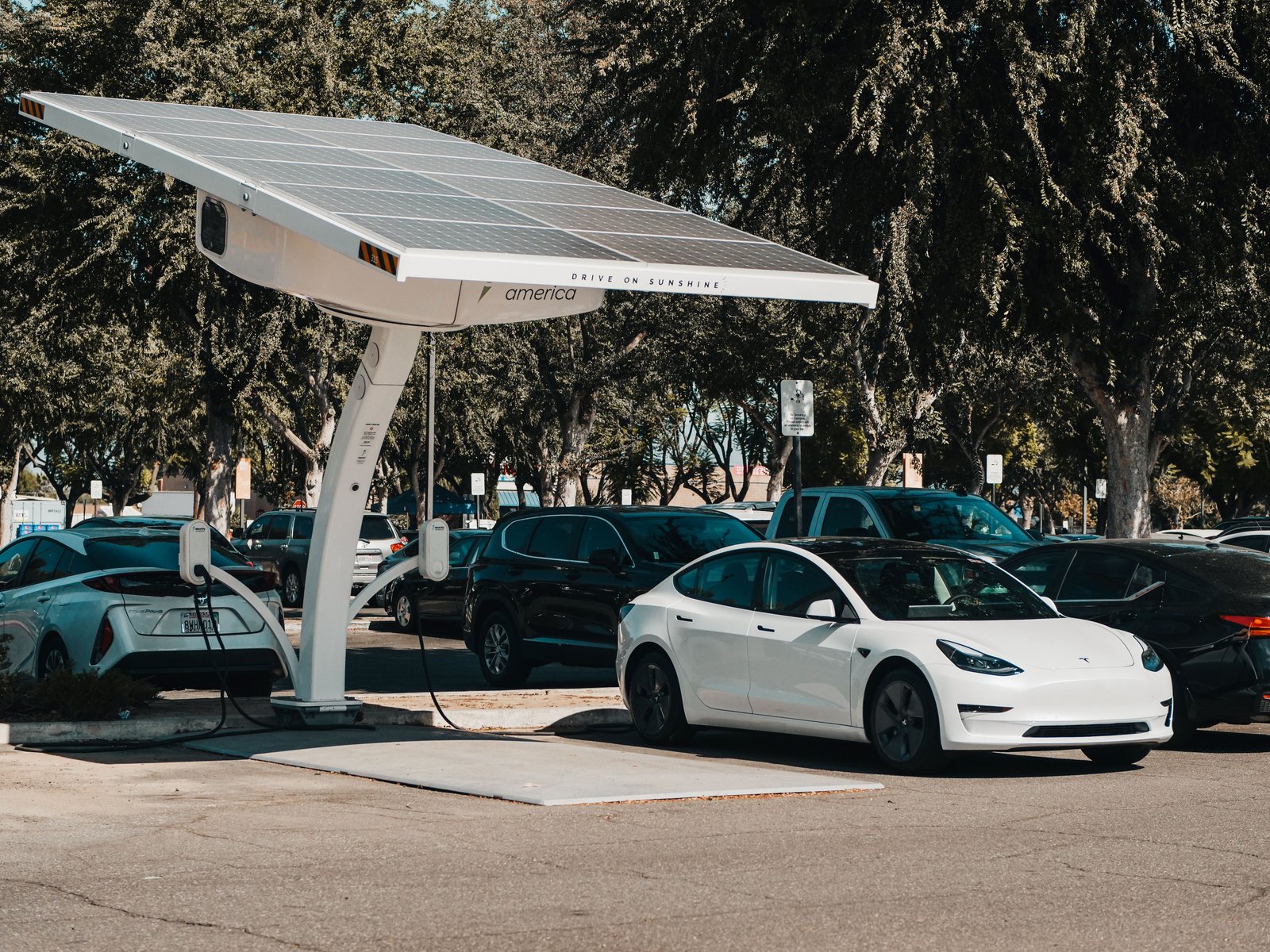
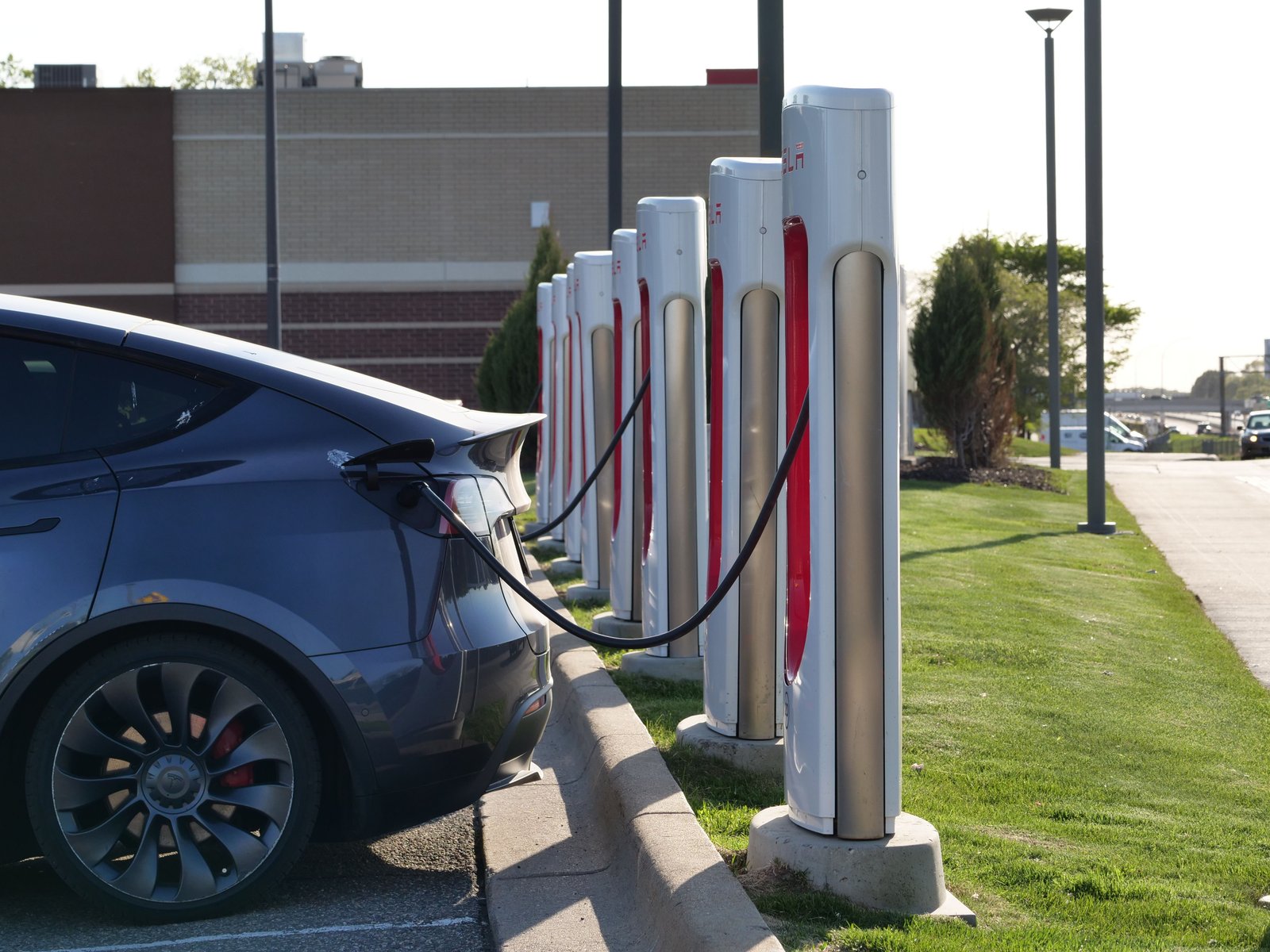
- Electric vehicle charging stations
- Microgrids
- Renewable energy monitoring
Integrated renewable technologies strengthen building sustainability while improving energy resilience. Clean energy supports sustainable infrastructure.
Digital Twins Improve Building Performance
Digital twin technology creates virtual models of buildings that simulate real-world operations.
Digital twins enable:
- Energy performance analysis
- Space utilization planning
- Equipment simulation
- Operational optimization
- Infrastructure planning
Virtual modeling supports better decision-making while improving building efficiency. Digital innovation enhances facility management.
Sustainability Reporting Strengthens ESG Performance
Smart buildings generate detailed operational data that supports environmental reporting and sustainability initiatives.
Performance reporting includes:
- Energy efficiency metrics
- Carbon emission tracking
- Water consumption analysis
- Indoor environmental quality
- Resource utilization
Reliable sustainability data helps organizations measure progress toward ESG and net-zero objectives. Transparent reporting strengthens environmental accountability.
Challenges Continue
Despite rapid technological advancement, organizations continue facing several implementation challenges.
These include:
- High upfront investment costs
- Integrating smart systems into existing buildings
- Protecting connected building networks from cyber threats
- Managing large volumes of operational data
- Developing skilled facility management professionals
Continued investment in artificial intelligence, IoT technologies, intelligent building management systems, renewable energy integration, digital twins, cloud computing, and workforce development will remain essential for maximizing the benefits of smart buildings.
Looking Forward
Smart buildings are transforming sustainable infrastructure by combining artificial intelligence, IoT-enabled monitoring, intelligent automation, renewable energy integration, digital twins, and predictive analytics into highly efficient building ecosystems. As cities continue pursuing sustainability and carbon reduction goals, smart buildings will play an increasingly important role in lowering energy consumption, improving occupant comfort, reducing operational costs, supporting renewable energy adoption, and strengthening environmental performance.
The continued advancement of smart building technologies reflects a broader transformation across the energy and sustainability sector, where intelligent automation, connected infrastructure, digital innovation, renewable energy, and sustainable design are creating greener, more efficient, and future-ready built environments.