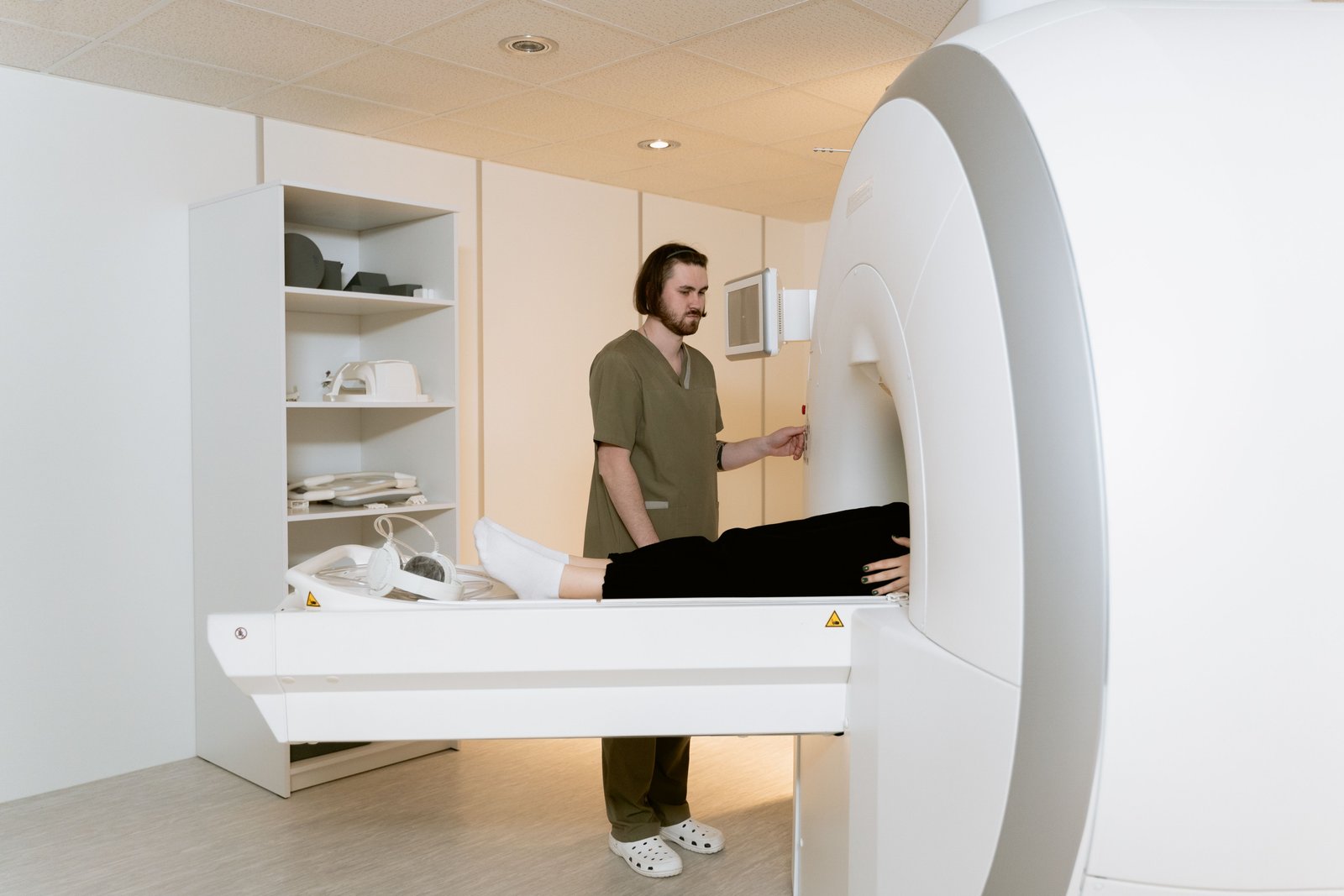
Artificial Intelligence, High-Resolution Imaging, and Precision Diagnostics Are Transforming Modern Healthcare
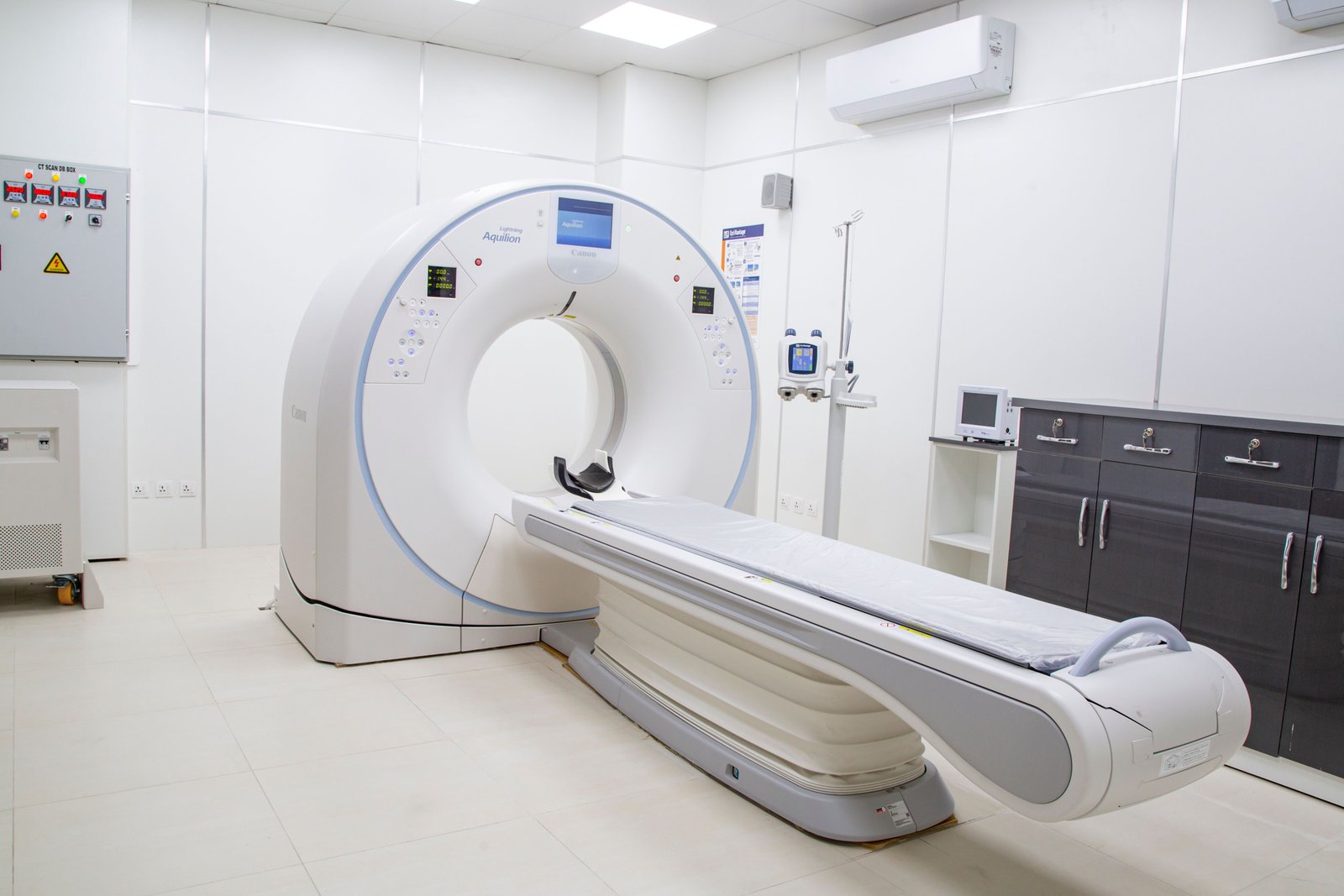
Medical imaging continues to play a vital role in modern healthcare, and recent technological advancements are enabling healthcare professionals to detect diseases earlier, diagnose conditions with greater accuracy, and develop more personalized treatment strategies. Innovations in artificial intelligence (AI), three-dimensional (3D) imaging, molecular imaging, automated image analysis, and cloud-connected diagnostic platforms are transforming radiology departments while improving patient outcomes across multiple medical specialties.
Traditional imaging technologies provided valuable diagnostic information but often depended on manual interpretation and isolated clinical systems. Today's advanced imaging platforms integrate AI-powered analysis, high-resolution visualization, cloud computing, and digital collaboration tools to support faster diagnoses, reduce reporting times, and enhance clinical decision-making.
Hospitals, diagnostic imaging centers, medical device manufacturers, research institutions, radiology providers, healthcare technology companies, and academic medical centers are investing in advanced imaging solutions to improve healthcare quality while supporting precision medicine and preventive care. Industry experts believe next-generation medical imaging technologies will continue becoming an essential component of future healthcare as organizations pursue earlier disease detection and more personalized clinical care.
Artificial Intelligence Improves Image Analysis
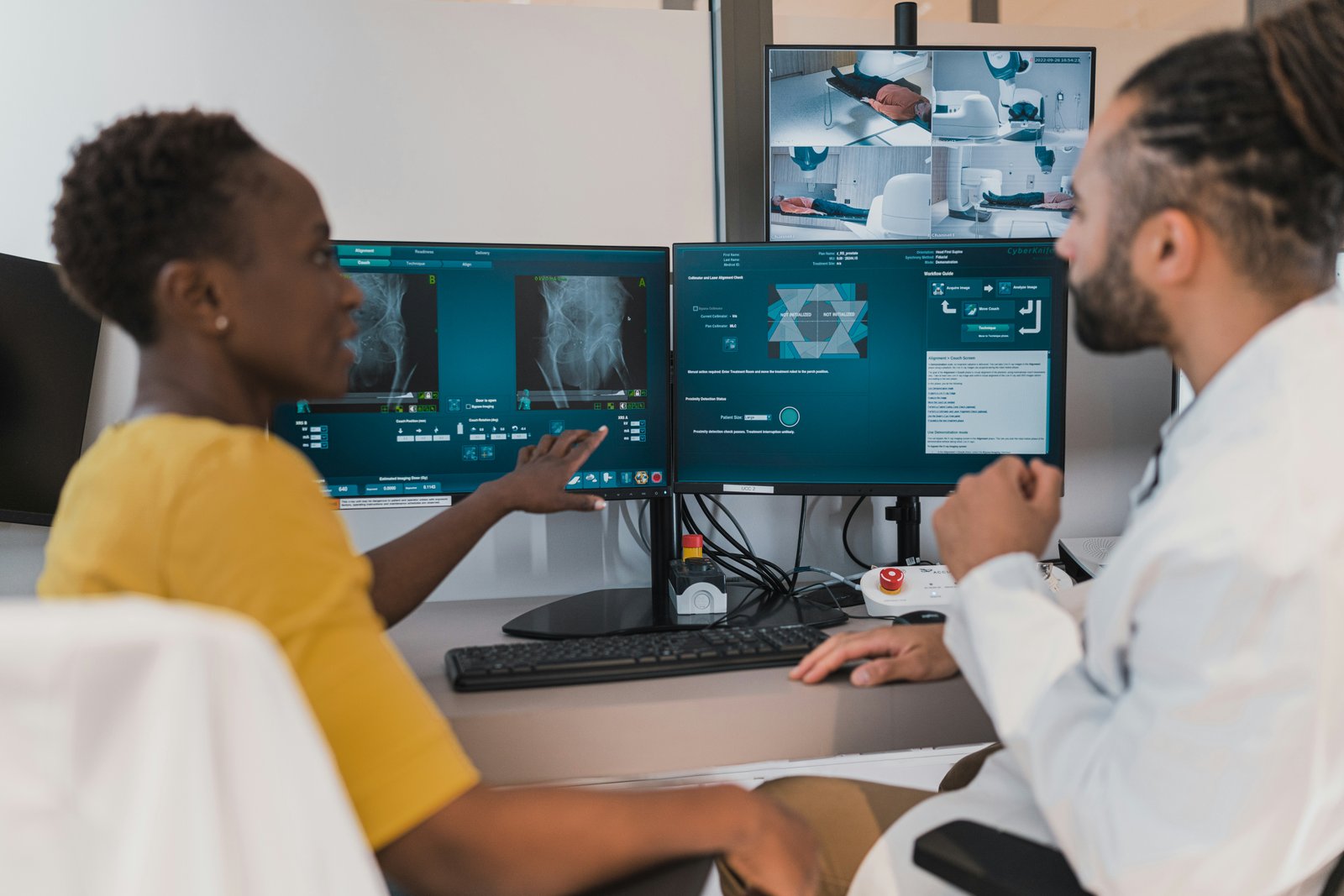
Artificial intelligence assists radiologists by analyzing complex medical images with greater speed and consistency.
AI supports:
- Image interpretation
- Abnormality detection
- Lesion identification
- Pattern recognition
- Clinical decision support
Machine learning algorithms help identify subtle findings that may require further clinical evaluation while improving workflow efficiency. Intelligent analysis enhances diagnostic confidence.
Three-Dimensional Imaging Provides Greater Clinical Detail
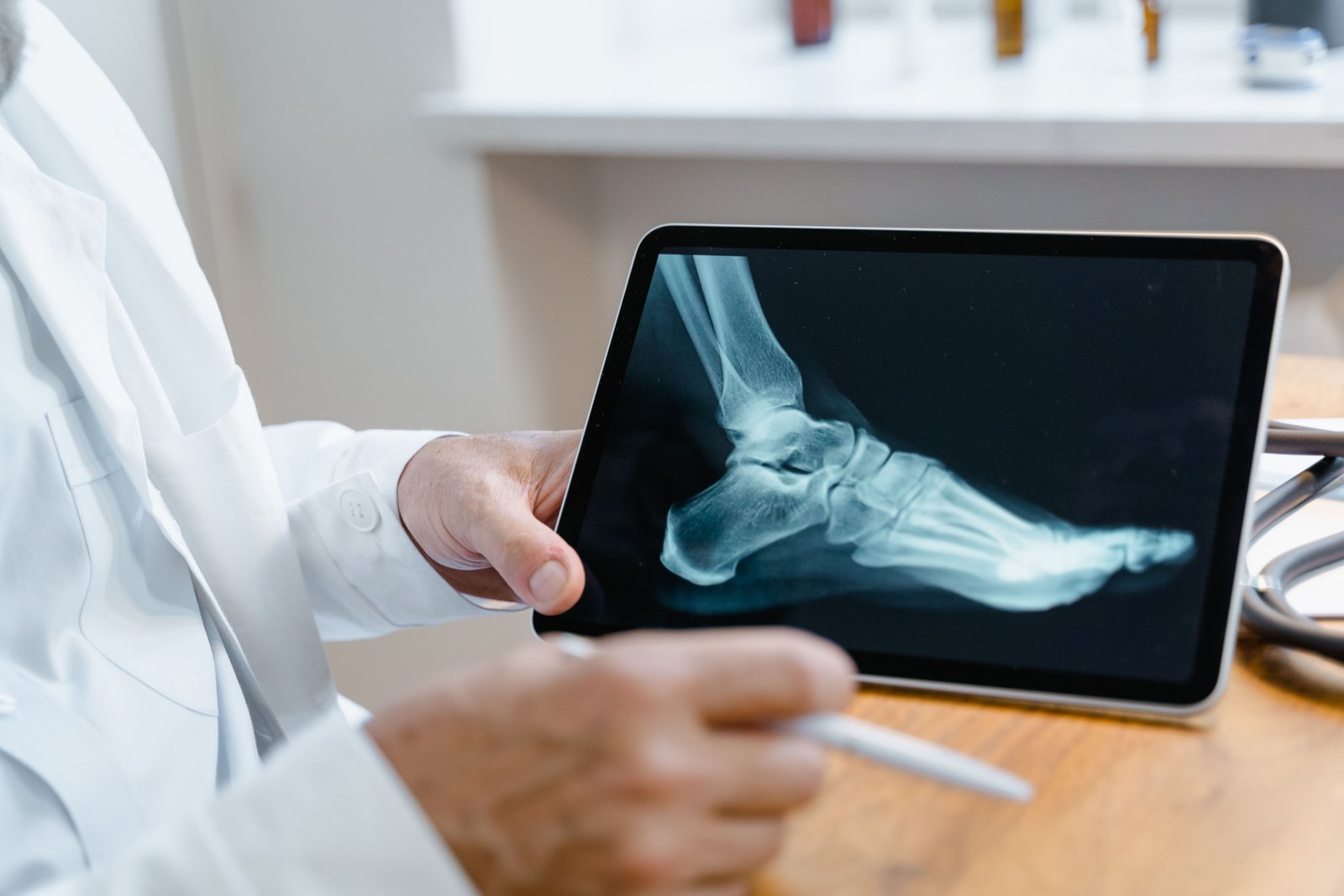
Modern imaging systems create highly detailed three-dimensional views of internal anatomy.
3D imaging is widely used in:
- Orthopedic planning
- Cardiovascular assessment
- Oncology
- Neurosurgery
- Dental imaging
Enhanced visualization enables clinicians to better understand anatomical structures while supporting accurate diagnosis and treatment planning. Three-dimensional imaging improves clinical precision.
Molecular Imaging Detects Disease at Earlier Stages
Molecular imaging technologies allow clinicians to observe biological processes before structural changes become visible.
Applications include:
- Cancer detection
- Neurological disorders
- Cardiovascular disease evaluation
- Infection assessment
- Drug therapy monitoring
Early visualization of disease activity enables more timely interventions and personalized treatment strategies. Molecular imaging strengthens preventive healthcare.
Automated Imaging Workflows Increase Efficiency
Healthcare organizations are adopting automation to improve imaging department productivity.
Automated systems support:
- Patient scheduling
- Image acquisition
- Quality assurance
- Report generation
- Workflow coordination
Automation reduces administrative burden while enabling radiology teams to manage growing imaging volumes more efficiently. Efficient workflows improve healthcare delivery.
Cloud-Based Imaging Enhances Collaboration
Cloud technology enables healthcare professionals to access diagnostic images securely from multiple locations.
Cloud imaging supports:
- Remote radiology services
- Specialist consultations
- Secure image sharing
- Long-term image storage
- Multi-hospital collaboration
Digital connectivity improves communication between healthcare providers while accelerating clinical decision-making. Cloud platforms strengthen diagnostic collaboration.
Precision Diagnostics Support Personalized Medicine
Advanced imaging technologies provide detailed clinical information that supports individualized patient care.
Precision diagnostics assist with:
- Personalized treatment planning
- Surgical preparation
- Therapy monitoring
- Disease progression assessment
- Follow-up evaluations
Accurate diagnostic information helps clinicians develop healthcare strategies tailored to each patient's condition. Personalized care improves treatment effectiveness.
Imaging Integration Improves Clinical Coordination
Advanced imaging platforms integrate seamlessly with other digital healthcare systems.
Connected technologies include:
- Electronic health records
- Laboratory information systems
- Clinical decision support platforms
- Hospital information systems
- Telehealth services
Integrated healthcare information improves coordination between specialists while supporting comprehensive patient care. Digital integration enhances healthcare efficiency.
Research and Innovation Advance Medical Imaging
Research organizations continue developing new imaging technologies that improve clinical capabilities.
Innovation focuses on:
- AI-assisted diagnostics
- Hybrid imaging systems
- Faster image processing
- Enhanced image resolution
- Personalized imaging techniques
Ongoing research supports earlier diagnosis while expanding the capabilities of precision medicine. Scientific advancement strengthens healthcare innovation.
Cybersecurity Protects Diagnostic Information
As imaging systems become increasingly connected, protecting sensitive medical information remains essential.
Healthcare organizations strengthen cybersecurity through:
- Data encryption
- Secure cloud infrastructure
- Access management
- Identity verification
- Continuous security monitoring
Robust cybersecurity safeguards diagnostic information while ensuring compliance with healthcare privacy standards. Secure systems maintain confidence in digital healthcare.
Challenges Continue
Despite significant technological progress, healthcare organizations continue facing several implementation challenges.
These include:
- High investment costs for advanced imaging equipment
- Integration with existing hospital information systems
- Workforce training on emerging imaging technologies
- Managing growing imaging data volumes
- Maintaining regulatory compliance and patient privacy
Continued investment in artificial intelligence, cloud computing, cybersecurity, imaging research, digital infrastructure, and professional education will remain essential for maximizing the benefits of advanced medical imaging technologies.
Looking Forward
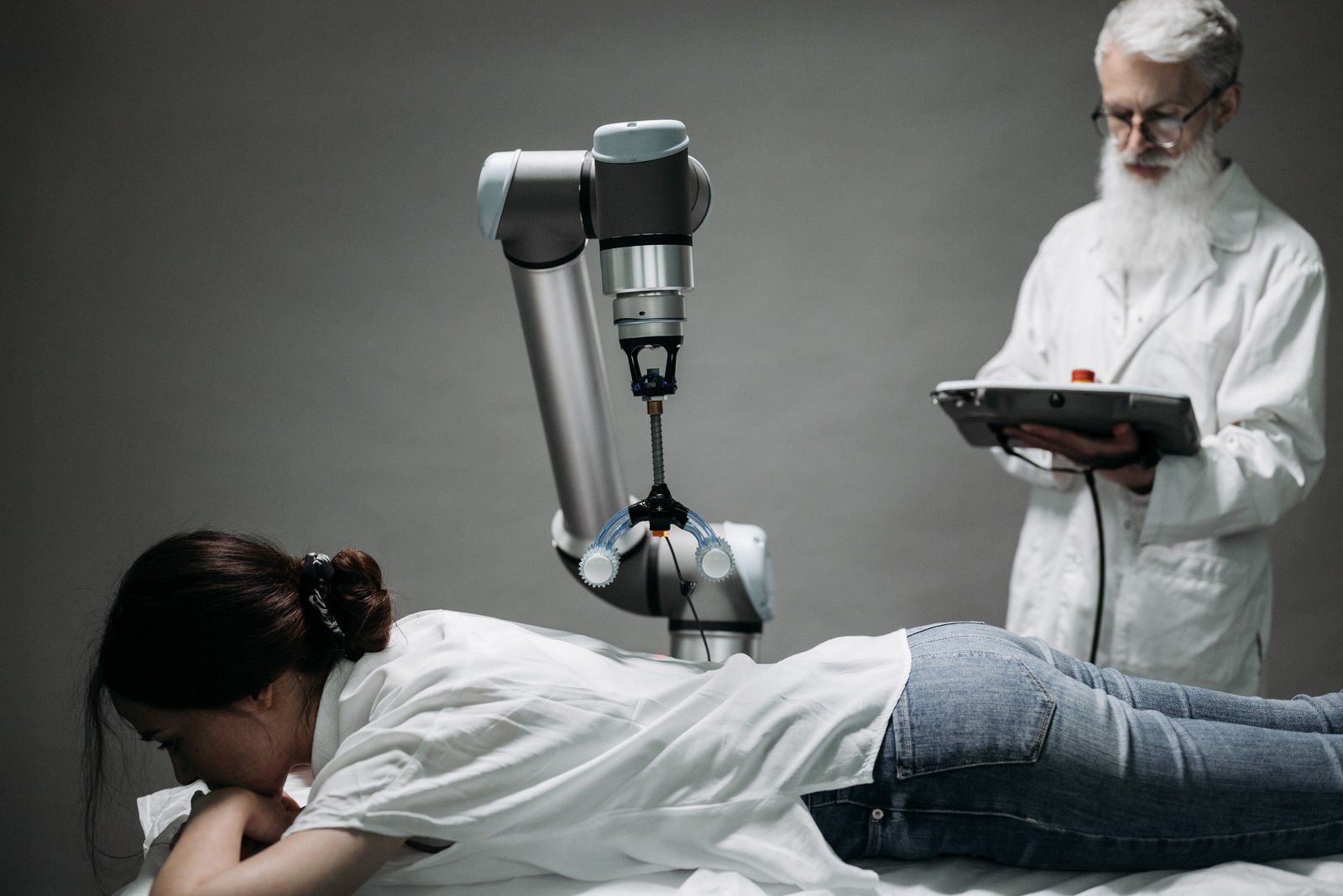
Advanced medical imaging technologies are transforming healthcare by combining artificial intelligence, three-dimensional visualization, molecular imaging, cloud computing, and precision diagnostics into highly intelligent clinical systems.
As healthcare continues emphasizing early disease detection and personalized medicine, advanced imaging technologies will play an increasingly important role in improving diagnostic accuracy, strengthening clinical decision-making, enhancing treatment planning, accelerating medical research, and supporting better patient outcomes.
The continued advancement of medical imaging reflects a broader transformation across the healthcare industry, where digital innovation, artificial intelligence, connected healthcare systems, precision diagnostics, and collaborative technologies are creating faster, more accurate, and future-ready healthcare services.