Artificial Intelligence, Virtual Patient Models, and Predictive Simulations Are Advancing Precision Medicine
The healthcare industry is entering a new era of personalized medicine as digital twin technology enables clinicians to create virtual representations of patients for more informed diagnosis, treatment planning, and disease management. By combining artificial intelligence (AI), medical imaging, electronic health records, wearable device data, genomic information, and predictive analytics, digital twins provide healthcare professionals with comprehensive digital models that simulate patient health conditions and forecast potential treatment outcomes.
Unlike traditional clinical decision-making, which often relies on historical records and standardized treatment protocols, digital twins continuously integrate real-time patient data to reflect changes in an individual's health status. These dynamic models help clinicians evaluate treatment options, anticipate disease progression, optimize medication plans, and personalize healthcare strategies while reducing uncertainty in complex clinical decisions.
Hospitals, research institutions, medical technology companies, pharmaceutical organizations, diagnostic laboratories, and healthcare software providers are collaborating to develop digital twin solutions that improve patient care while supporting innovation in clinical research and precision medicine. Industry experts believe digital twin technology will become a transformative capability as healthcare systems continue embracing intelligent, data-driven clinical decision-making.
Virtual Patient Models Improve Clinical Understanding
Digital twins create comprehensive virtual representations that reflect individual patient characteristics.
These models integrate:
- Medical history
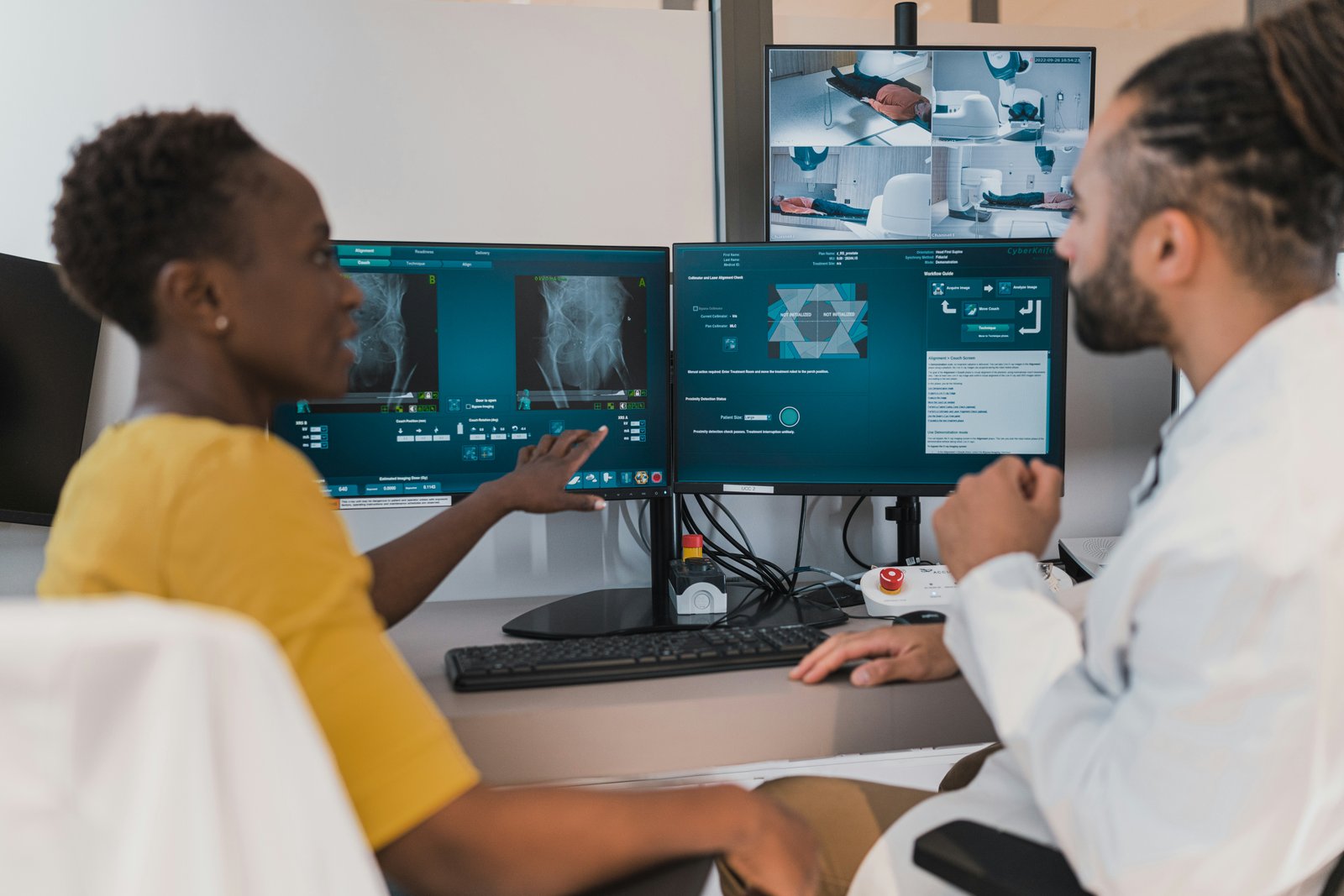
- Diagnostic imaging
- Laboratory results
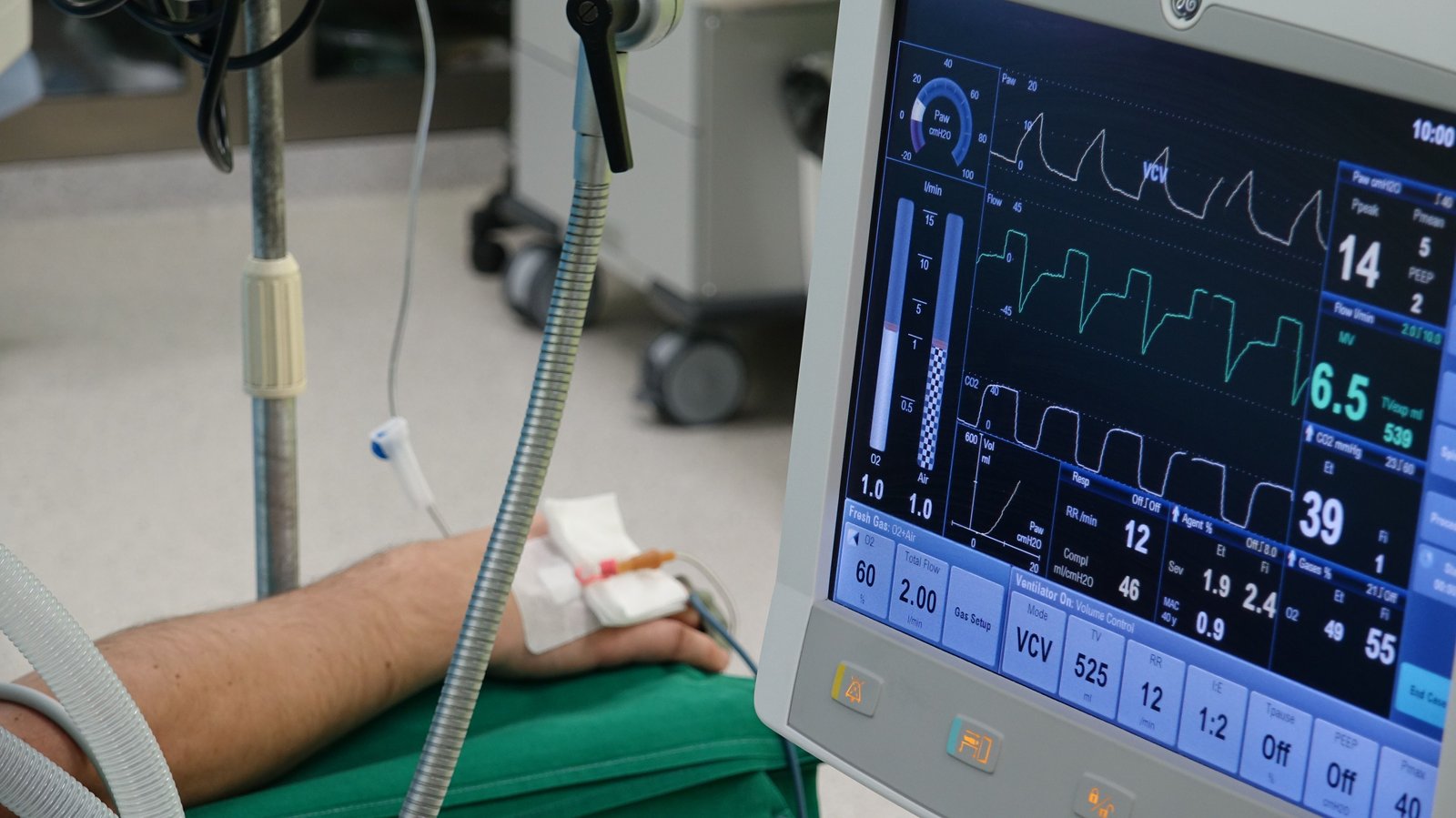
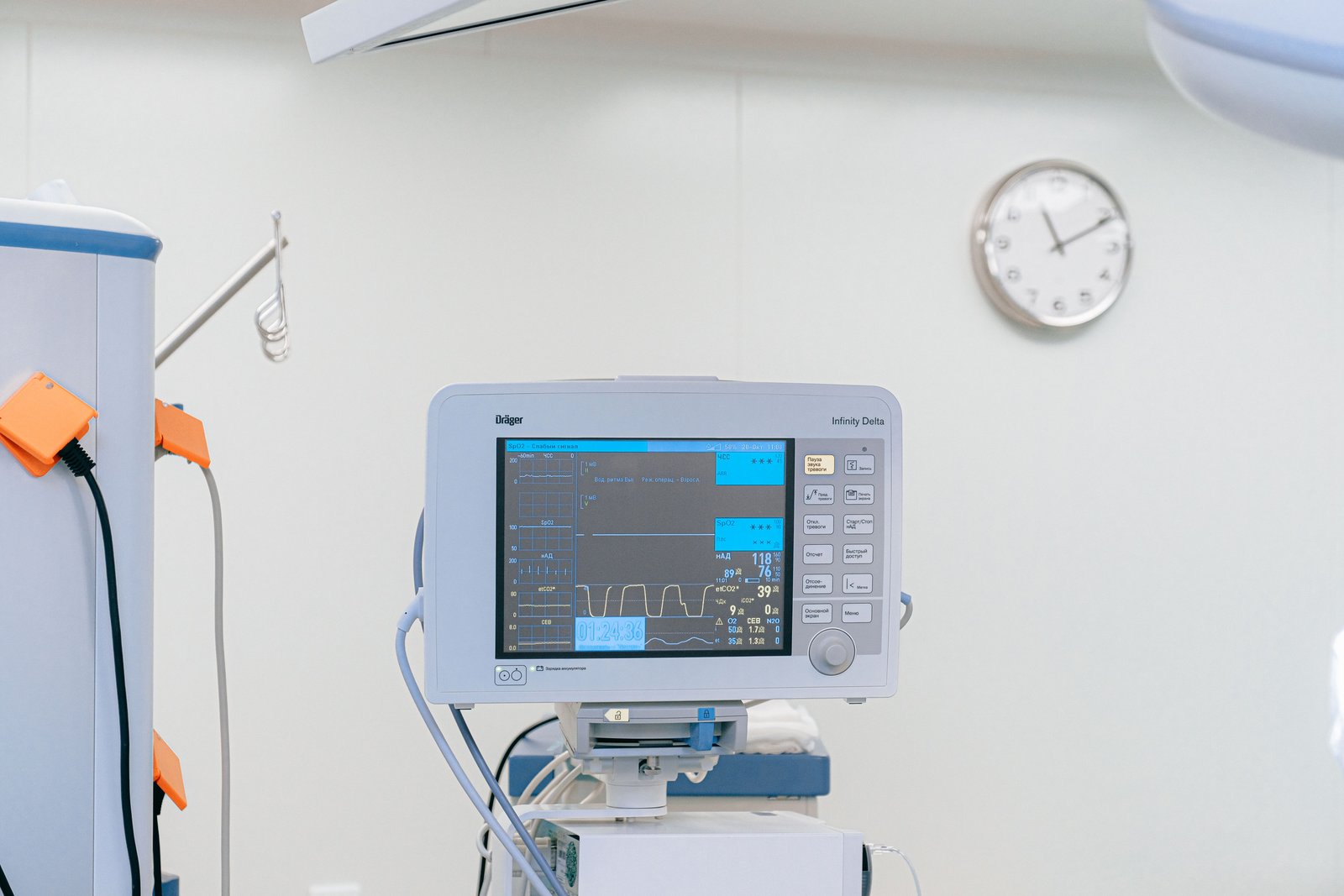
- Vital signs
- Wearable health data
- Genetic information
Comprehensive patient modeling enables clinicians to gain a more complete understanding of health conditions before making treatment decisions. Digital representations strengthen personalized care.
Artificial Intelligence Supports Treatment Planning
AI continuously analyzes patient data to identify potential treatment strategies.
Artificial intelligence assists with:
- Clinical decision support
- Treatment recommendations
- Risk assessment
- Medication optimization
- Disease progression analysis
Machine learning helps clinicians compare potential care approaches while improving decision-making accuracy. Intelligent analysis supports precision medicine.
Predictive Simulations Improve Healthcare Planning
Digital twin technology enables healthcare teams to simulate possible treatment outcomes before clinical intervention.
Simulation capabilities include:
- Therapy response evaluation
- Disease progression forecasting
- Recovery modeling
- Medication impact assessment
- Surgical planning
Predictive simulations help clinicians select treatment approaches that best align with individual patient needs. Advanced forecasting improves clinical confidence.
Wearable Devices Provide Continuous Health Data
Connected health technologies continuously update digital twin models with real-time patient information.
Wearable devices monitor:
- Heart rate
- Blood pressure
- Blood glucose
- Physical activity
- Sleep patterns
Continuous health monitoring keeps virtual patient models current while supporting proactive clinical interventions. Real-time information enhances personalized care.
Medical Imaging Enhances Digital Precision
Advanced imaging technologies contribute valuable anatomical and physiological data to digital twin systems.
Healthcare providers integrate:
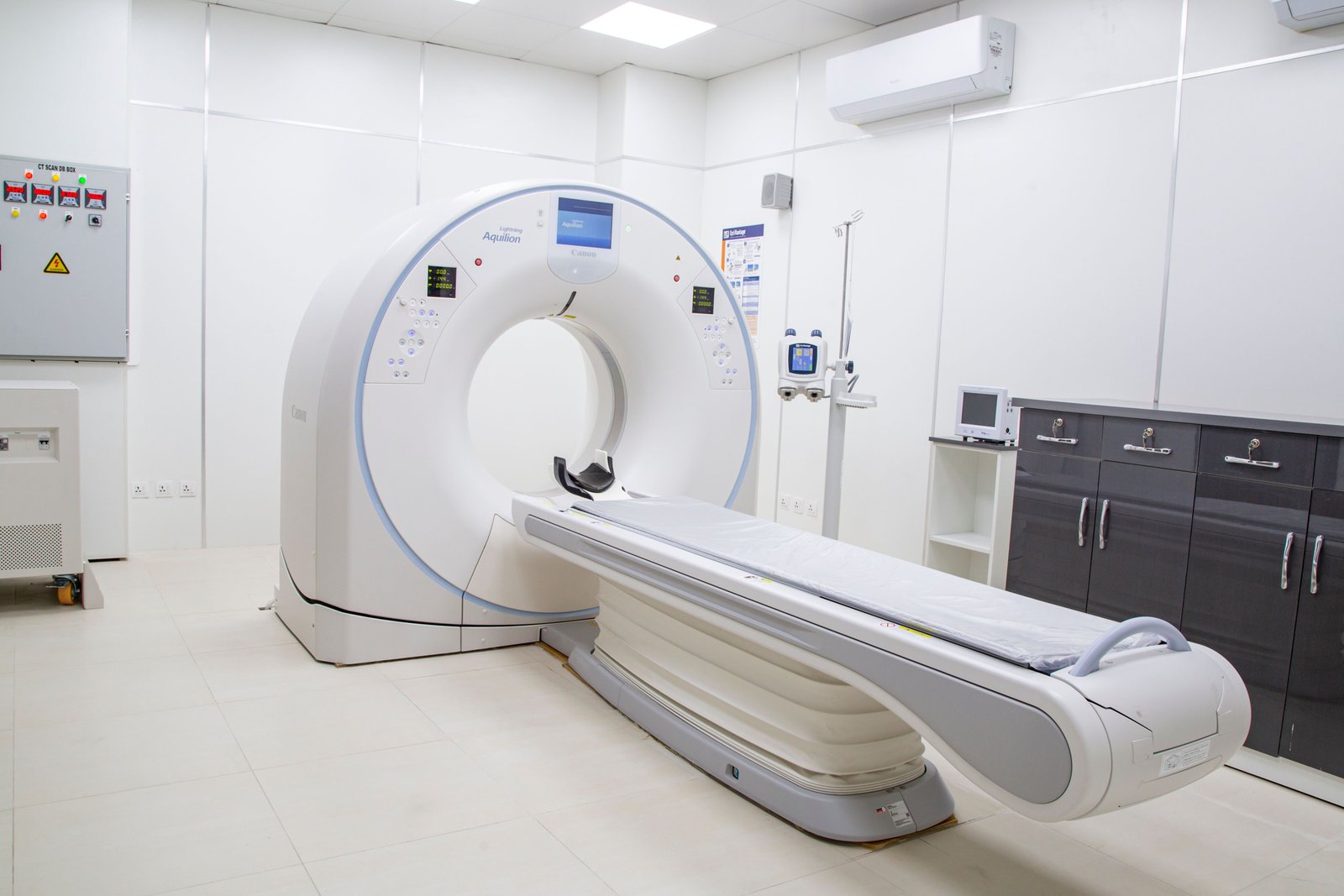
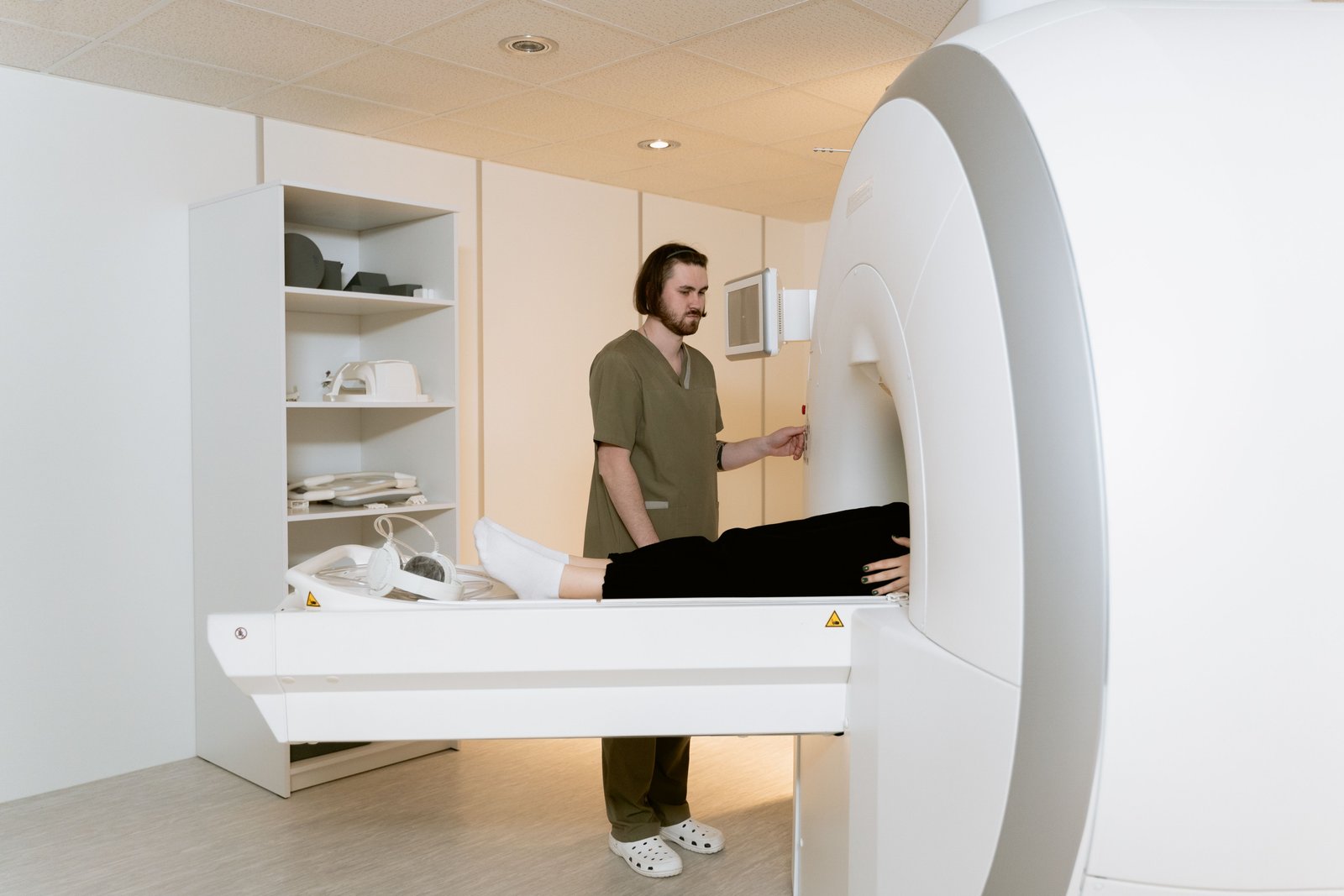
- Magnetic resonance imaging
- Computed tomography
- Ultrasound
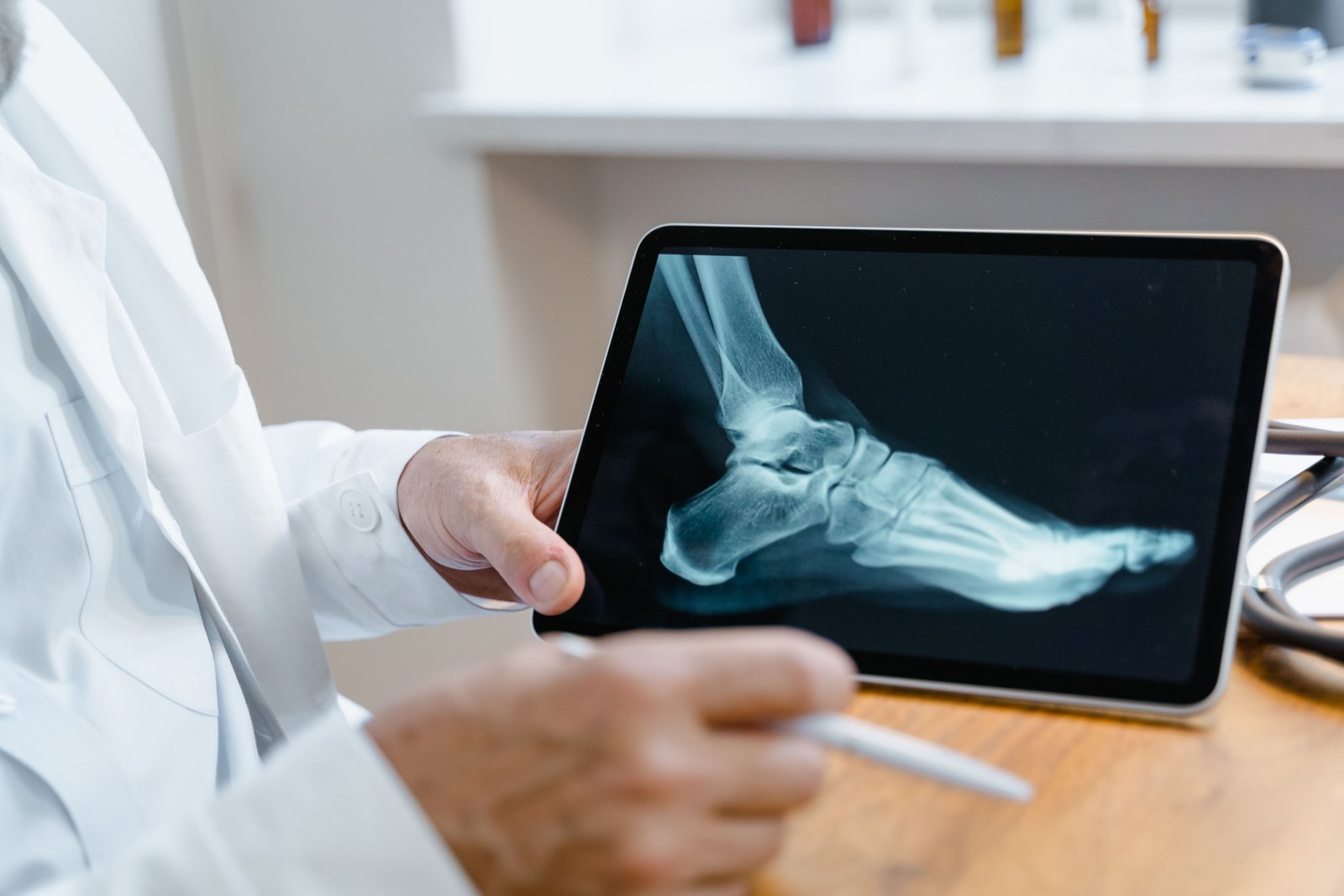
- X-ray imaging
- Three-dimensional visualization
High-quality imaging improves the accuracy of digital patient models while supporting better diagnosis and treatment planning. Medical imaging strengthens clinical insights.
Precision Medicine Benefits from Individualized Care
Digital twins support healthcare strategies tailored to each patient's unique biological characteristics.
Personalized care includes:
- Individual treatment planning
- Customized medication strategies
- Disease monitoring
- Preventive healthcare
- Long-term care management
Individualized healthcare improves treatment precision while supporting better patient experiences. Precision medicine advances healthcare quality.
Clinical Research Accelerates Innovation
Researchers are using digital twins to improve medical research and clinical development.
Research applications include:
- Clinical trial simulation
- Drug development support
- Disease modeling
- Population health studies
- Medical innovation
Digital simulations enable researchers to evaluate healthcare solutions more efficiently while supporting scientific advancement. Research collaboration accelerates innovation.
Data Integration Improves Clinical Collaboration
Digital twin platforms combine information from multiple healthcare systems into a unified clinical view.
Integrated data includes:
- Electronic health records
- Diagnostic reports
- Laboratory information
- Medical imaging
- Wearable technologies
Connected healthcare information enables multidisciplinary teams to collaborate more effectively while improving care coordination. Integrated systems strengthen healthcare delivery.
Cybersecurity Protects Digital Healthcare Systems
As healthcare organizations adopt digital twin technologies, protecting sensitive medical information remains essential.
Healthcare providers strengthen security through:
- Data encryption
- Secure cloud platforms
- Identity verification
- Access controls
- Continuous cybersecurity monitoring
Strong cybersecurity safeguards patient information while maintaining confidence in digital healthcare technologies. Secure systems support responsible innovation.
Challenges Continue
Despite significant technological progress, healthcare organizations continue facing several implementation challenges.
These include:
- Integrating diverse healthcare data sources
- Maintaining data quality
- Protecting patient privacy
- Workforce technology training
- Regulatory compliance for advanced digital health solutions
Continued investment in artificial intelligence, digital infrastructure, cybersecurity, clinical research, healthcare interoperability, and workforce development will remain essential for advancing digital twin technology.
Looking Forward
Digital twins are transforming personalized healthcare by combining artificial intelligence, predictive simulations, wearable technologies, medical imaging, and integrated clinical data into intelligent virtual patient models. As healthcare continues becoming more data-driven and personalized, digital twin technology will play an increasingly important role in improving diagnosis, optimizing treatment planning, supporting preventive care, advancing medical research, and enhancing patient outcomes.
The continued advancement of digital twin technology reflects a broader transformation across the healthcare industry, where artificial intelligence, precision medicine, connected health systems, predictive analytics, and digital innovation are creating smarter, more personalized, and future-ready healthcare delivery.