Artificial Intelligence, Machine Learning, and Population Health Insights Are Enabling Earlier Disease Detection and Proactive Care
The healthcare industry is increasingly adopting predictive analytics to strengthen preventive medicine and improve patient outcomes through earlier identification of health risks. By combining artificial intelligence (AI), machine learning, electronic health records, wearable health devices, genomic information, and population health data, healthcare providers are shifting from reactive treatment models toward proactive healthcare strategies that emphasize prevention, early intervention, and personalized care.
Traditionally, healthcare systems focused primarily on diagnosing and treating diseases after symptoms appeared. Today, predictive healthcare analytics enables clinicians to identify patterns associated with chronic diseases, hospital readmissions, medication adherence, and potential health complications before they become more severe. This data-driven approach allows healthcare organizations to develop targeted prevention programs while improving resource allocation and long-term patient care.
Hospitals, healthcare systems, research institutions, health technology companies, insurance providers, pharmaceutical organizations, and public health agencies are collaborating to develop predictive healthcare solutions that improve clinical decision-making while supporting healthier communities. Industry experts believe predictive analytics will become a cornerstone of preventive medicine as healthcare organizations continue investing in intelligent technologies that enable earlier intervention and more personalized healthcare delivery.
Artificial Intelligence Identifies Health Risks Earlier
Artificial intelligence analyzes large volumes of clinical data to detect patterns associated with disease development.
AI evaluates information such as:
- Medical history
- Laboratory results
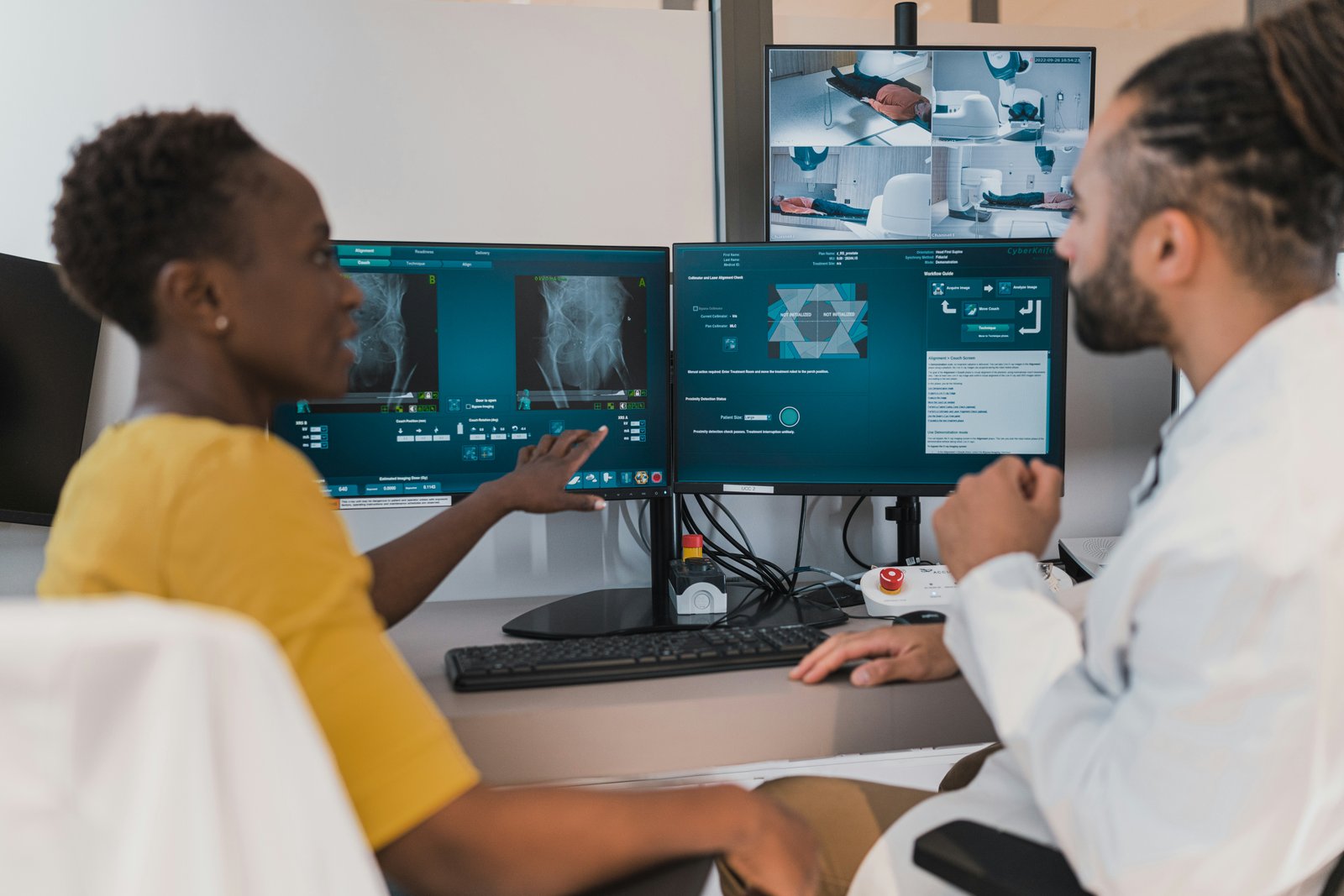
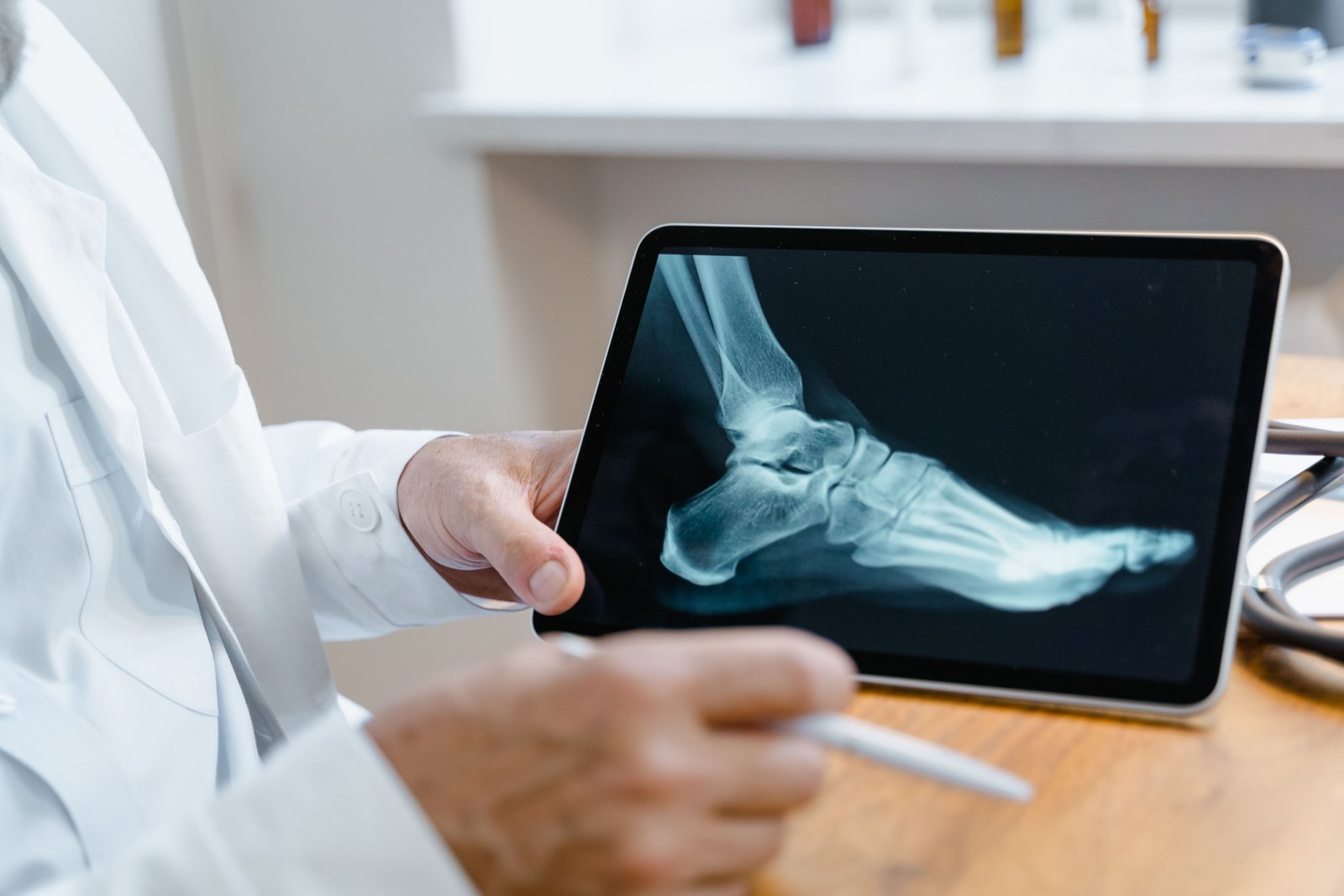
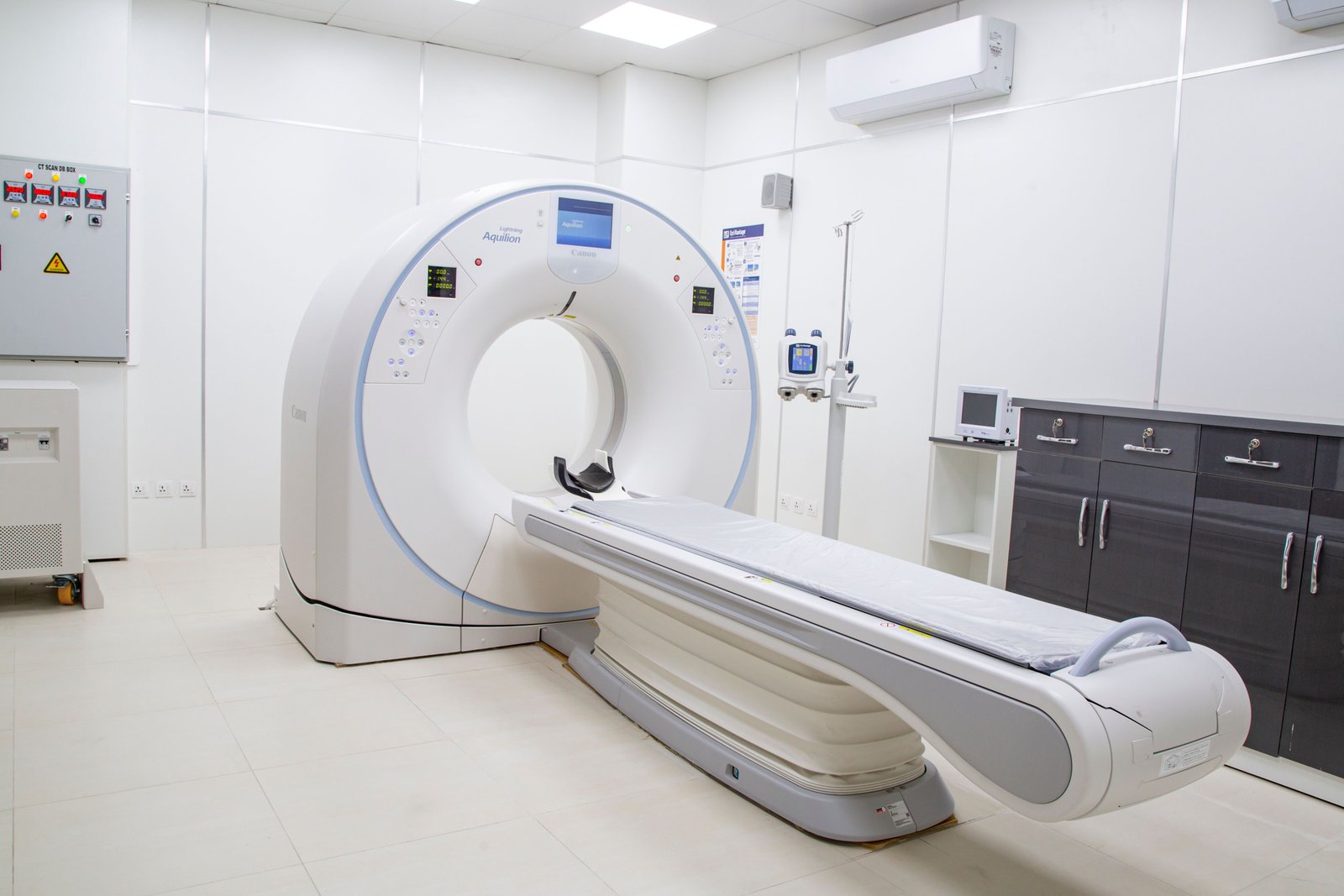
- Diagnostic imaging
- Medication records
- Lifestyle factors
- Family health history
These insights help healthcare professionals recognize potential health concerns before symptoms become more serious. Early detection supports better patient outcomes.
Machine Learning Improves Disease Prediction
Machine learning continuously improves prediction models by learning from new clinical information.
Healthcare applications include:
- Cardiovascular risk assessment
- Diabetes prediction
- Cancer risk analysis
- Respiratory disease monitoring
- Kidney disease progression
Intelligent algorithms help clinicians prioritize preventive care while improving diagnostic accuracy. Predictive models strengthen clinical decision-making.
Population Health Analytics Supports Community Care
Healthcare organizations use population-level data to identify trends affecting large groups of patients.
Population health analysis evaluates:
- Chronic disease prevalence
- Vaccination coverage
- Lifestyle-related health risks
- Healthcare utilization
- Regional disease patterns
Understanding community health trends enables organizations to develop targeted public health initiatives and preventive care programs. Population insights improve healthcare planning.
Wearable Devices Enable Continuous Health Monitoring
Connected wearable technologies provide valuable real-time health information for predictive analytics.
Wearable devices monitor:
- Heart rate
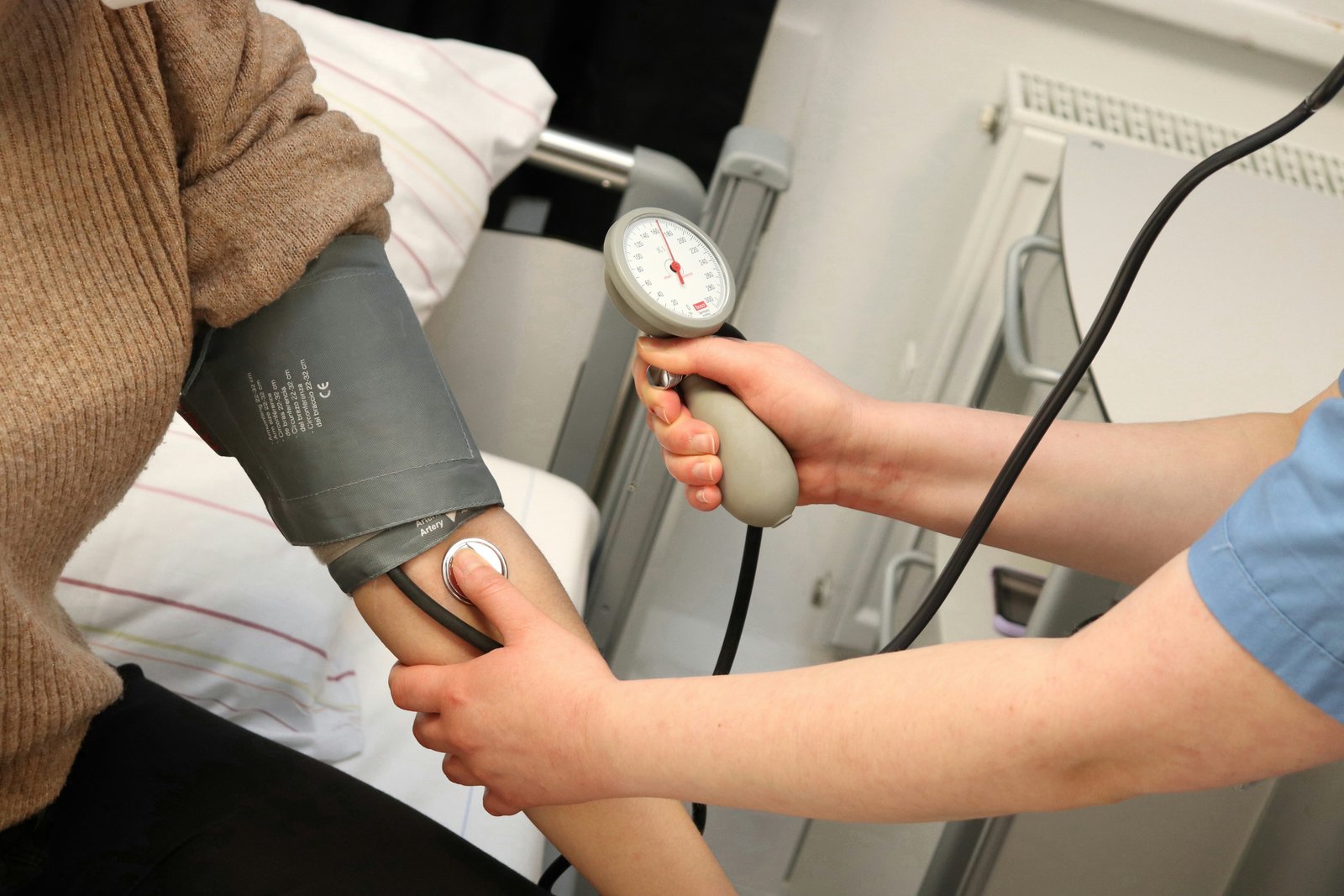
- Blood pressure
- Blood oxygen levels
- Sleep quality
- Physical activity
Continuous monitoring enables clinicians to detect subtle health changes and recommend preventive interventions before conditions worsen. Real-time monitoring strengthens preventive care.
Personalized Prevention Improves Patient Care
Predictive analytics allows healthcare providers to tailor prevention strategies according to each patient's individual risk profile.
Personalized preventive care includes:
- Lifestyle recommendations
- Nutrition guidance
- Screening schedules
- Medication optimization
- Wellness planning
Customized healthcare strategies improve patient engagement while supporting long-term health outcomes. Individualized prevention enhances healthcare quality.
Electronic Health Records Strengthen Clinical Insights
Digital health records provide the foundation for predictive healthcare analytics.
Integrated health records include:
- Clinical history
- Laboratory reports
- Imaging results
- Medication history
- Treatment outcomes
Comprehensive patient information enables healthcare professionals to make more informed preventive care decisions. Connected records improve healthcare coordination.
Predictive Analytics Optimizes Healthcare Resources
Healthcare organizations use predictive insights to improve operational planning and resource management.
Analytics supports:
- Hospital capacity planning
- Staffing forecasts
- High-risk patient identification
- Preventive care scheduling
- Healthcare utilization planning
Better forecasting enables providers to allocate resources efficiently while improving access to care. Predictive planning strengthens healthcare operations.
Digital Health Platforms Improve Patient Engagement
Modern healthcare platforms encourage patients to participate more actively in preventive care.
Digital tools provide:
- Health reminders
- Personalized wellness recommendations
- Appointment scheduling
- Preventive screening notifications
- Progress tracking
Greater patient engagement supports healthier behaviors while improving long-term disease prevention. Digital health empowers proactive care.
Data Security Remains Essential
As predictive healthcare relies on increasing volumes of patient information, protecting sensitive medical data remains a top priority.
Healthcare organizations strengthen security through:
- Data encryption
- Secure cloud infrastructure
- Identity verification
- Access management
- Continuous cybersecurity monitoring
Strong data protection safeguards patient privacy while maintaining confidence in digital healthcare technologies. Secure systems support responsible healthcare innovation.
Challenges Continue
Despite significant technological progress, healthcare organizations continue facing several implementation challenges.
These include:
- Integrating diverse healthcare data sources
- Maintaining data quality
- Addressing algorithm bias
- Protecting patient privacy
- Training healthcare professionals to use advanced analytics effectively
Continued investment in artificial intelligence, machine learning, cloud computing, cybersecurity, healthcare interoperability, clinical research, and workforce development will remain essential for maximizing the benefits of predictive healthcare analytics.
Looking Forward
Predictive healthcare analytics is transforming preventive medicine by combining artificial intelligence, machine learning, wearable technologies, electronic health records, and population health intelligence into proactive healthcare systems. As healthcare continues shifting toward prevention and personalized care, predictive analytics will play an increasingly important role in identifying health risks earlier, improving disease prevention, optimizing healthcare resources, strengthening patient engagement, and enhancing clinical outcomes.
The continued advancement of predictive healthcare analytics reflects a broader transformation across the healthcare industry, where intelligent technologies, data-driven decision-making, connected health systems, and precision medicine are creating smarter, more proactive, and future-ready healthcare delivery.