Connected Biosensors, Artificial Intelligence, and Remote Healthcare Technologies Are Advancing Preventive and Personalized Care
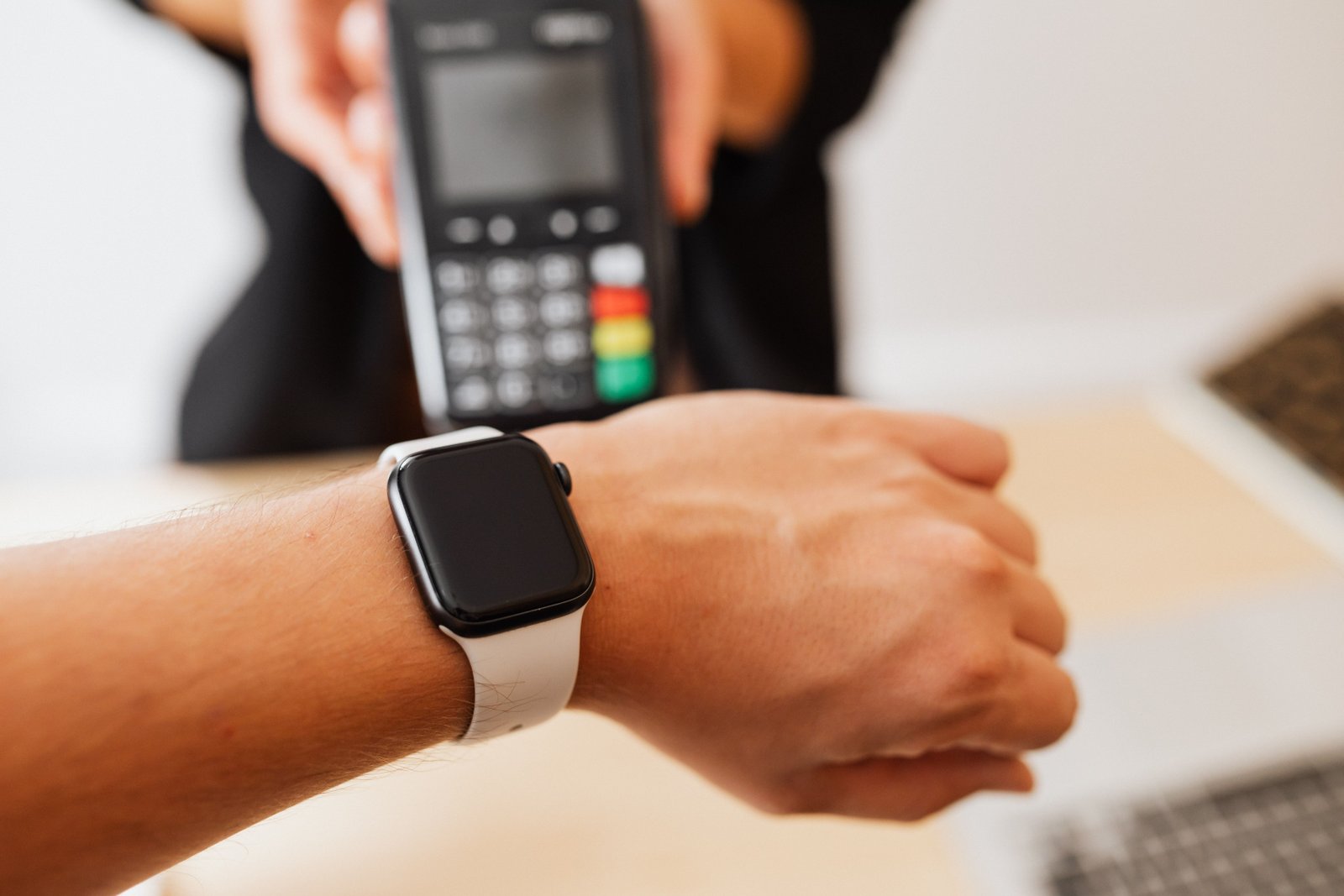
The healthcare industry is witnessing rapid growth in the adoption of smart wearable medical devices as healthcare providers increasingly embrace continuous patient monitoring and data-driven care. Advances in biosensor technology, artificial intelligence (AI), Internet of Medical Things (IoMT), wireless connectivity, and cloud-based health platforms are enabling patients and clinicians to monitor health conditions in real time, improving disease management and supporting preventive healthcare.
Traditional patient monitoring often depended on periodic hospital visits and occasional diagnostic tests, limiting clinicians' ability to observe health changes between appointments. Modern wearable medical devices continuously collect physiological data and securely transmit it to healthcare professionals, allowing earlier detection of health concerns and more personalized treatment strategies.
Hospitals, medical device manufacturers, healthcare technology companies, research institutions, telehealth providers, and digital health startups are collaborating to develop wearable technologies that improve patient outcomes while expanding access to healthcare beyond traditional clinical settings. Industry experts believe smart wearable medical devices will continue becoming an essential component of connected healthcare ecosystems as organizations focus on preventive medicine, chronic disease management, and personalized healthcare.
Continuous Health Monitoring Improves Clinical Visibility
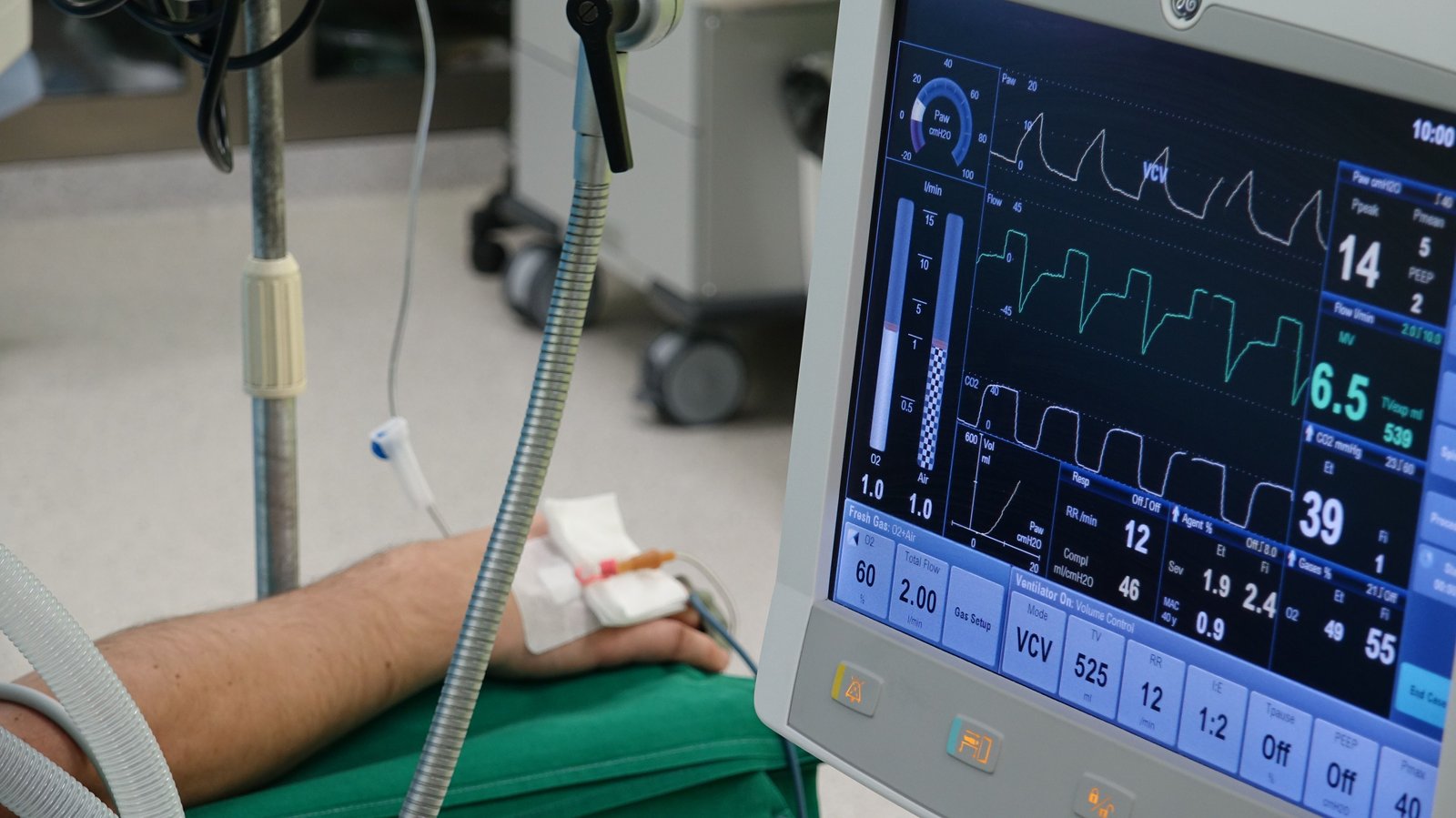
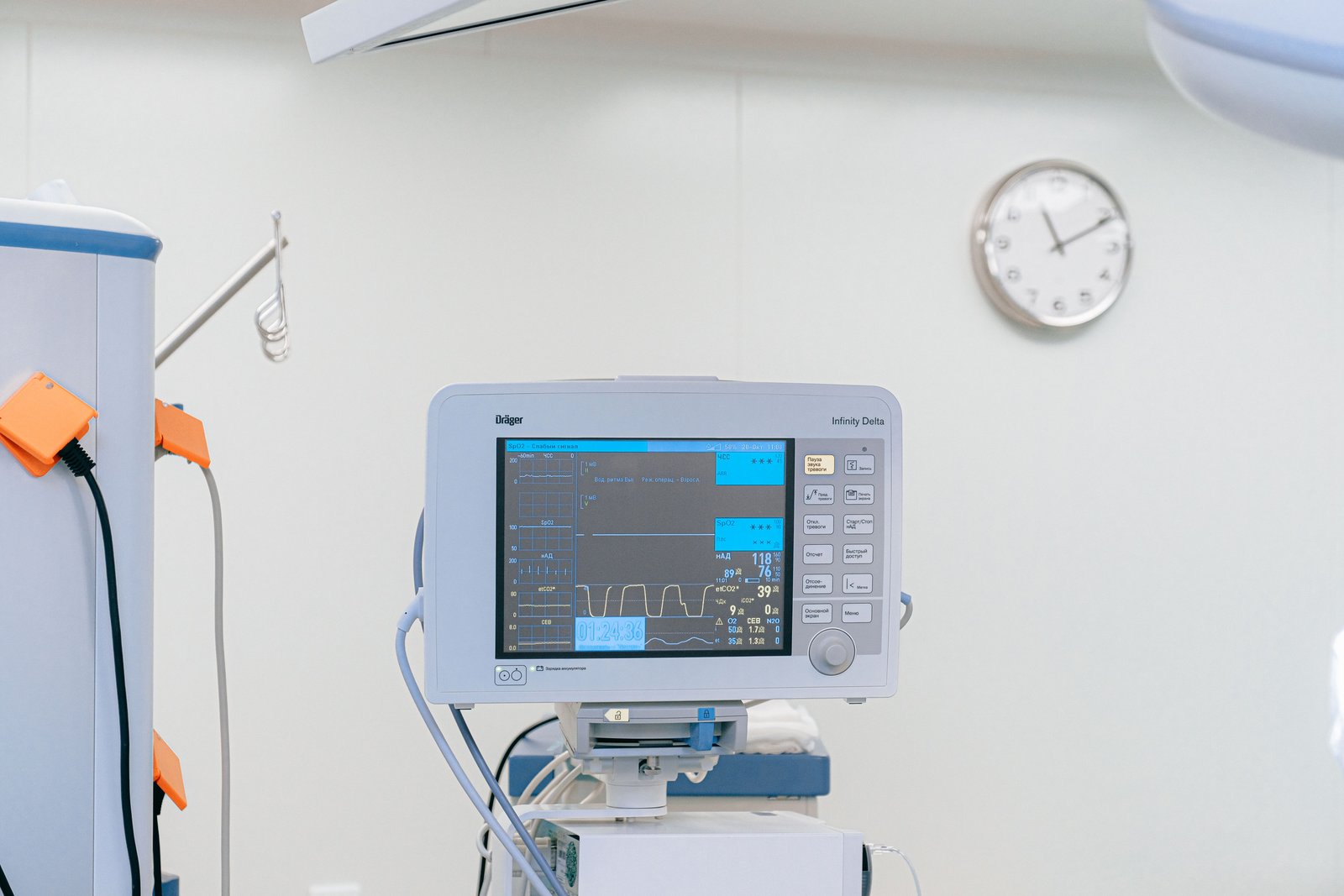
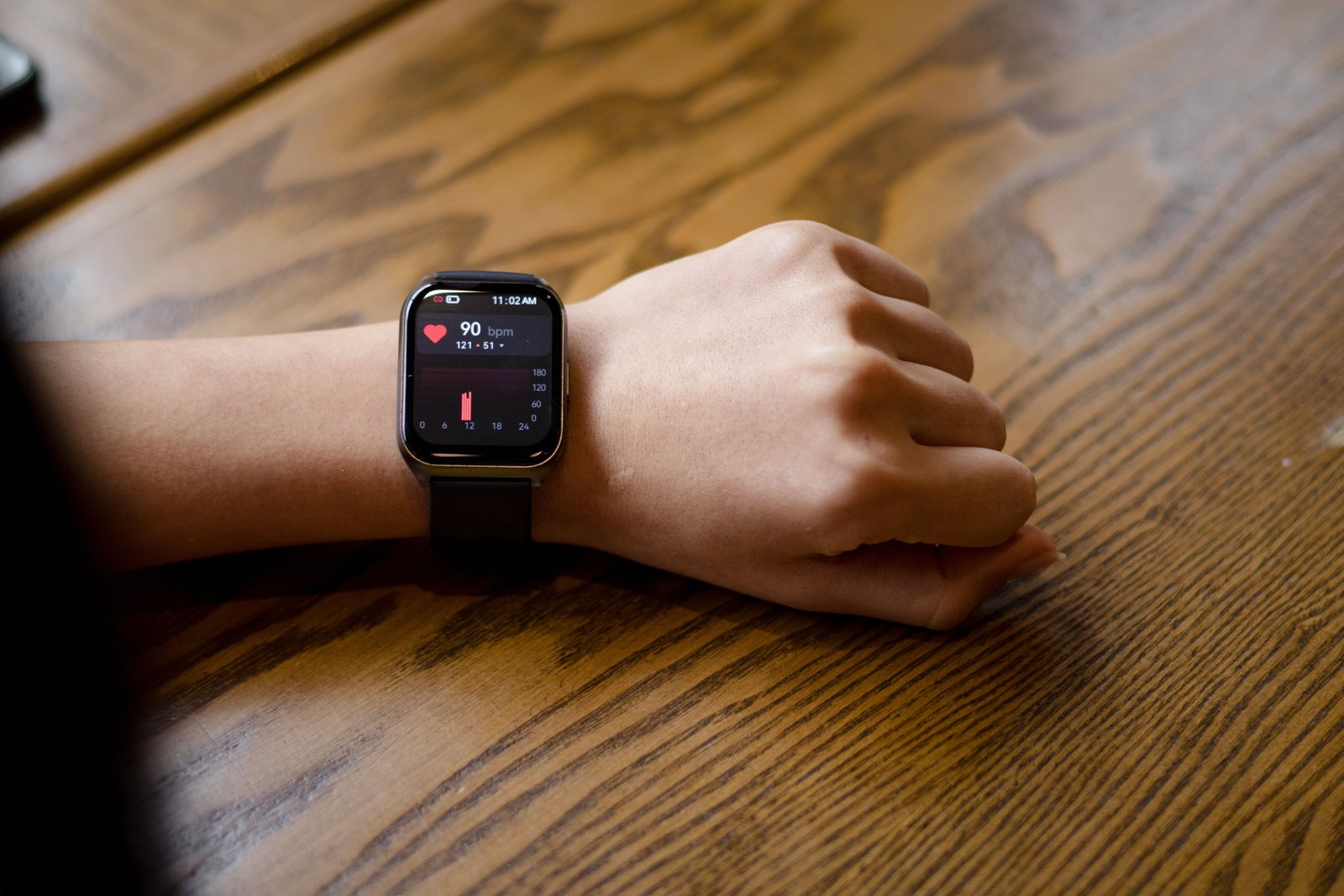
Wearable medical devices provide ongoing health information that helps clinicians better understand patient conditions.
Continuous monitoring includes:
- Heart rate
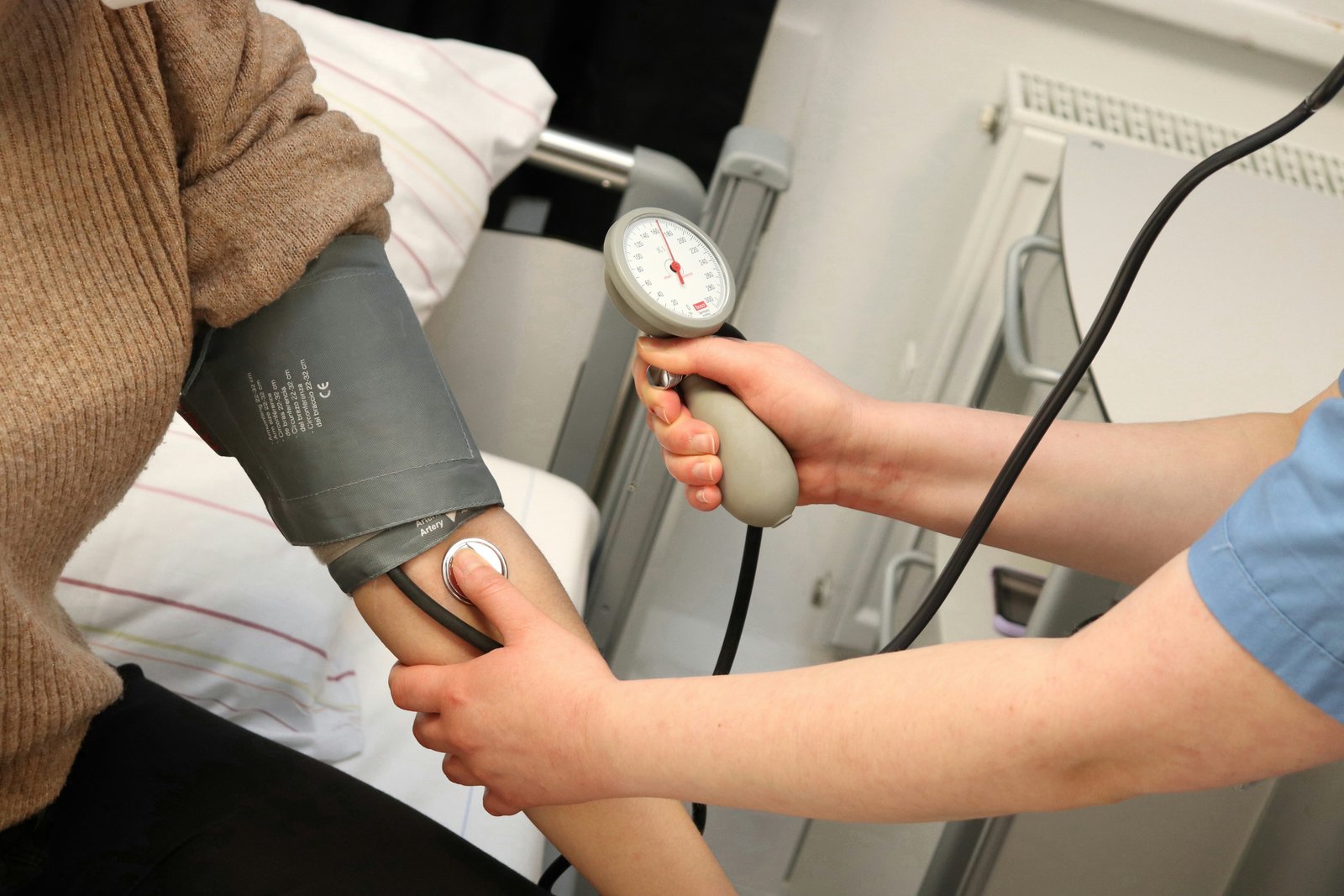
- Blood pressure
- Blood oxygen levels
- Body temperature
- Respiratory rate
- Physical activity
Real-time health data enables healthcare professionals to identify changes earlier while supporting timely medical interventions. Continuous monitoring improves patient care.
Biosensor Technology Enhances Measurement Accuracy
Modern wearable devices incorporate advanced biosensors capable of measuring multiple physiological indicators.
Biosensors support monitoring of:
- Electrocardiogram activity
- Blood glucose trends
- Hydration levels
- Sleep quality
- Stress indicators
High-precision sensors improve the reliability of health measurements while supporting informed clinical decisions. Advanced sensing strengthens diagnostic confidence.
Artificial Intelligence Supports Early Health Insights
Artificial intelligence analyzes wearable device data to identify patterns that may indicate emerging health concerns.
AI applications include:
- Health trend analysis
- Risk prediction
- Personalized wellness recommendations
- Chronic disease monitoring
- Clinical decision support
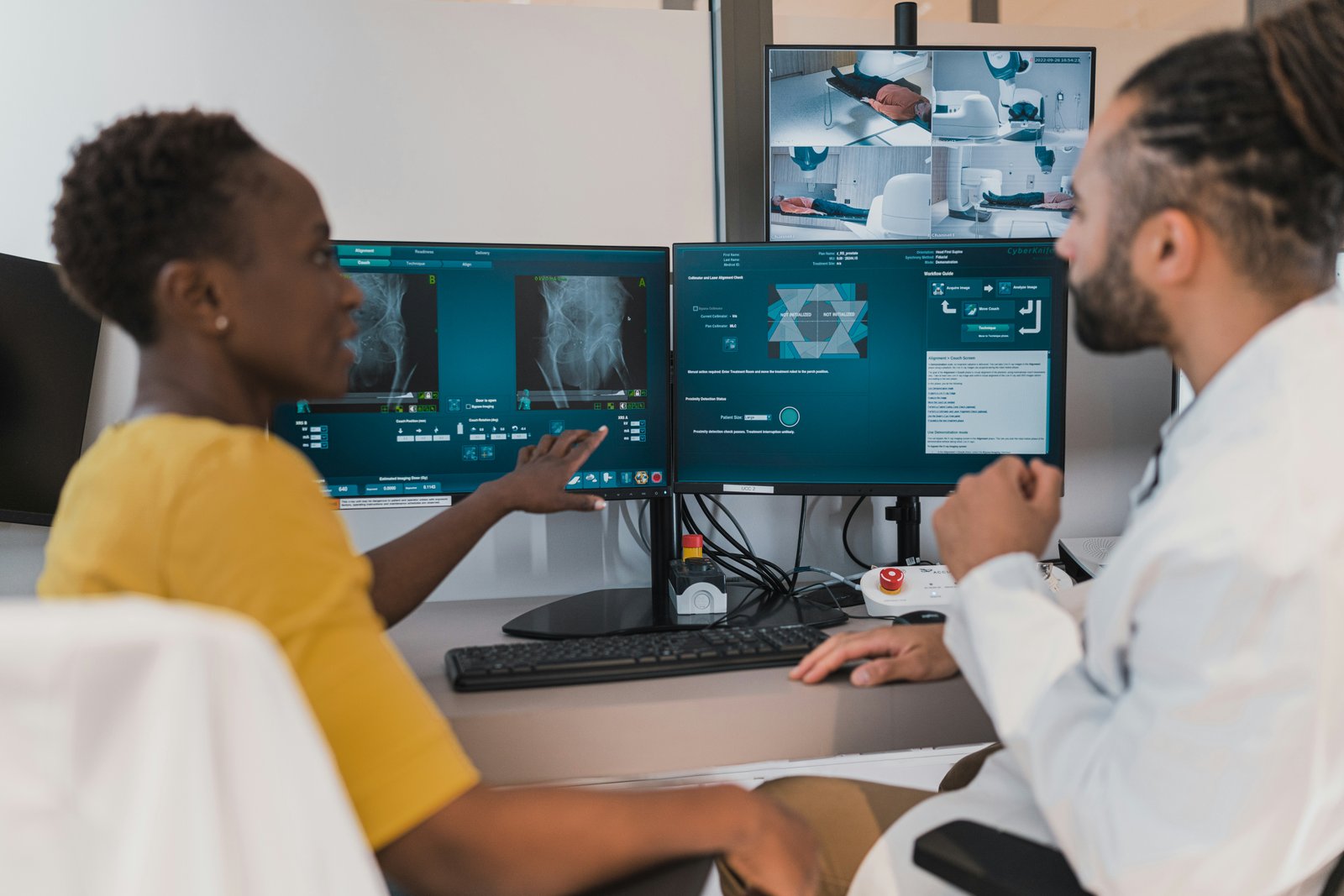
Machine learning continuously evaluates patient information to assist healthcare professionals in delivering proactive care. Intelligent analytics strengthen preventive healthcare.
Remote Patient Monitoring Expands Healthcare Access
Wearable devices enable healthcare providers to monitor patients outside traditional clinical environments.
Remote monitoring supports:
- Home healthcare
- Chronic disease management
- Post-surgical recovery
- Elderly patient care
- Long-term health observation
Remote care improves healthcare accessibility while reducing unnecessary hospital visits. Connected healthcare enhances patient convenience.
Cloud Platforms Improve Healthcare Collaboration
Cloud-based health platforms securely collect and organize wearable device information for healthcare teams.
Connected systems enable:
- Secure medical data sharing
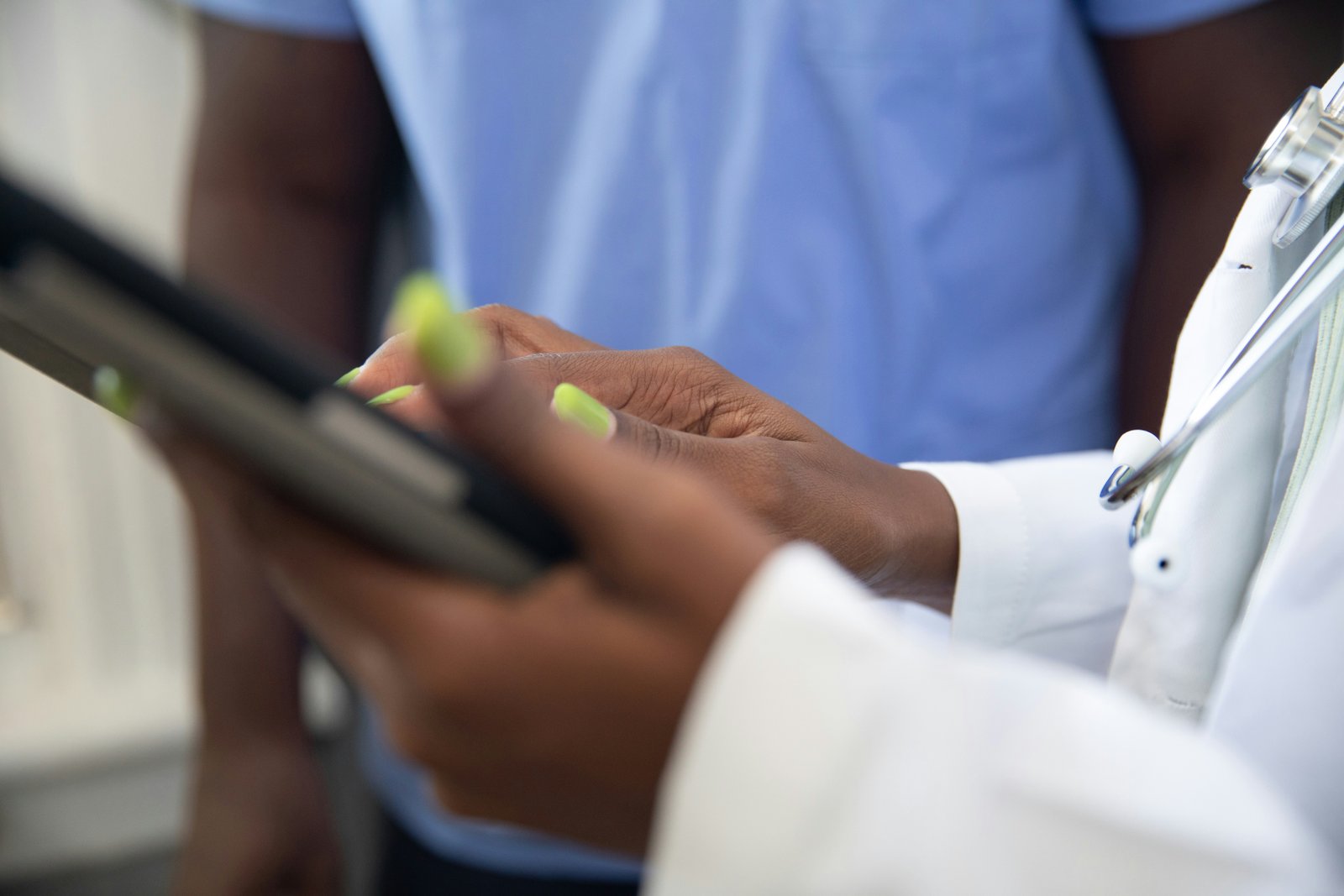
- Electronic health record integration
- Real-time reporting
- Care coordination
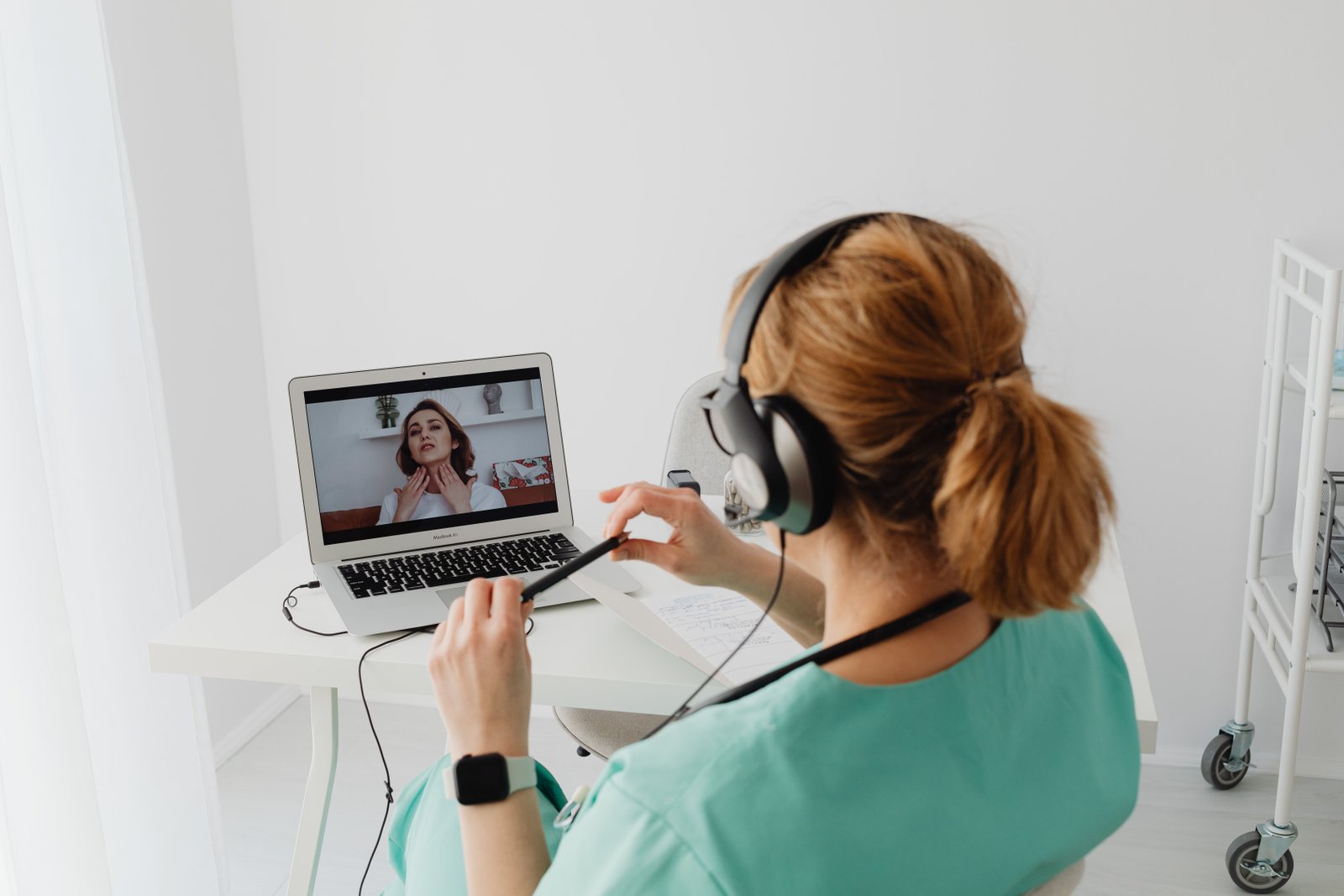
- Remote clinical consultations
Digital collaboration improves communication between patients and healthcare providers while supporting coordinated treatment. Cloud technology strengthens healthcare connectivity.
Chronic Disease Management Becomes More Effective
Wearable technologies are supporting better long-term management of chronic health conditions.
Healthcare providers monitor:
- Diabetes
- Cardiovascular conditions
- Respiratory diseases
- Hypertension
- Sleep disorders
Continuous data collection enables personalized treatment adjustments while improving long-term health management. Technology supports proactive disease care.
Patient Engagement Encourages Health Awareness
Patients receive information about:
- Daily activity
- Sleep patterns
- Exercise progress
- Wellness goals
- Medication reminders
Access to personal health information promotes healthier lifestyle choices while strengthening patient participation in care. Greater engagement supports better health outcomes.
Healthcare Data Integration Improves Decision-Making
Wearable technologies generate valuable clinical information that complements traditional medical records.
Integrated healthcare data includes:
- Vital sign trends
- Lifestyle information
- Activity history
- Recovery progress
- Long-term health metrics
Comprehensive patient information enables clinicians to develop more personalized care strategies. Integrated data improves clinical accuracy.
Cybersecurity Protects Connected Health Devices
As wearable medical devices become increasingly connected, safeguarding patient information remains a critical priority.
Healthcare organizations strengthen security through:
- Data encryption
- Secure wireless communication
- Identity authentication
- Cloud security protocols
- Continuous cybersecurity monitoring
Strong cybersecurity protects sensitive medical information while maintaining trust in digital healthcare technologies. Secure systems support responsible healthcare innovation.
Challenges Continue
Despite rapid technological progress, healthcare organizations continue facing several implementation challenges.
These include:
- Integrating wearable data with existing healthcare systems
- Ensuring long-term device accuracy
- Protecting patient privacy
- Workforce training on digital health technologies
- Expanding access to connected healthcare infrastructure
Continued investment in biosensor technology, artificial intelligence, cloud computing, cybersecurity, healthcare interoperability, and clinical research will remain essential for maximizing the benefits of wearable medical devices.
Looking Forward
Smart wearable medical devices are transforming healthcare by combining connected biosensors, artificial intelligence, cloud platforms, remote patient monitoring, and personalized health insights into continuous care solutions. As healthcare continues shifting toward preventive medicine and patient-centered care, wearable technologies will play an increasingly important role in improving early disease detection, strengthening chronic disease management, expanding healthcare access, enhancing patient engagement, and supporting better clinical outcomes.
The continued advancement of smart wearable medical devices reflects a broader transformation across the healthcare industry, where digital innovation, connected health technologies, artificial intelligence, real-time analytics, and personalized medicine are creating smarter, more accessible, and future-ready healthcare systems.