Artificial Intelligence, Predictive Analytics, and Connected Healthcare Systems Are Transforming Hospital Operations
Healthcare organizations are increasingly establishing hospital command centers to improve operational efficiency, strengthen clinical coordination, and enhance patient care through real-time data analysis. By integrating artificial intelligence (AI), predictive analytics, digital dashboards, Internet of Medical Things (IoMT) devices, and electronic health records, command centers provide healthcare leaders with a centralized view of hospital operations, enabling faster decision-making and more efficient resource management.
Traditional hospital management often relied on separate departments monitoring patient admissions, bed availability, staffing, equipment, and emergency services independently. Modern command centers consolidate these operational functions into a single digital environment where clinical teams, administrators, and support staff can monitor hospital performance continuously and respond quickly to changing patient needs.
Hospitals, healthcare systems, technology providers, medical equipment manufacturers, software developers, and clinical operations specialists are collaborating to develop intelligent command center solutions that improve patient flow, optimize healthcare resources, and support high-quality clinical outcomes. Industry experts believe hospital command centers will become an essential component of digitally connected healthcare systems as organizations continue modernizing hospital operations through data-driven management.
Centralized Operations Improve Hospital Coordination
Hospital command centers bring together critical operational information into one integrated platform.
Centralized monitoring includes:
- Patient admissions
- Bed occupancy
- Emergency department activity
- Intensive care capacity
- Operating room utilization
- Staff availability
A unified operational view enables hospital leaders to coordinate resources more effectively while improving service delivery. Centralized oversight strengthens operational efficiency.
Artificial Intelligence Supports Clinical Decision-Making
Artificial intelligence helps hospitals analyze operational data and identify opportunities for improvement.
AI applications include:
- Patient flow forecasting
- Resource allocation
- Capacity planning
- Clinical workload analysis
- Operational risk identification
Machine learning continuously evaluates hospital activity to support informed management decisions and improve healthcare delivery. Intelligent analytics strengthen hospital performance.
Real-Time Analytics Enhance Patient Flow
Healthcare providers use live operational data to improve patient movement throughout the hospital.
Real-time monitoring tracks:
- Admission status
- Patient transfers
- Bed availability
- Emergency department capacity
- Discharge planning
Continuous visibility helps reduce unnecessary delays while improving patient access to medical care. Efficient patient flow enhances healthcare quality.
Predictive Analytics Improve Resource Planning
Hospitals are using predictive technologies to anticipate operational demands before they occur.
Predictive analytics support:
- Staffing requirements
- Patient admission forecasting
- Equipment utilization
- Seasonal healthcare demand
- Emergency preparedness
Forecasting tools help organizations prepare resources more efficiently while reducing operational bottlenecks. Predictive planning improves organizational resilience.
Digital Dashboards Provide Instant Operational Visibility
Modern command centers rely on interactive dashboards that display key hospital performance indicators.
Dashboards present information on:
- Bed occupancy rates
- Emergency department activity
- Surgical schedules
- Equipment availability
- Clinical performance metrics
Instant access to operational insights enables faster decision-making across healthcare teams. Digital visibility strengthens hospital management.
Connected Medical Devices Improve Clinical Monitoring
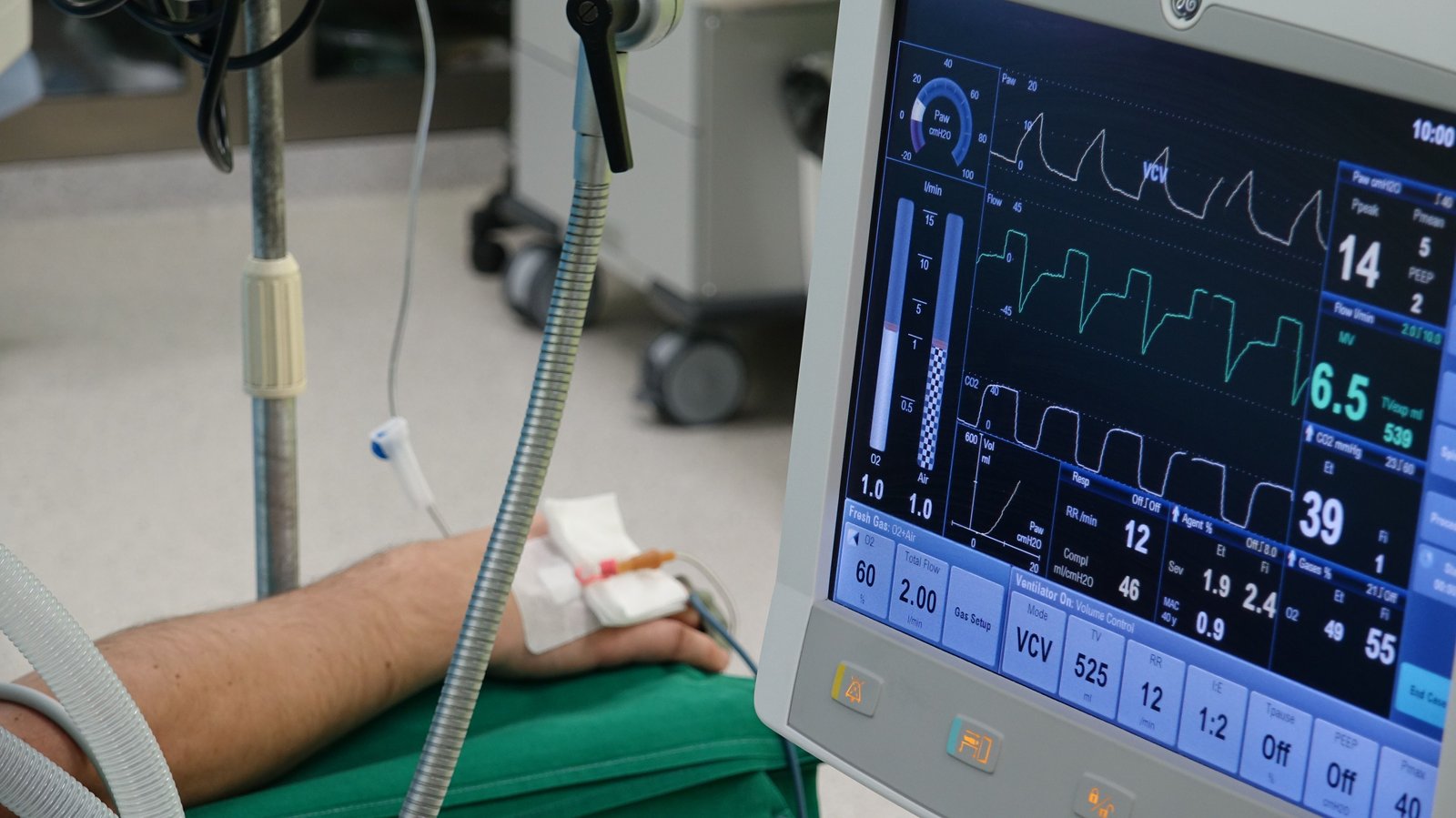
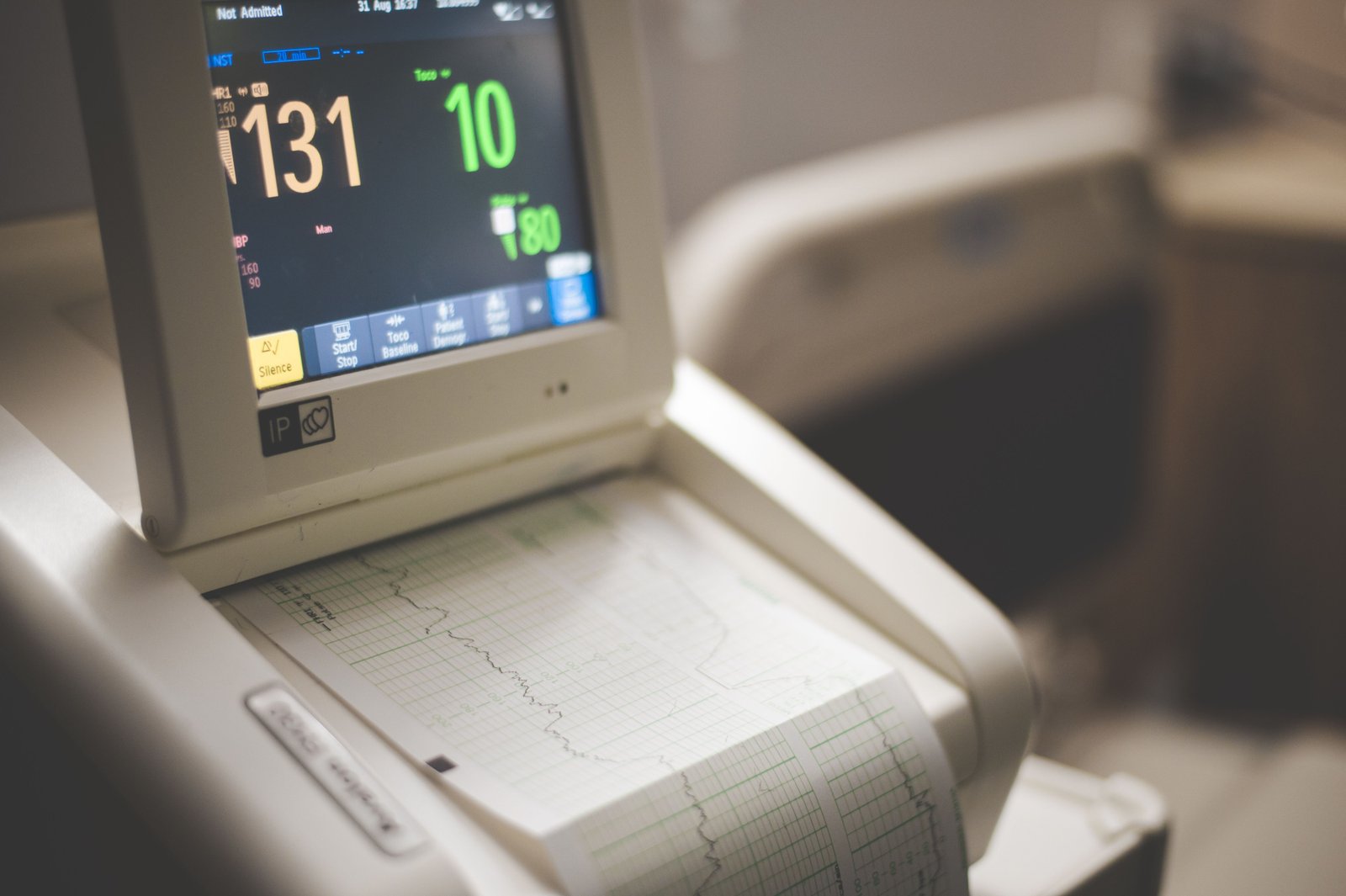
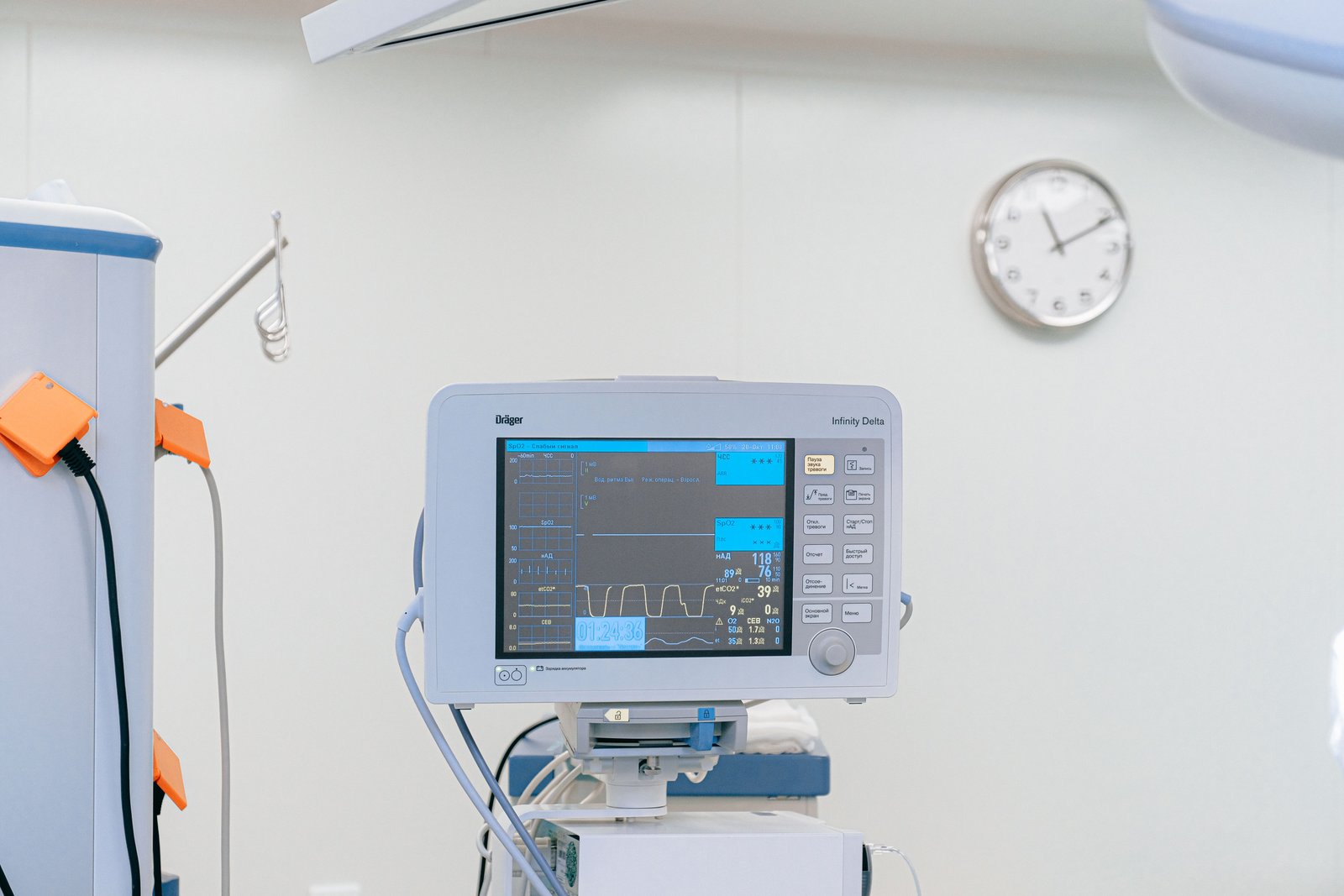
Internet of Medical Things technologies provide continuous information from connected healthcare equipment.
Connected systems monitor:
- Patient vital signs
- Medical equipment performance
- Intensive care monitoring
- Infusion systems
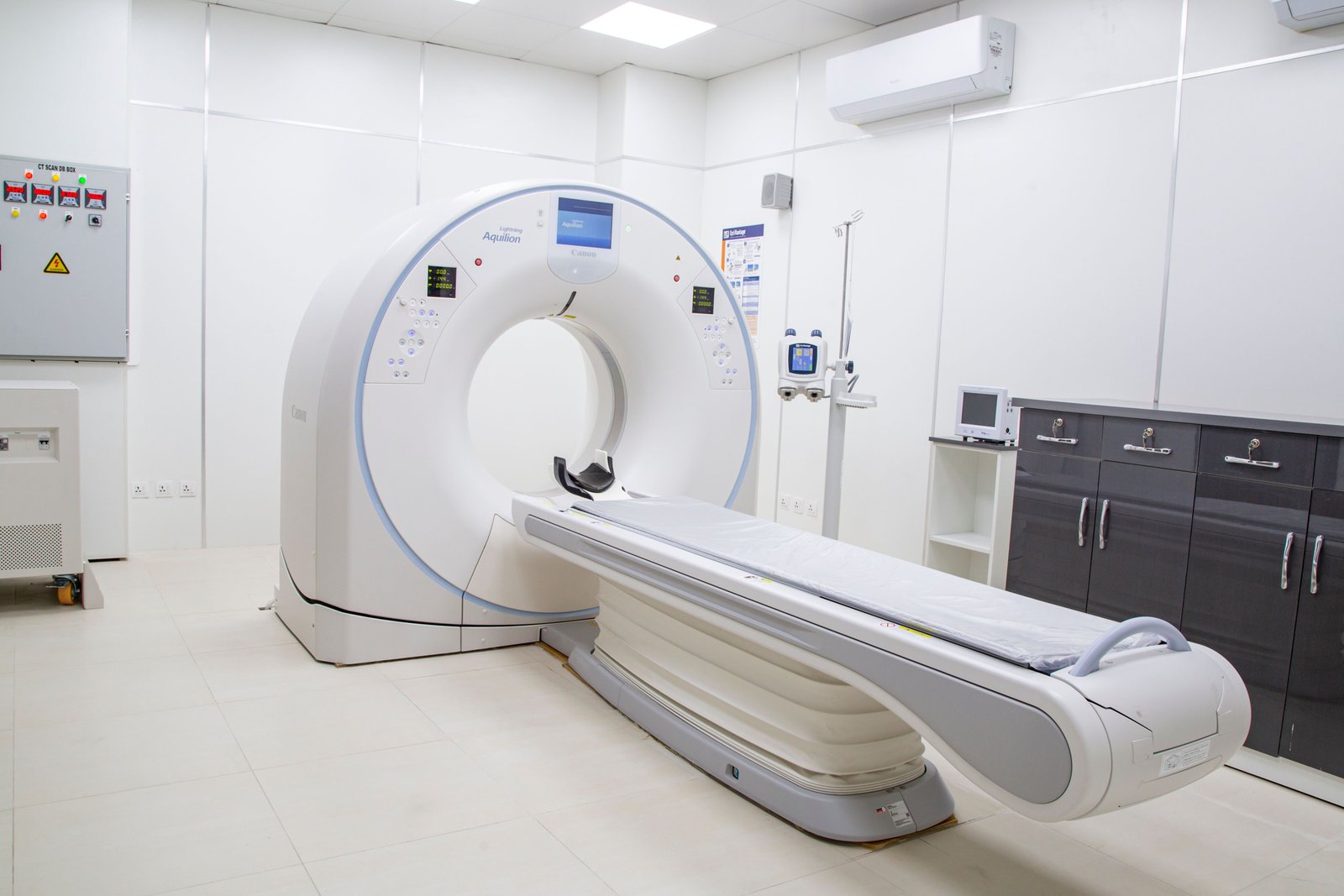
- Diagnostic devices
Integrated medical technologies improve patient safety while supporting proactive clinical interventions. Connected healthcare strengthens patient care.
Workforce Coordination Improves Care Delivery
Hospital command centers help coordinate clinical and operational teams more effectively.
Healthcare organizations optimize:
- Staff scheduling
- Department communication
- Specialist availability
- Clinical collaboration
- Resource deployment
Improved workforce coordination enables healthcare professionals to deliver timely and efficient patient care. Team collaboration enhances operational performance.
Data Integration Strengthens Clinical Collaboration
Command centers combine information from multiple hospital systems into one secure platform.
Integrated data includes:
- Electronic health records
- Laboratory results
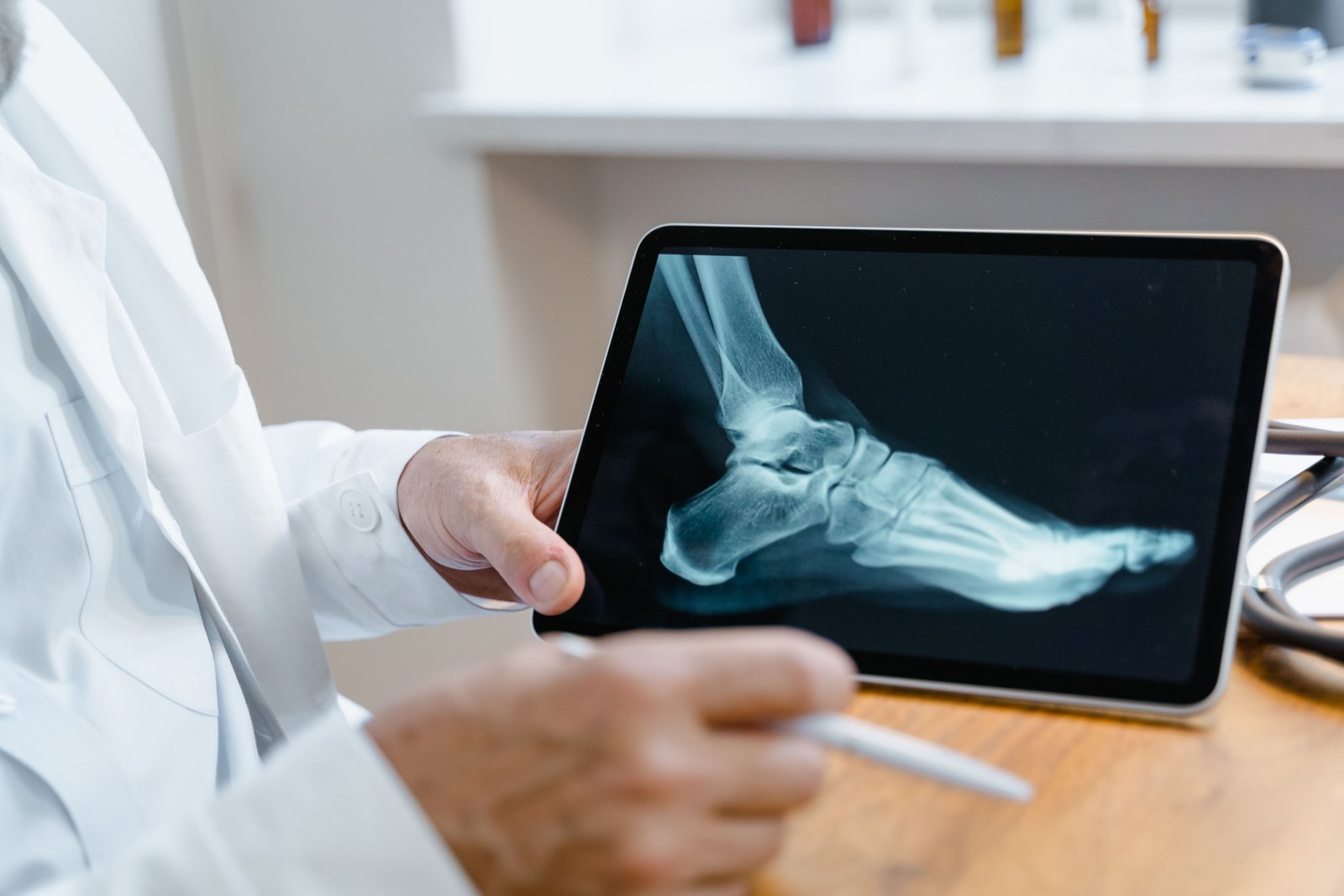
- Diagnostic imaging
- Pharmacy systems
- Patient monitoring devices
Connected healthcare information improves communication while supporting coordinated clinical decision-making. Integrated systems improve healthcare efficiency.
Cybersecurity Protects Healthcare Infrastructure
As hospitals become increasingly connected, protecting digital healthcare systems remains a strategic priority.
Organizations strengthen security through:
- Data encryption
- Secure network infrastructure
- Multi-factor authentication
- Continuous system monitoring
- Access management controls
Comprehensive cybersecurity protects patient information while ensuring reliable hospital operations. Secure digital environments strengthen healthcare resilience.
Challenges Continue
Despite rapid technological advancement, healthcare organizations continue facing several implementation challenges.
These include:
- Integrating legacy hospital systems
- Maintaining interoperability between digital platforms
- Protecting patient privacy
- Workforce technology training
- Managing implementation costs
Continued investment in artificial intelligence, predictive analytics, digital infrastructure, cybersecurity, healthcare interoperability, and workforce development will remain essential for maximizing the benefits of hospital command centers.
Looking Forward
Hospital command centers are transforming healthcare operations by combining artificial intelligence, predictive analytics, connected medical devices, digital dashboards, and integrated clinical data into intelligent operational management systems. As hospitals continue modernizing healthcare delivery, command centers will play an increasingly important role in improving patient flow, optimizing resource utilization, strengthening clinical collaboration, enhancing operational efficiency, and supporting high-quality patient care.
The continued advancement of hospital command centers reflects a broader transformation across the healthcare industry, where digital innovation, real-time analytics, artificial intelligence, connected healthcare systems, and data-driven decision-making are creating smarter, more efficient, and future-ready hospitals.