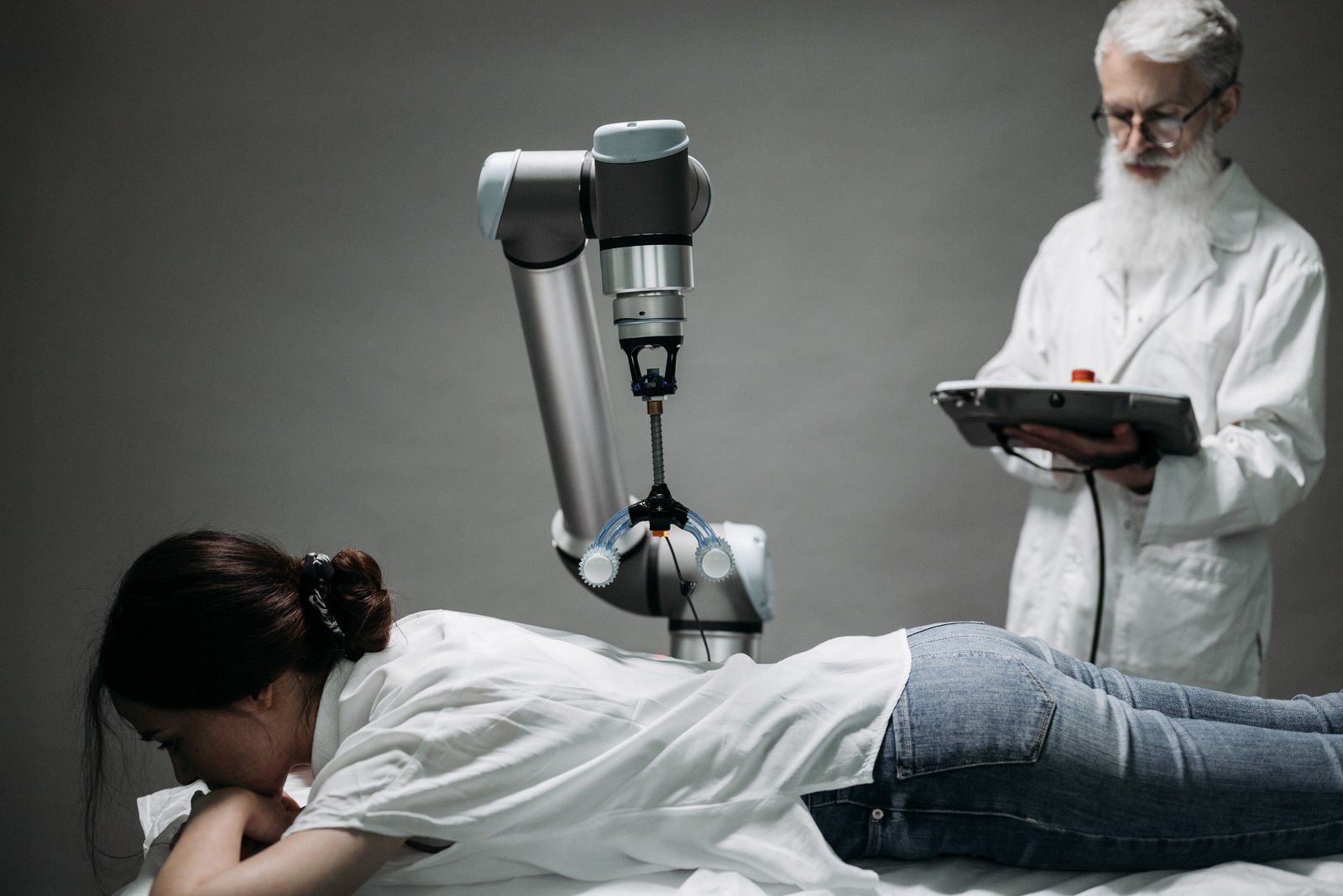
Robotic-Assisted Surgery, Intelligent Automation, and AI-Powered Clinical Systems Are Transforming Modern Healthcare
Healthcare robotics is rapidly reshaping the delivery of medical services by improving surgical precision, enhancing clinical efficiency, and supporting healthcare professionals across a wide range of hospital operations. Advances in robotics, artificial intelligence (AI), machine vision, sensor technologies, and automation are enabling healthcare organizations to improve patient care while optimizing workflows in operating rooms, pharmacies, laboratories, rehabilitation centers, and hospital logistics.
Traditionally, many healthcare processes depended heavily on manual procedures that required significant time and coordination. Today, robotic technologies assist clinicians by performing repetitive tasks, improving procedural accuracy, supporting minimally invasive surgeries, automating medication management, and transporting medical supplies throughout healthcare facilities.
Hospitals, medical technology companies, robotics manufacturers, research institutions, healthcare software providers, and academic medical centers are collaborating to develop robotic solutions that strengthen healthcare quality while supporting the growing demand for efficient and patient-centered medical services. Industry experts believe healthcare robotics will continue expanding across clinical and operational environments as hospitals pursue greater precision, safety, and efficiency.
Robotic-Assisted Surgery Improves Surgical Precision
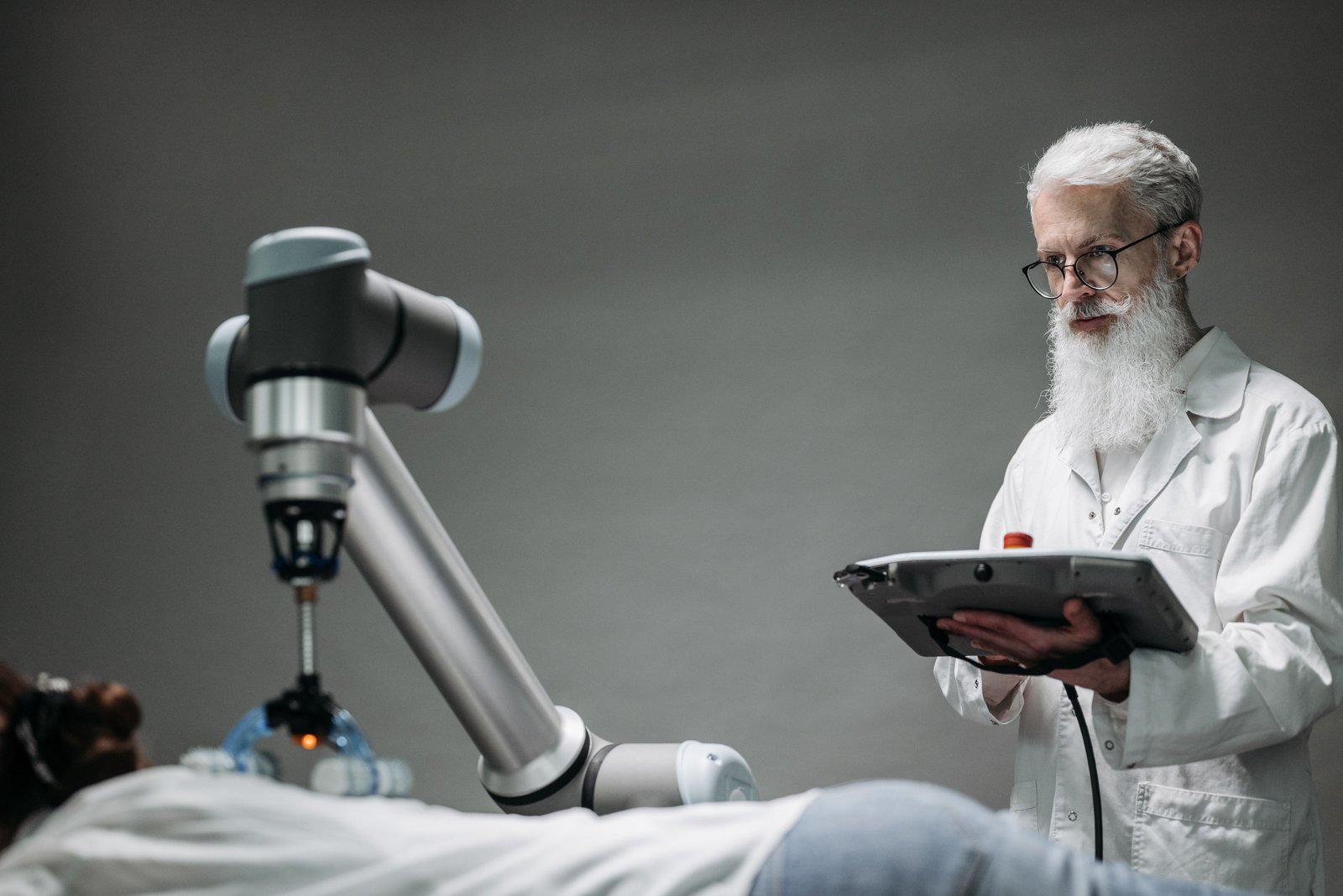
Surgical robots help surgeons perform complex procedures with greater control and accuracy.
Robotic-assisted surgery supports:
- Minimally invasive procedures
- Enhanced instrument control
- High-definition visualization
- Improved surgical precision
- Greater procedural flexibility
Advanced robotic systems allow surgeons to perform delicate procedures while minimizing disruption to surrounding tissues. Precision technology supports improved surgical outcomes.
Rehabilitation Robotics Enhance Patient Recovery
Robotic rehabilitation devices assist patients recovering from injuries, neurological conditions, and orthopedic procedures.
Rehabilitation technologies support:
- Mobility training
- Gait rehabilitation
- Upper limb therapy
- Balance improvement
- Strength development
Personalized rehabilitation programs help patients regain functional movement while enabling therapists to monitor recovery progress more effectively. Technology strengthens rehabilitation services.
Pharmacy Automation Improves Medication Management
Hospitals are increasingly automating pharmacy operations to improve efficiency and medication accuracy.
Automated pharmacy systems perform:
- Medication dispensing
- Prescription verification
- Inventory management
- Drug storage monitoring
- Order preparation
Automation reduces manual workload while supporting safe and efficient medication distribution. Digital pharmacy systems strengthen patient safety.
Hospital Logistics Robots Improve Operational Efficiency
Autonomous mobile robots are assisting healthcare facilities with routine transportation tasks.
Robotic logistics support:
- Medical supply delivery
- Laboratory specimen transport
- Linen distribution
- Waste collection
- Pharmacy deliveries
Automating routine logistics allows healthcare professionals to focus more time on direct patient care. Efficient transportation improves hospital productivity.
Artificial Intelligence Supports Clinical Robotics
Artificial intelligence enhances robotic systems by improving decision support and operational performance.
AI applications include:
- Surgical planning assistance
- Image recognition
- Procedure optimization
- Equipment monitoring
- Predictive maintenance
Machine learning continuously analyzes operational data to improve robotic performance while supporting clinical decision-making. Intelligent systems strengthen healthcare innovation.
Diagnostic Robotics Improve Laboratory Operations
Automation is streamlining laboratory workflows through intelligent robotic technologies.
Robotic laboratory systems assist with:
- Sample handling
- Specimen preparation
- Laboratory testing
- Quality verification
- Workflow management
Automated laboratory operations improve consistency while increasing testing efficiency. Advanced diagnostics support timely healthcare delivery.
Human-Robot Collaboration Strengthens Patient Care
Healthcare robotics are designed to support medical professionals rather than replace clinical expertise.
Collaborative technologies assist healthcare teams with:
- Clinical workflow support
- Repetitive task automation
- Patient mobility assistance
- Equipment management
- Operational coordination
Human expertise combined with robotic assistance improves healthcare delivery while enhancing workplace efficiency. Collaboration strengthens clinical excellence.
Data Integration Improves Robotic Performance
Connected healthcare systems allow robotic platforms to exchange information with hospital technologies.
Integrated systems connect with:
- Electronic health records
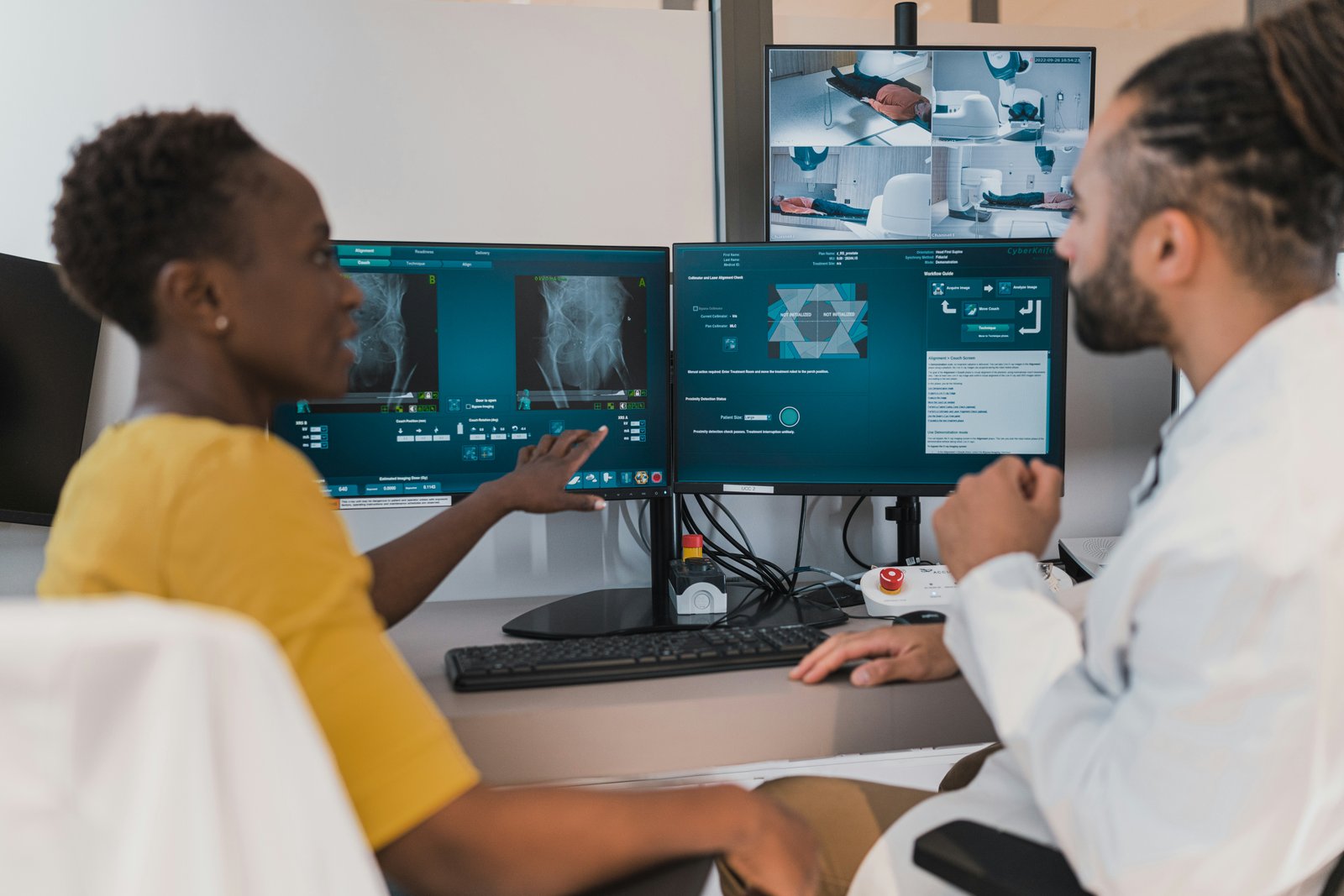
- Medical imaging platforms
- Surgical planning software
- Hospital information systems
- Patient monitoring devices
Connected data enables robotic technologies to operate more efficiently while supporting coordinated patient care. Digital integration improves operational visibility.
Workforce Development Supports Robotic Adoption
Healthcare organizations are investing in workforce training to maximize the benefits of robotic technologies.
Training programs focus on:
- Robotic system operation
- Equipment maintenance
- Surgical simulation
- Clinical workflow integration
- Technology safety protocols
Continuous education prepares healthcare professionals to work confidently with advanced robotic systems. Skilled teams accelerate digital transformation.
Challenges Continue
Despite significant technological advancement, healthcare organizations continue facing several implementation challenges.
These include:
- High investment costs
- Integration with existing clinical infrastructure
- Workforce training requirements
- Equipment maintenance
- Regulatory compliance for advanced medical technologies
Continued investment in robotics, artificial intelligence, digital infrastructure, clinical education, cybersecurity, and medical research will remain essential for expanding the capabilities of healthcare robotics.
Looking Forward
Healthcare robotics is transforming modern medicine by combining robotic-assisted surgery, intelligent automation, artificial intelligence, rehabilitation technologies, pharmacy automation, and connected clinical systems into highly efficient healthcare environments. As healthcare organizations continue modernizing patient care and hospital operations, robotic technologies will play an increasingly important role in improving surgical precision, enhancing patient recovery, optimizing operational efficiency, supporting healthcare professionals, and advancing clinical innovation.
The continued advancement of healthcare robotics reflects a broader transformation across the healthcare industry, where intelligent automation, artificial intelligence, connected medical technologies, and precision healthcare are creating safer, more efficient, and future-ready healthcare systems.