Connected Medical Devices, Intelligent Automation, and Digital Infrastructure Are Reshaping Modern Healthcare Facilities
Healthcare organizations around the world are accelerating the development of smart hospitals by integrating advanced digital technologies that improve patient care, optimize hospital operations, and strengthen clinical decision-making. Powered by artificial intelligence (AI), the Internet of Medical Things (IoMT), cloud computing, robotics, electronic health records, and intelligent automation, smart hospitals are creating connected healthcare environments that enhance efficiency while delivering more personalized and coordinated patient care.
Traditional hospitals often operated through disconnected systems where patient records, medical equipment, laboratory services, and administrative functions functioned independently. Modern smart hospitals integrate these systems into a unified digital ecosystem, enabling healthcare professionals to access real-time information, coordinate clinical activities more efficiently, and respond faster to patient needs.
Hospitals, healthcare technology companies, medical device manufacturers, software providers, research institutions, and government healthcare agencies are collaborating to modernize healthcare infrastructure while improving quality, safety, and operational performance. Industry experts believe smart hospitals will become the foundation of future healthcare delivery as organizations continue investing in connected technologies and intelligent healthcare solutions.
Connected Medical Devices Improve Patient Care
The Internet of Medical Things enables hospitals to connect medical equipment through secure digital networks.
Connected devices include:
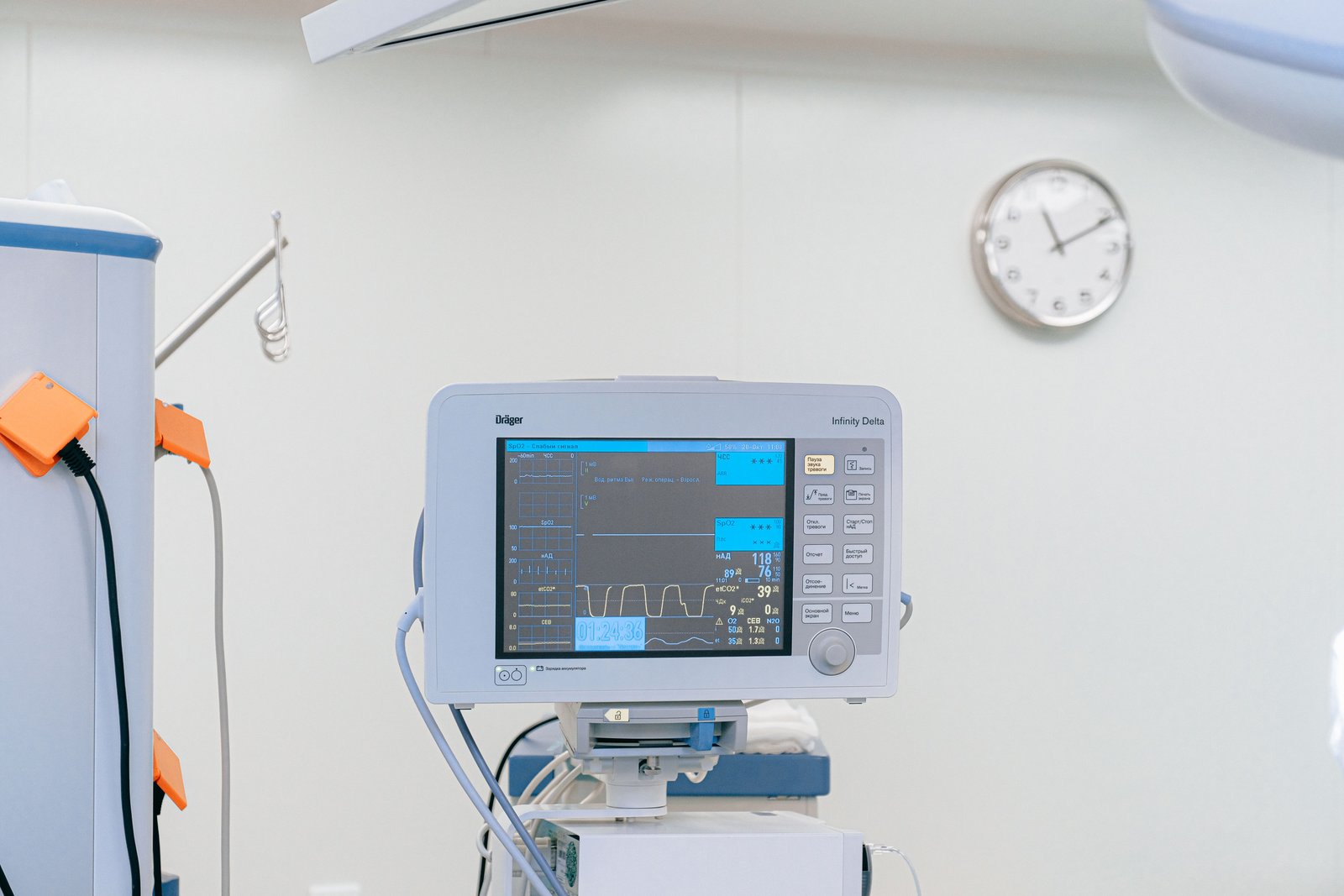
- Patient monitoring systems
- Infusion pumps
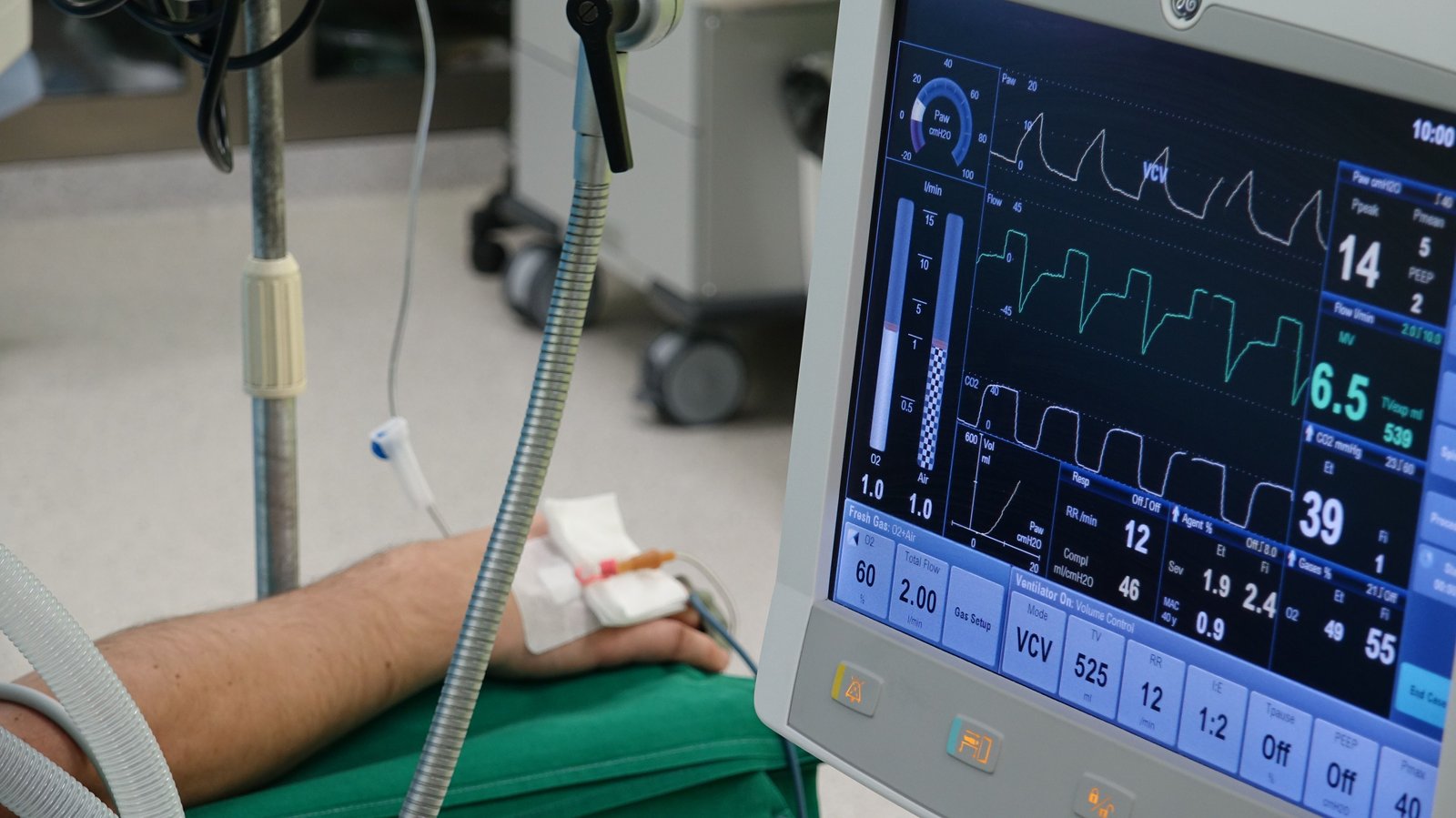
- Ventilators
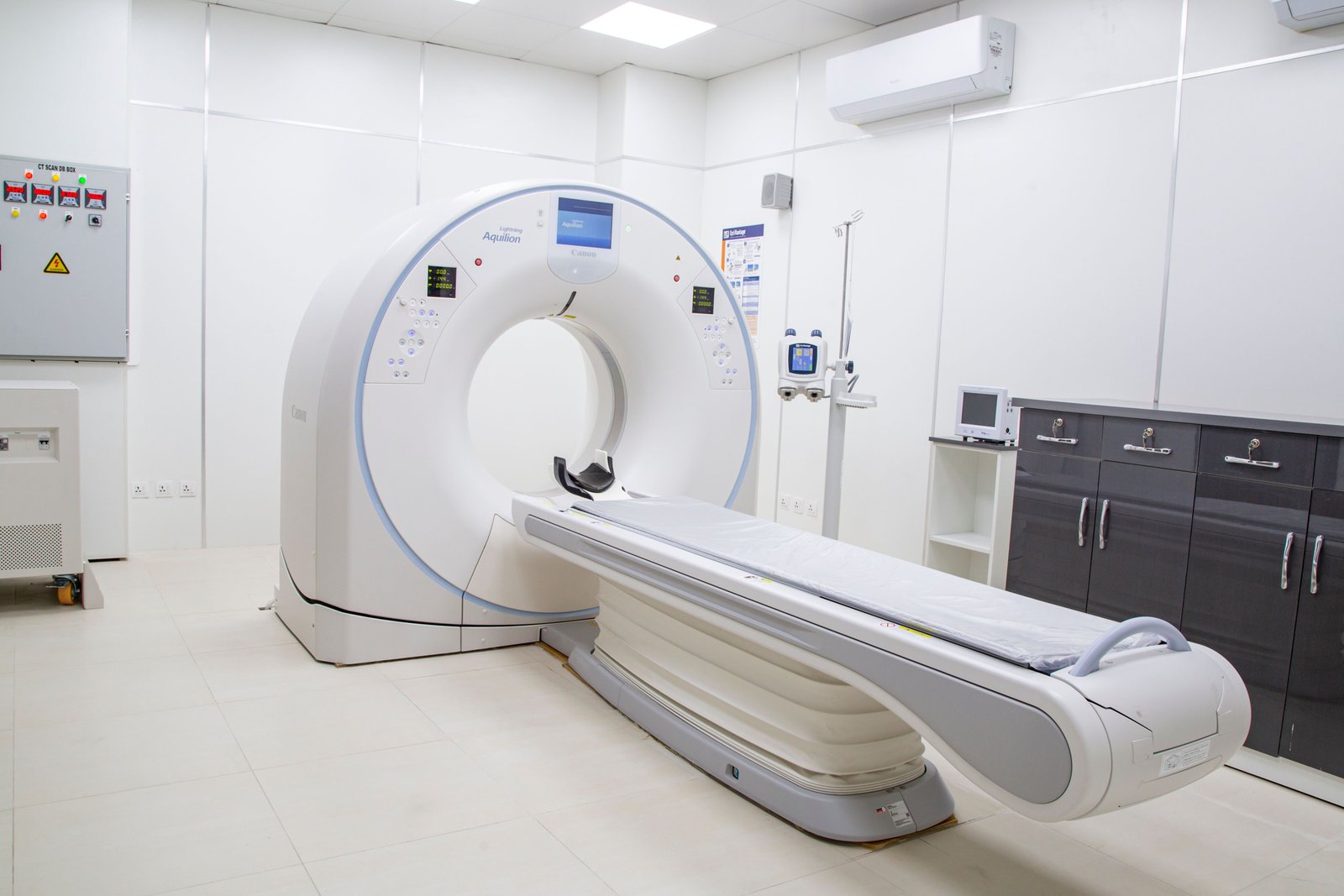
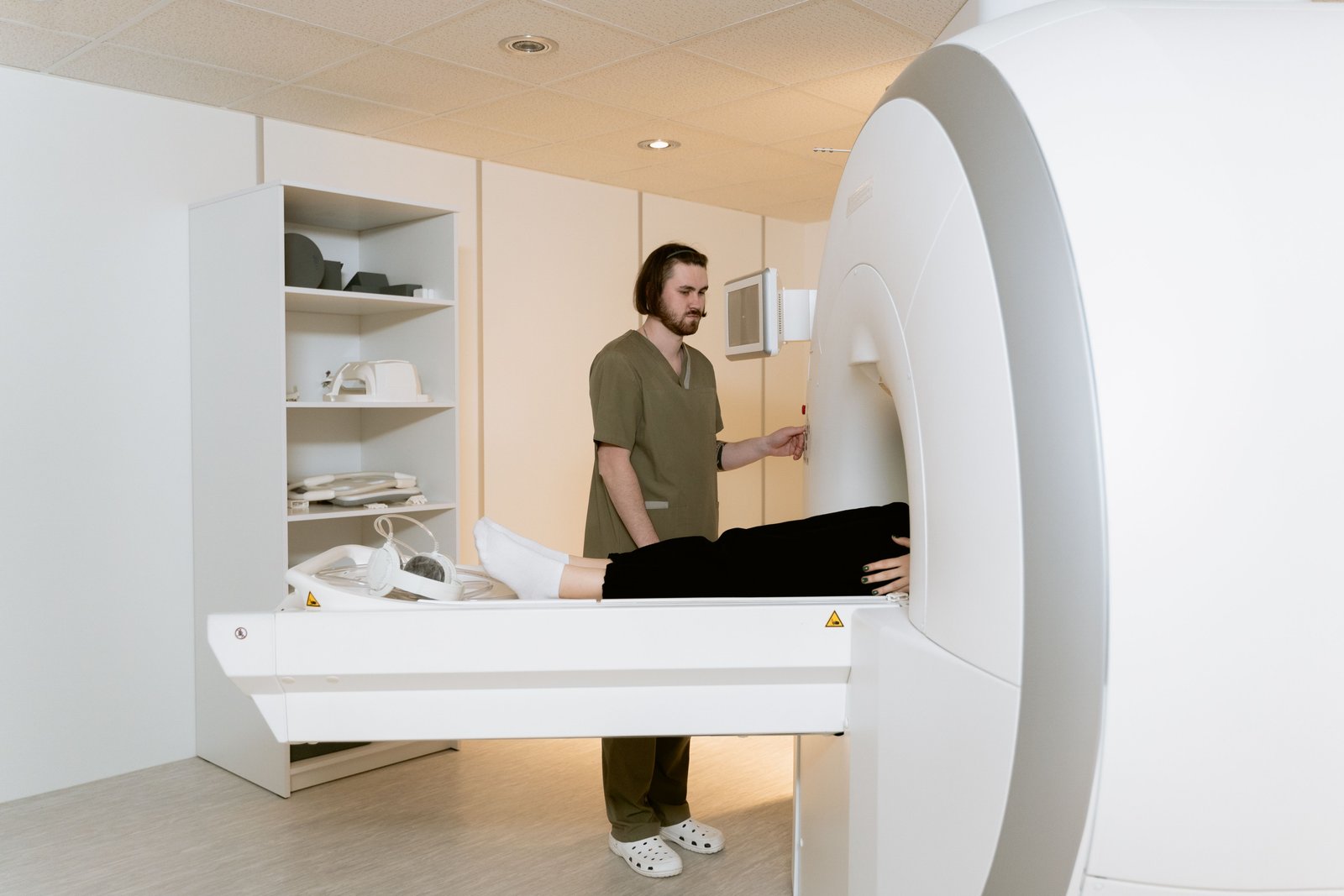
- Diagnostic equipment
- Smart hospital beds
Real-time device connectivity enables clinicians to monitor patient conditions continuously while improving response times during medical emergencies. Connected healthcare strengthens clinical efficiency.
Artificial Intelligence Supports Clinical Decision-Making
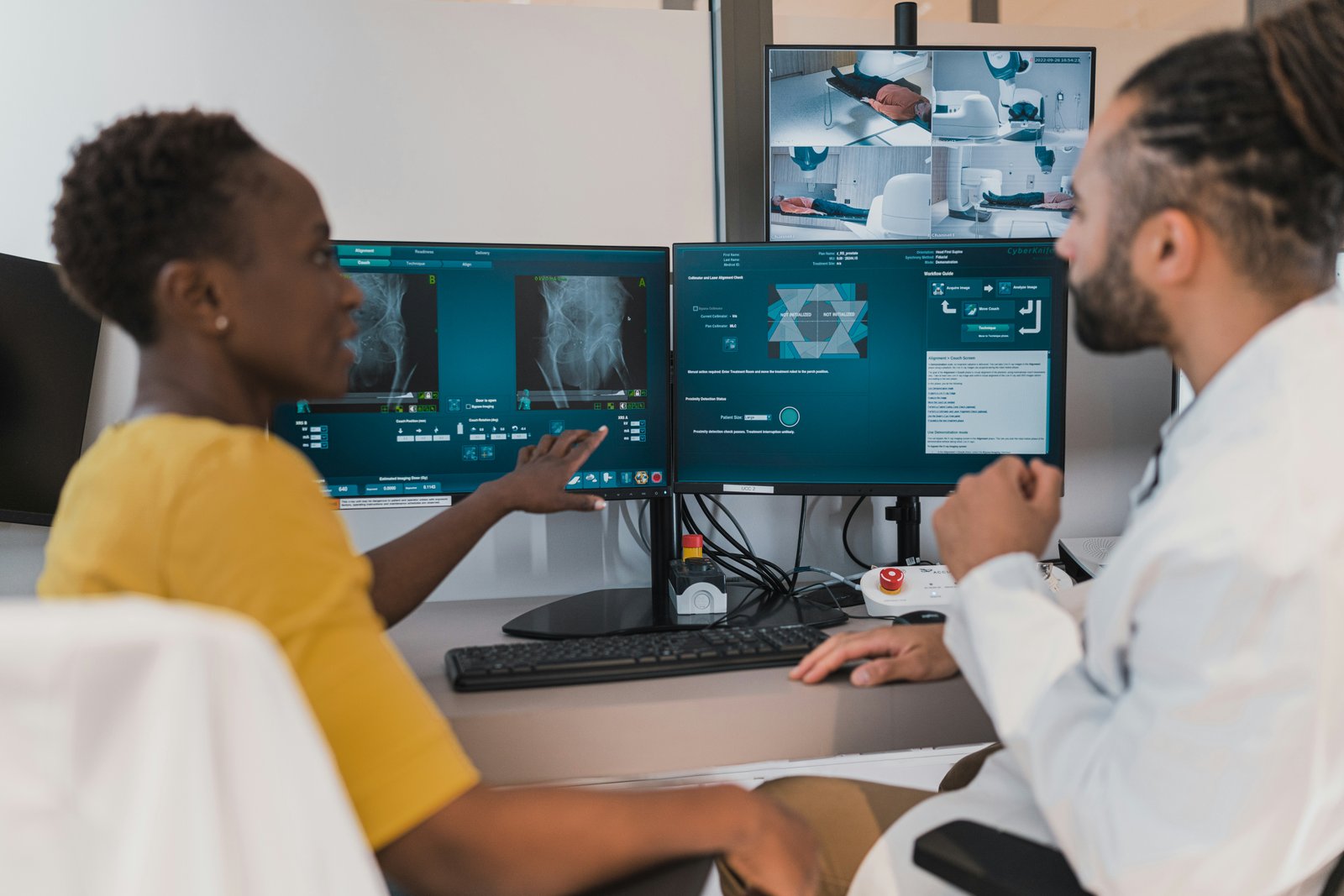
Artificial intelligence helps healthcare professionals analyze complex medical information more effectively.
AI applications include:
- Clinical decision support
- Medical image analysis
- Risk prediction
- Treatment recommendations
- Operational planning
Machine learning continuously analyzes healthcare data to assist clinicians in making faster and more informed decisions. Intelligent analytics improve healthcare quality.
Electronic Health Records Improve Information Access
Digital patient records enable healthcare professionals to access comprehensive medical information instantly.
Electronic health records include:
- Medical history
- Laboratory reports
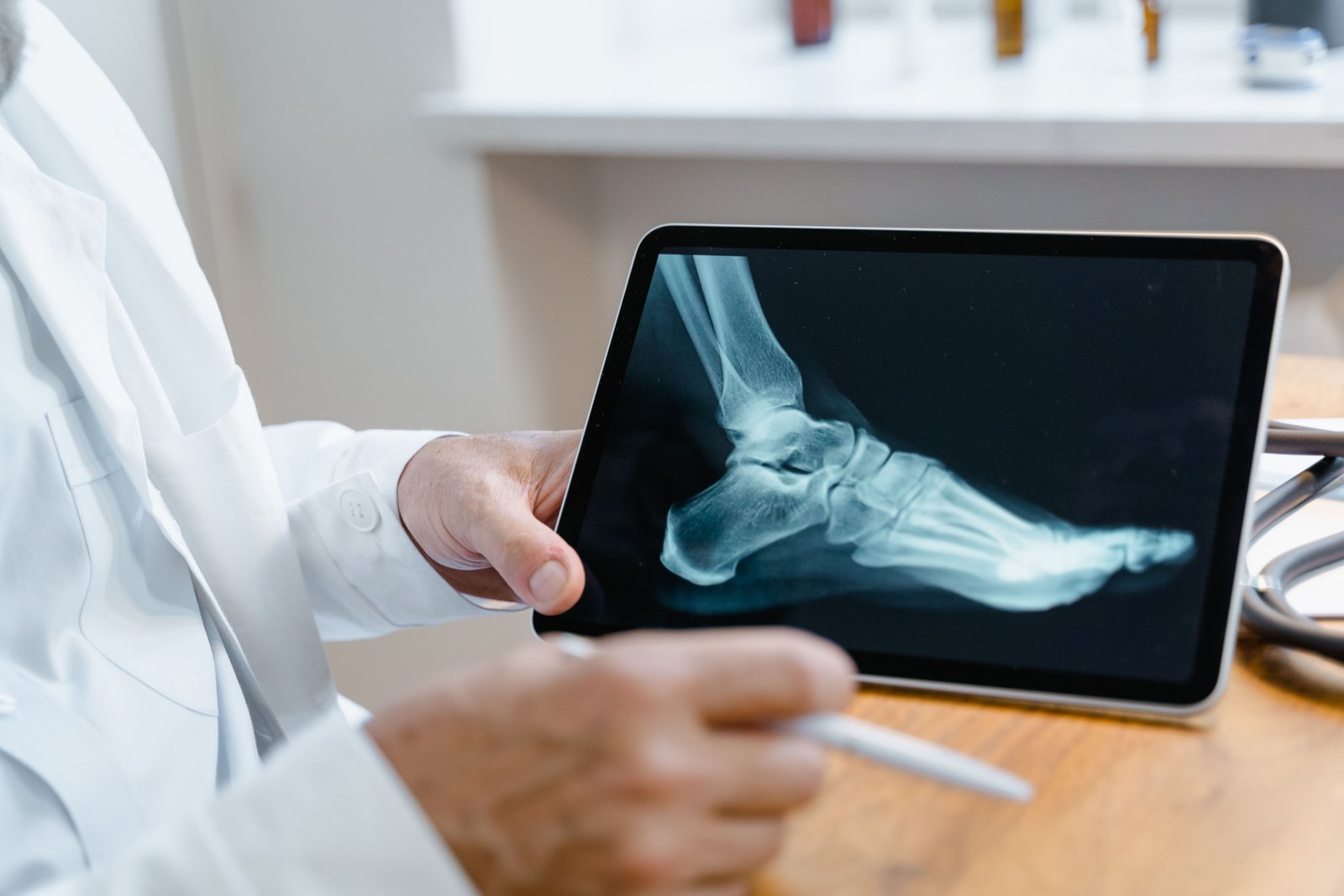
- Diagnostic imaging
- Medication records
- Treatment plans
Integrated patient information improves care coordination while reducing administrative complexity. Digital records support efficient healthcare delivery.
Intelligent Automation Streamlines Hospital Operations
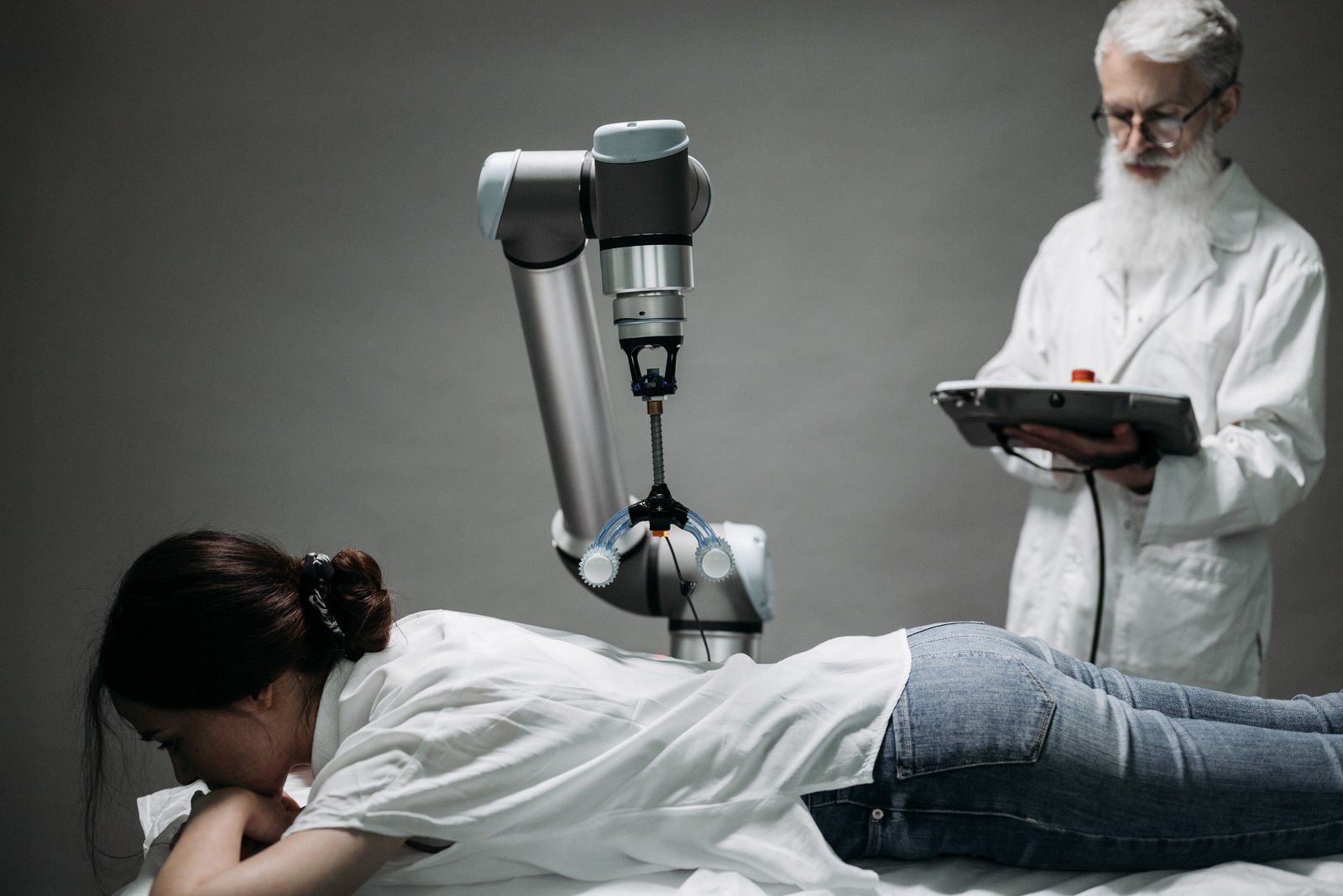
Automation technologies are reducing repetitive administrative and operational tasks throughout healthcare facilities.
Automation supports:
- Appointment scheduling
- Patient registration
- Billing processes
- Laboratory workflows
- Pharmacy management
Automated processes improve operational efficiency while allowing healthcare professionals to focus more on patient care. Digital workflows enhance hospital productivity.
Smart Infrastructure Improves Facility Management
Hospitals are integrating intelligent building technologies to improve operational performance.
Smart infrastructure manages:
- Energy consumption
- Climate control
- Lighting systems
- Equipment maintenance
- Security monitoring
Connected facility management improves resource efficiency while creating safer healthcare environments. Intelligent infrastructure supports sustainable operations.
Remote Healthcare Integration Expands Access
Smart hospitals integrate telehealth services into routine healthcare delivery.
Digital healthcare supports:
- Virtual consultations
- Remote specialist collaboration
- Home patient monitoring
- Follow-up care
- Digital appointment management
Integrated telehealth improves healthcare accessibility while supporting continuity of care beyond hospital settings. Connected care enhances patient convenience.
Data Analytics Improve Hospital Performance
Healthcare organizations increasingly rely on analytics to optimize clinical and operational performance.
Analytics evaluate:
- Patient flow
- Resource utilization
- Clinical outcomes
- Equipment performance
- Operational efficiency
Data-driven insights enable hospitals to improve decision-making while strengthening service quality. Analytics support continuous improvement.
Cybersecurity Protects Connected Healthcare Systems
As hospitals become increasingly digital, protecting healthcare infrastructure remains essential.
Healthcare organizations strengthen cybersecurity through:
- Data encryption
- Secure cloud platforms
- Multi-factor authentication
- Network monitoring
- Access control systems
Comprehensive cybersecurity protects sensitive patient information while ensuring reliable healthcare operations. Secure digital infrastructure strengthens patient trust.
Workforce Development Supports Digital Healthcare
Healthcare professionals require ongoing education to maximize the benefits of smart hospital technologies.
Training programs focus on:
- Digital healthcare systems
- Artificial intelligence applications
- Medical device management
- Data security
- Clinical workflow optimization
Continuous professional development ensures healthcare teams can effectively operate advanced digital technologies. Skilled professionals drive successful digital transformation.
Challenges Continue
Despite significant technological advancement, healthcare organizations continue facing several implementation challenges.
These include:
- High infrastructure investment
- Integration of legacy healthcare systems
- Maintaining interoperability across digital platforms
- Protecting patient privacy
- Workforce digital readiness
Continued investment in artificial intelligence, cloud computing, cybersecurity, intelligent infrastructure, healthcare interoperability, and employee development will remain essential for maximizing the benefits of smart hospitals.
Looking Forward
Smart hospitals are transforming healthcare by combining connected medical devices, artificial intelligence, intelligent automation, electronic health records, digital infrastructure, and advanced analytics into highly integrated healthcare environments.
As healthcare systems continue embracing digital transformation, smart hospitals will play an increasingly important role in improving patient safety, strengthening clinical decision-making, optimizing operational efficiency, expanding healthcare accessibility, and supporting better health outcomes.
The continued evolution of smart hospitals reflects a broader transformation across the healthcare industry, where intelligent technologies, connected healthcare systems, automation, and data-driven innovation are creating more efficient, resilient, and future-ready healthcare facilities.